Biking and Hiking New Zealand - 05 Rotorua
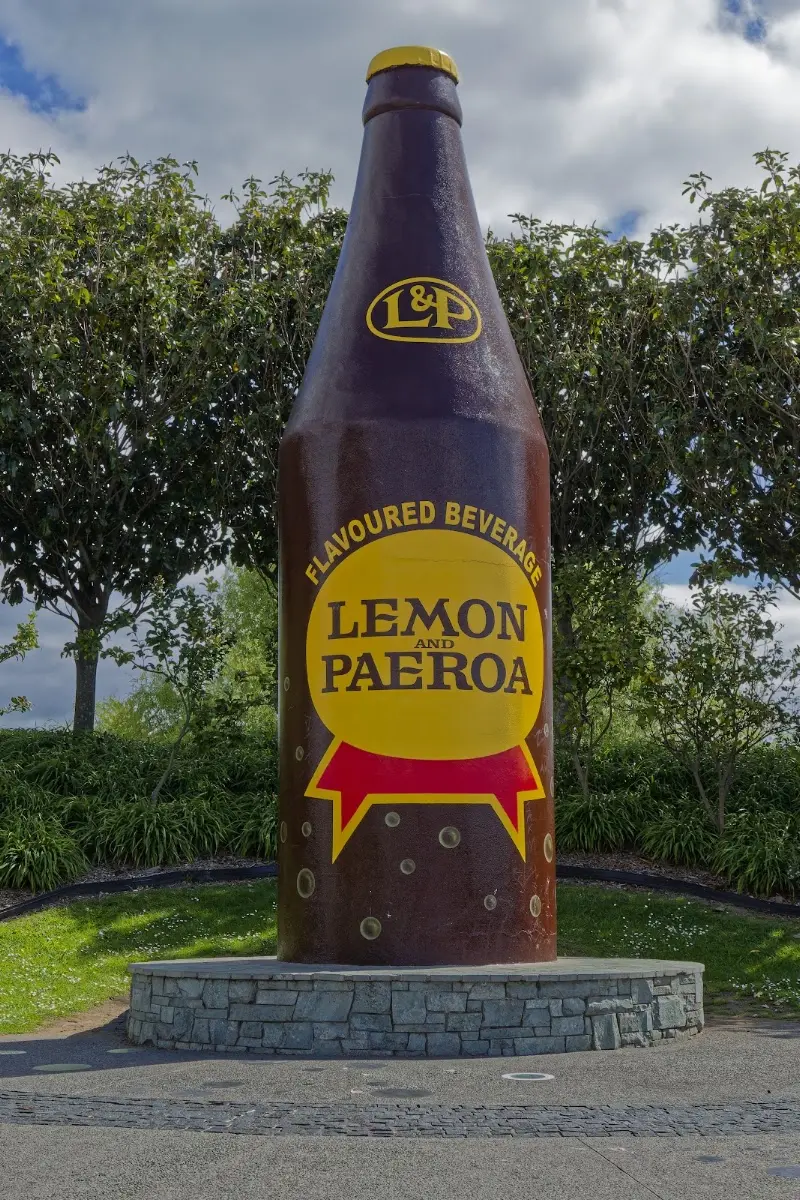
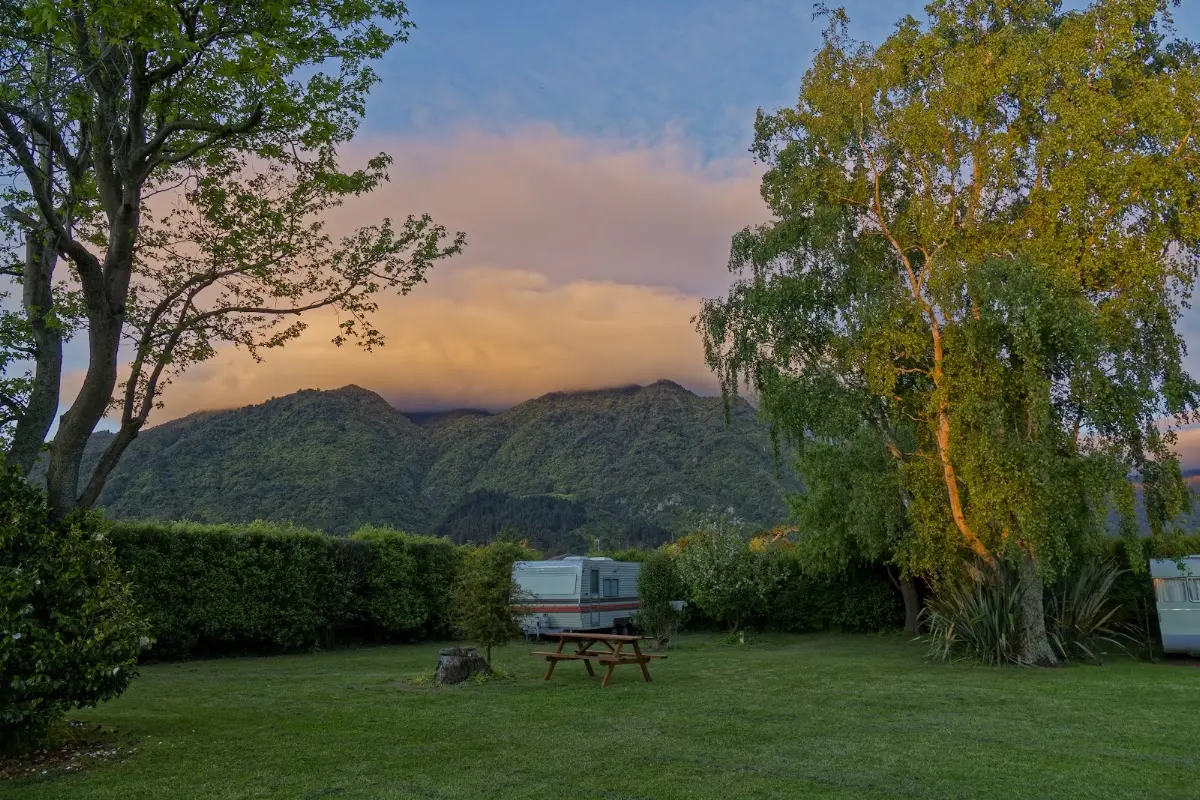
In the coffee shop this morning they told me it was not a sandwich but a panini, which apparently made it more expensive. A few hills along the coast, then past Pauanui toward the old gold-mining town of Waihi. From there I followed the rail trail through the Karangahake Gorge to Paeroa — the world-famous place with the giant L&P bottle. My neighbours at the campsite in Te Aroha recommended the Hobbit tour for tomorrow. Today: 151 km in 7 hours 52 minutes.
Pauanui, Whangamatā, and Waihi
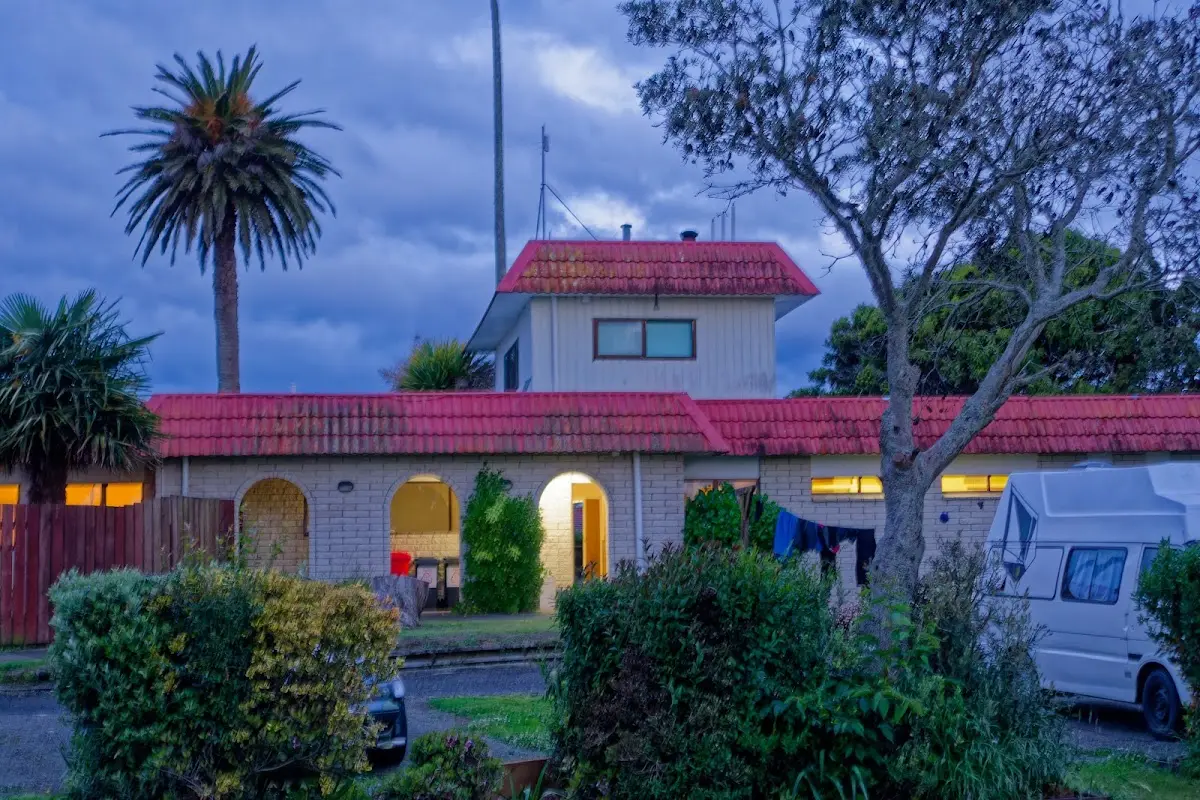
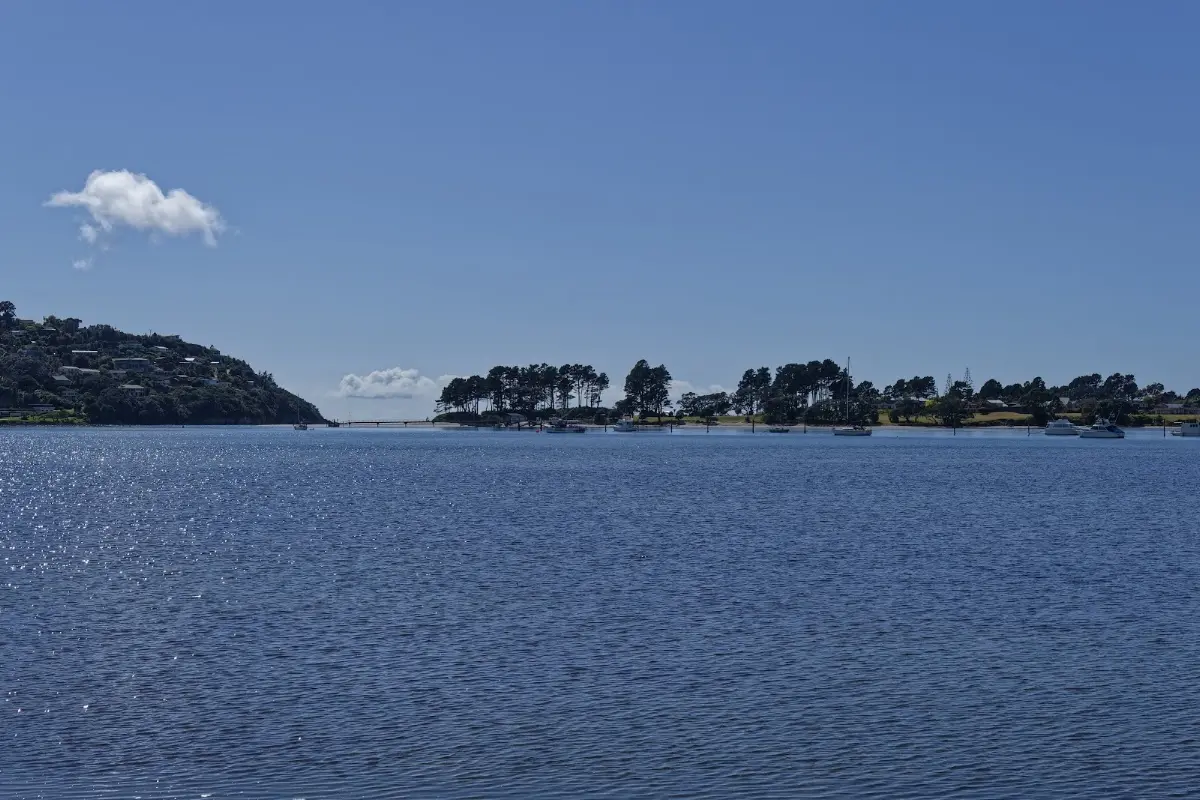
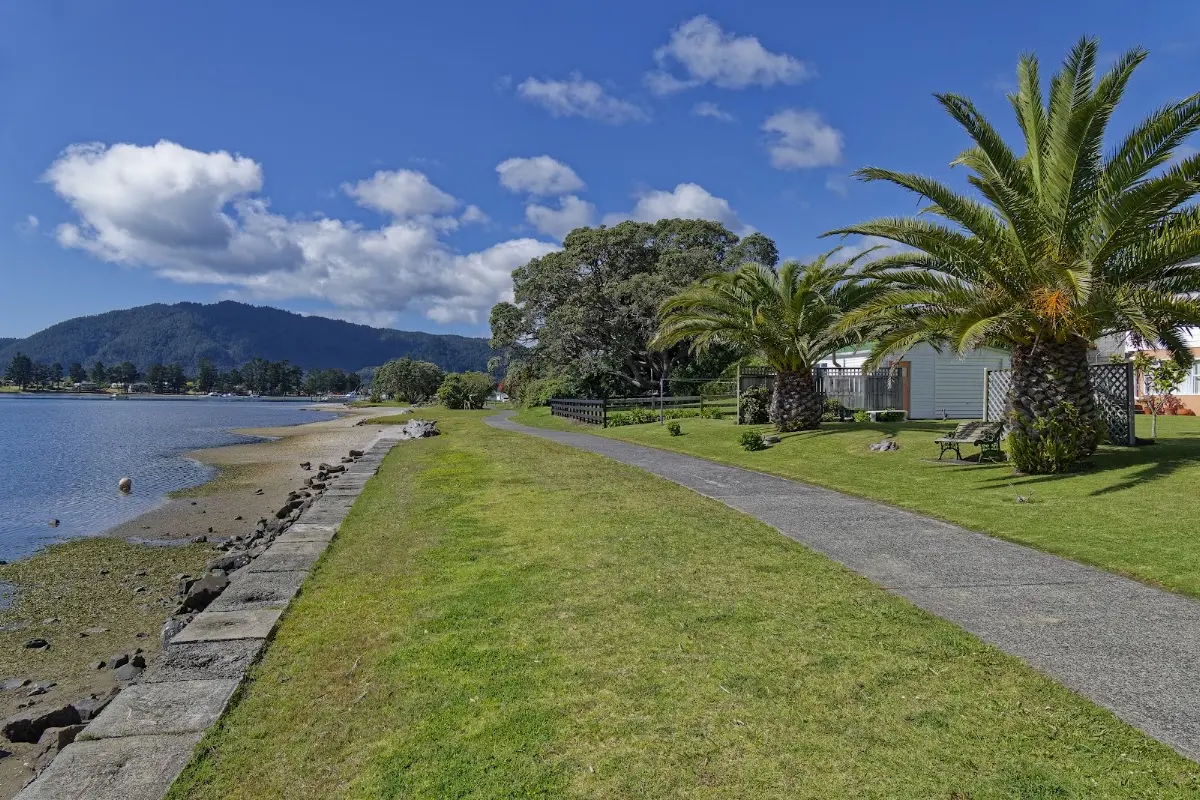
Pauanui, meaning "big pāua" in Māori, is a town on the east coast of New Zealand's Coromandel Peninsula, located at the mouth of the Tairua River opposite the town of Tairua. Situated 30 kilometers east of Thames, Pauanui is a popular holiday destination, especially for the elite and wealthy, with a summer population exceeding 15,000. The town is approximately a one-hour and 50-minute drive from Auckland.
Known for its recreational activities, Pauanui features an airstrip for light aircraft and offers opportunities for game fishing, diving, surfing, and enjoying its excellent beach. Developed in the late 1960s with a family-friendly focus, the area introduced unique features like red-colored roads to enhance pedestrian visibility.
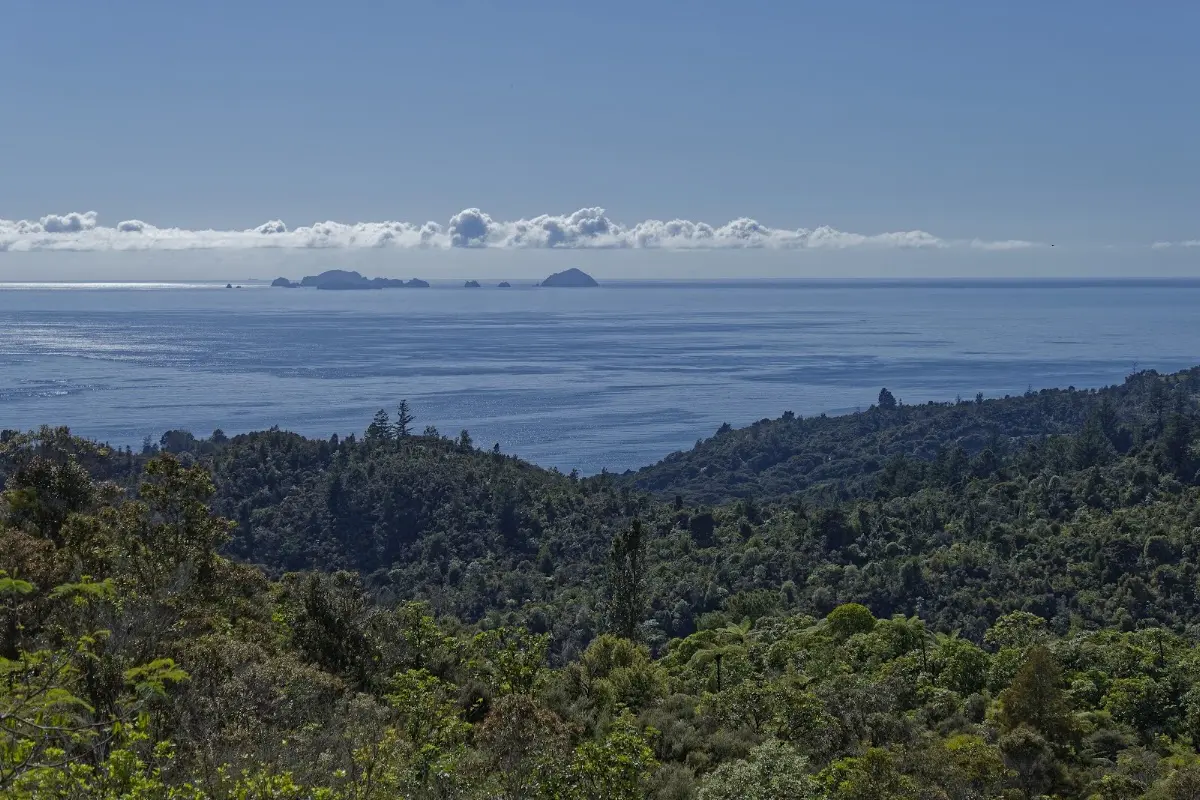
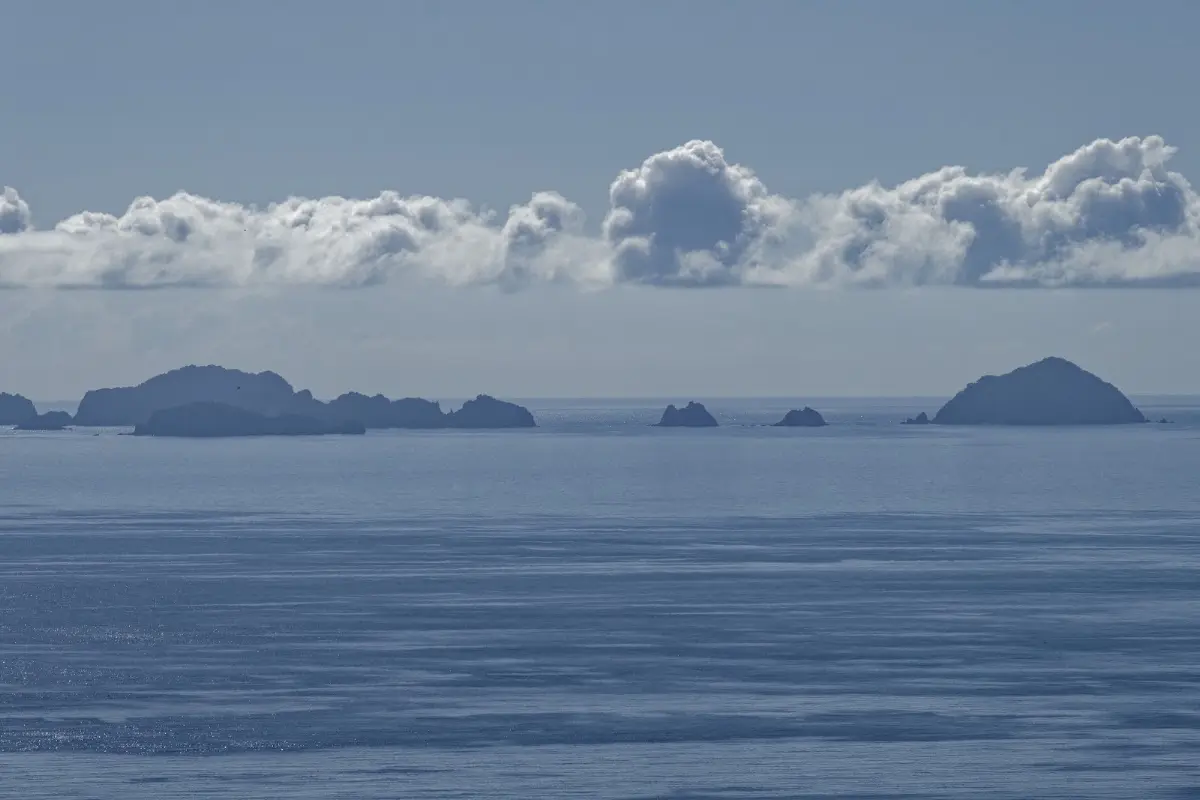
Whangamatā is a town on the southeast coast of New Zealand's Coromandel Peninsula, located 30 kilometers north of Waihi. Known for its scenic beauty, the town's population swells to over 25,000 during New Year's celebrations, although it decreases shortly after. The area features two safe ocean beaches ideal for swimming and surfing, as well as a safe boating harbor and estuary.
Offshore islands, such as Hauturu (Clark Island) and Whenuakura (Donut Island), are popular for summer activities like rock-pool fossicking and kayaking. Whenuakura Island is notable for its collapsed blowhole, forming a small beach inside. The town's name, Whangamatā, derives from Māori words meaning "bay" and "hard stone," referencing the obsidian found on its beaches. Nearby beaches include Whiritoa, Onemana, and Opoutere.
Waihi, located in New Zealand's Hauraki District at the foot of the Coromandel Peninsula, is renowned for its rich history as a gold mining town. The town is situated near the western end of the Bay of Plenty, with the Kaimai Ranges to the west and access through the scenic Karangahake Gorge. Despite its warm climate, Waihi experiences unusually high rainfall for the east coast.
The town's mining history began with the discovery of gold in 1878, leading to the establishment of the Martha Mine, one of the world's most significant gold and silver mines. By 1908, Waihi was the fastest-growing town in Auckland Province. The town was also a center of union unrest, notably during the 1912 miners' strike, which resulted in violence and the death of unionist Fred Evans.
Mining operations ceased in 1952 but later resumed, contributing significantly to the local economy. The Golden Cross mine in the nearby Waitekauri Valley also played a role in the region's mining history. Waihi's mining legacy continues with ongoing investments to extend the mine's economic life.
The town's railway history includes the opening of a branch line in 1905, which evolved into the East Coast Main Trunk Railway. Although the line through Waihi became redundant in 1978, the Goldfields Railway was established to preserve a section of it, now serving as a popular tourist attraction.
In the 1970s, Waihi attracted a wave of hippies seeking alternative lifestyles, bringing cottage industries that supplemented the local economy. The Nambassa festivals, held between 1975 and 1982, drew large crowds and boosted the town's revenue, temporarily increasing the population by tens of thousands during the events.
Karangahake Gorge
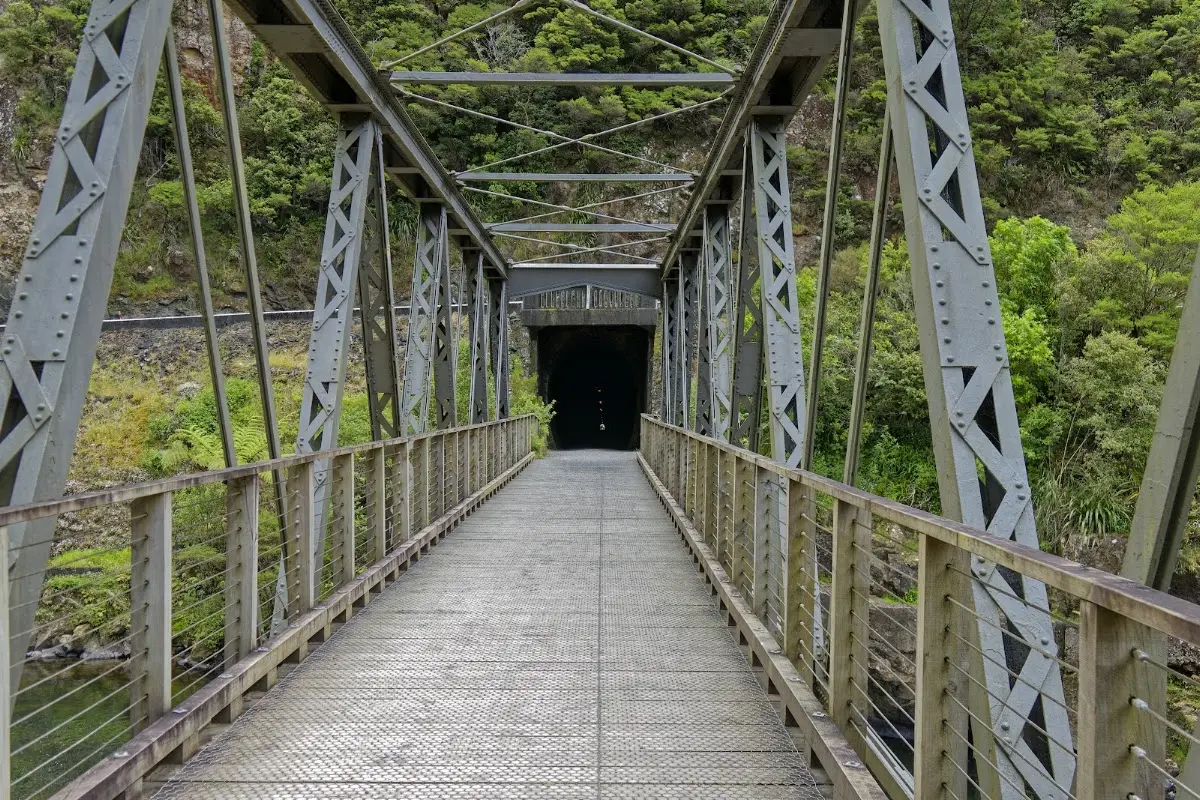
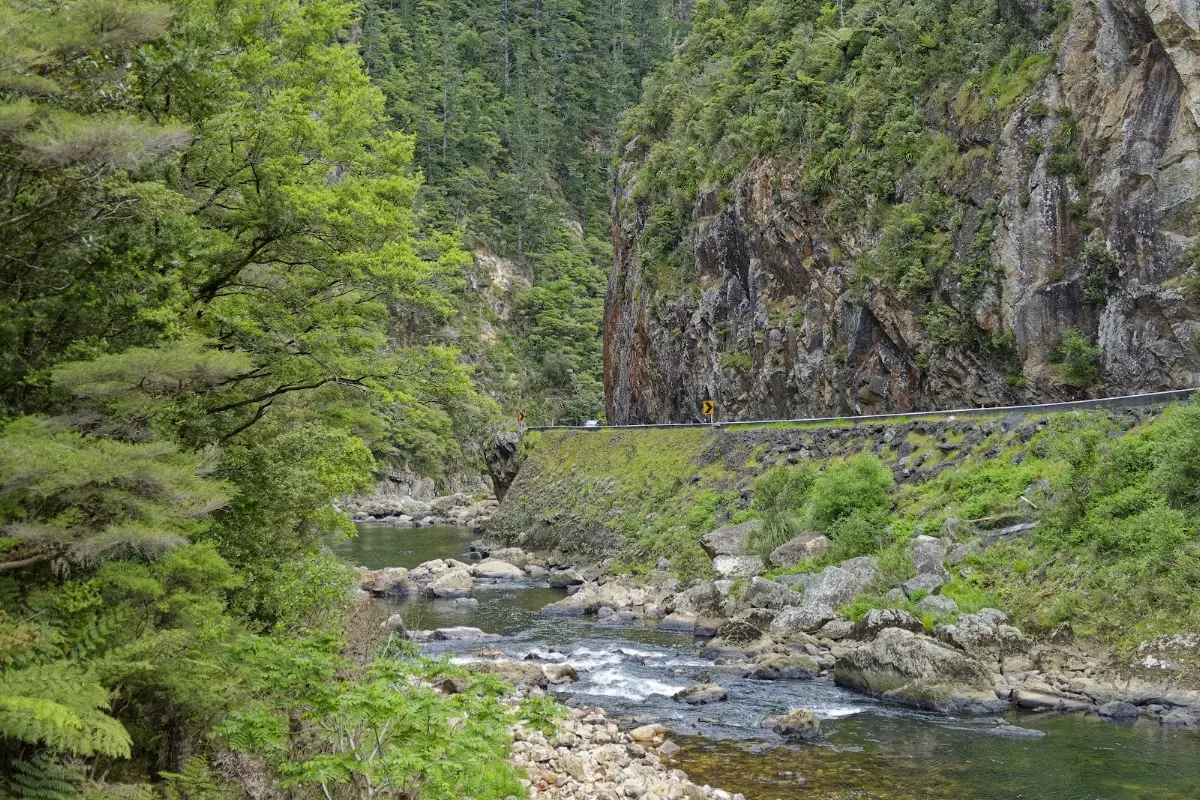
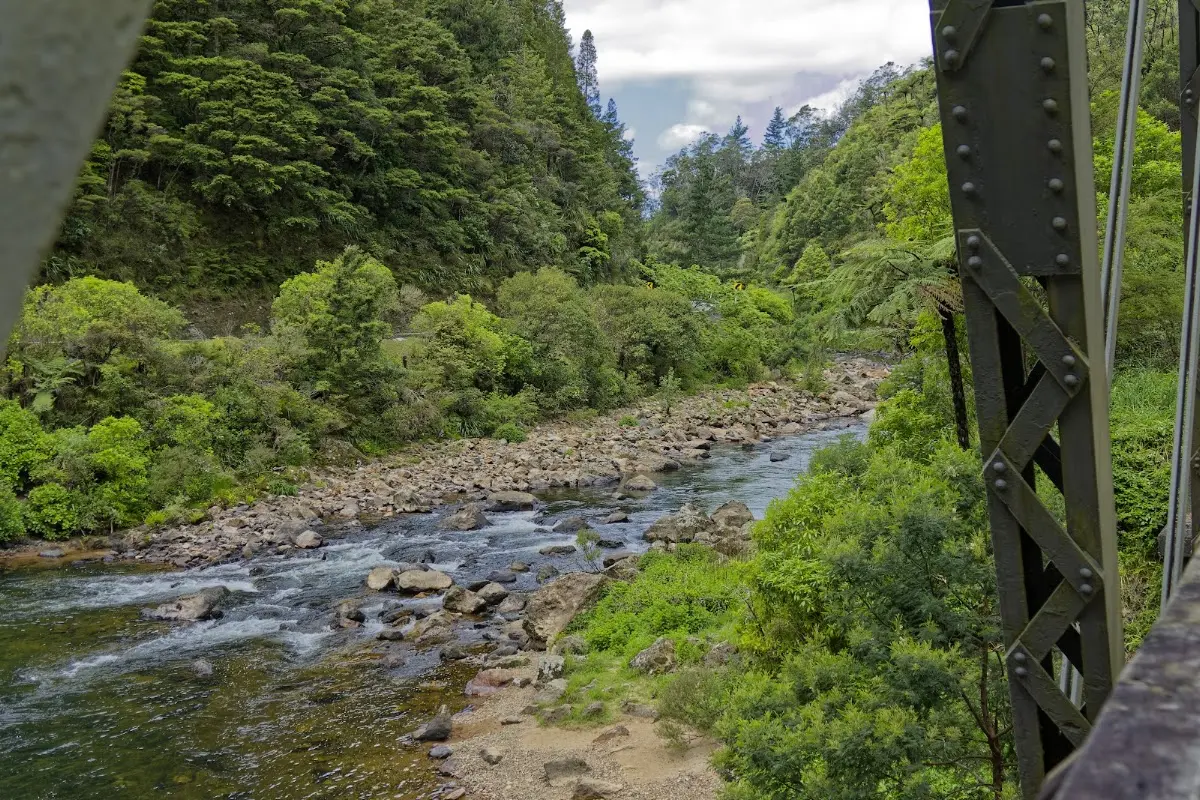
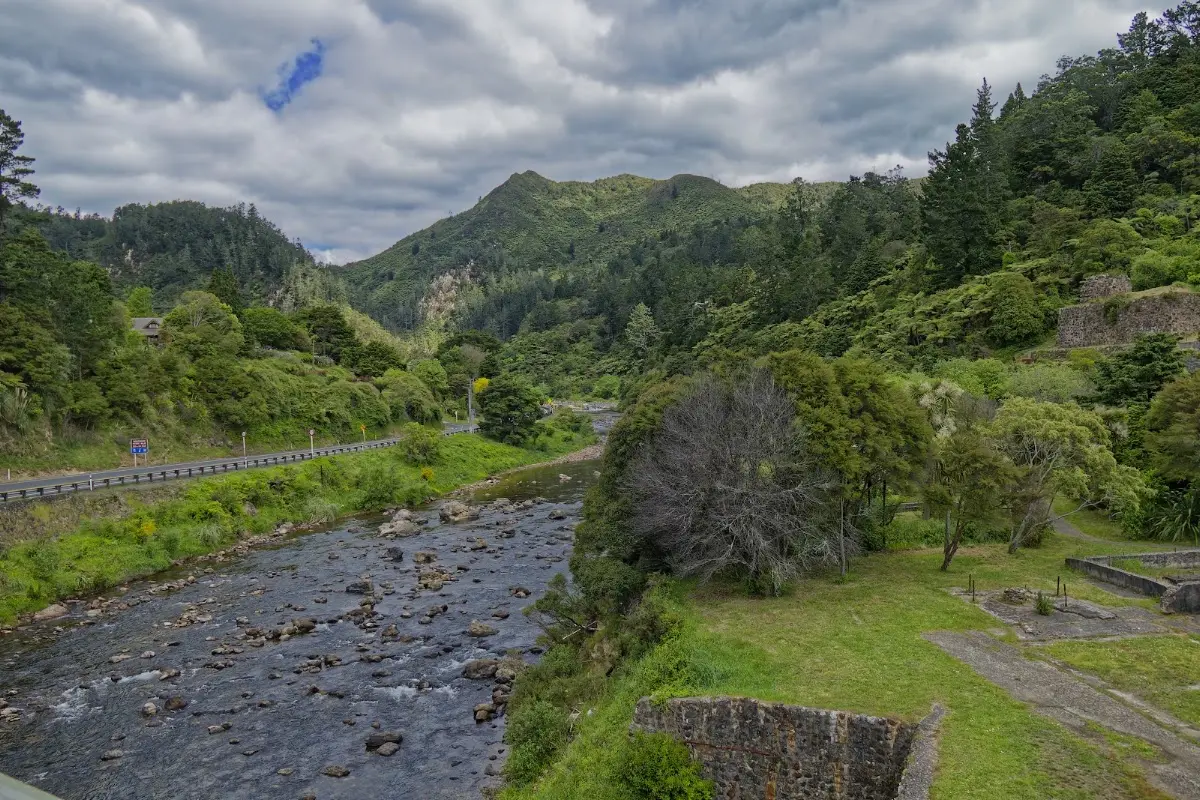
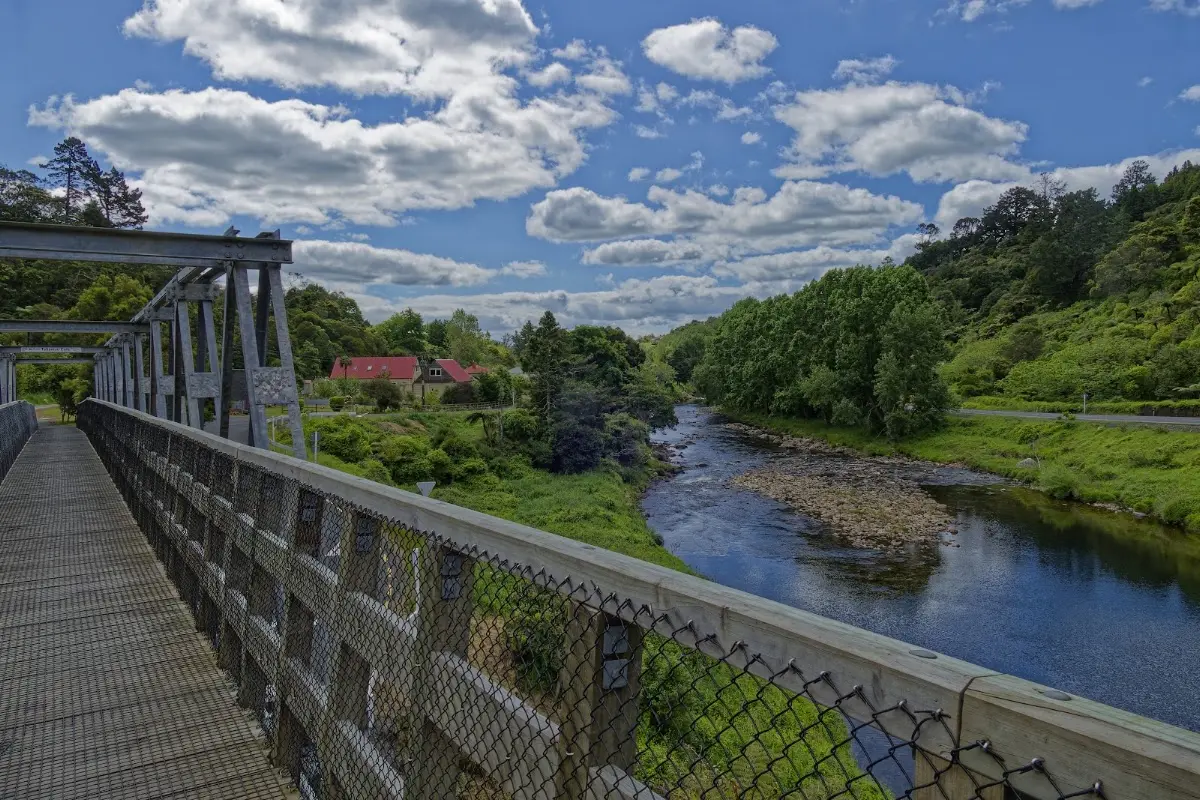
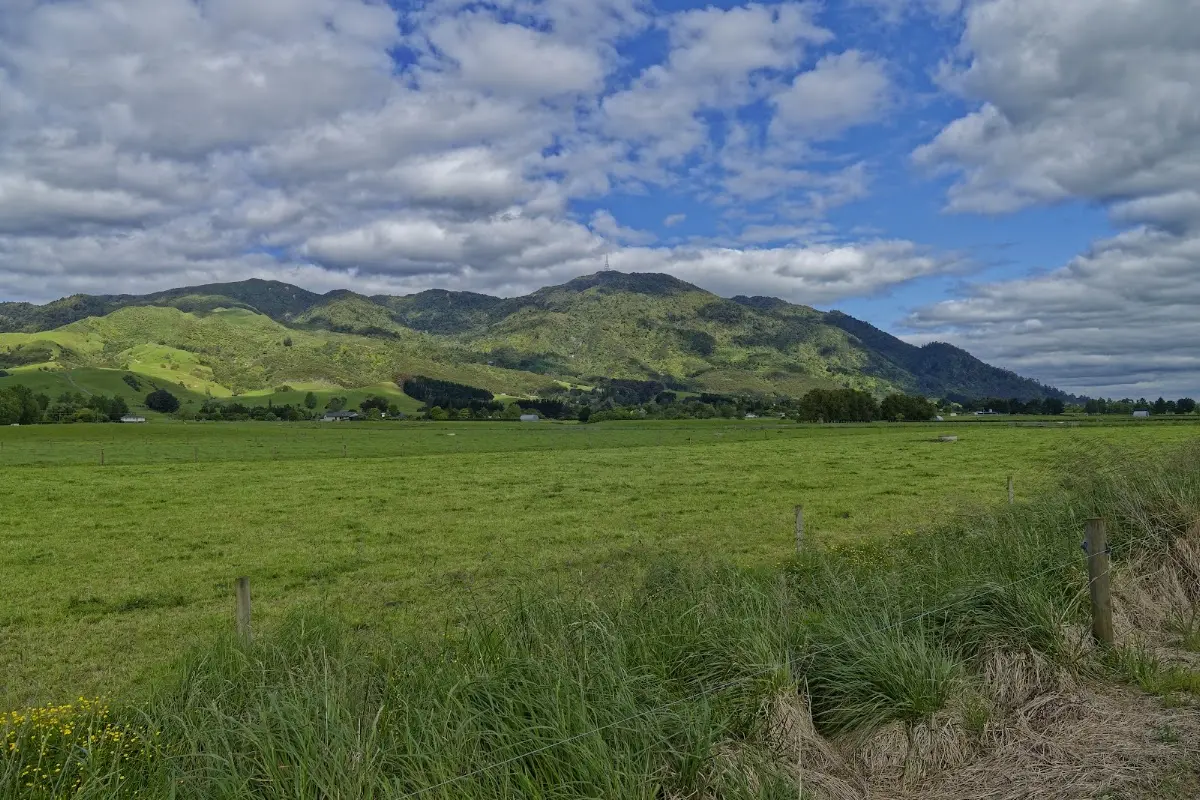
The Karangahake Gorge lies between the Coromandel and Kaimai ranges and is one of the most scenic cycling stretches in this part of the North Island. The gorge was once a major centre of gold mining, and traces of that era remain in tunnels, tramways, bridges, and ruined industrial structures. Today the old railway route through the gorge forms part of the Hauraki Rail Trail, making it a far more peaceful way to pass through the landscape than the main highway. For cyclists, it combines history, engineering, and steep bush-lined scenery in a way that feels very different from the open coast.
Lemon & Paeroa
Paeroa is famous throughout New Zealand for Lemon & Paeroa, or simply L&P, a lemon-flavoured soft drink that became one of the country’s best-known pieces of Kiwiana. Its origins lie in local mineral water and early bottling in the town, though the drink is now produced elsewhere. The giant L&P bottle in Paeroa is one of those slightly absurd roadside landmarks that almost everybody photographs. It may not be a major historic monument, but it is memorable, unmistakably New Zealand, and hard to ignore when passing through.
Te Aroha
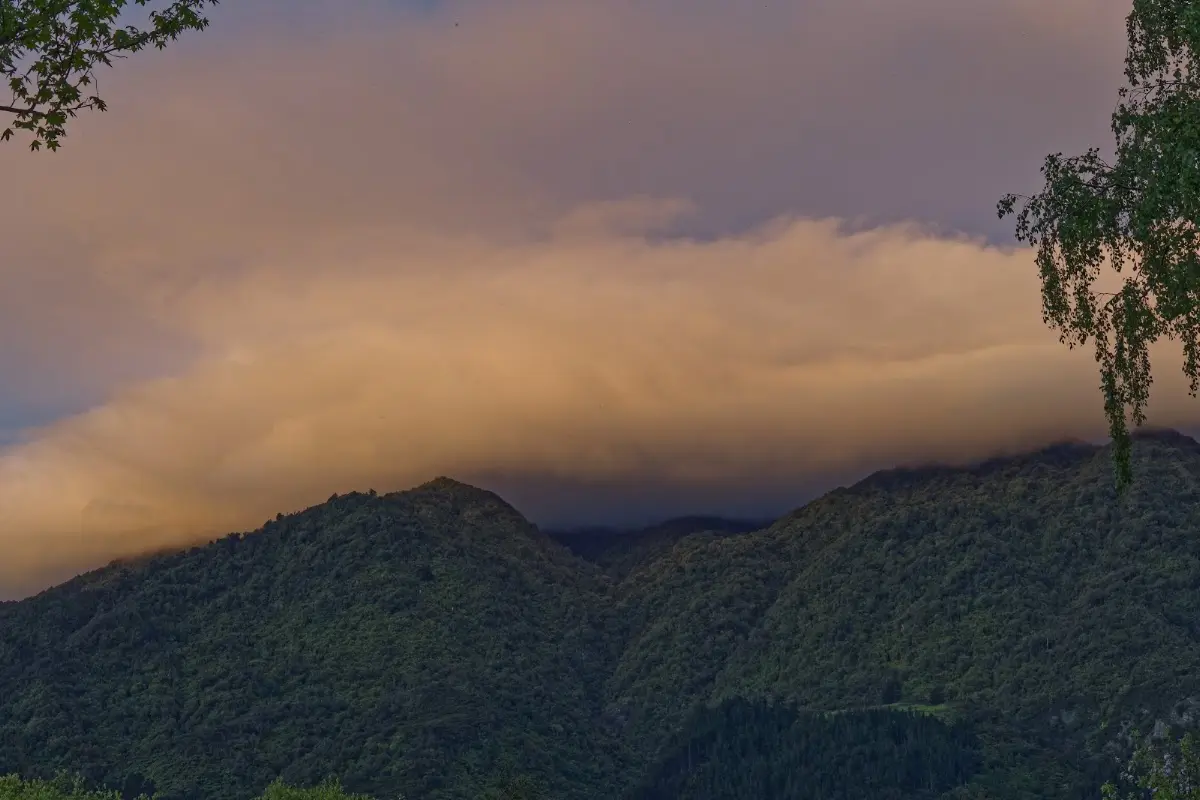
Te Aroha lies at the foot of Mount Te Aroha and grew rapidly in the late 19th century through a mixture of gold, rail access, and spa tourism. Today it is a small Waikato town with a historic feel, known for its hot springs and mountain setting.
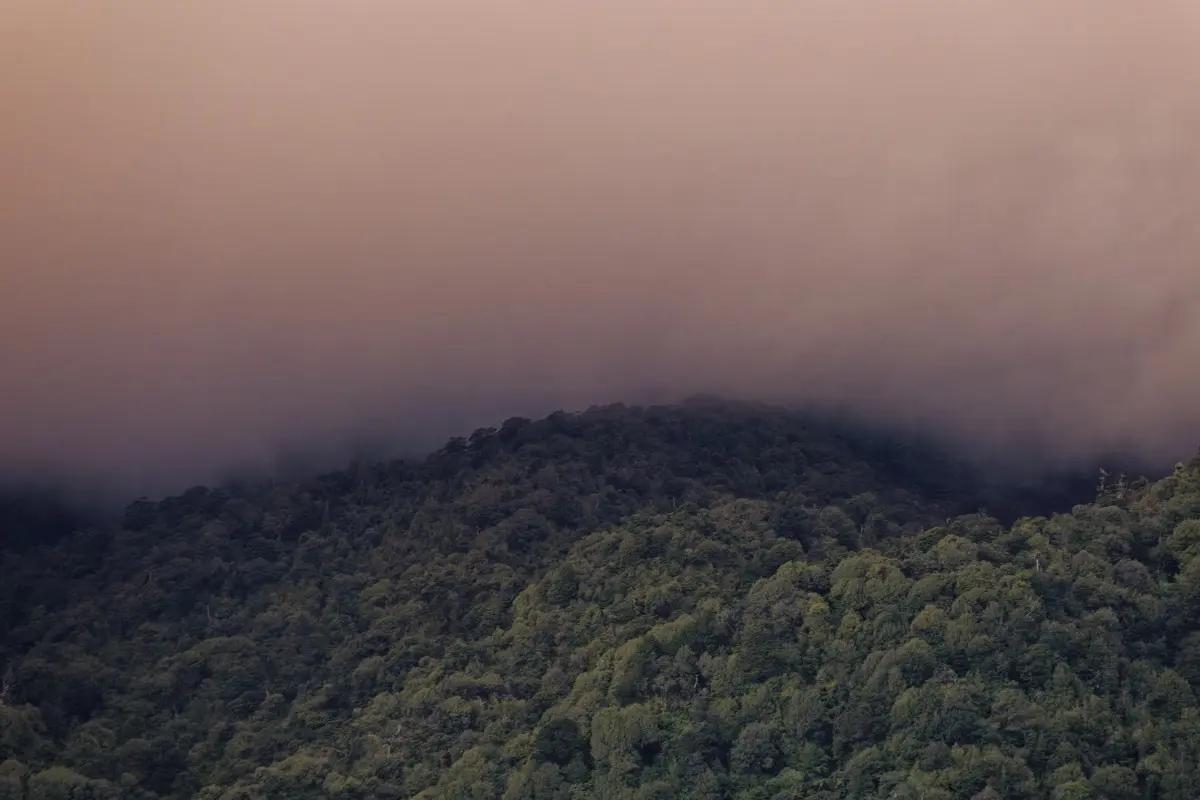
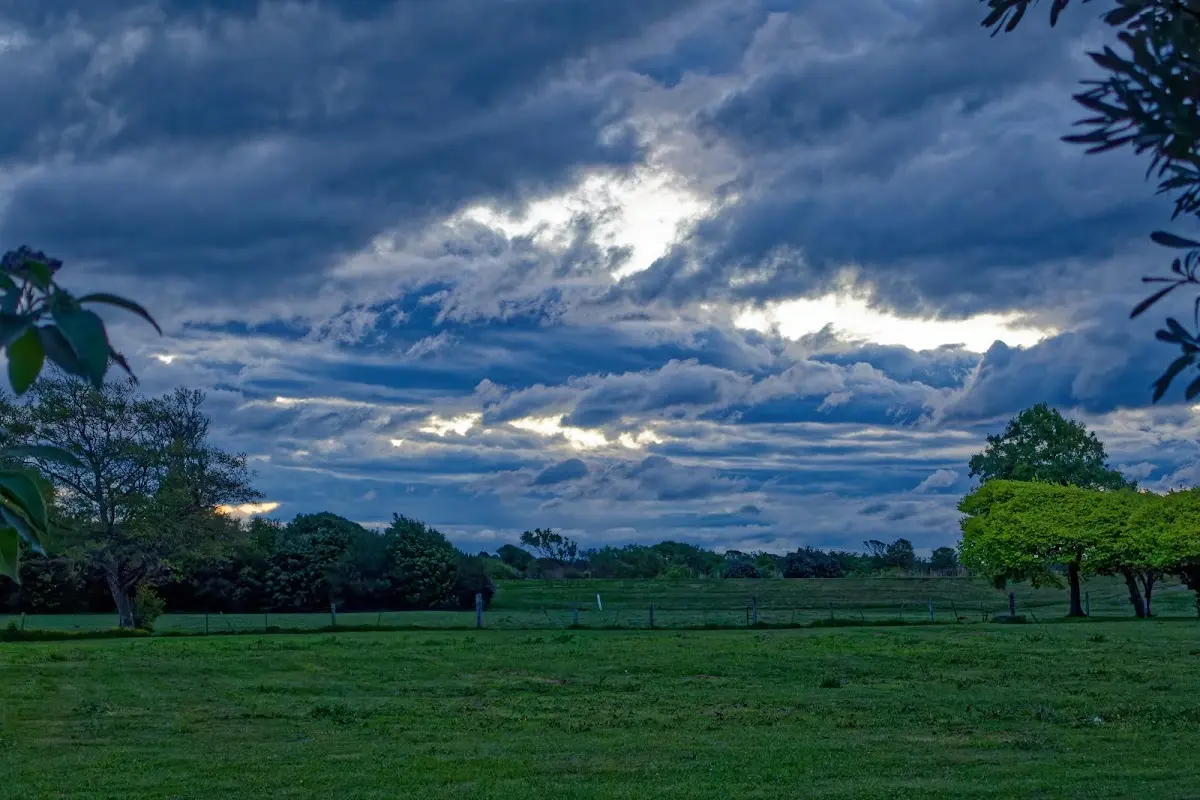
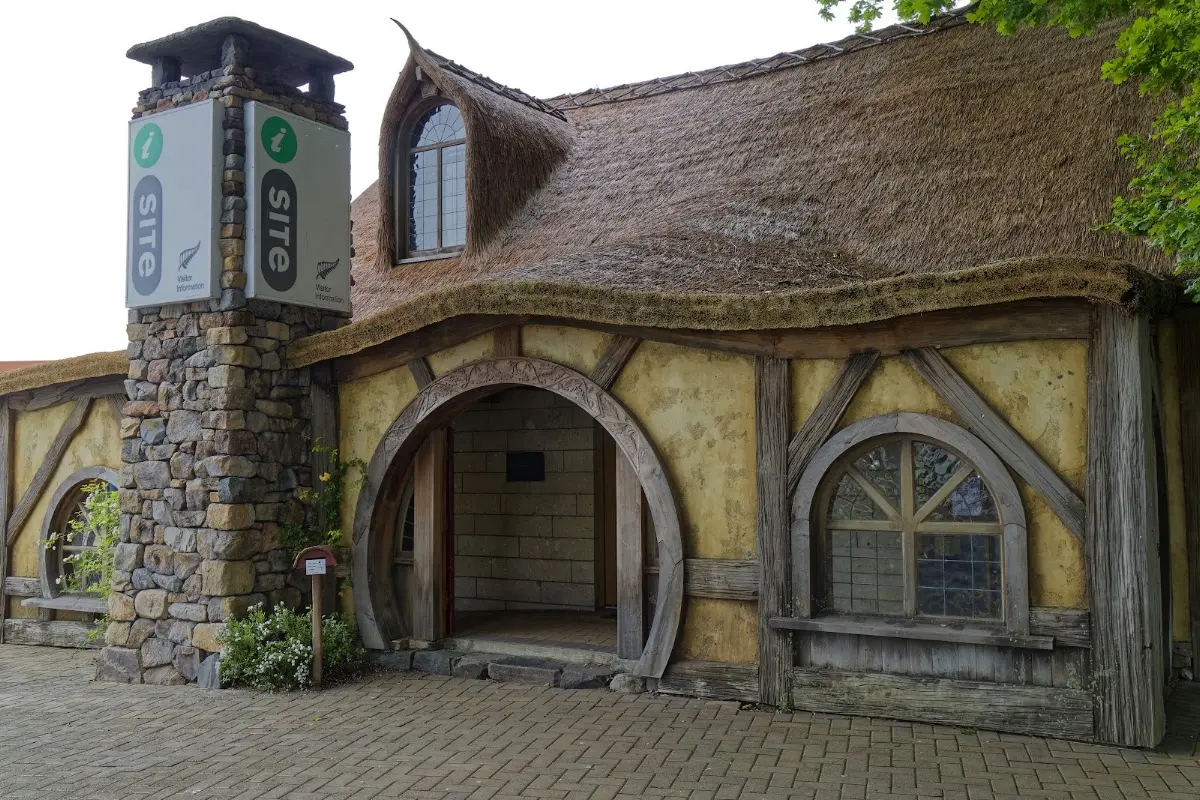
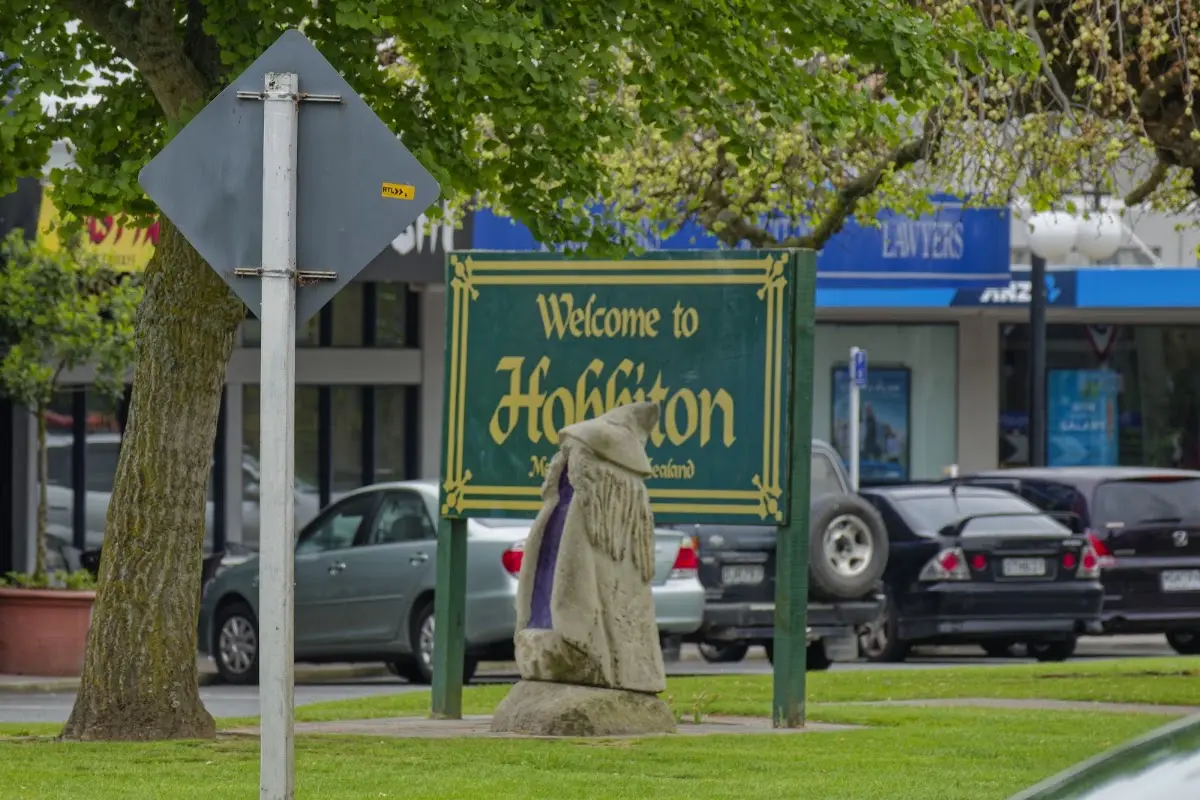
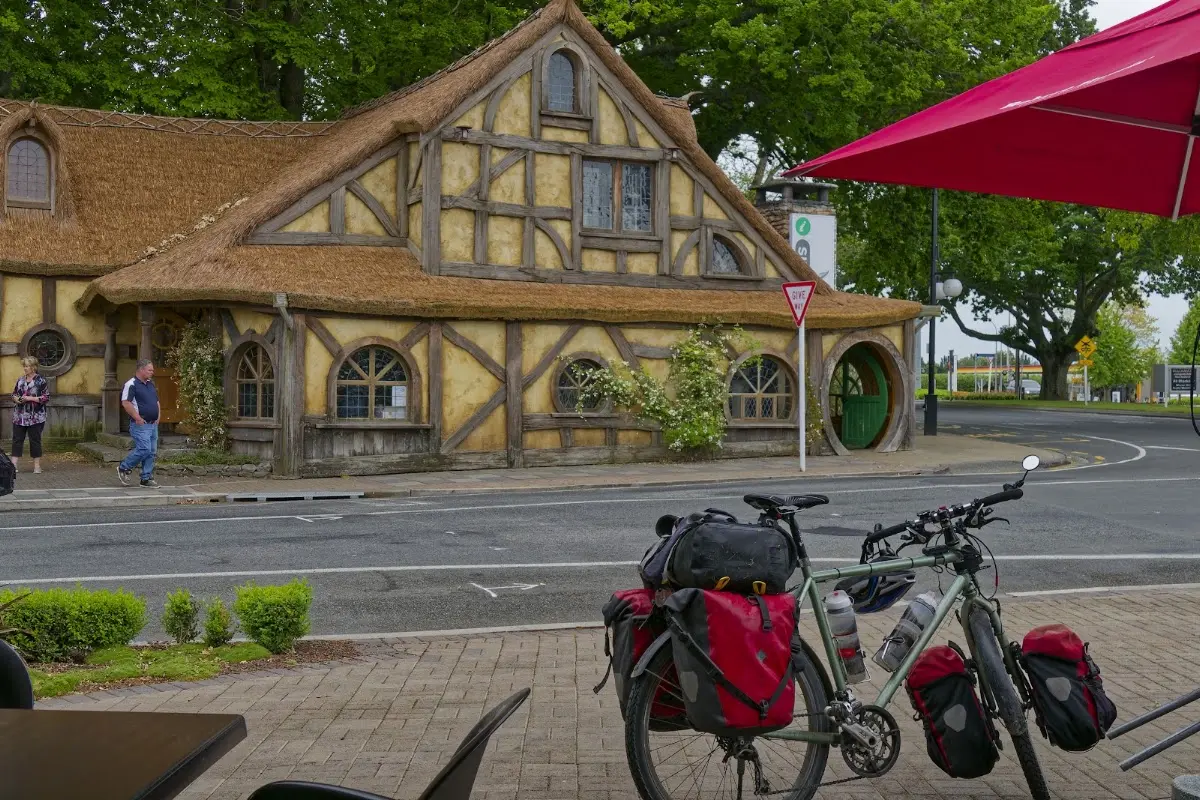
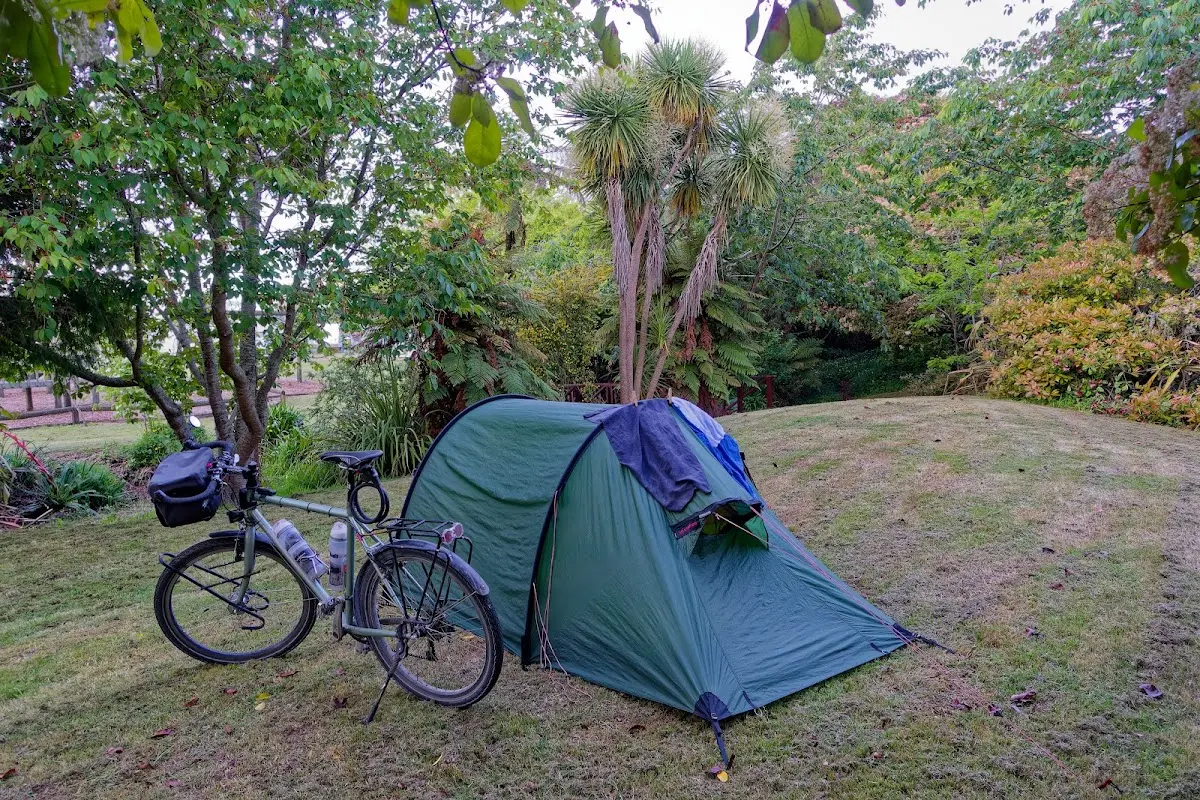
Through Matamata today, with Hobbiton on the way and coffee more or less opposite a Hobbit house. There was some Wi-Fi there too. The weather was cloudy with a few drops of rain, so I skipped the Te Waihou Blue Springs and instead climbed about 560 metres on the way to Rotorua. The campground at Holdens Bay had hot pools and a swimming pool, which was a pleasant reward at the end of the day. Today: 112 km in 5 hours 20 minutes.
Matamata
Matamata is a farming town in the Waikato, but for many visitors it is now above all associated with Hobbiton, the film set created for The Lord of the Rings and The Hobbit. The surrounding green hills turned out to be ideal for Peter Jackson’s version of the Shire, and the site has since become one of New Zealand’s best-known film-related attractions.
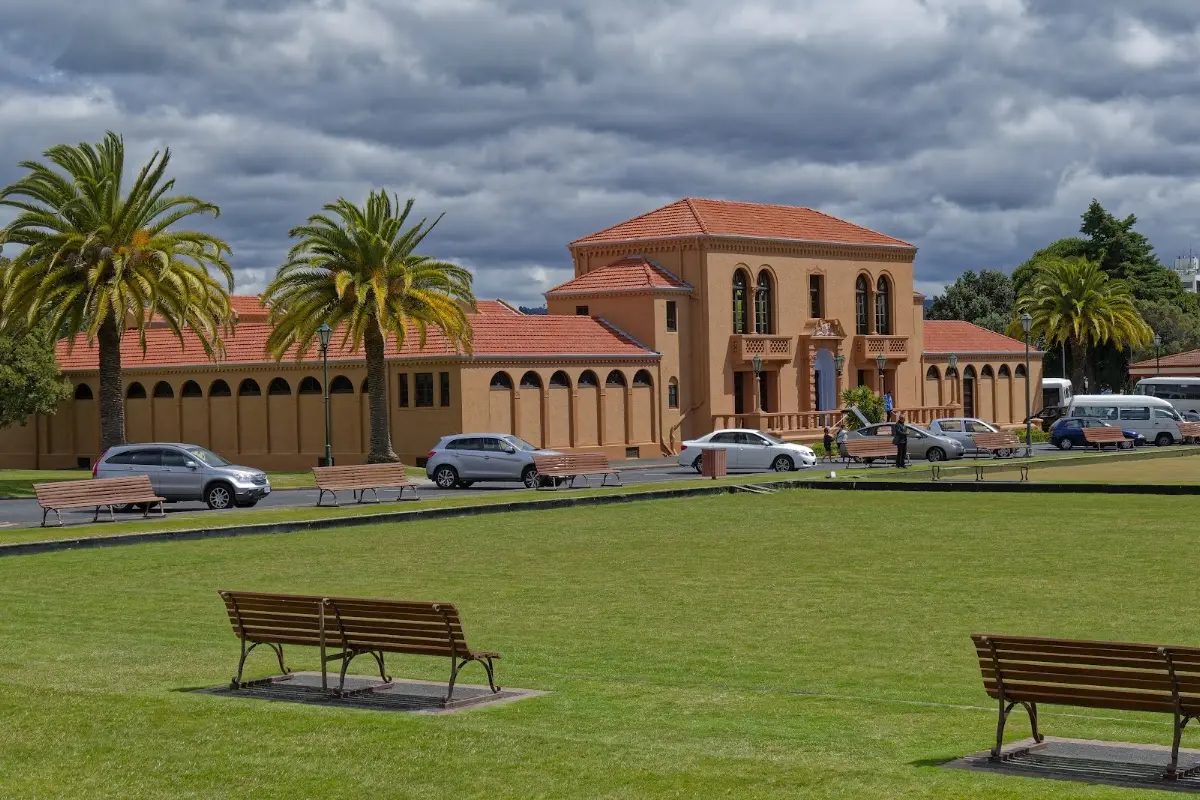
Rotorua
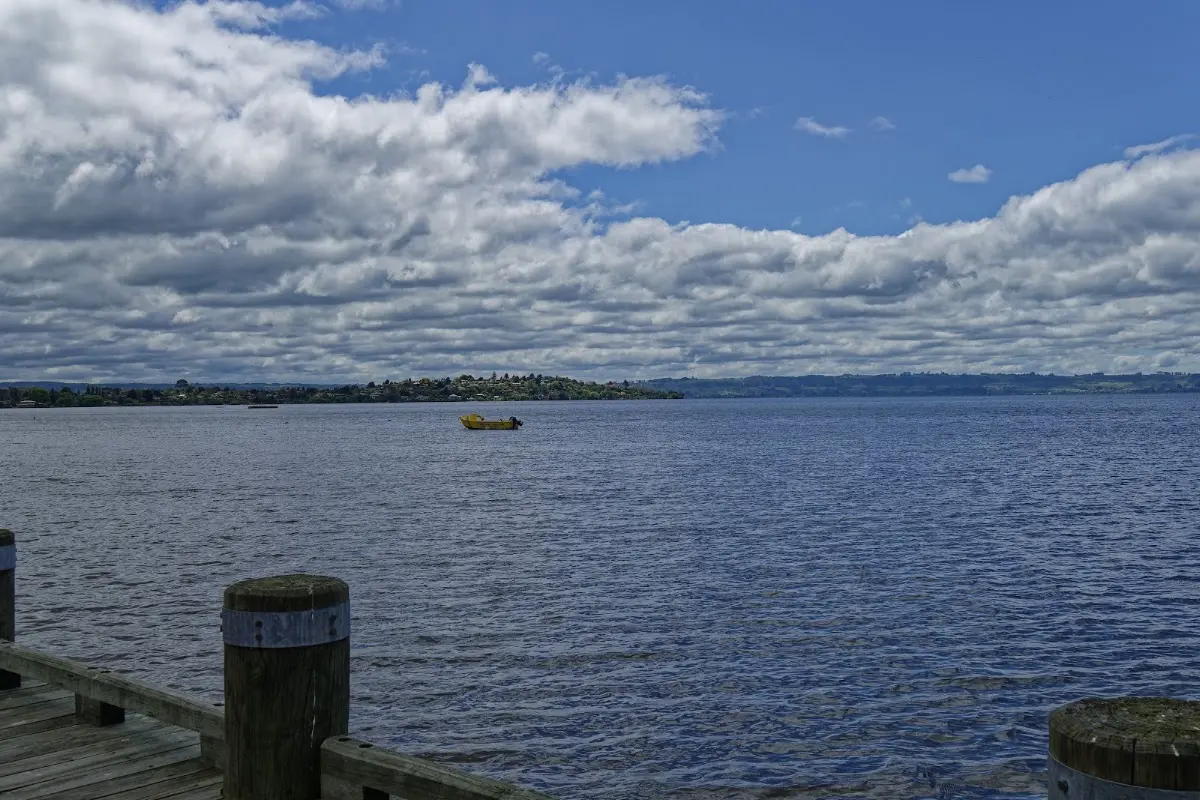
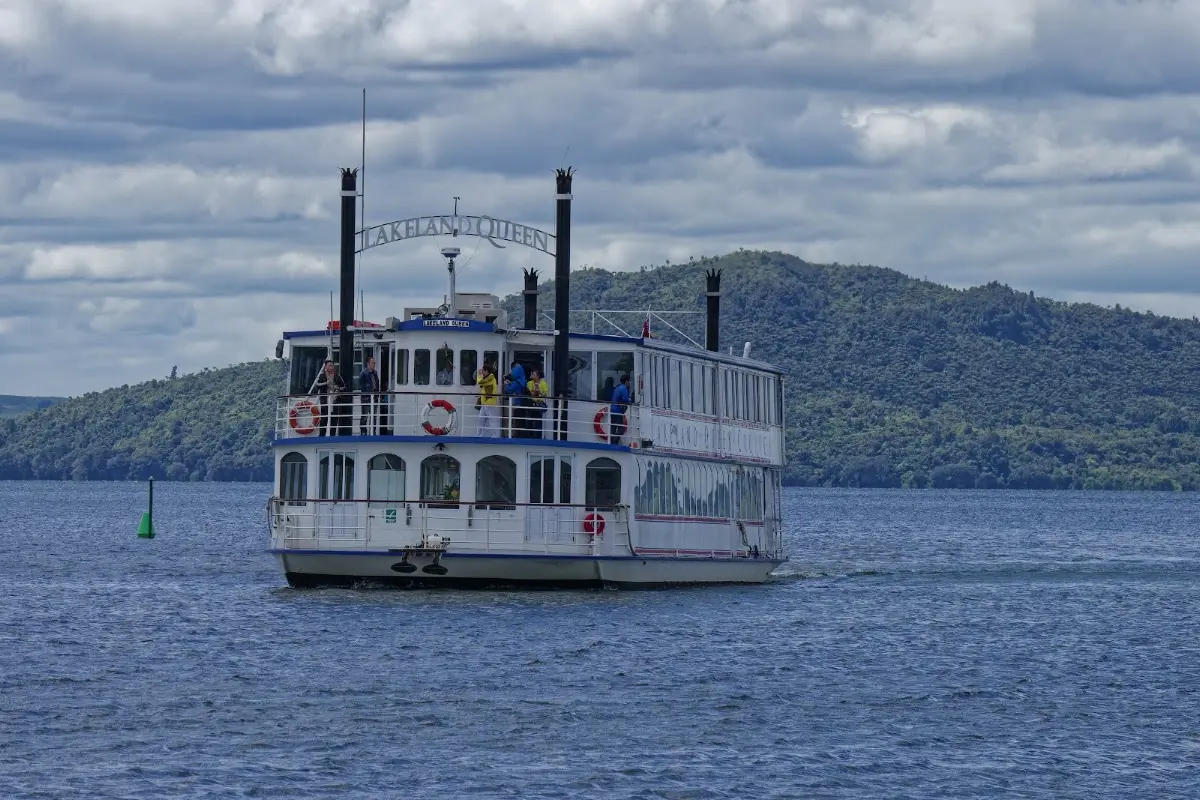
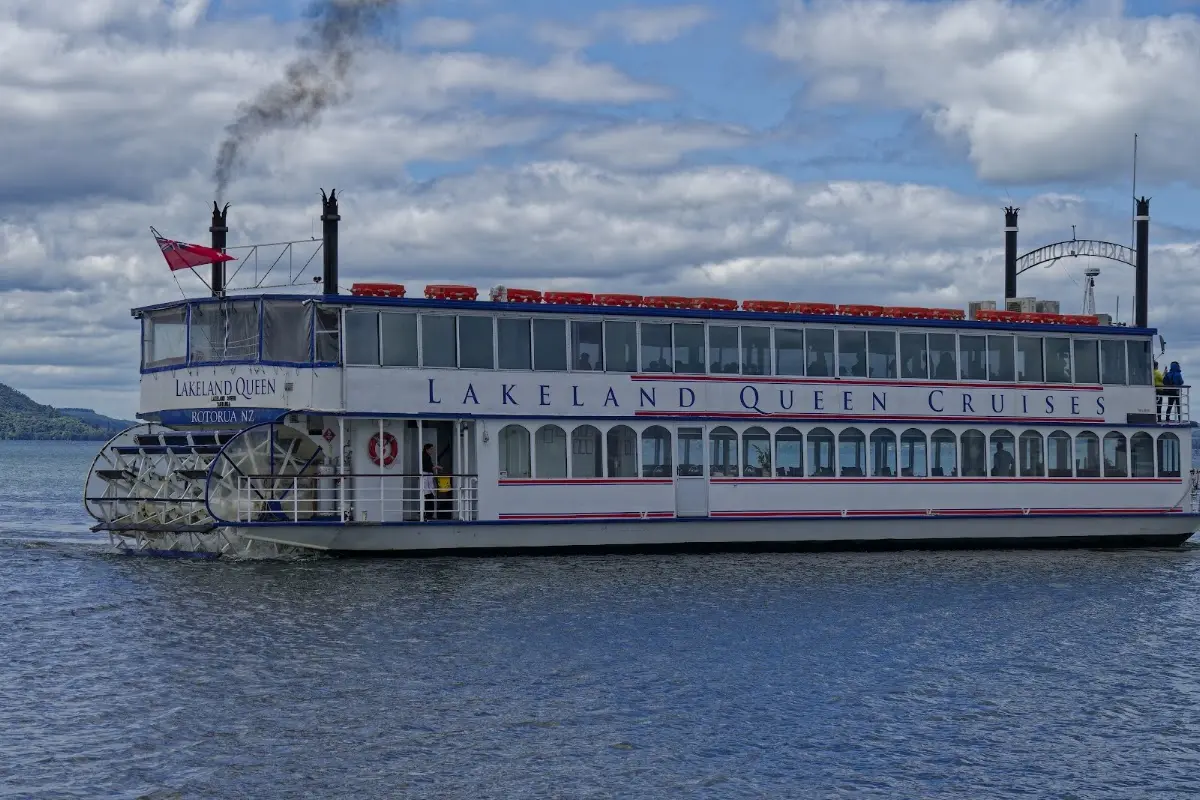
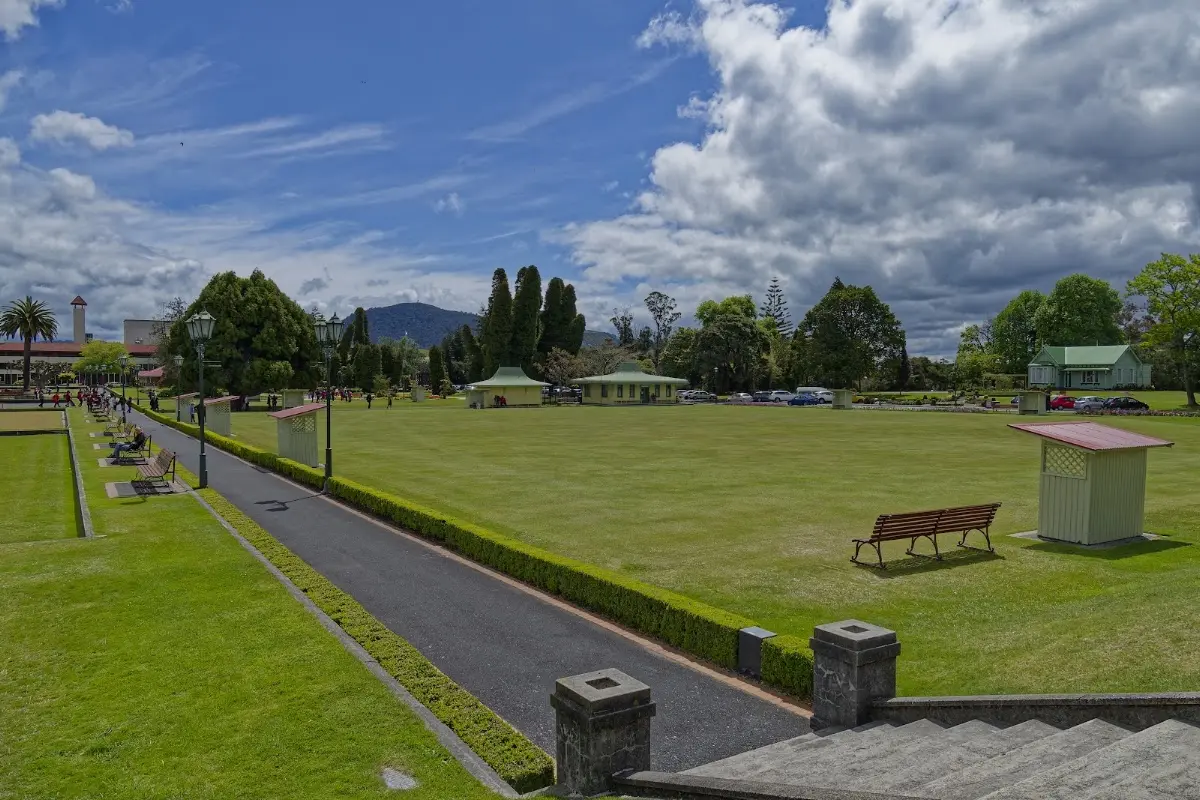
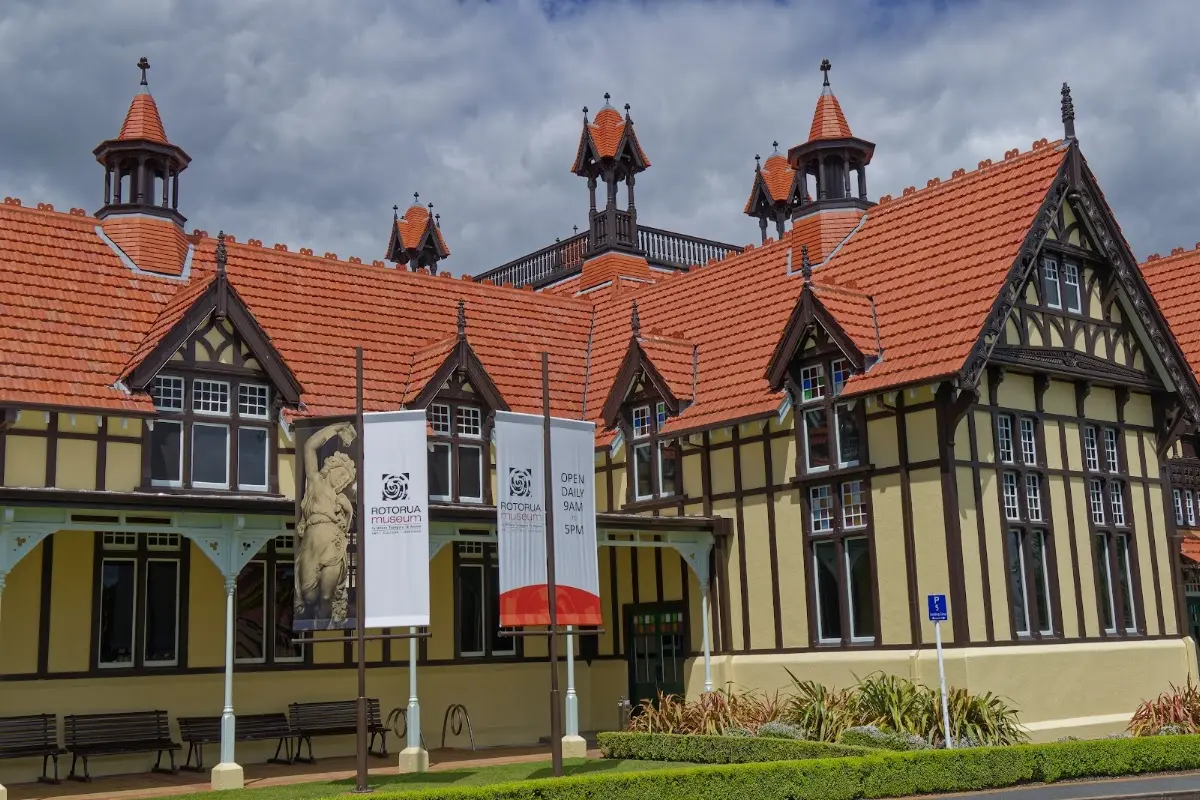
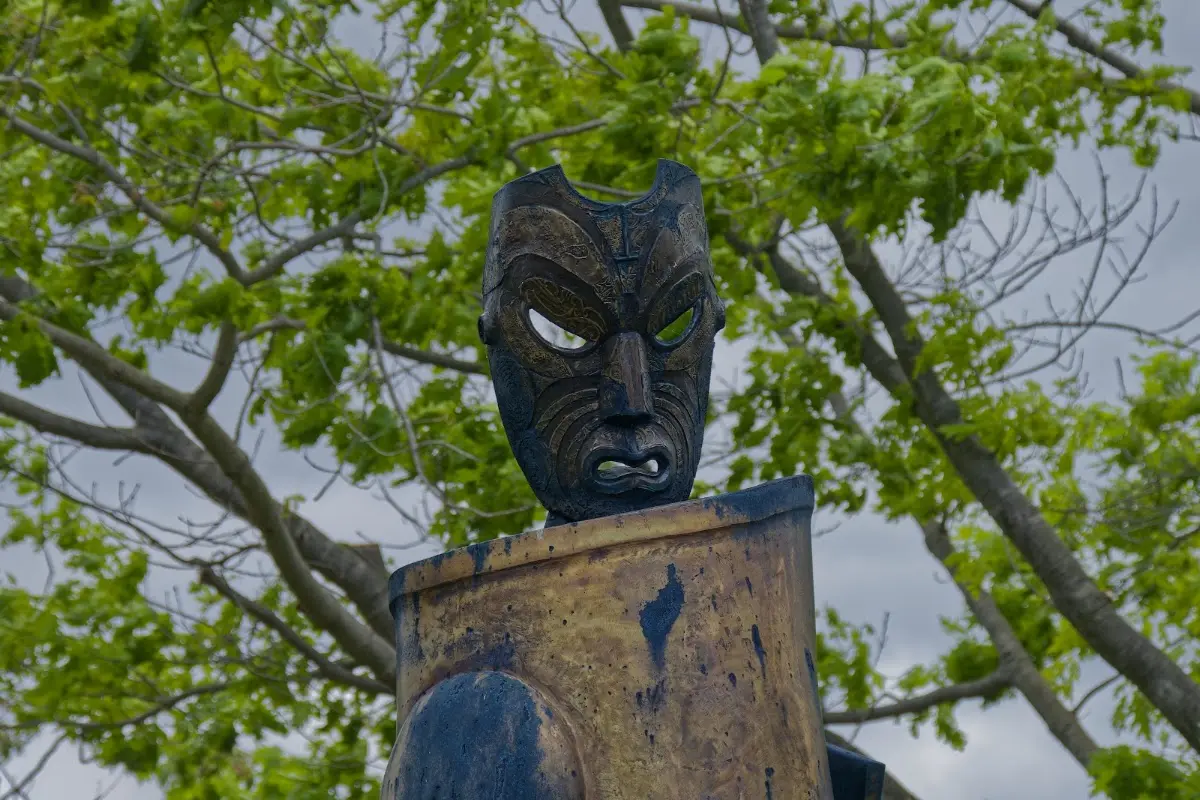
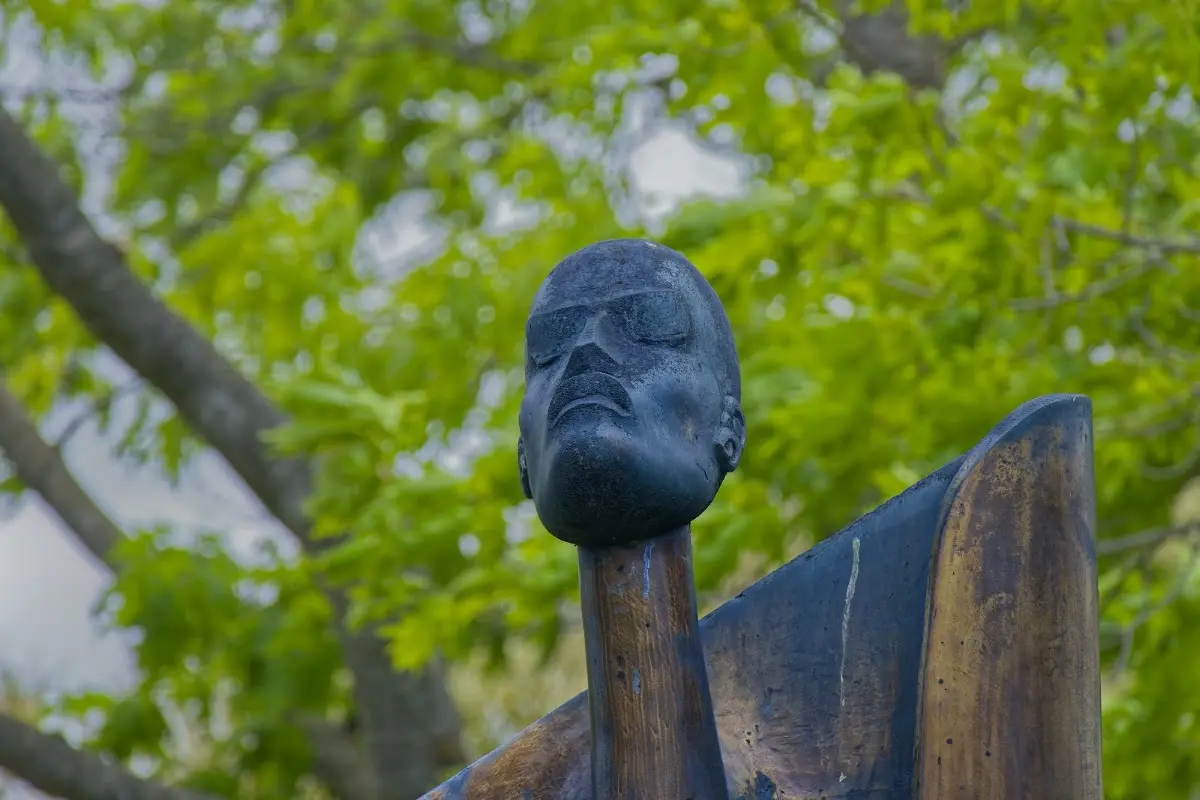
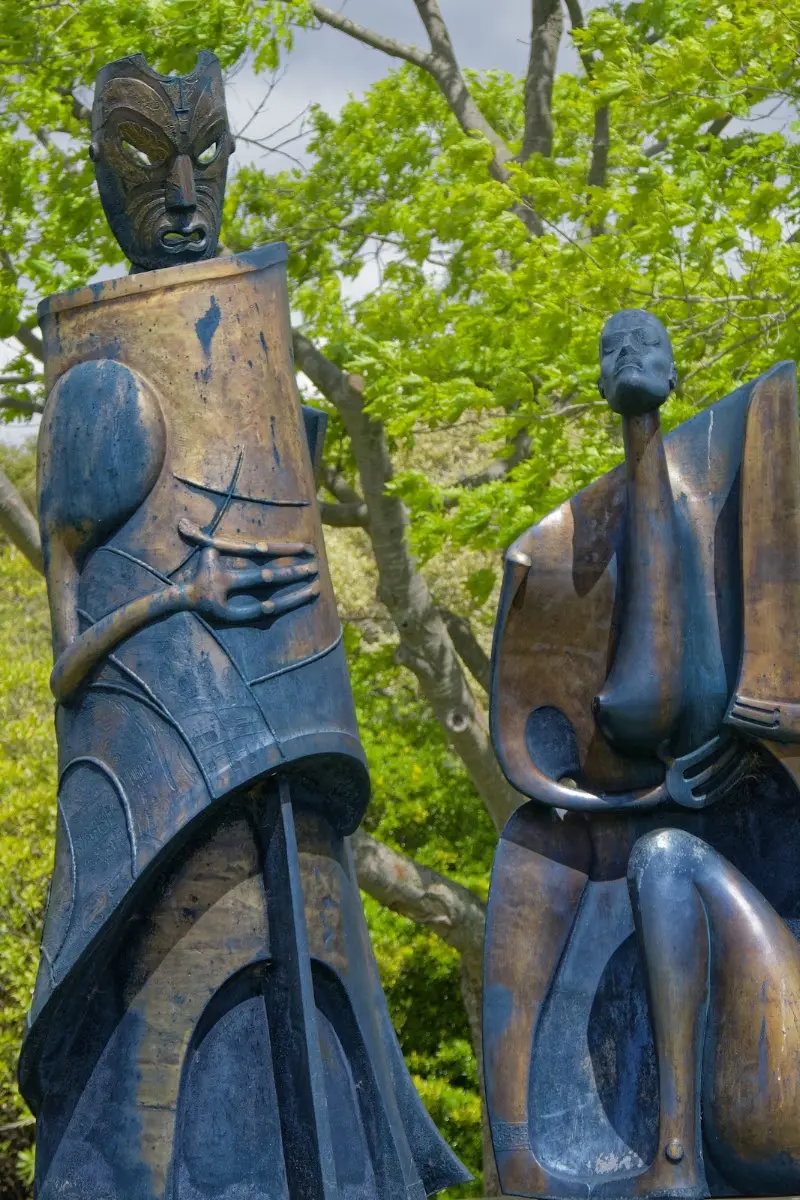
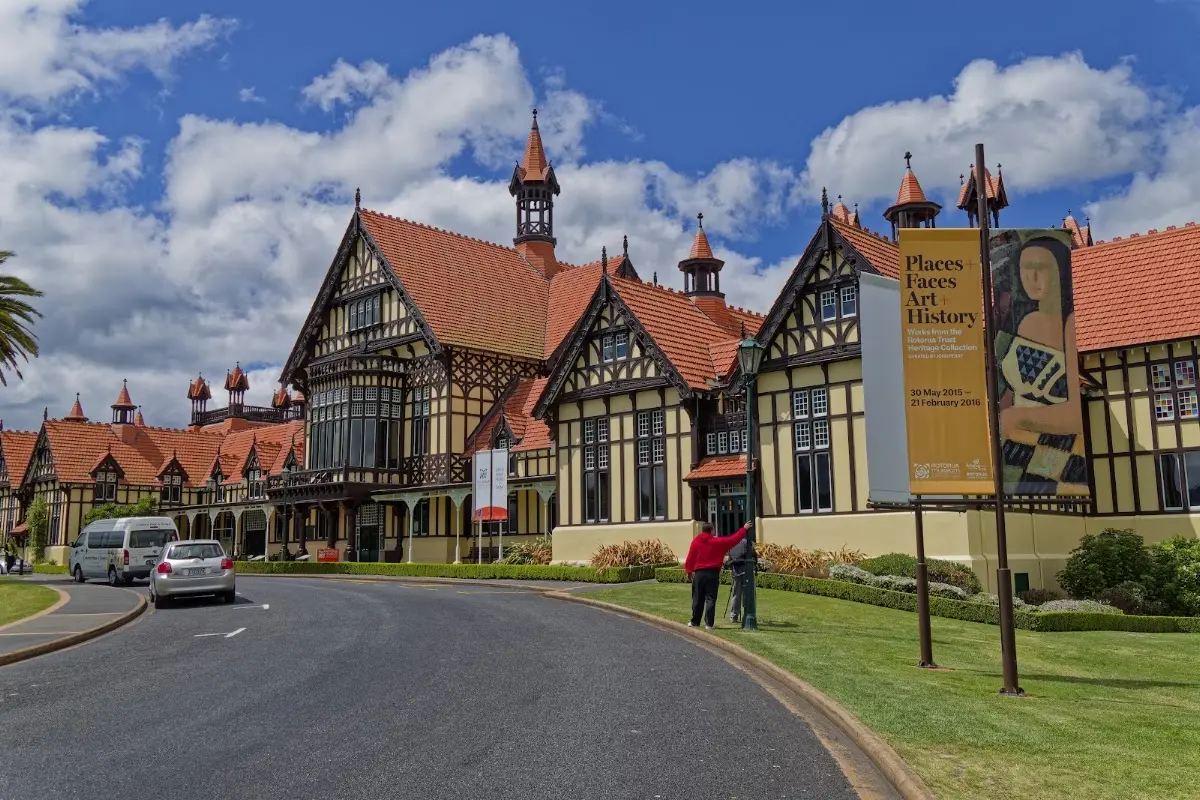
Rotorua is one of New Zealand’s most distinctive towns, known for its geothermal activity and strong Māori cultural presence. Built beside Lake Rotorua, it is famous for geysers, mud pools, sulphur smells, and the long history of tourism built around these volcanic features. European development turned it into a spa town in the 19th century, but the area had long been important to Te Arawa Māori, whose presence remains central to Rotorua’s identity today.
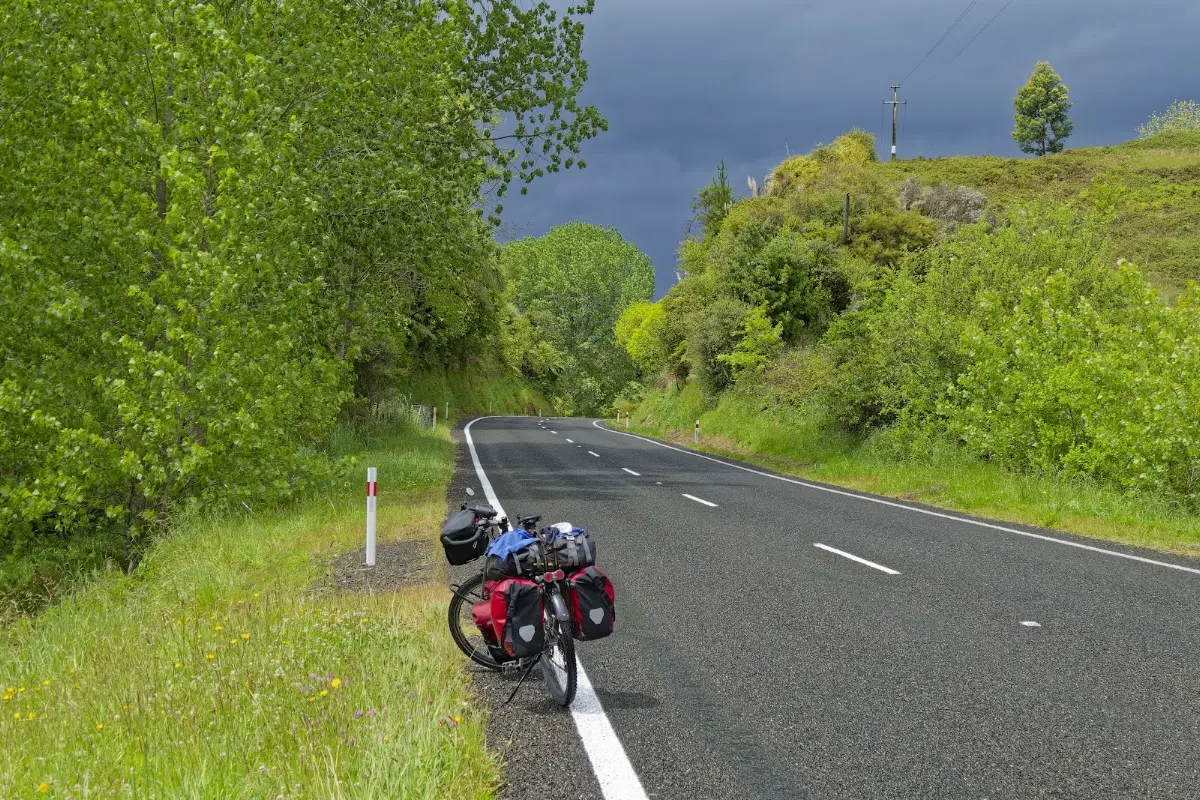
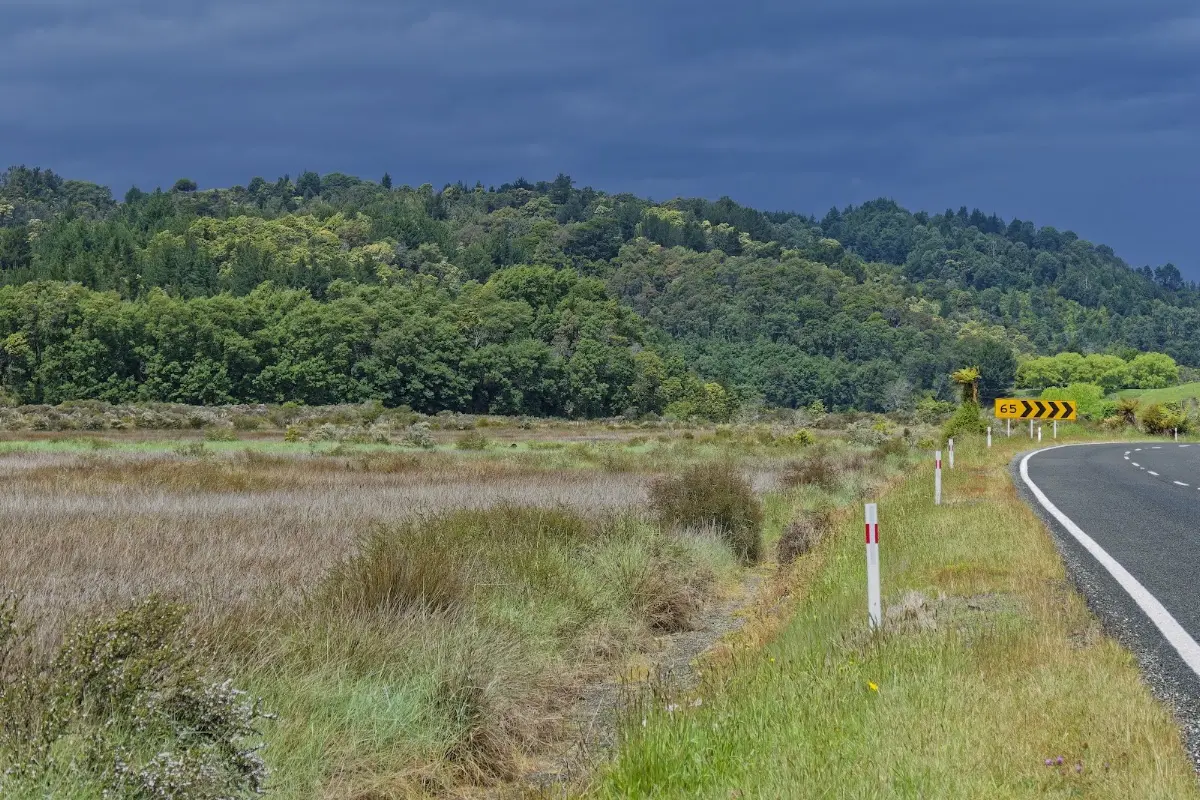
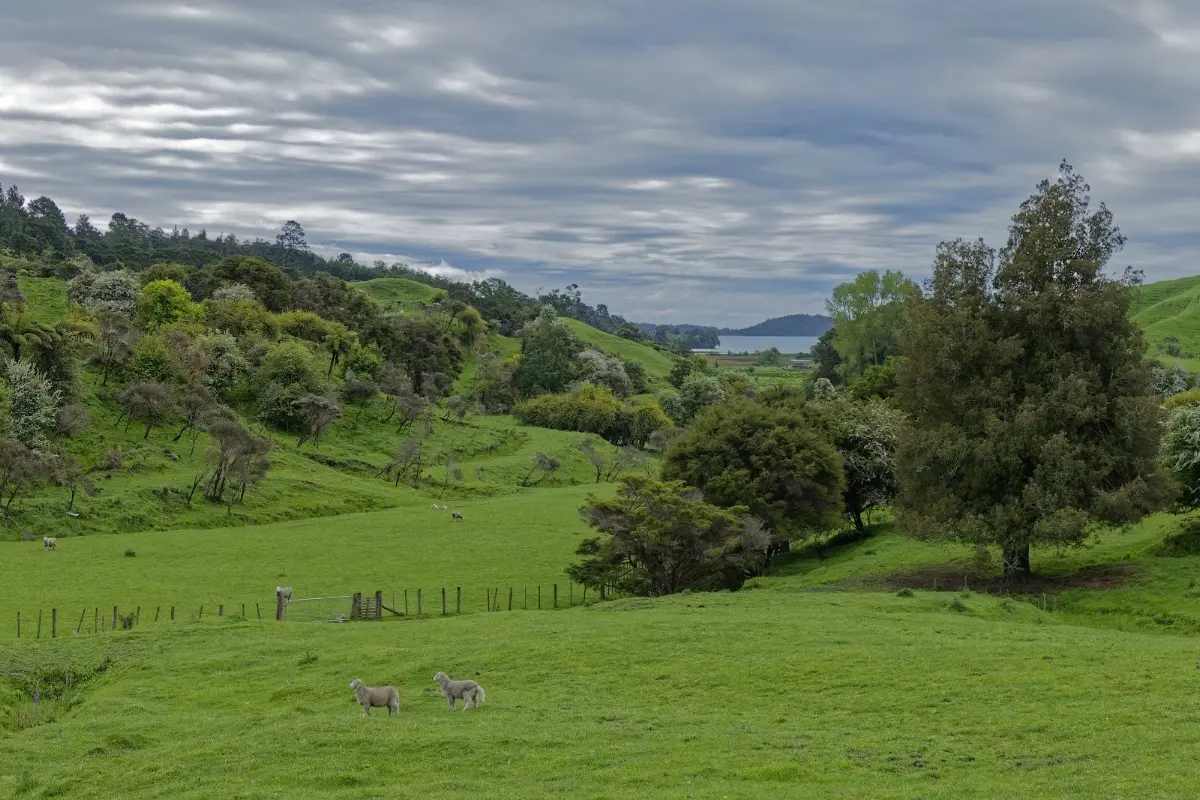
I rode a route I had already done in 2011, this time in pouring rain, past several lakes and on through Awakeri Hot Springs and Whakatāne to Ōpōtiki. Coffee and a sandwich for lunch helped a bit. The campground was crowded, full of German work-and-travel tourists. I still have not met many touring cyclists — perhaps only five to ten in the last couple of weeks. Today: 135.7 km in 6 hours 37 minutes.
Whakatāne
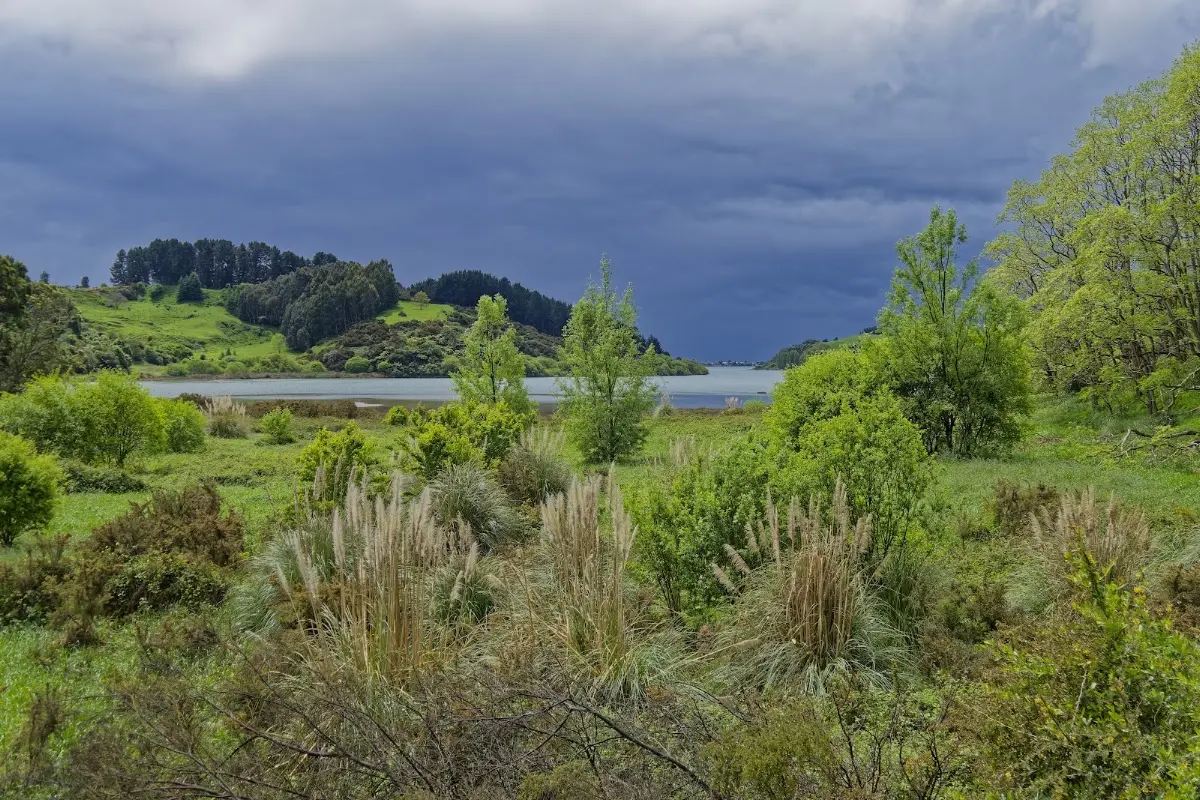
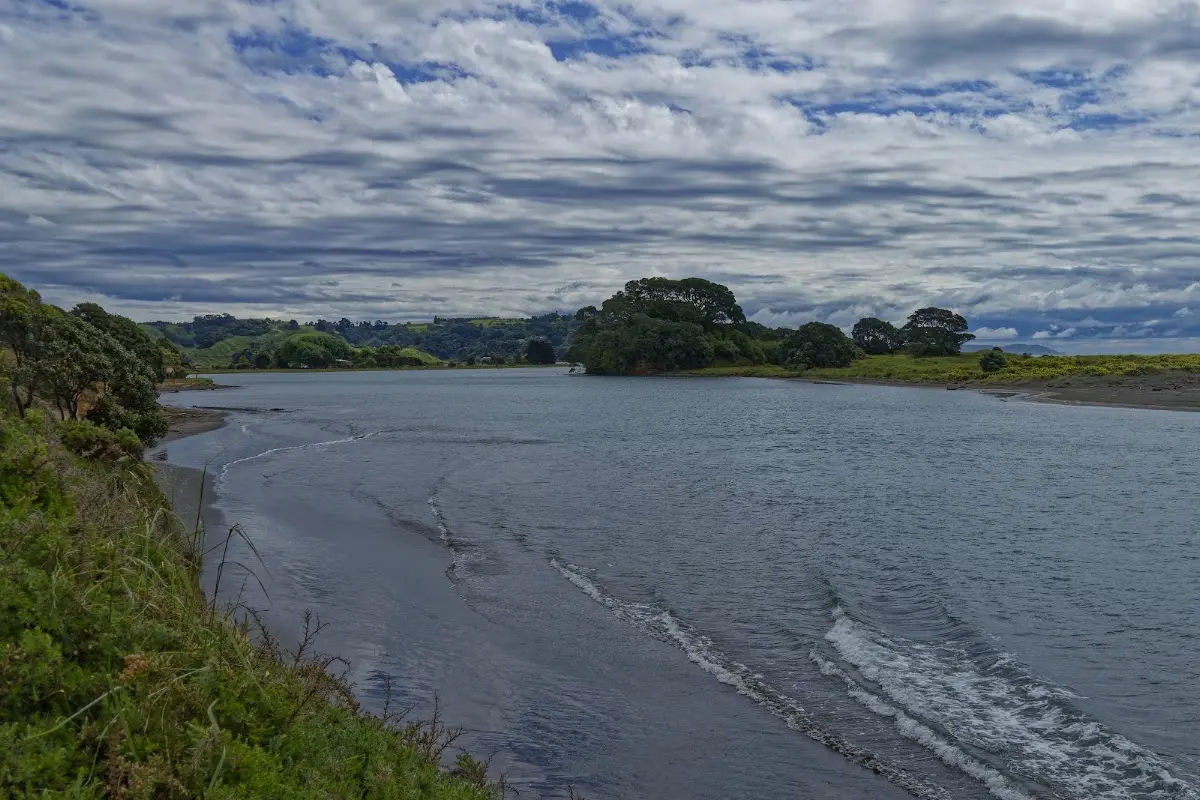
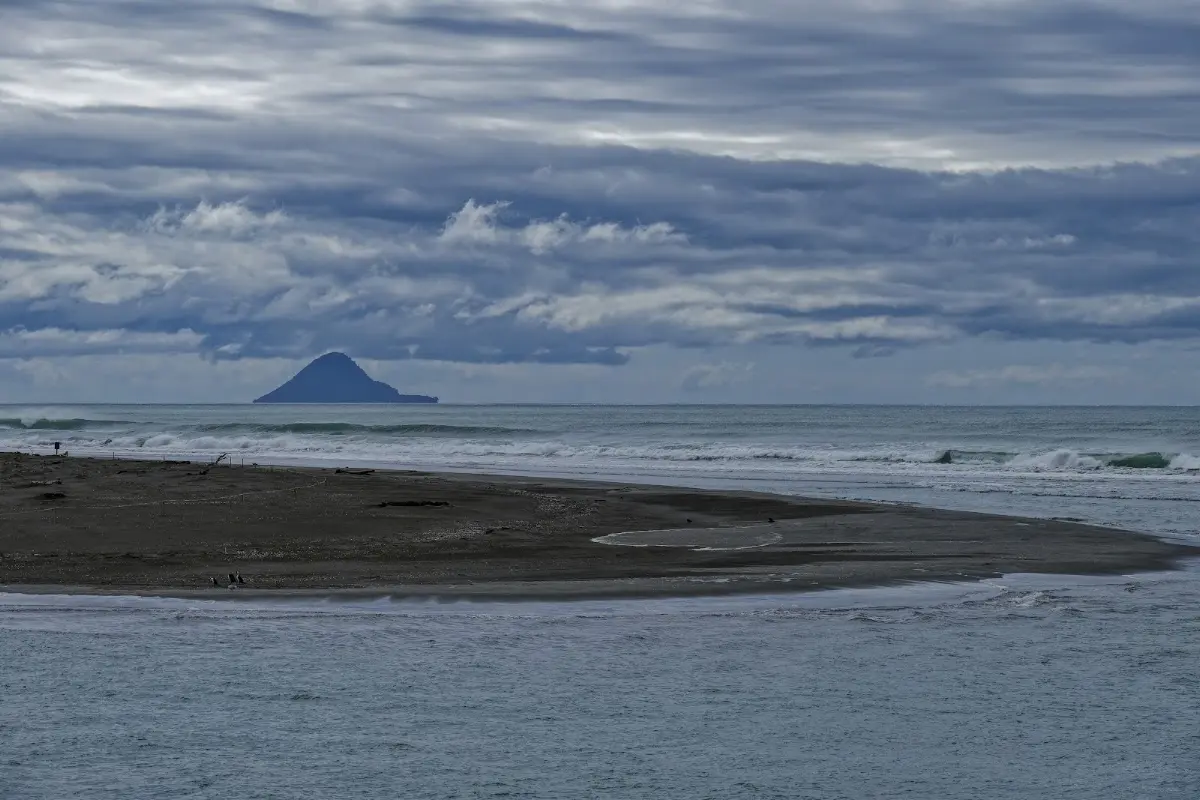
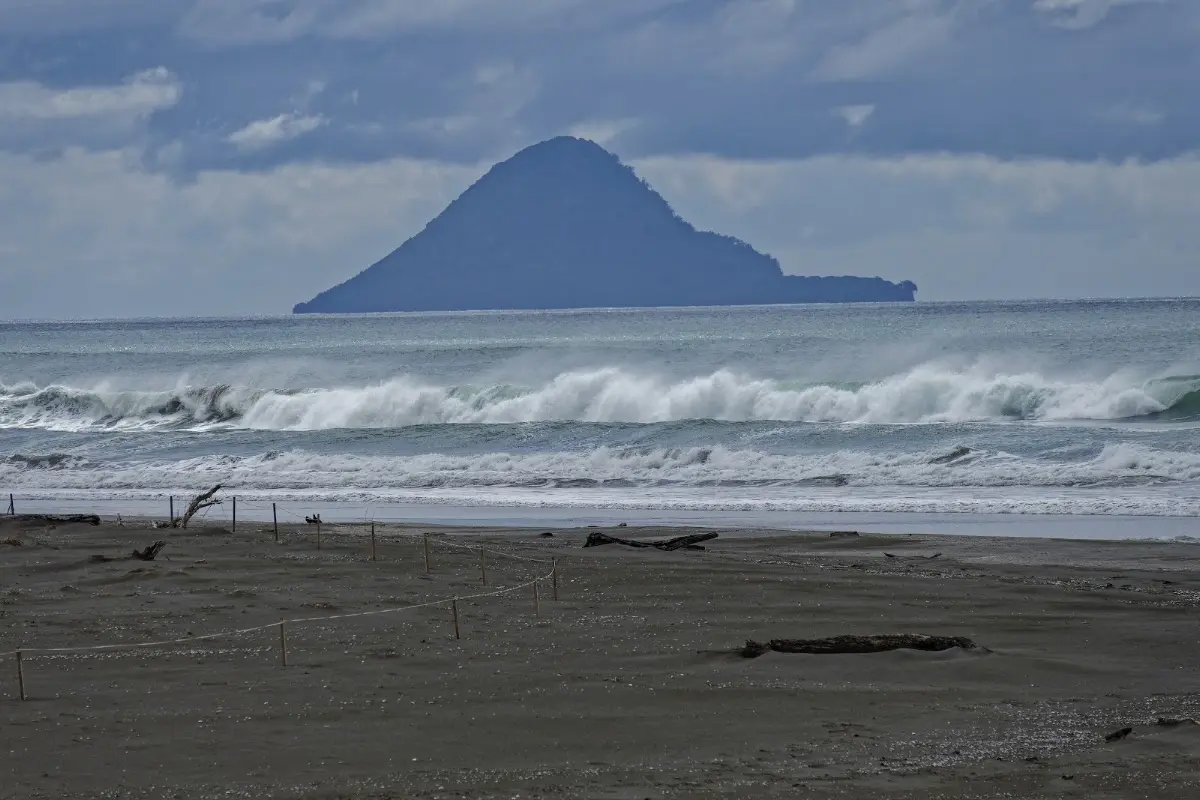
Whakatāne lies at the mouth of the Whakatāne River and is one of the main towns of the Bay of Plenty. Its Māori history is strong and visible, especially in the tradition of Wairaka, whose name is closely linked to the town. Today it serves as a regional centre and as a gateway to the eastern Bay of Plenty

Ōpōtiki
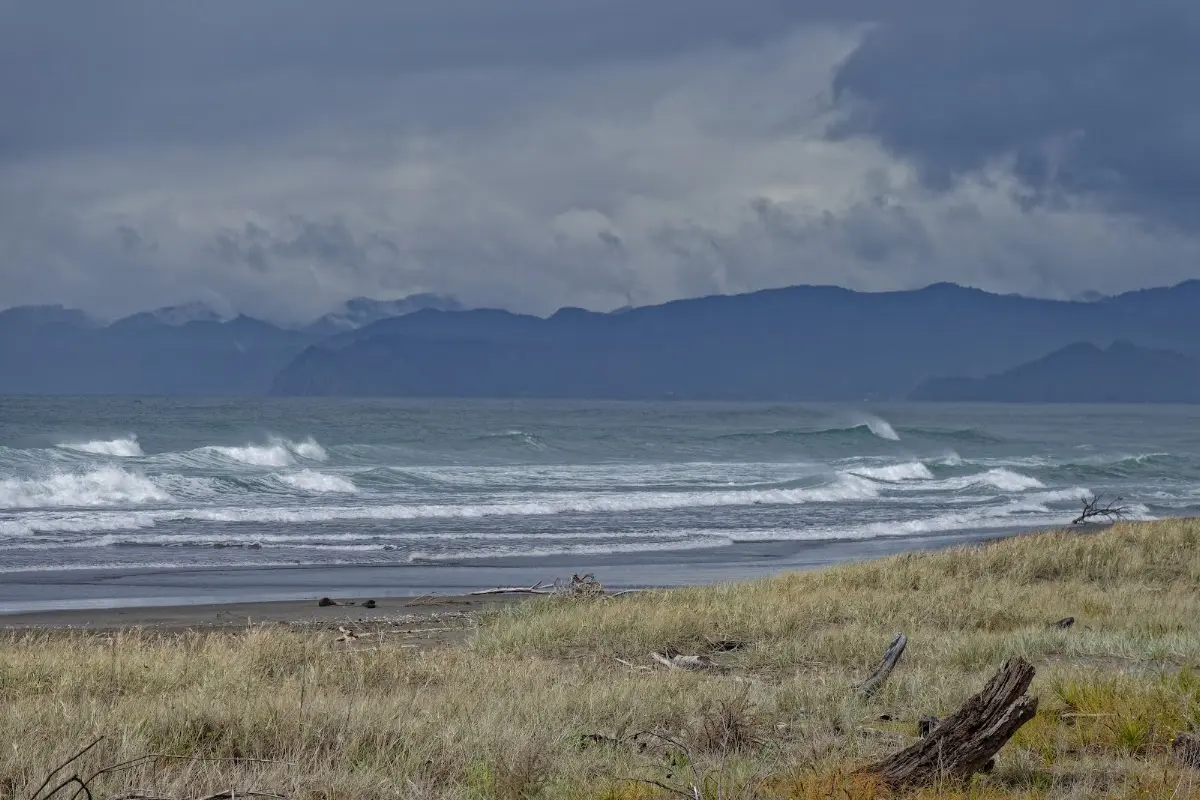
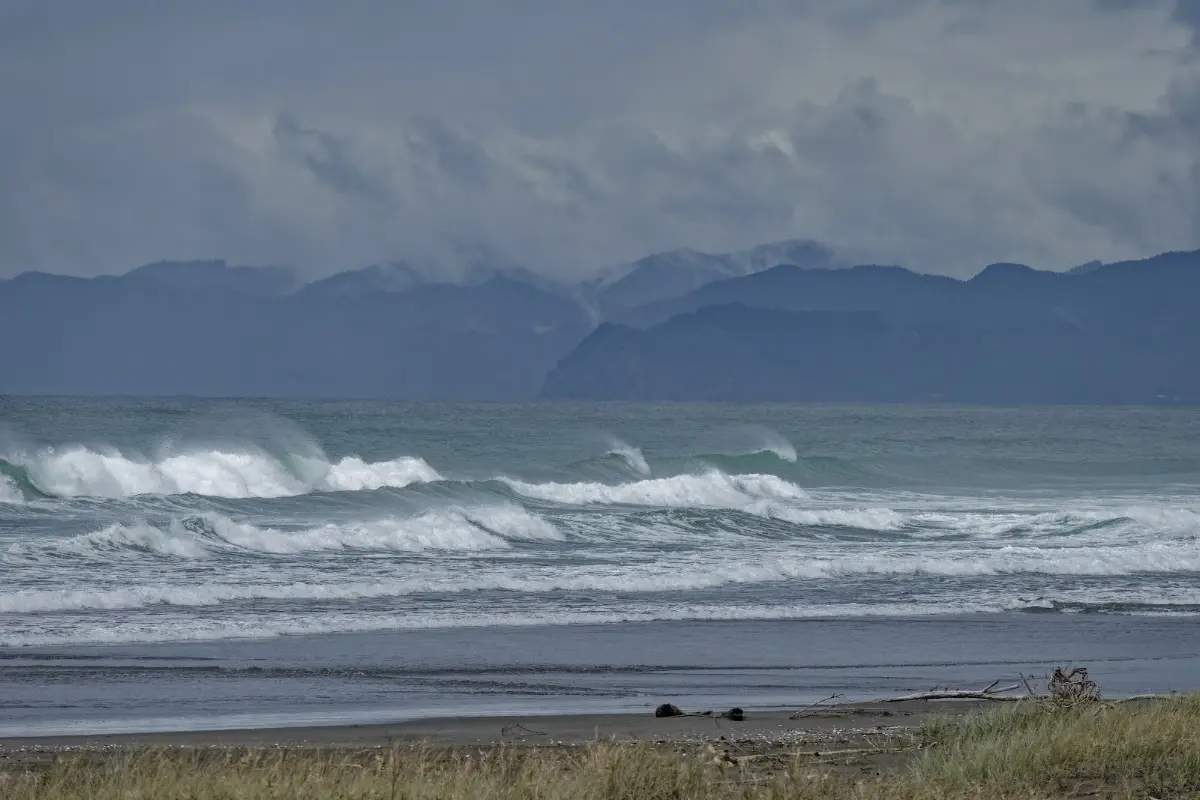
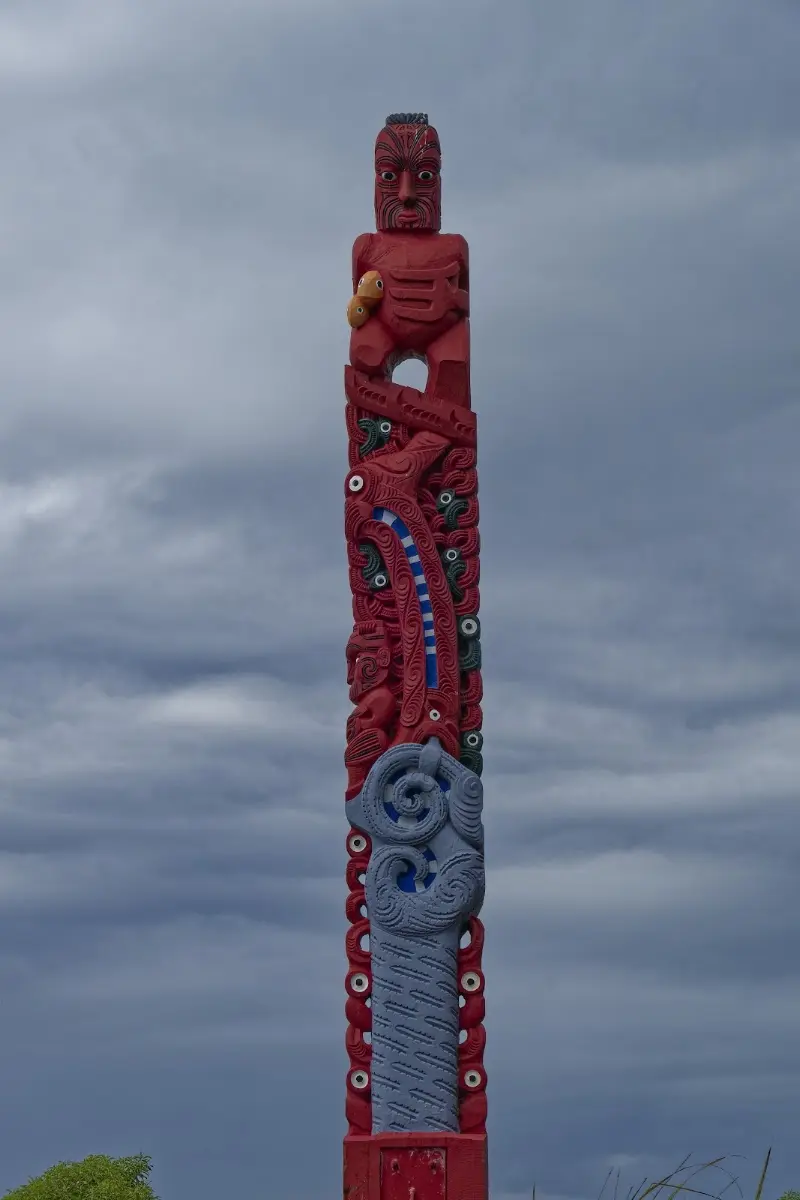
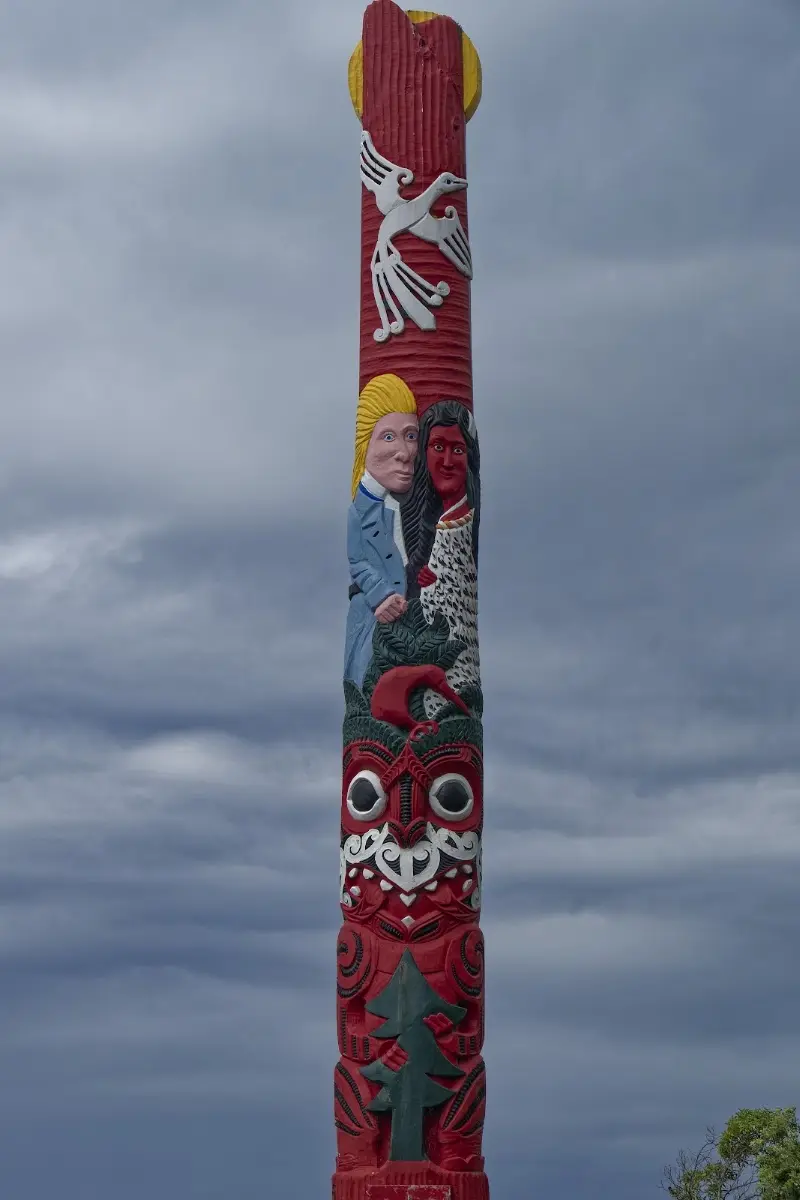
Ōpōtiki is the easternmost main town of the Bay of Plenty and has long served as a regional centre for the surrounding rural district. Historically important to Te Whakatōhea and later shaped by missionary activity, conflict, and farming, it is today a practical service town and a natural stopping point before the route turns more remote along the East Cape.