Biking and Hiking New Zealand - 06 East Cape
From here on it will be lonely. I reached Te Araroa today. In the afternoon there was a very strong wind from the south. I hope it stops by tomorrow, because tomorrow I have to ride south all day.
Tōrere and Omaio
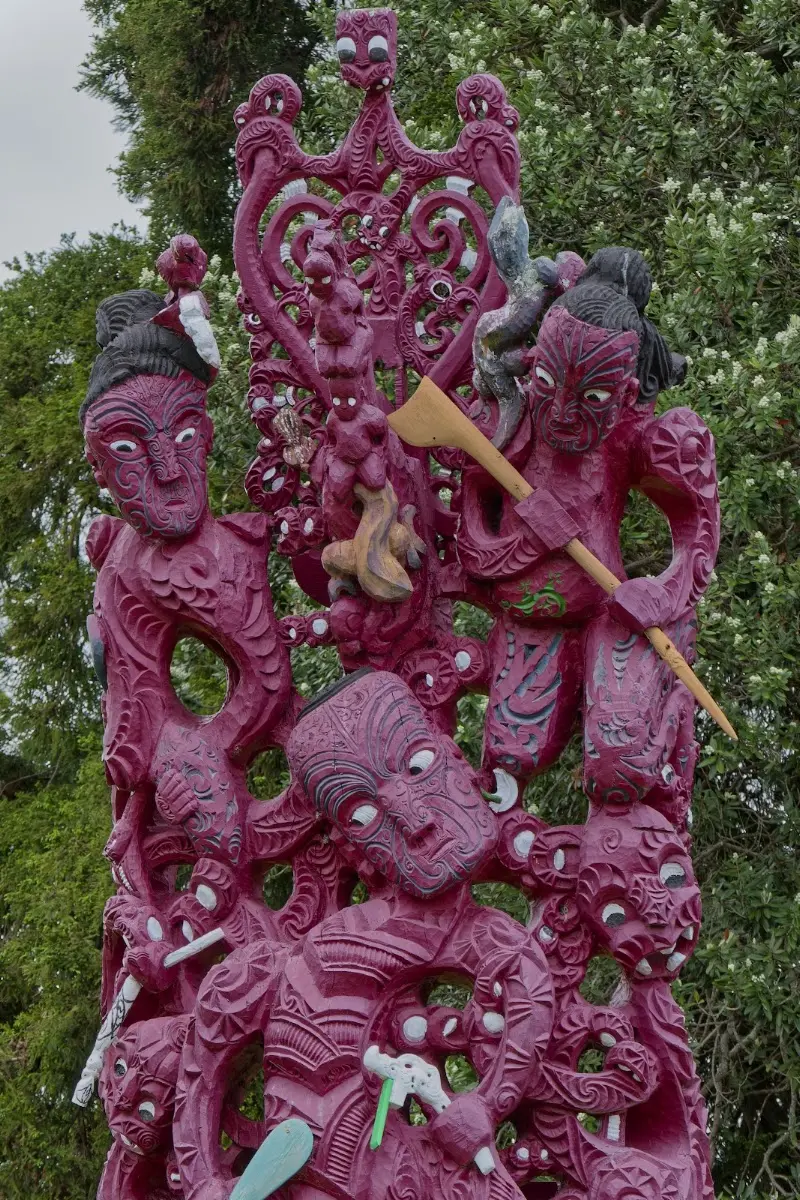
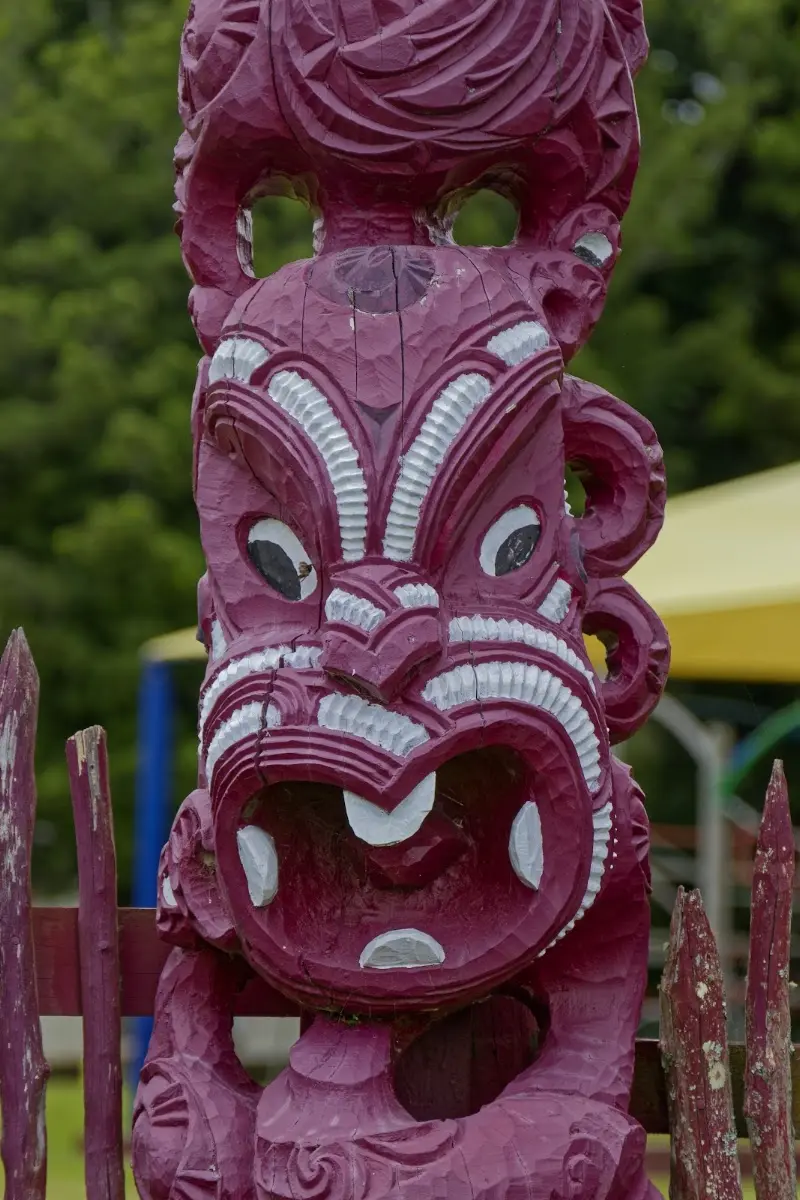
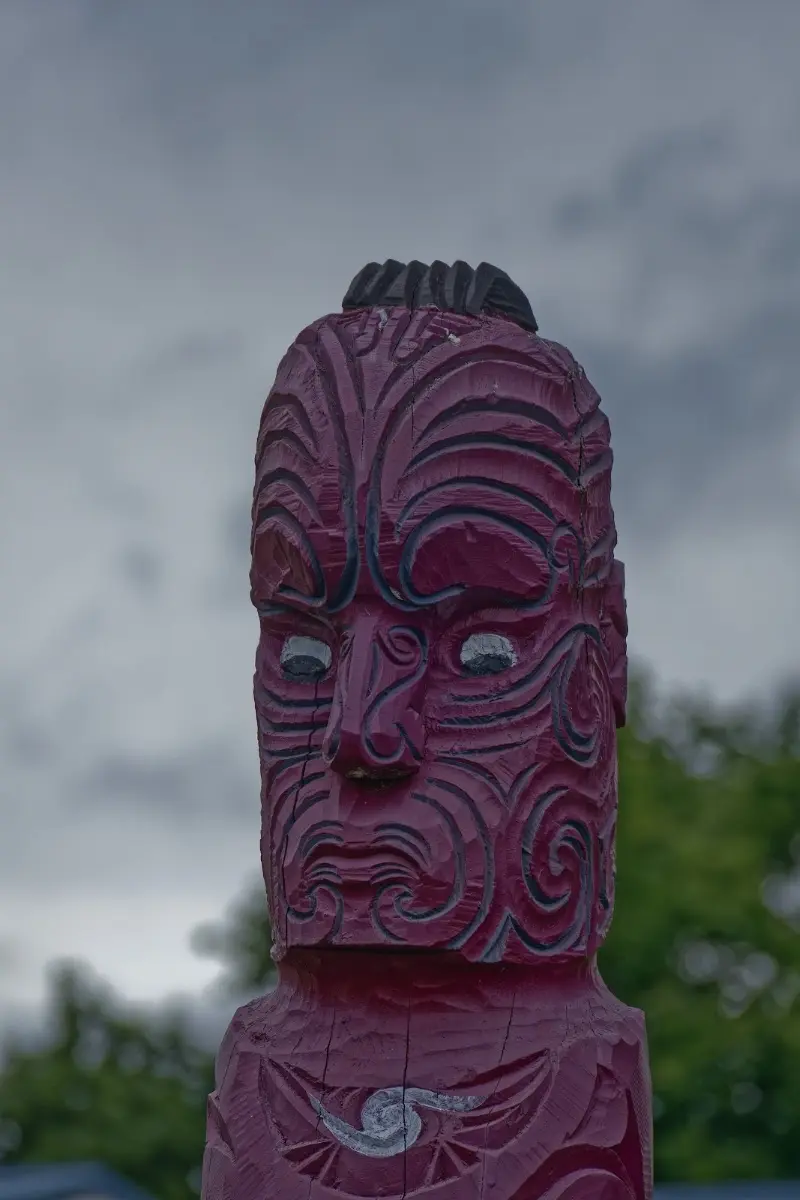
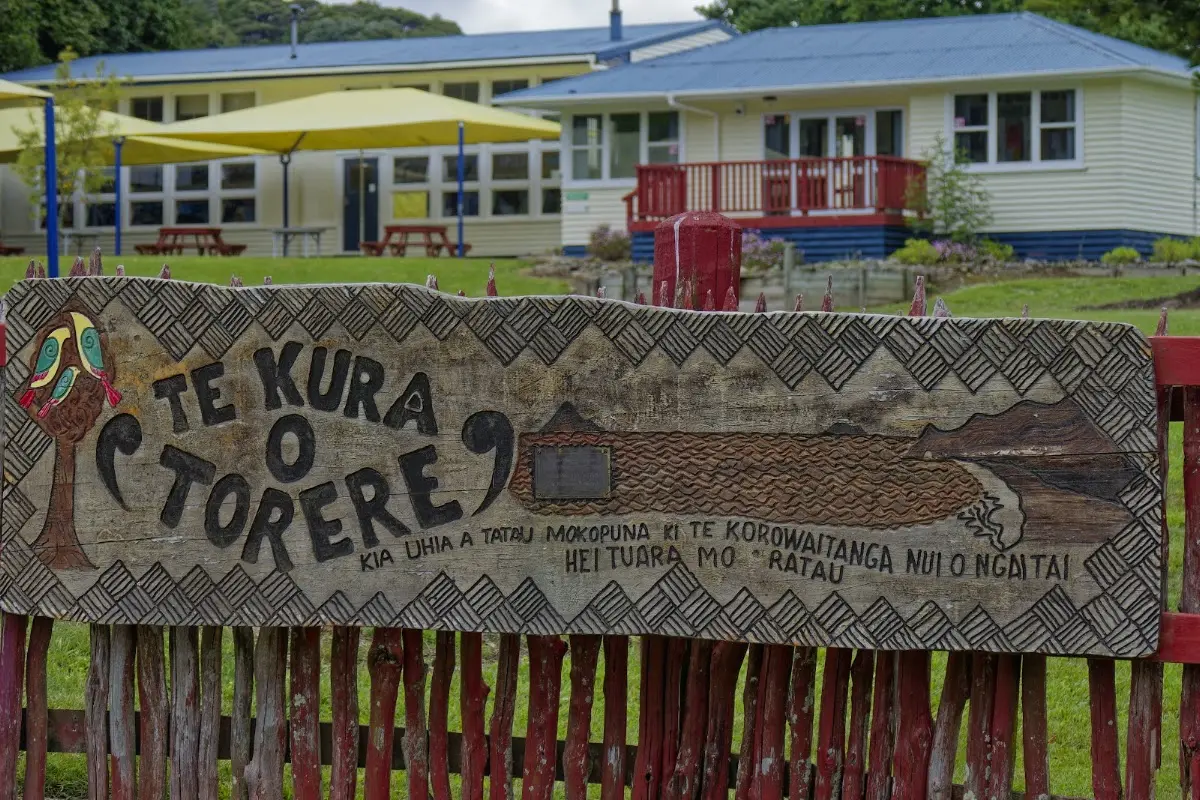
Small settlements such as Tōrere and Omaio show the distinct character of the East Cape route: Māori coastal communities, marae, scattered farms, and long stretches with very little traffic or development. This part of the North Island feels far more remote than the regions farther west and south, and the road runs through places where local identity and iwi history remain especially visible.
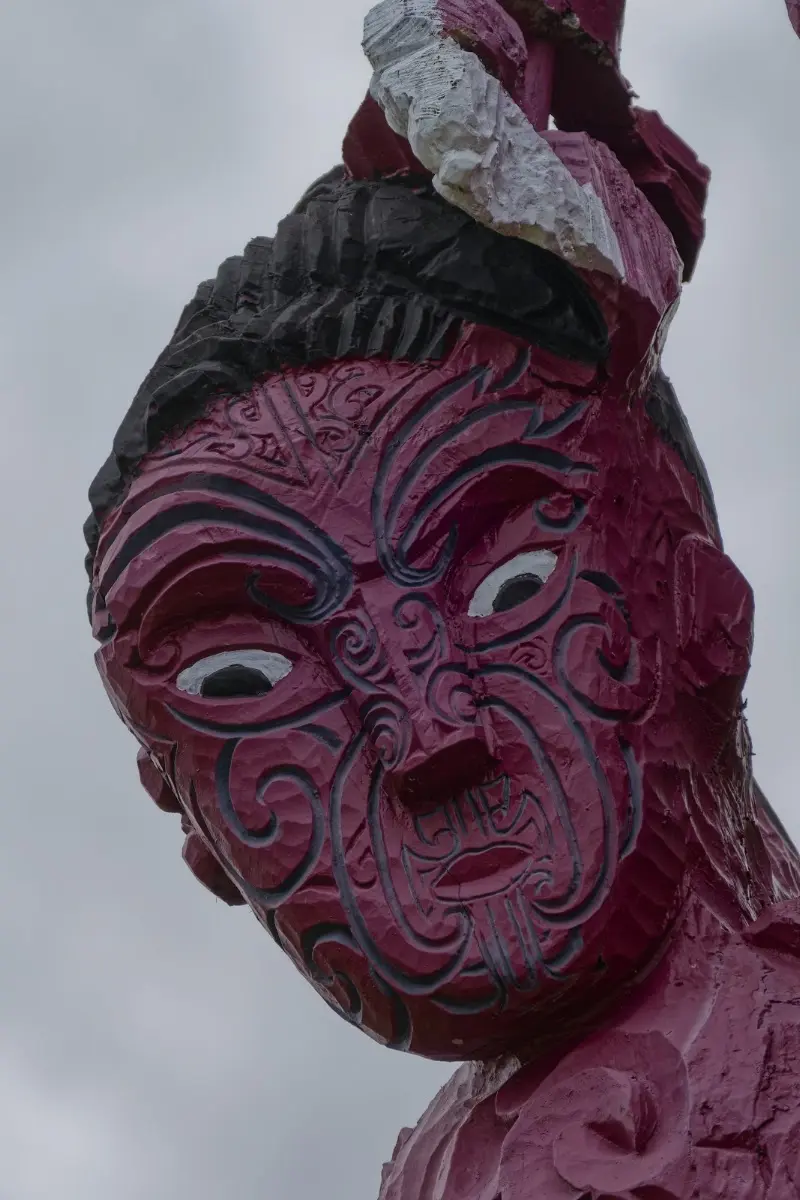
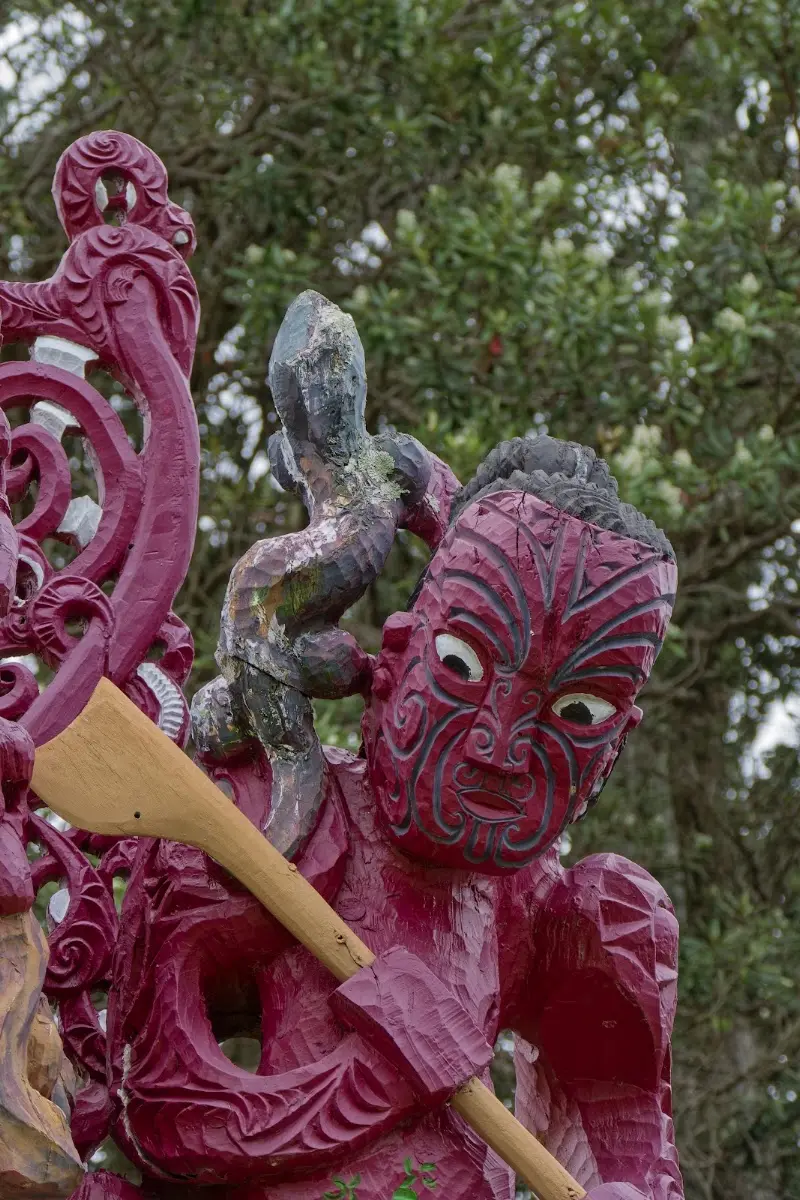
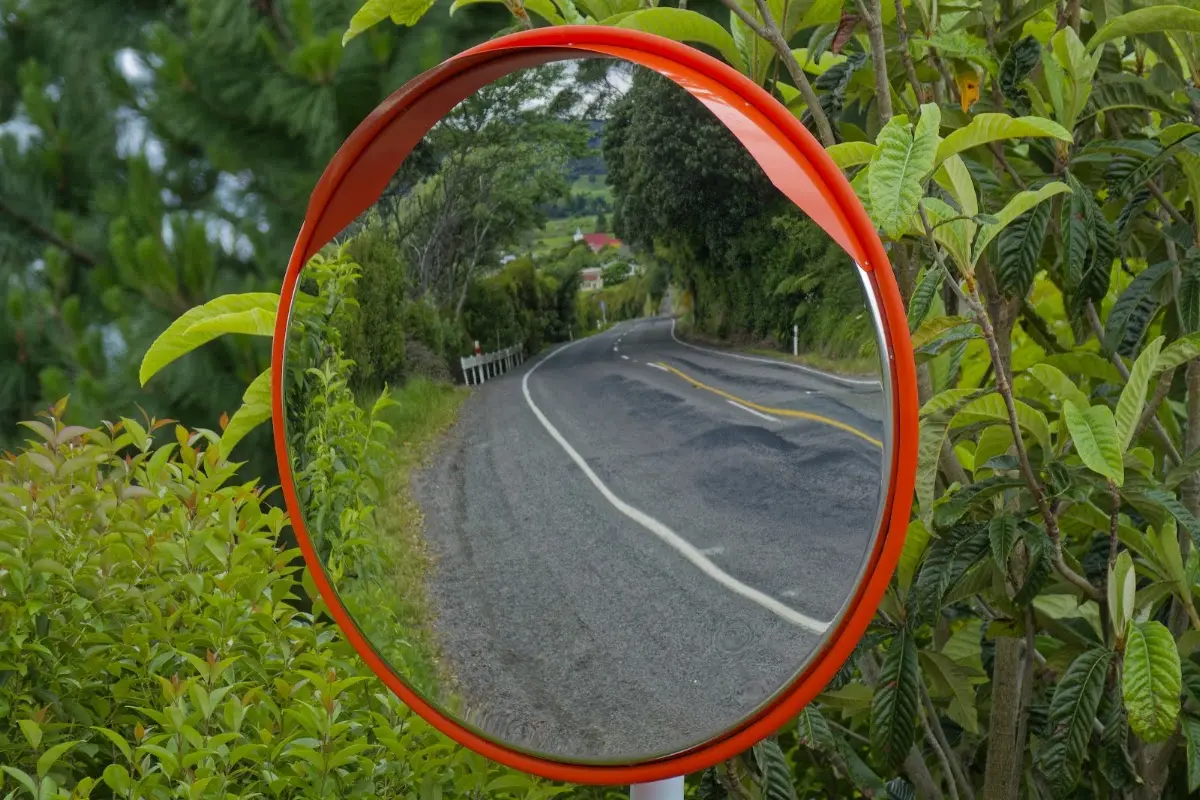
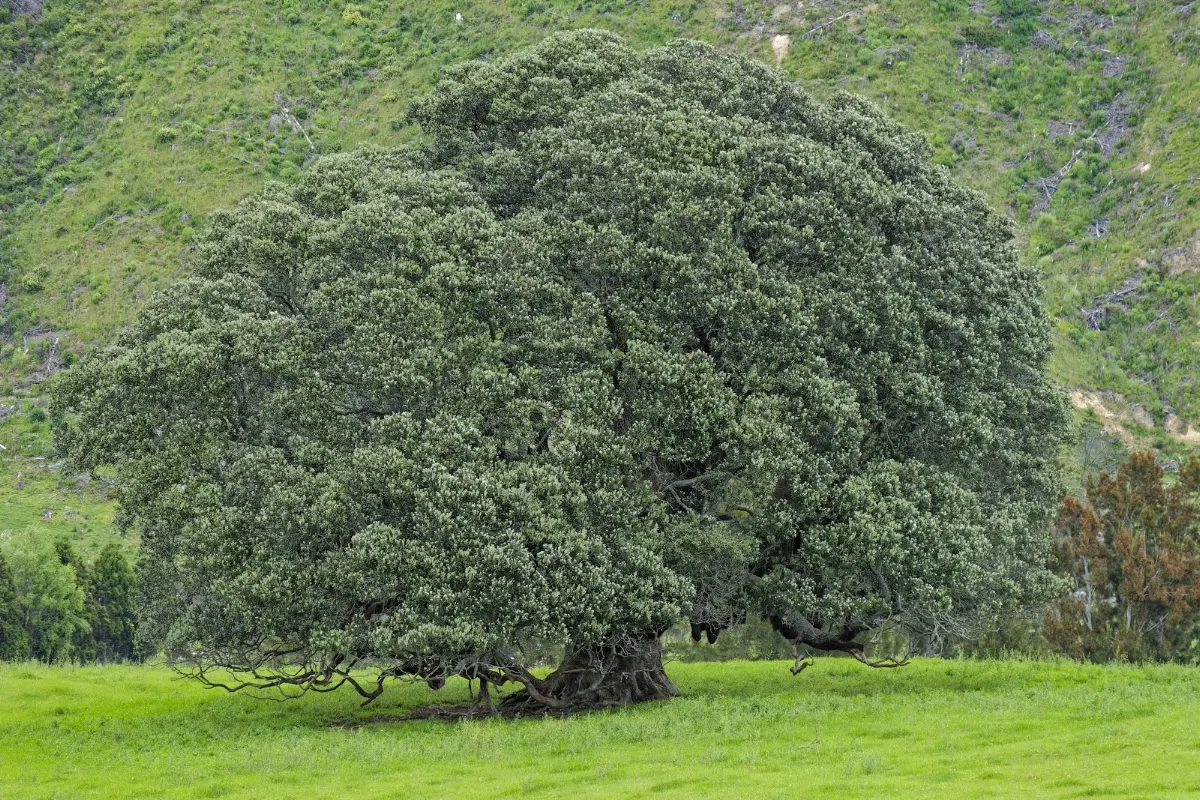
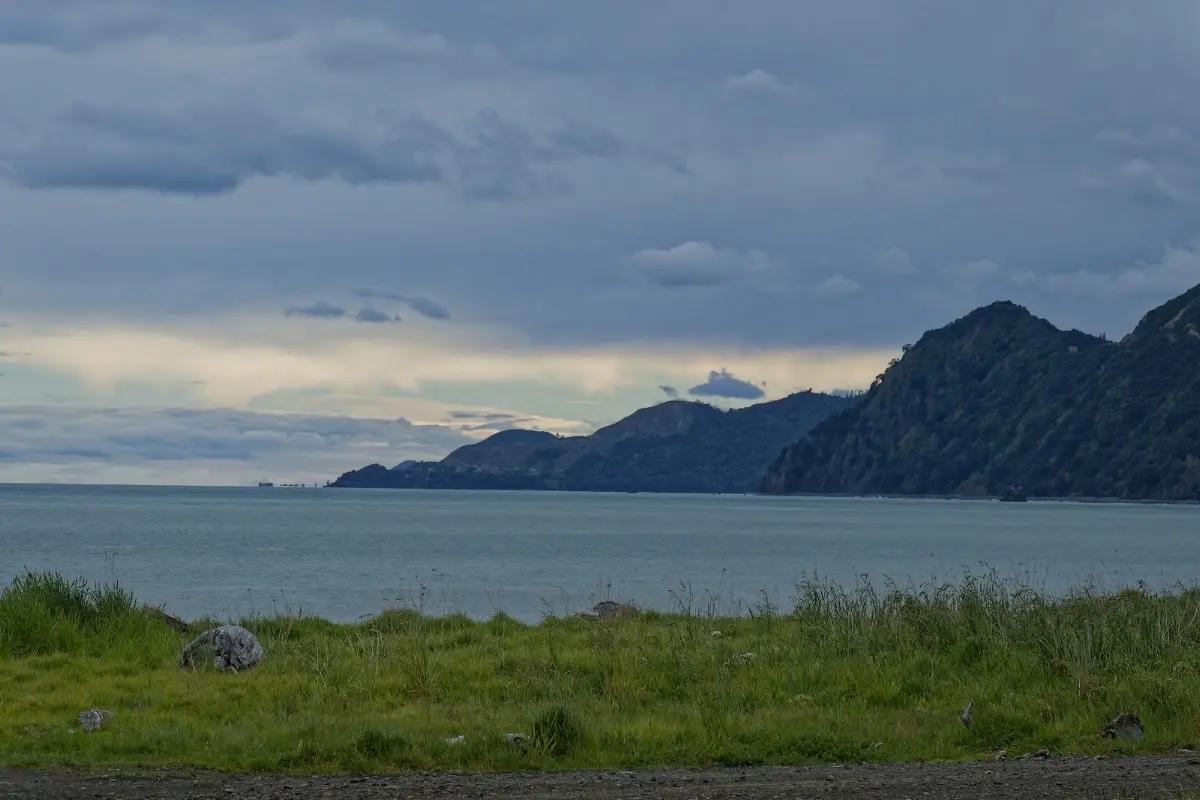
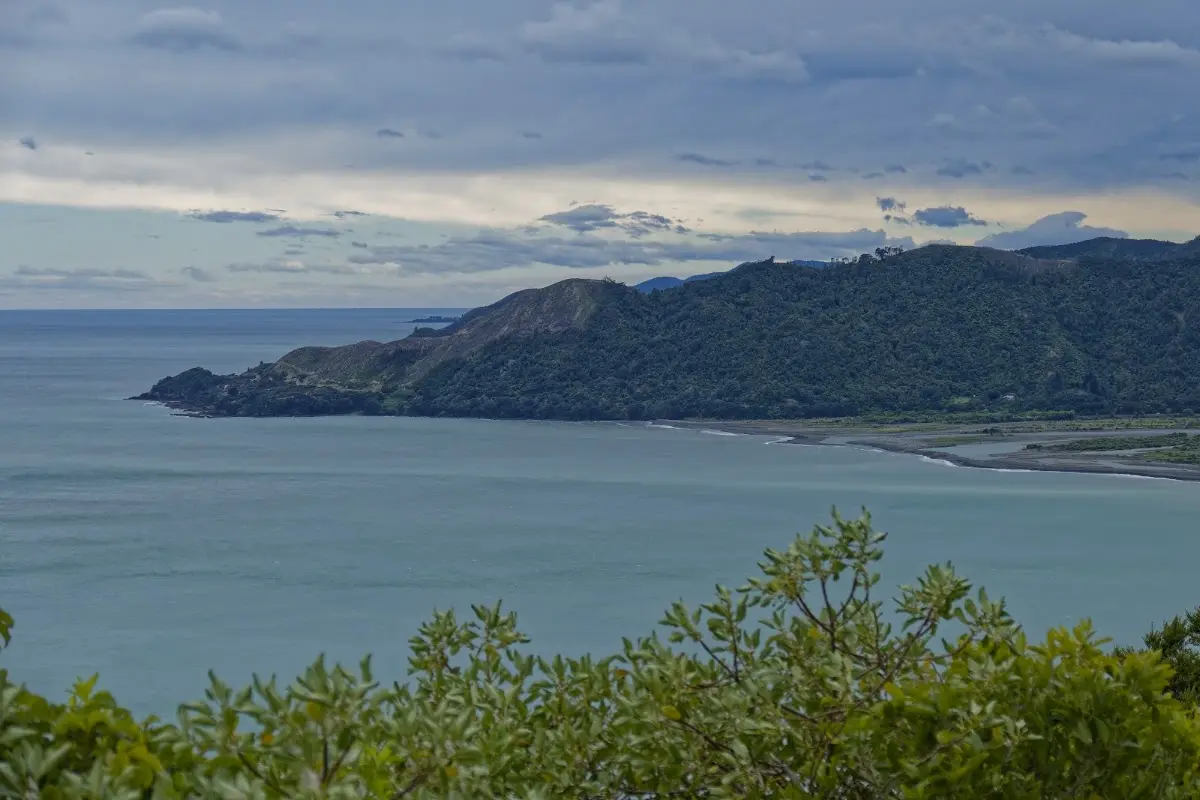
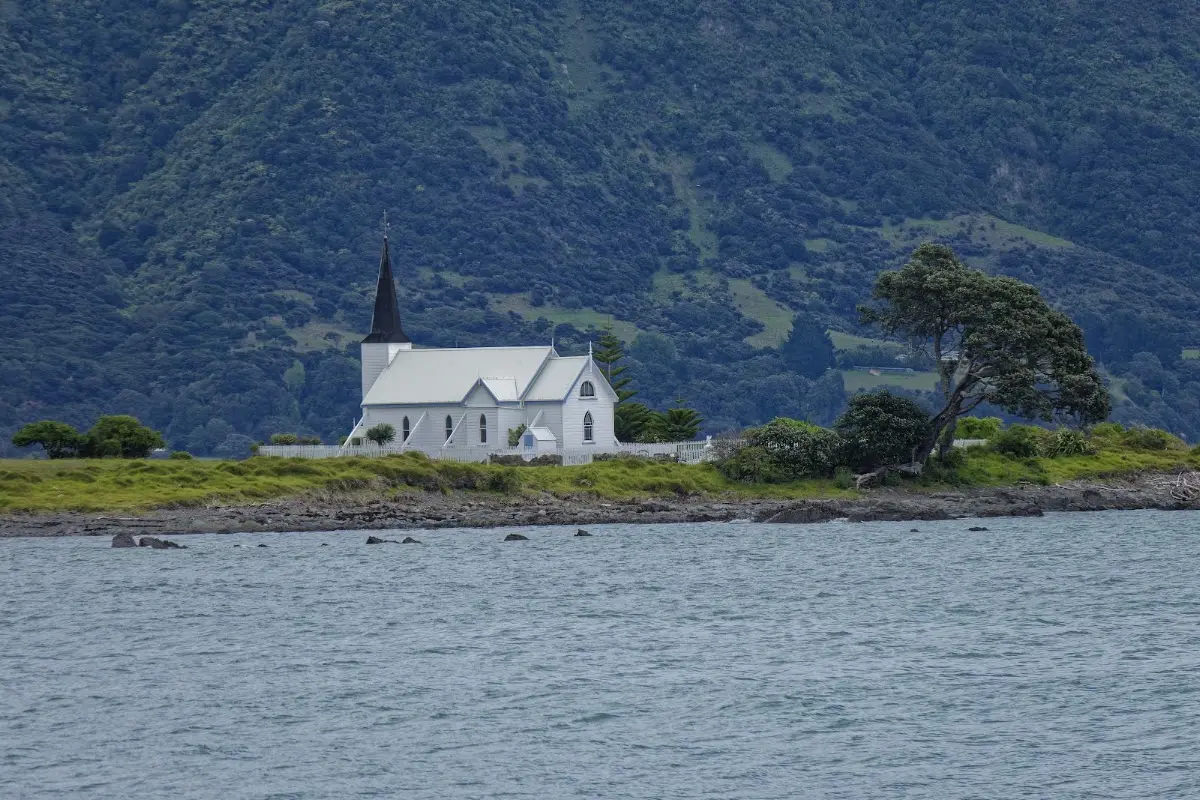
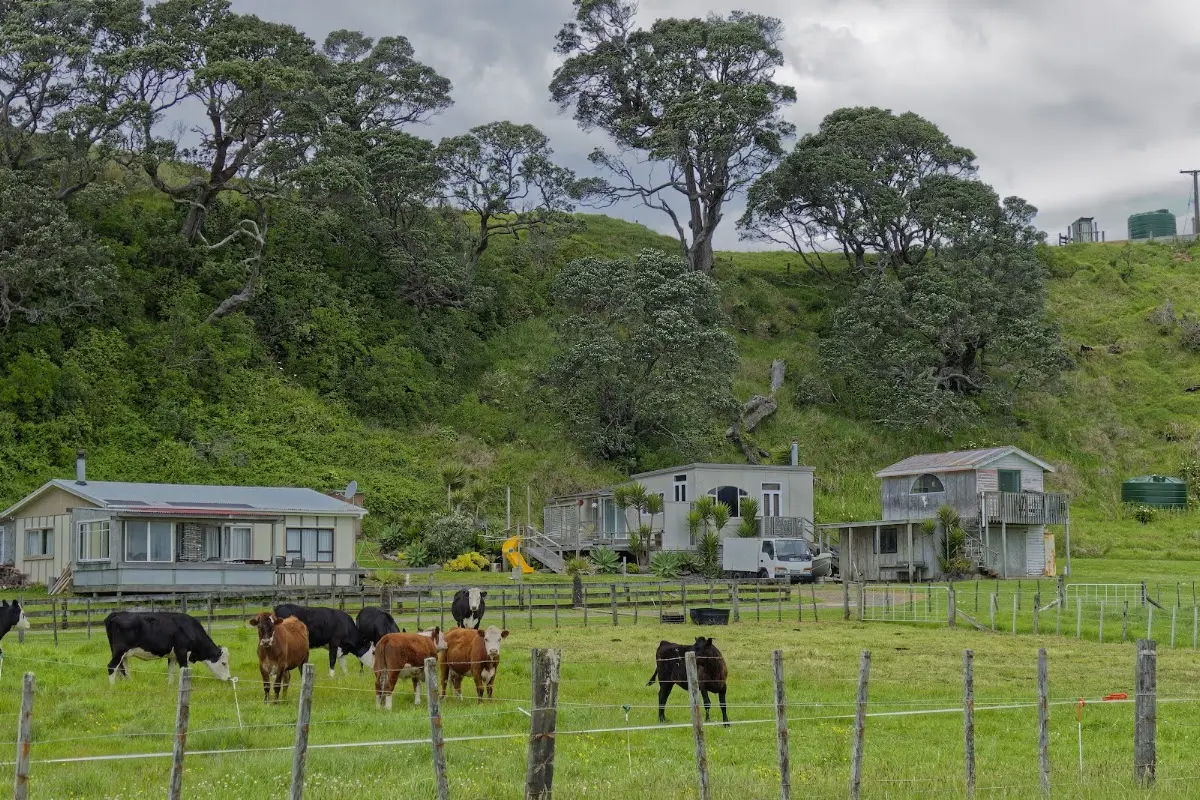
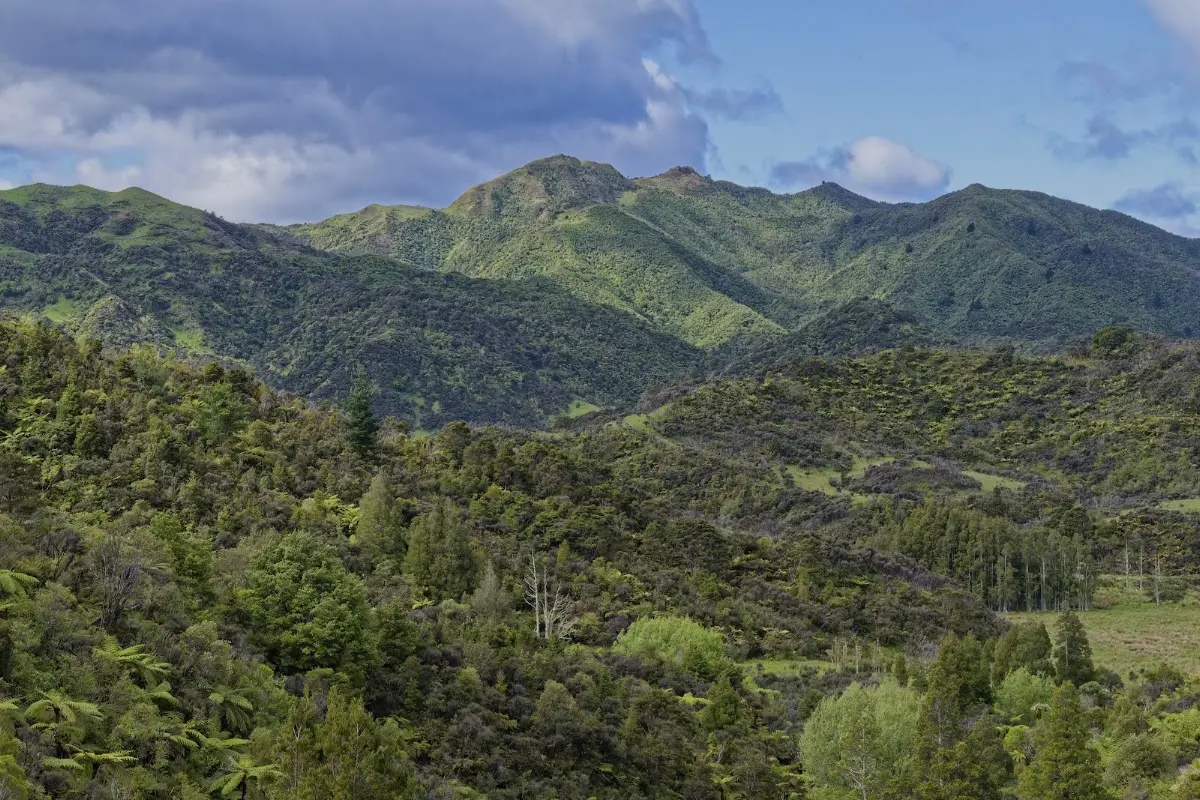
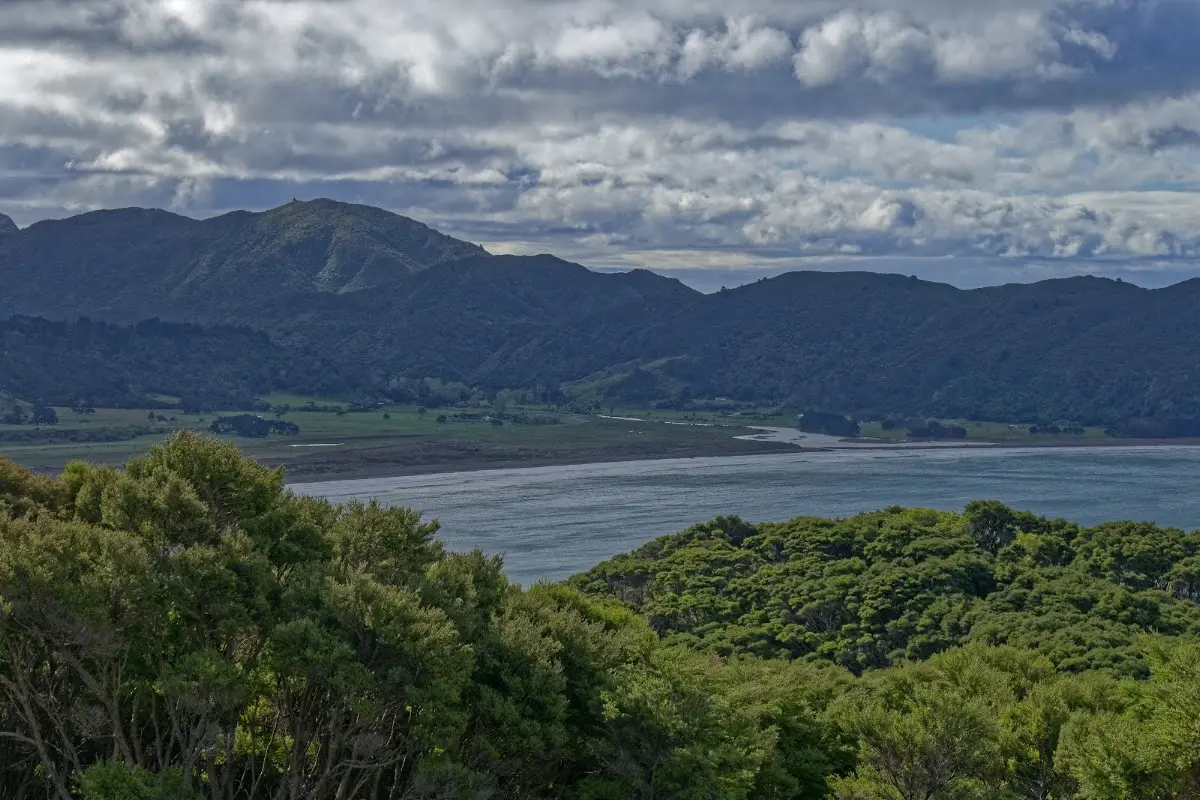
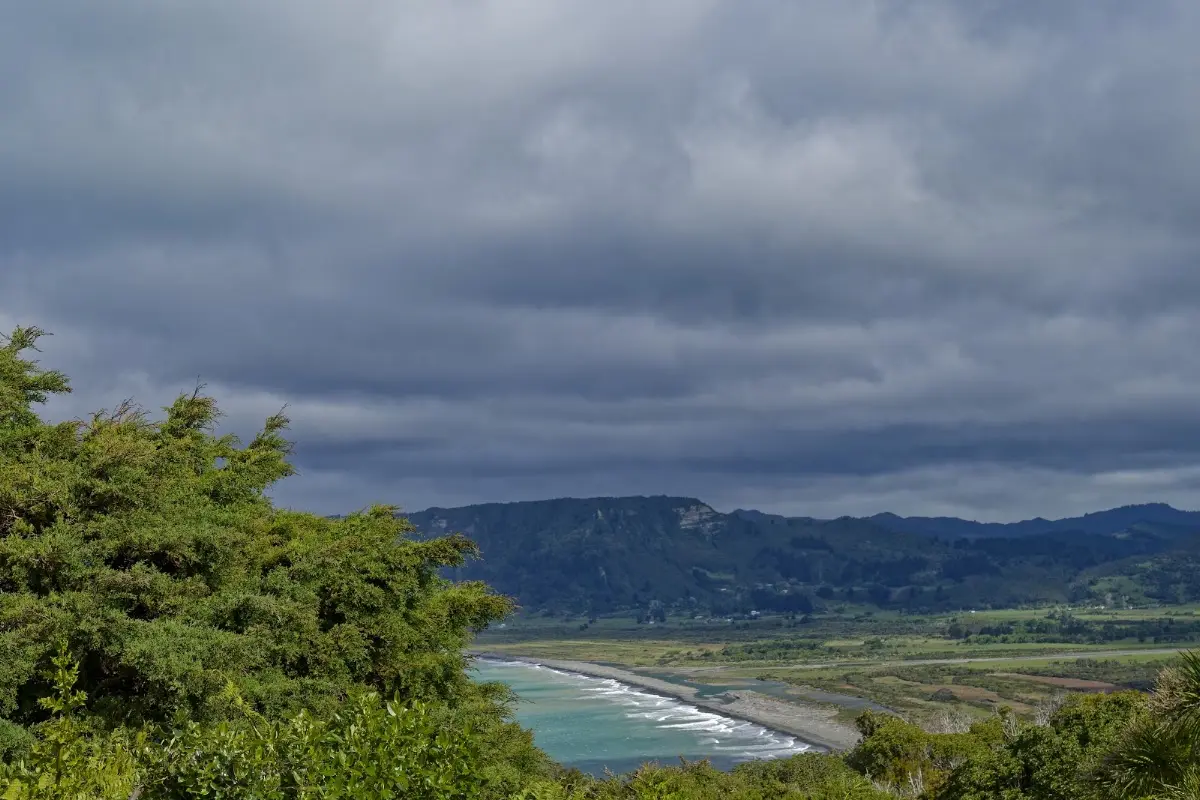
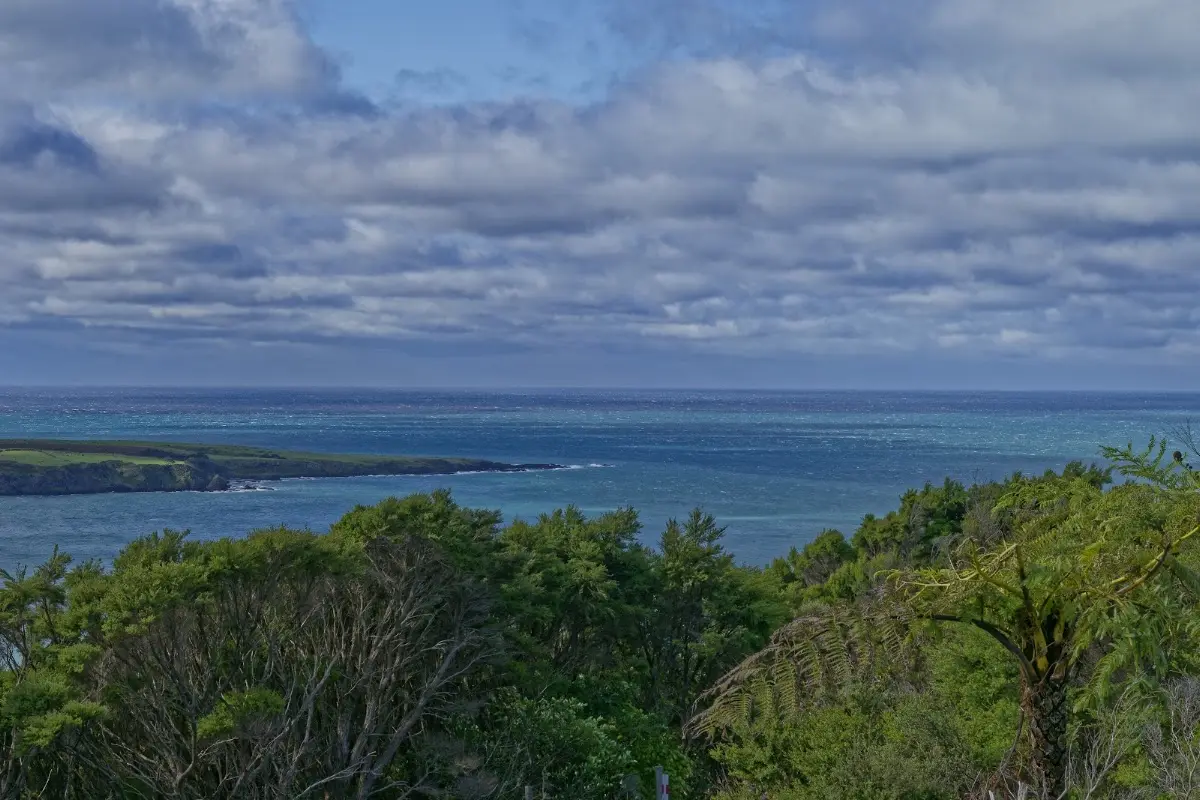
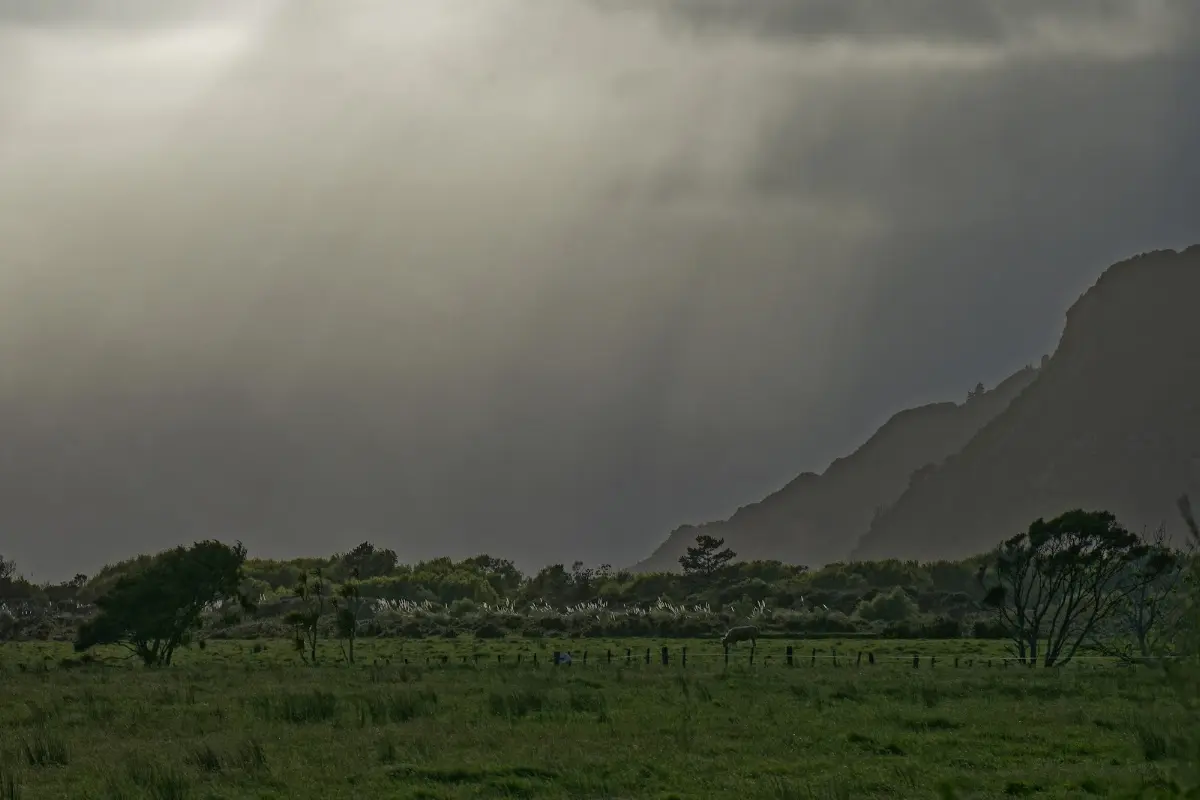
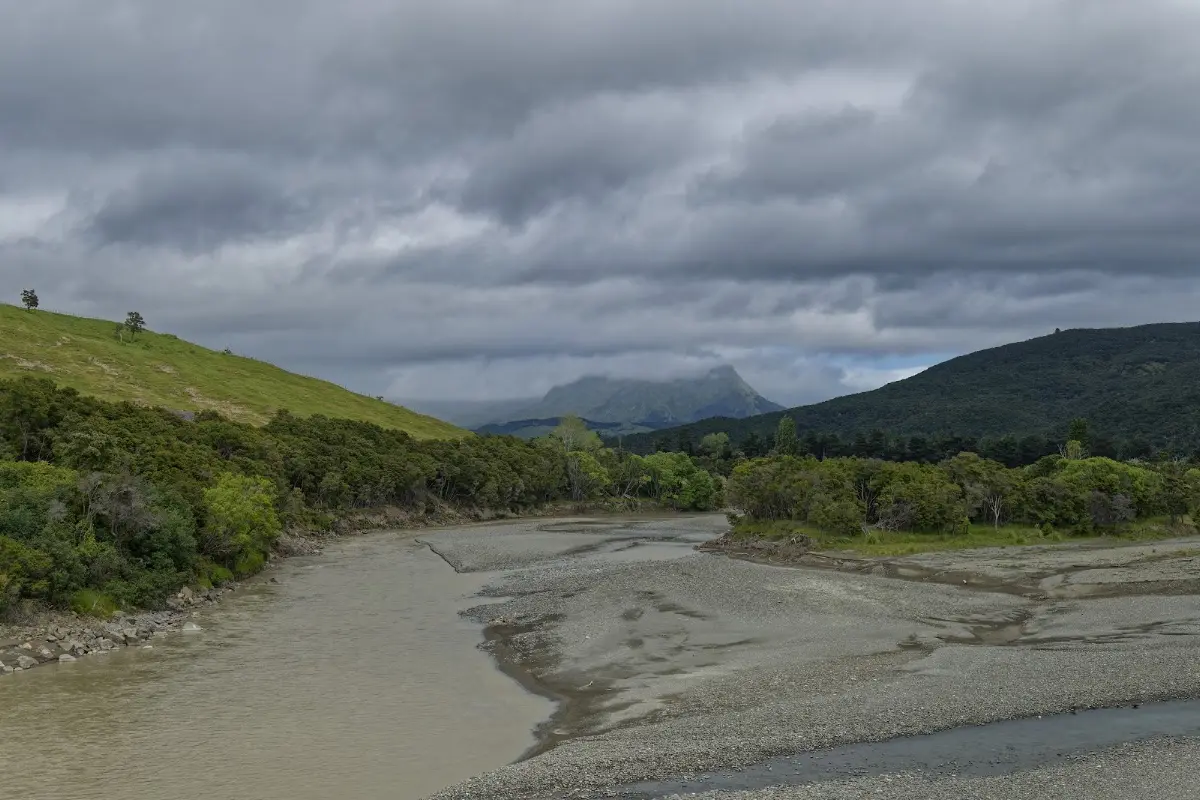
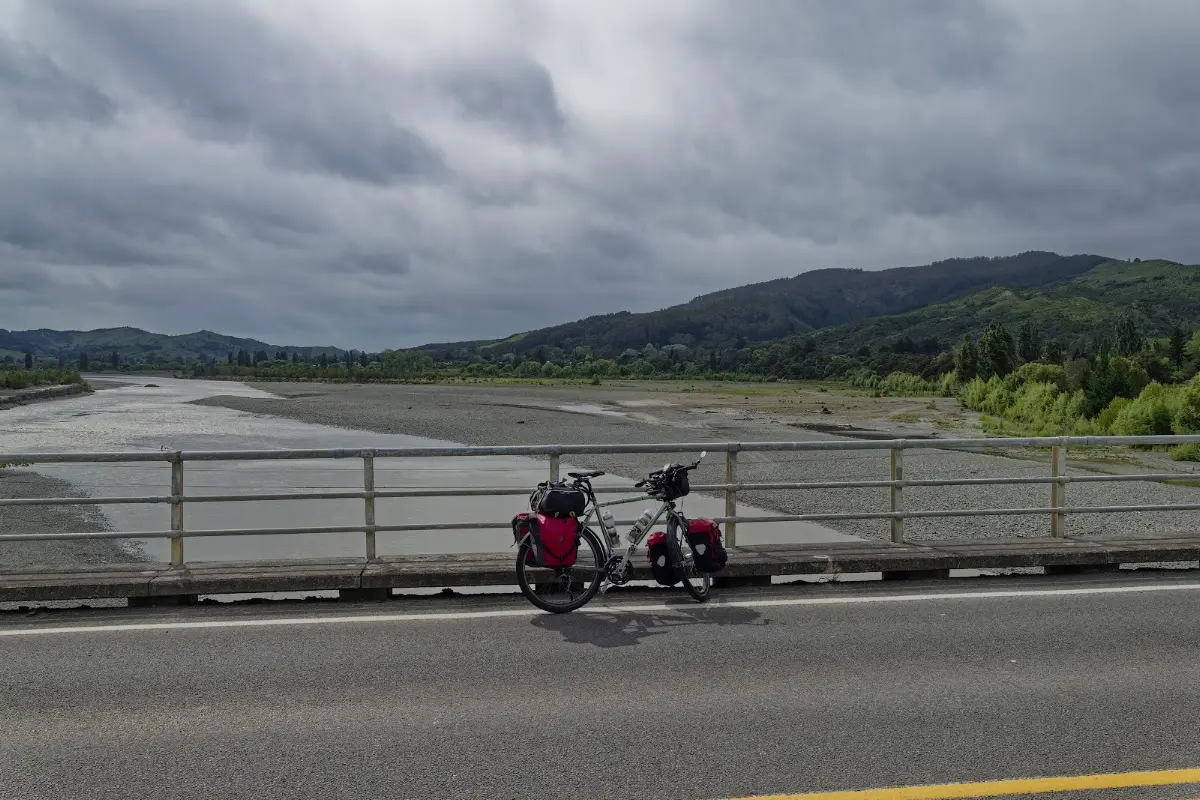
Two weeks on the bike now, and compared with the first days the hills already feel easier. I reached Tolaga Bay just in time before the heavy rain started. At times it was really brutal. On one of the first hills I even had to push the bike because the wind was coming from the side and I could not keep riding at such low speed. I reached Te Puia Springs for my first coffee of the day — and that was only at noon, although I had been on the bike since seven in the morning. Lots of hills, lots of horses, and many very small villages today. Fewer sea views than before, with the road running more through the forest, and half of Mount Hikurangi hidden in fog. The logging trucks came uncomfortably close when overtaking, and with strong crosswinds that is not ideal at all. Today: 140 km in 8 hours, and now a little over 2,000 km after two weeks on the road.
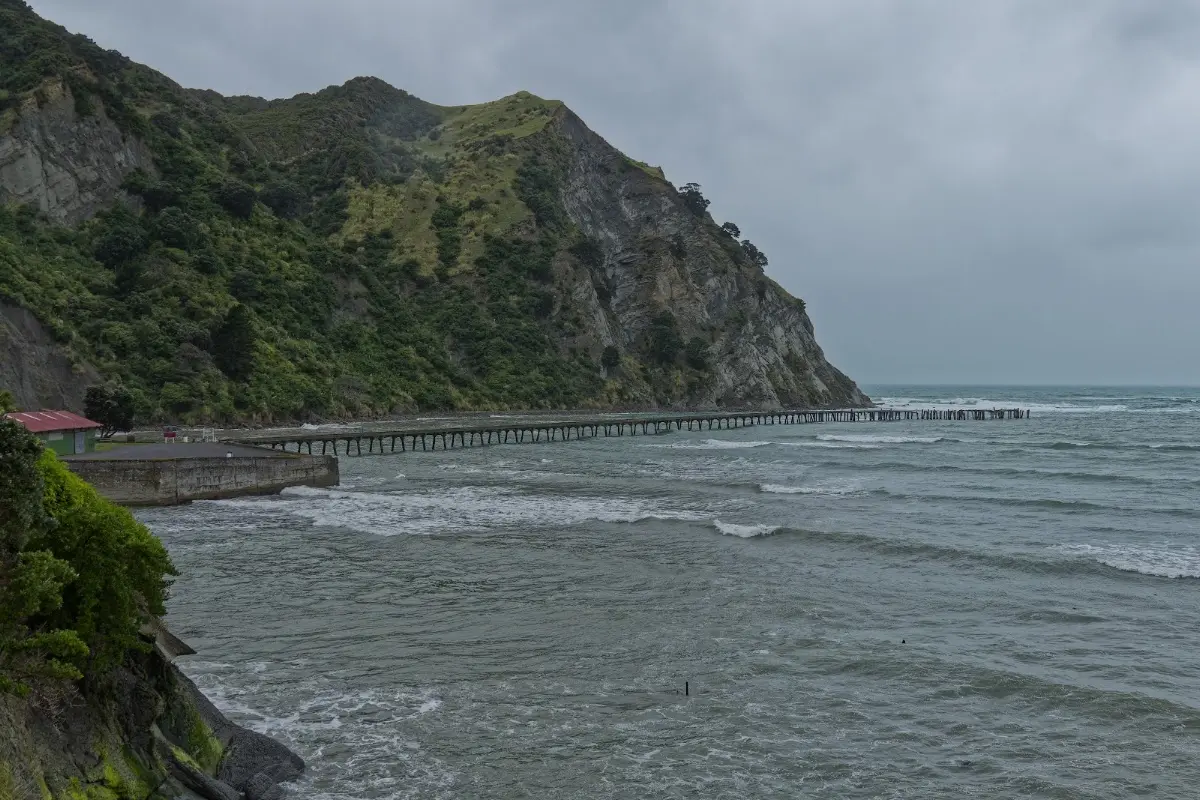
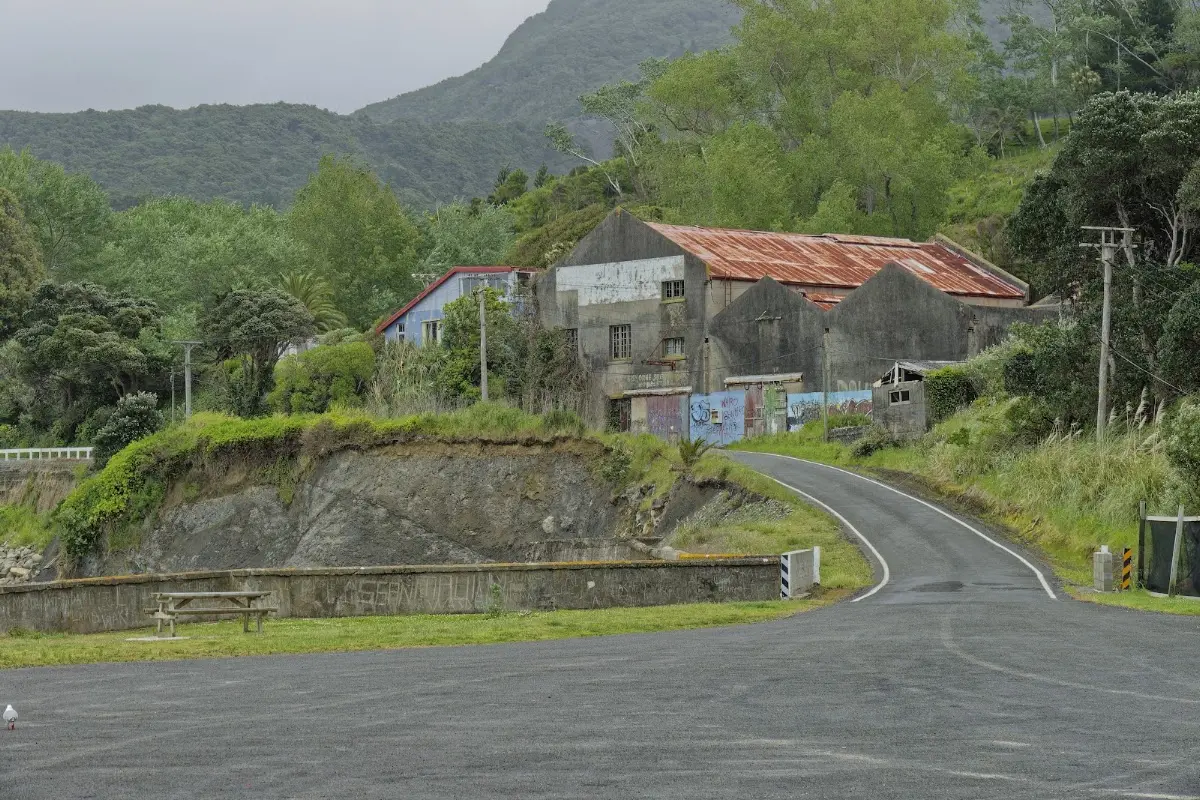
Tokomaru Bay
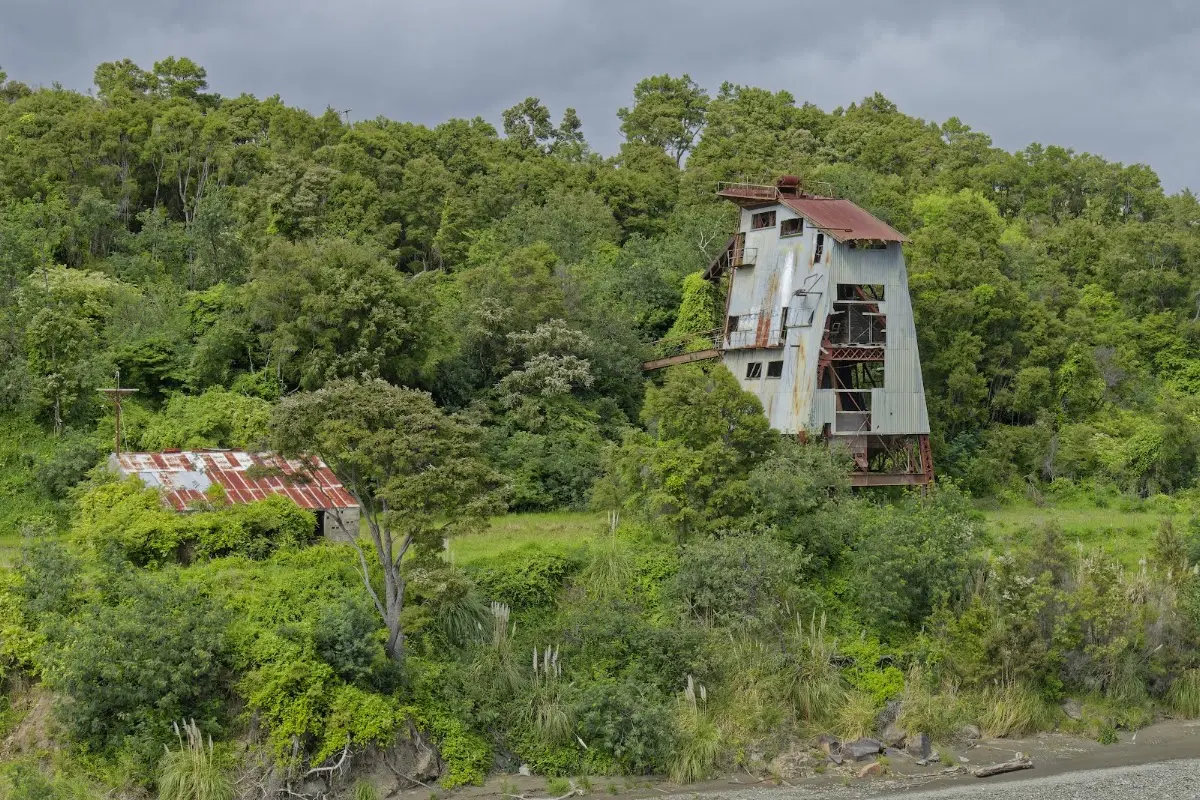
Tokomaru Bay is a small beachside community on New Zealand's East Coast, 91 km north of Gisborne. Originally known as Toka-a-Namu, the area is home to the Te Whanau a Ruataupare and Te Whānau a Te Aotawarirangi hapu. The bay, once a stop for passenger ships, has a history of European settlement, including a whaling station and missionary visits in 1838 that introduced Christianity.
The region has long been a Māori stronghold, with historical fortifications at Te Mawhai during the 1860s conflicts involving Ngāti Porou. Today, Tokomaru Bay's economy relies on agriculture, forestry, and tourism, with a predominantly Māori population. The bay occasionally hosts southern right whales, which come to calve or rest.
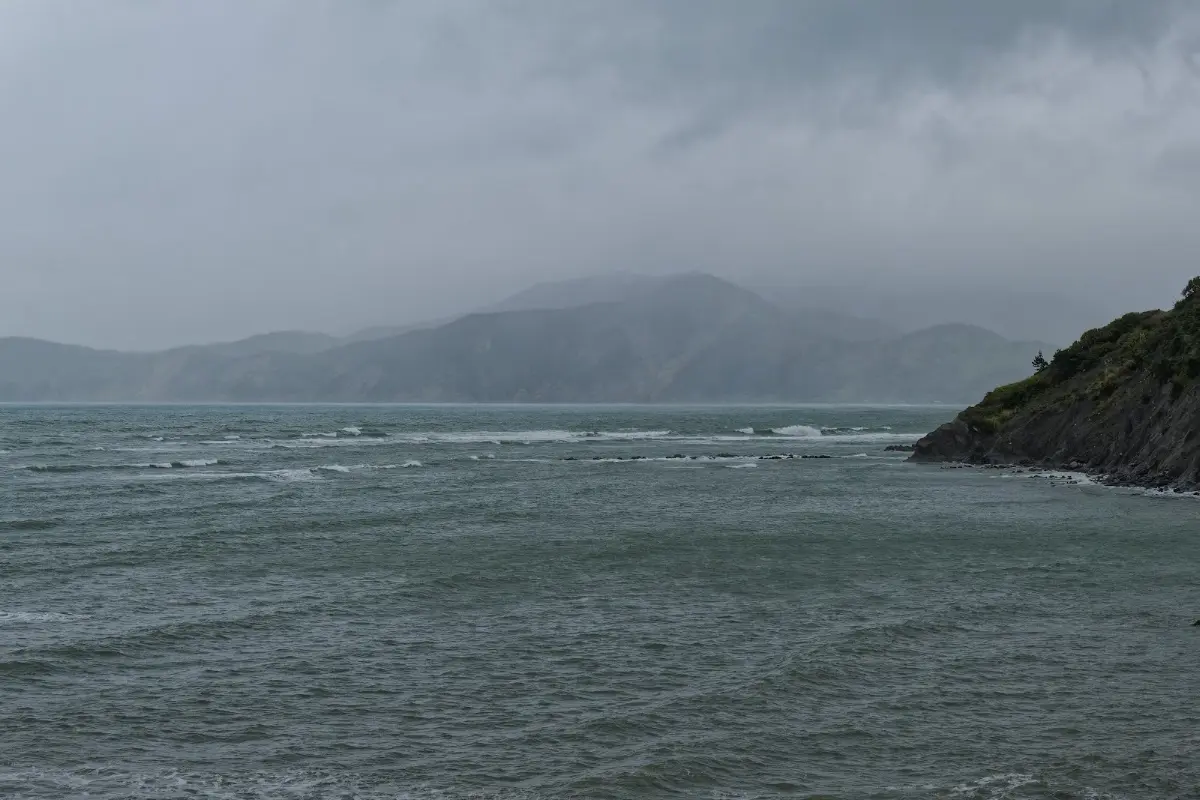
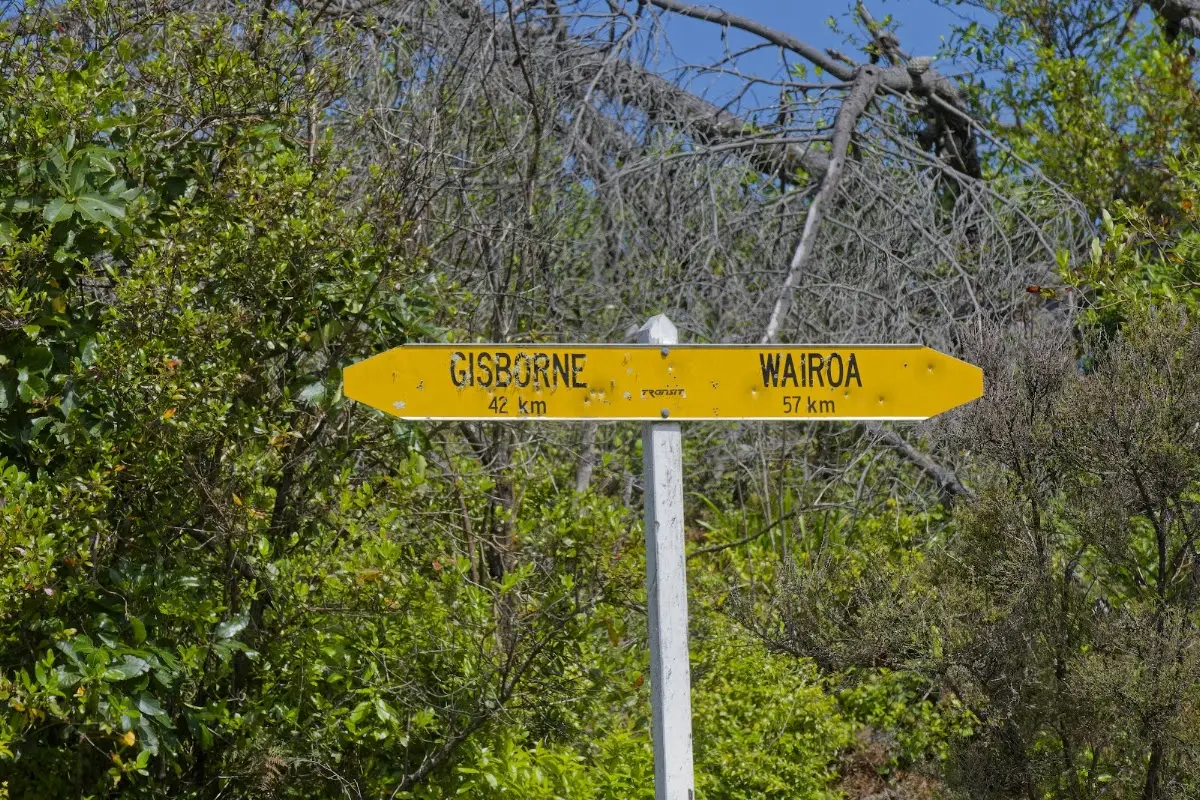
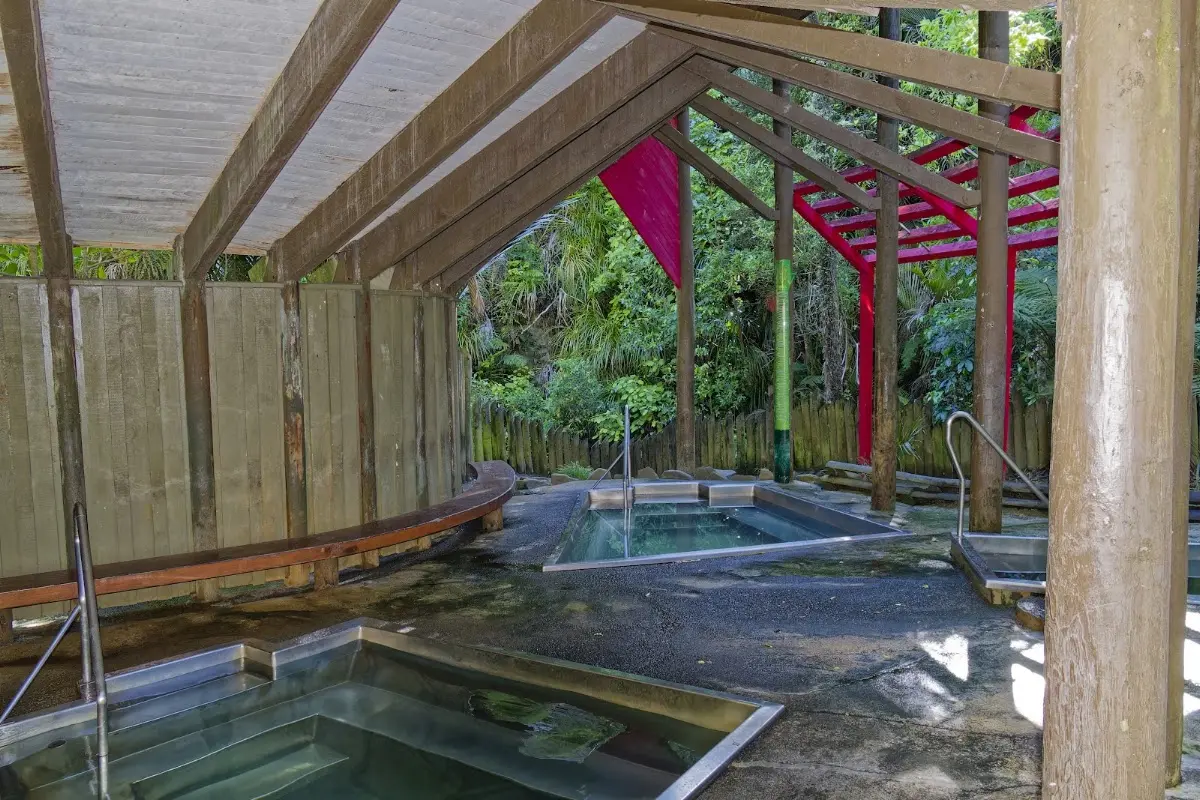
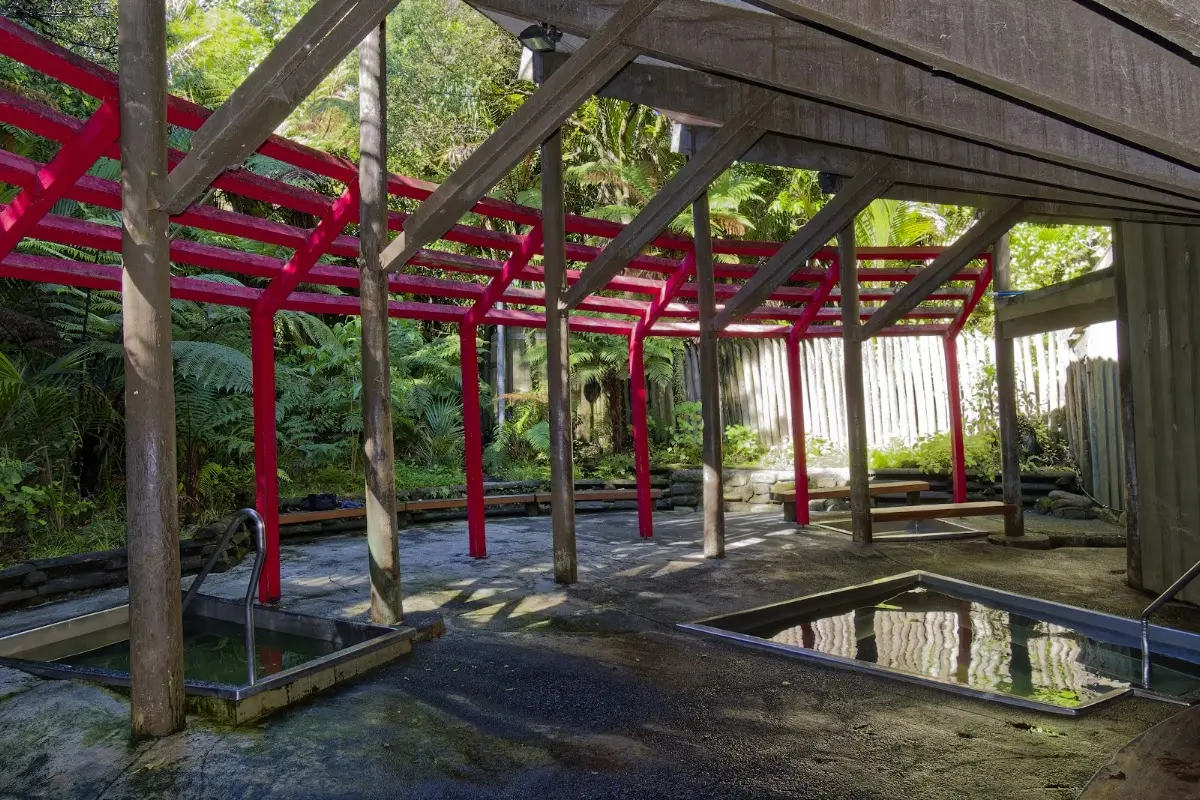
Cloudy and very wet in the morning on the way to Gisborne. I stopped there to do some shopping — soup, nuts, and a few supplies. From Gisborne it was another 55 km to Mōrere Hot Springs. That turned out to be a very nice campground in the middle of nowhere, right opposite the hot springs, with hot pools hidden in what felt like jungle. After a short walk of about seven minutes through the forest, there were cold, warm, and hot pools alternating in a very pleasant way. I had some good conversations with Kiwis about all sorts of things. Tomorrow it should be about 40 km to Wairoa, and hopefully I can make my booking for the Lake Waikaremoana Track. Today: 118.7 km in 6 hours 42 minutes.
Tolaga Bay
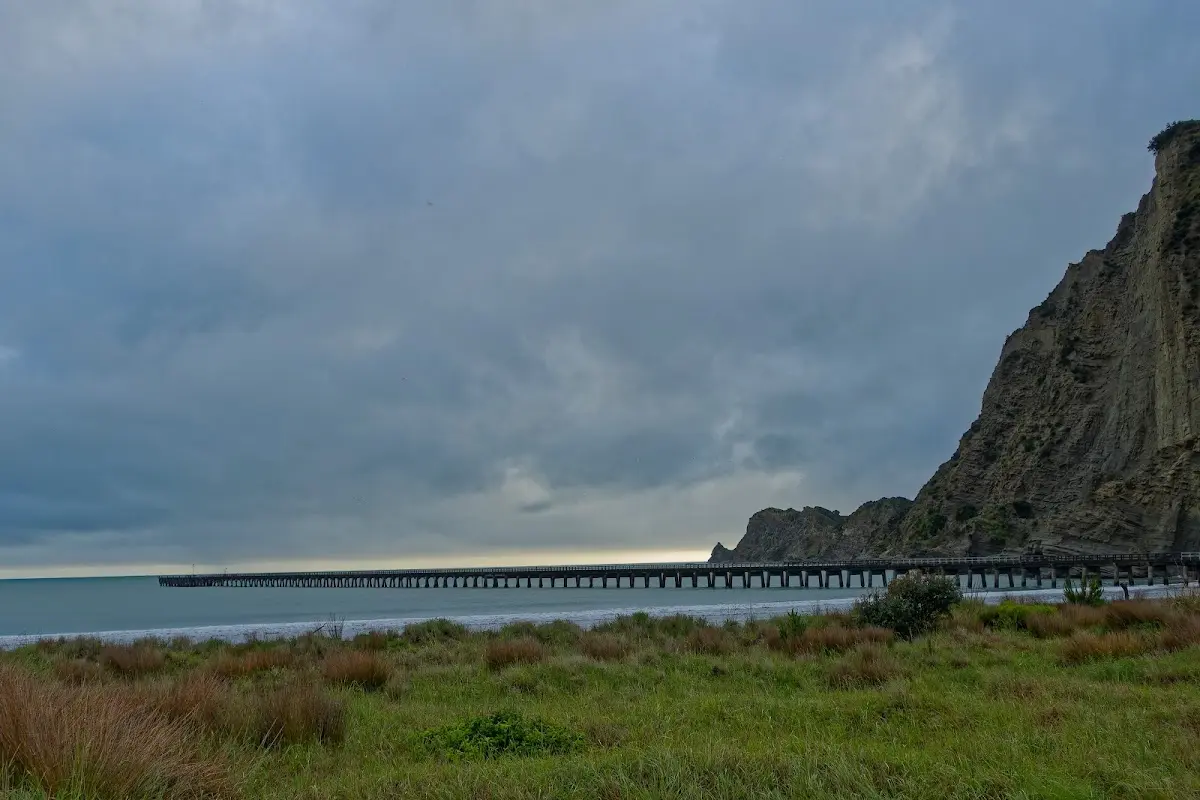
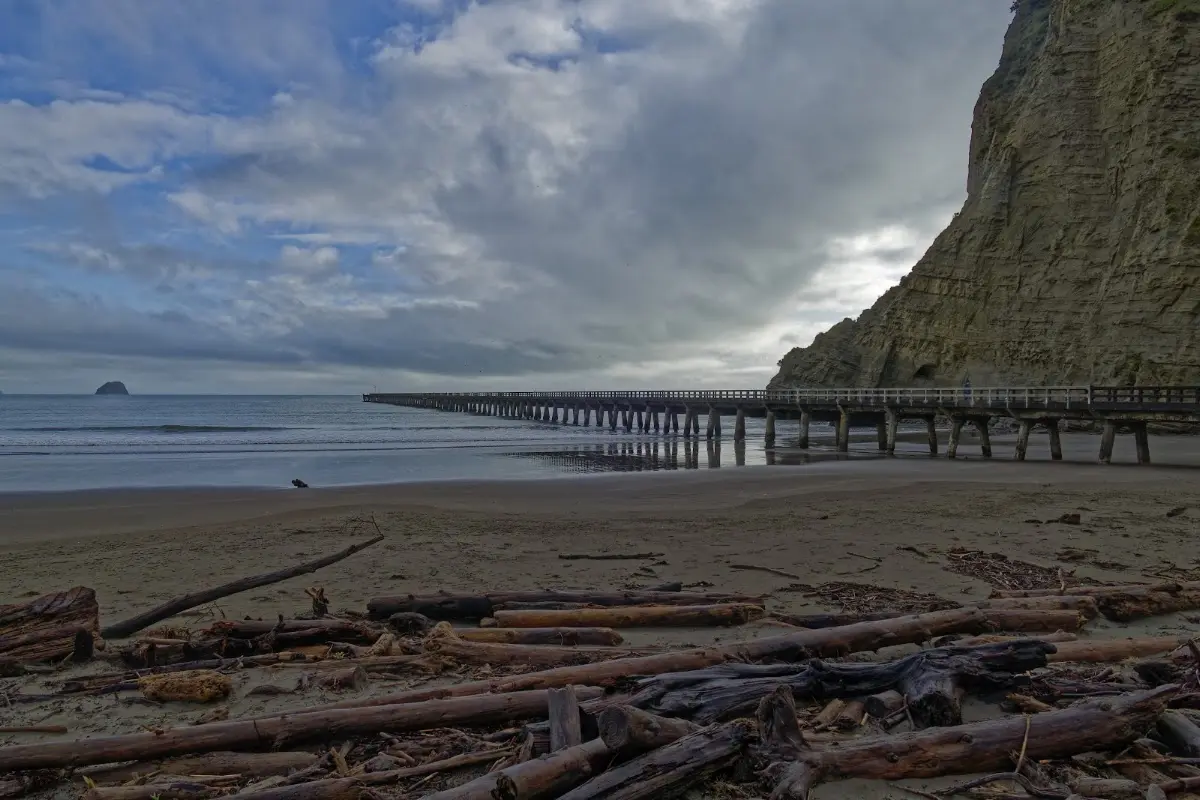
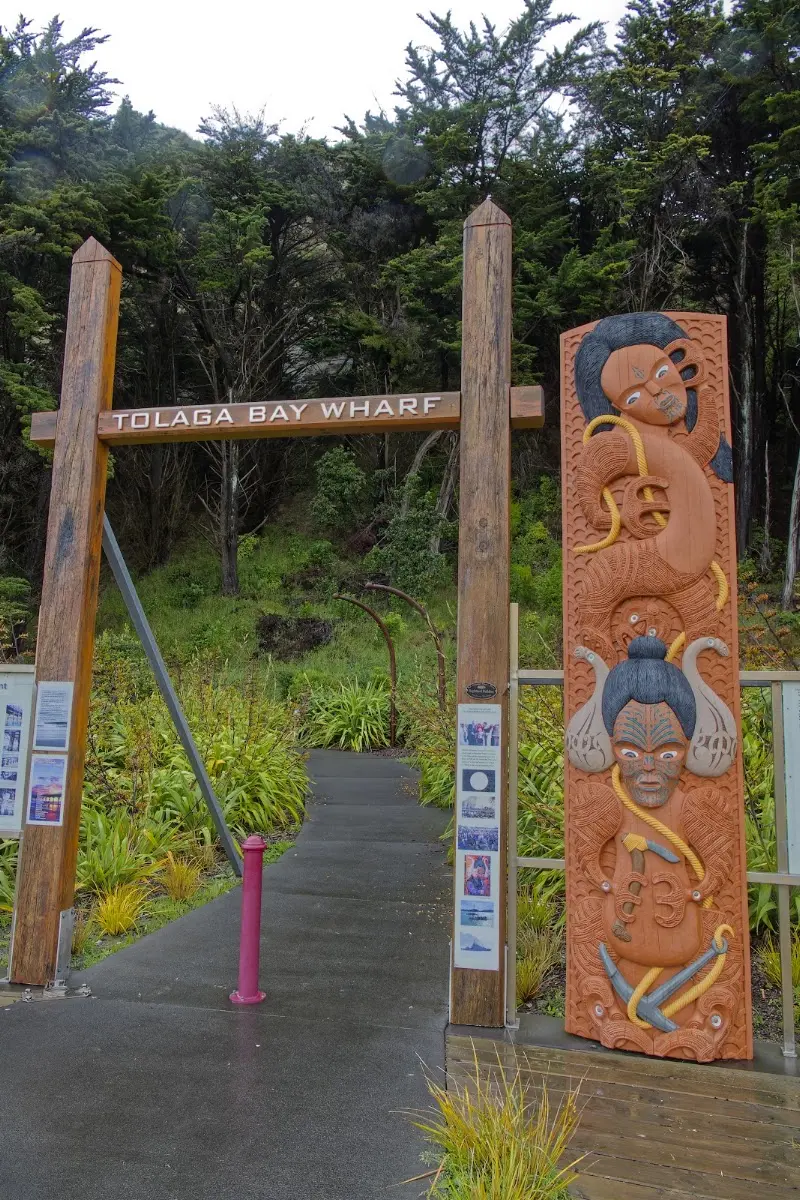
Tolaga Bay, known as Uawa-nui-a-Ruamatua in Maori, has been inhabited since the 13th century, with Te Aitanga-a-Hauiti as the major iwi since the 15th century. European contact began with James Cook's visit in 1769, leading to European settlement and the development of a trading post focused on flax and whaling. Farming became significant after sheep were introduced in 1863, necessitating efficient transport for produce. Initially, small wharfs and surf landing services were used, but as trade grew, the Hauiti Wharf was built in the early 1900s.
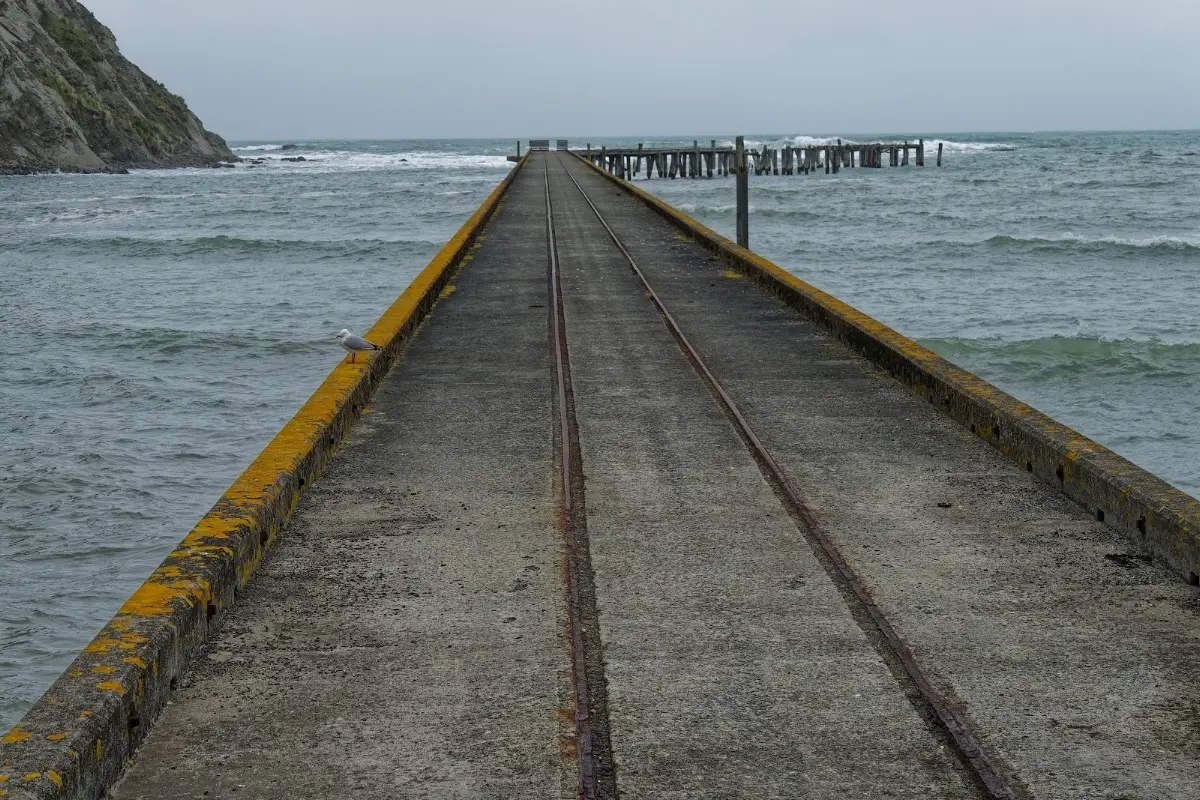
The Tolaga Bay Wharf, constructed between 1925 and 1929, was a significant engineering feat, enabling direct loading from motorized wagons to ships. However, its operation was affected by the Great Depression, WWII, and improved road transport, leading to its decline and closure to shipping by 1968.
Post-closure, the Wharf became a tourist attraction. Concerns over its deterioration led to the formation of the Tolaga Bay Save the Wharf Charitable Trust in 1999, aiming to restore the Wharf despite an engineering assessment deeming full restoration impractical. The Trust, in partnership with the Gisborne District Council, began efforts to preserve this community and heritage icon.
Gisborne
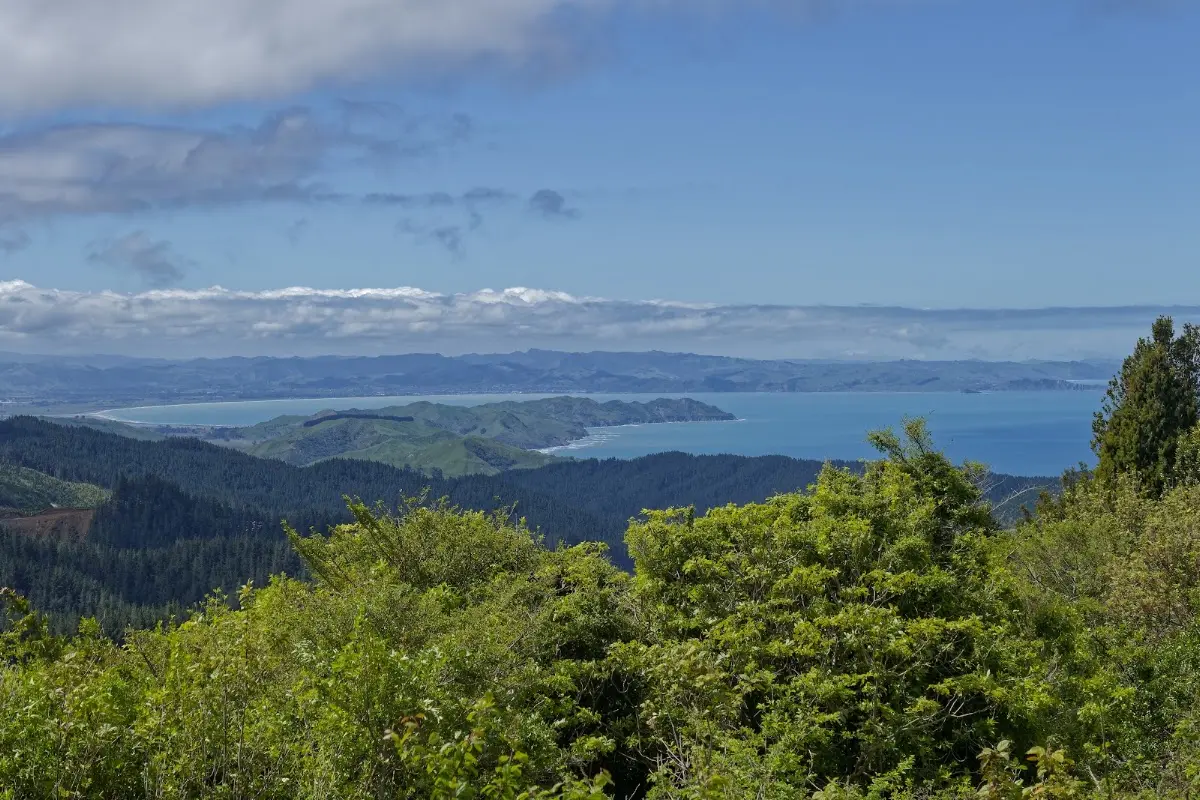
Gisborne, a city in northeastern New Zealand, is the largest settlement in the Gisborne District with a population of 38,800 as of June 2024. Originally known as Tūranga, it was renamed Gisborne in 1870 to honor Colonial Secretary William Gisborne and avoid confusion with Tauranga. The area, known in Māori as Tūranganui-a-Kiwa, has been inhabited for over 700 years by tribes such as Te Whānau-a-Kai and Rongowhakaata, descending from voyagers of waka like Tākitimu and Horouta.
Captain James Cook made his first New Zealand landing at Gisborne's Kaiti Beach in 1769, marking the beginning of European settlement. Early European traders and missionaries established the town in the 1830s, with the government purchasing land for a town site in 1868. Gisborne's first public school and newspaper were established in the early 1870s, and a town council was formed in 1877. The city is historically significant for its Māori heritage and as the site of Cook's landing.
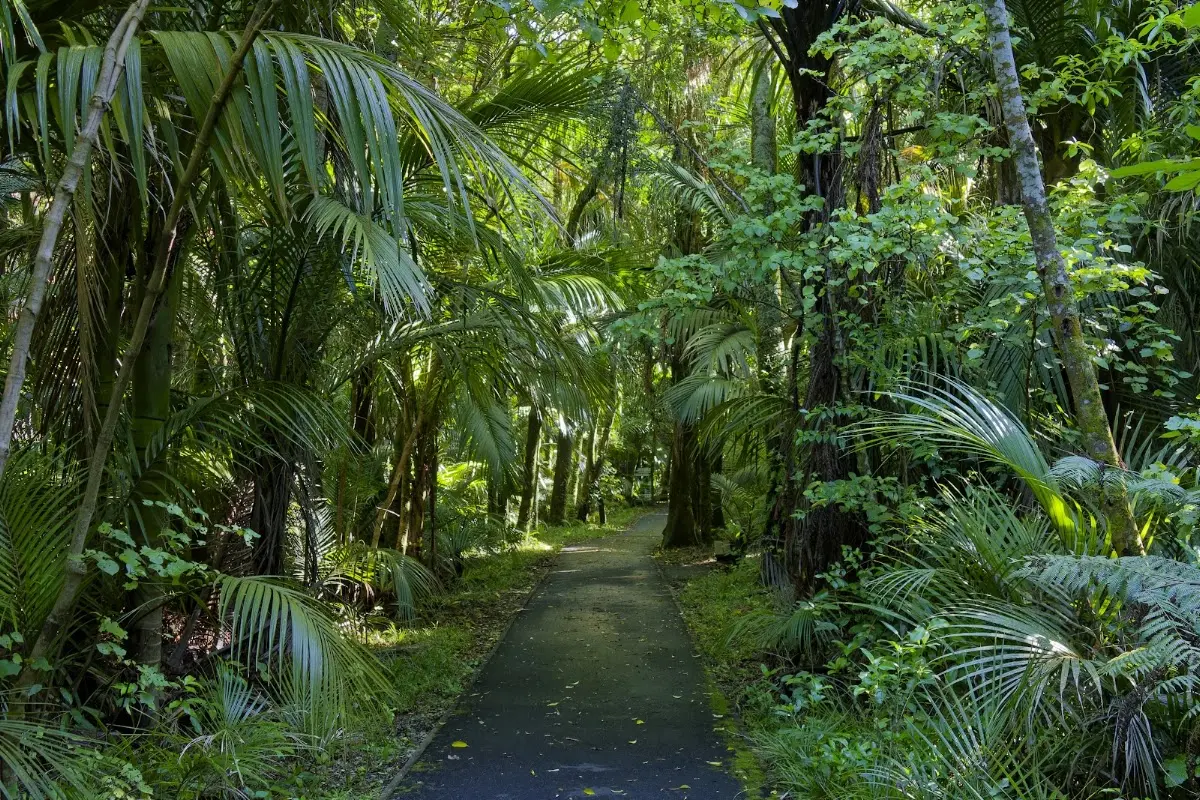
Mōrere
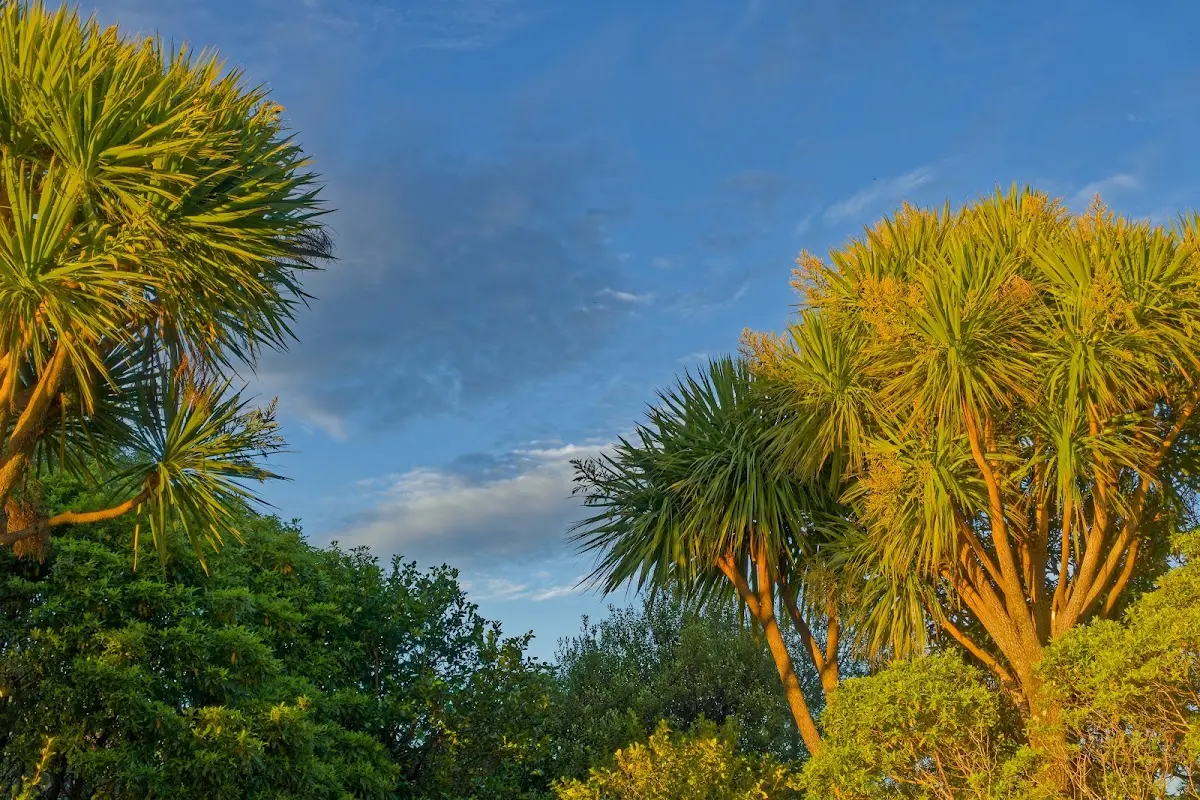
Mōrere is a lightly populated region in New Zealand, known for the Morere Hot Springs and the Morere Springs Scenic Reserve, which features trails through a habitat of nikau palms. Located in the Hawkes Bay area on the North Island, it offers self-contained accommodation at the Morere Hot Springs Lodge.
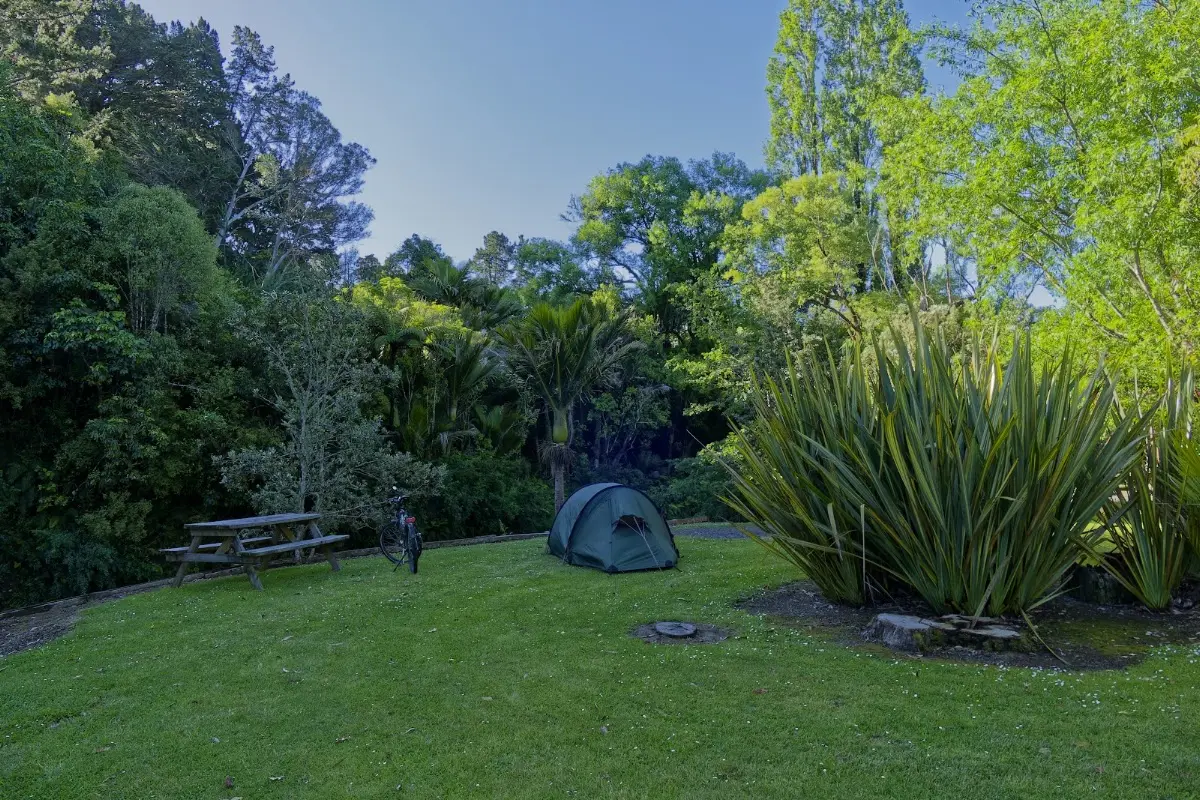
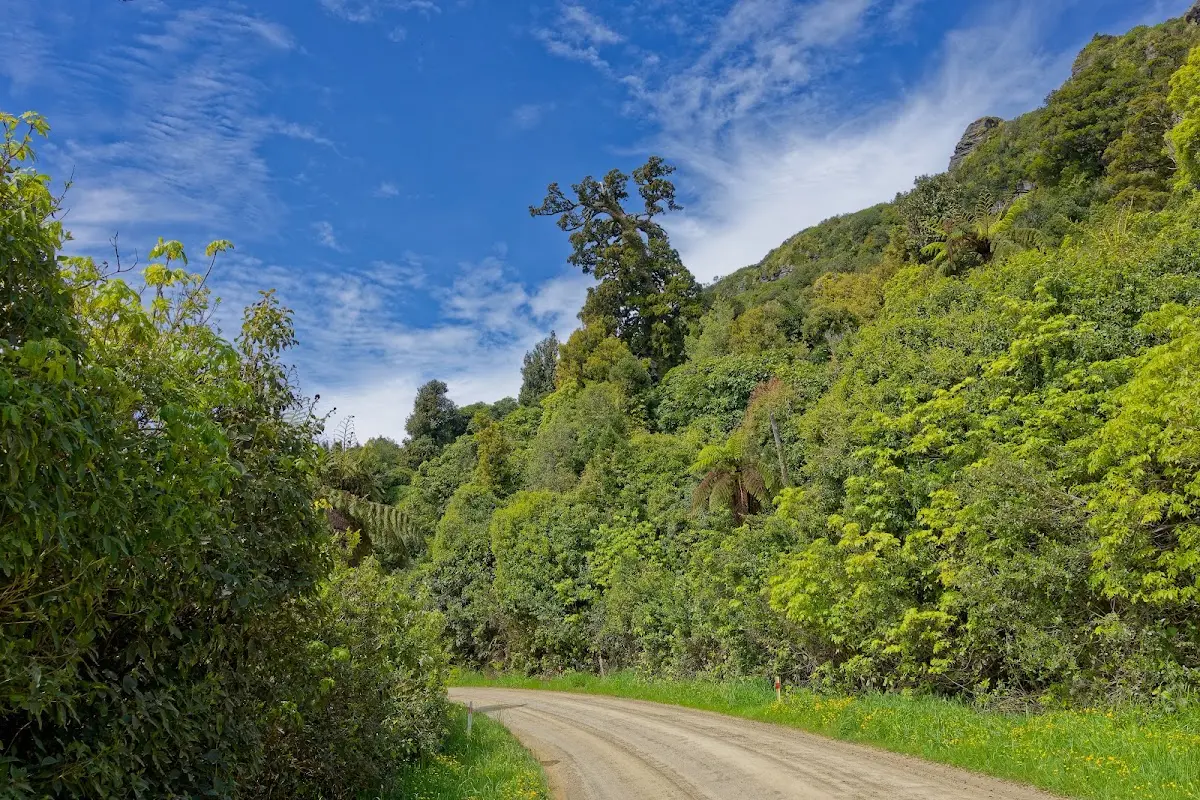
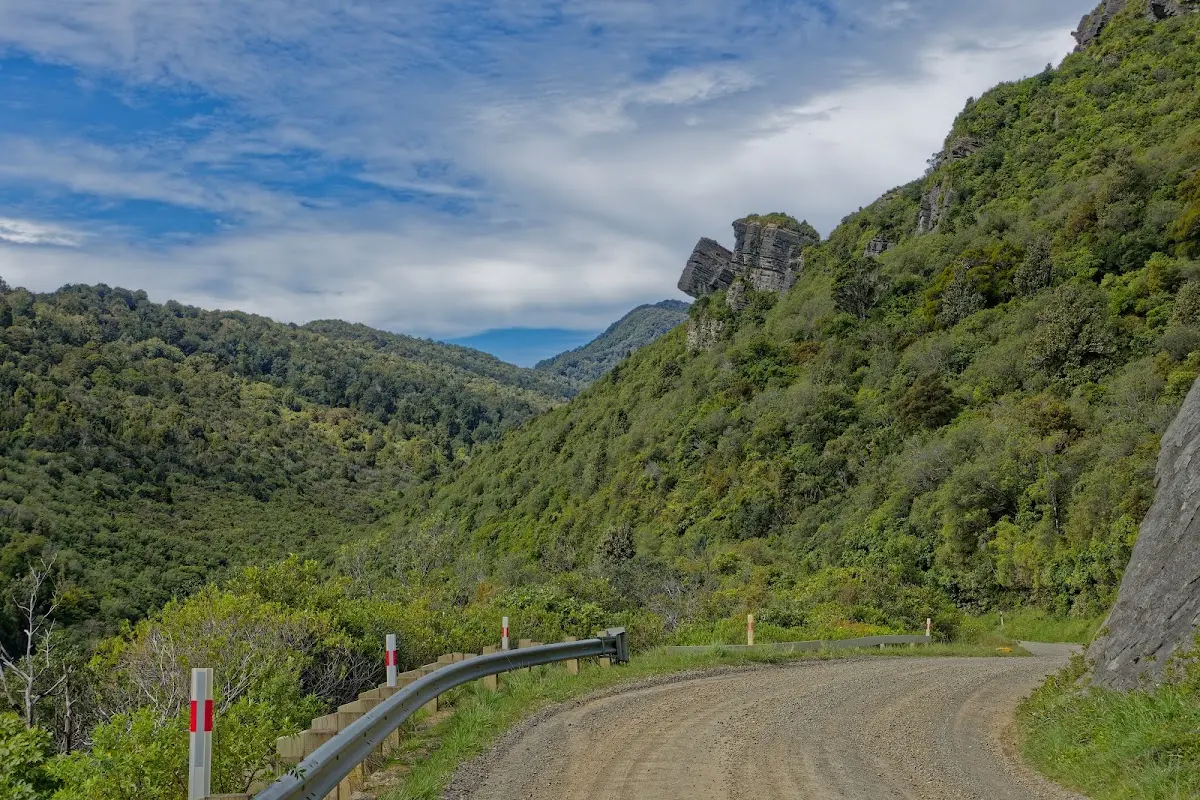
The booking for the next four days on the Lake Waikaremoana Track was successful, which I was very glad about. I’m really looking forward to it. Today: 114.6 km in 6 hours 20 minutes. The climb up toward Lake Waikaremoana was a bit tiring on the unpaved road, but the weather was fantastic.
Wairoa
Wairoa is the largest town in the Wairoa District and the northernmost town in the Hawke's Bay region on New Zealand's North Island. Situated on the northern shore of Hawke Bay at the mouth of the Wairoa River, it is close to Māhia Peninsula and accessible via State Highway 2. The town is notable for its significant Māori population, with 62.29% identifying as Māori, making it one of three towns in New Zealand where Māori outnumber other ethnicities. Originally a Māori settlement, Wairoa's history is deeply connected to the ancestral waka Tākitimu, which traveled up the Wairoa River. The river, important for transport and food, is linked to local Māori legends involving taniwha. Early European settlement began with a whaling station and trading post in 1839. The town, initially named Clyde, played a role during the New Zealand Wars and was officially established on land purchased by the government in 1864. In the 20th century, Wairoa saw significant developments, including the establishment of the Wairoa Borough Council in 1909 and the completion of the Napier to Wairoa railway line in 1937. The railway's completion led to a decline in port usage. The town faced challenges such as the 1931 Hawke's Bay earthquake and unsolved murders in the 1940s. Cyclone Bola in 1988 caused severe flooding and damage, leading to the construction of a new bridge opened by Queen Elizabeth II in 1990.
Lake Waikaremoana
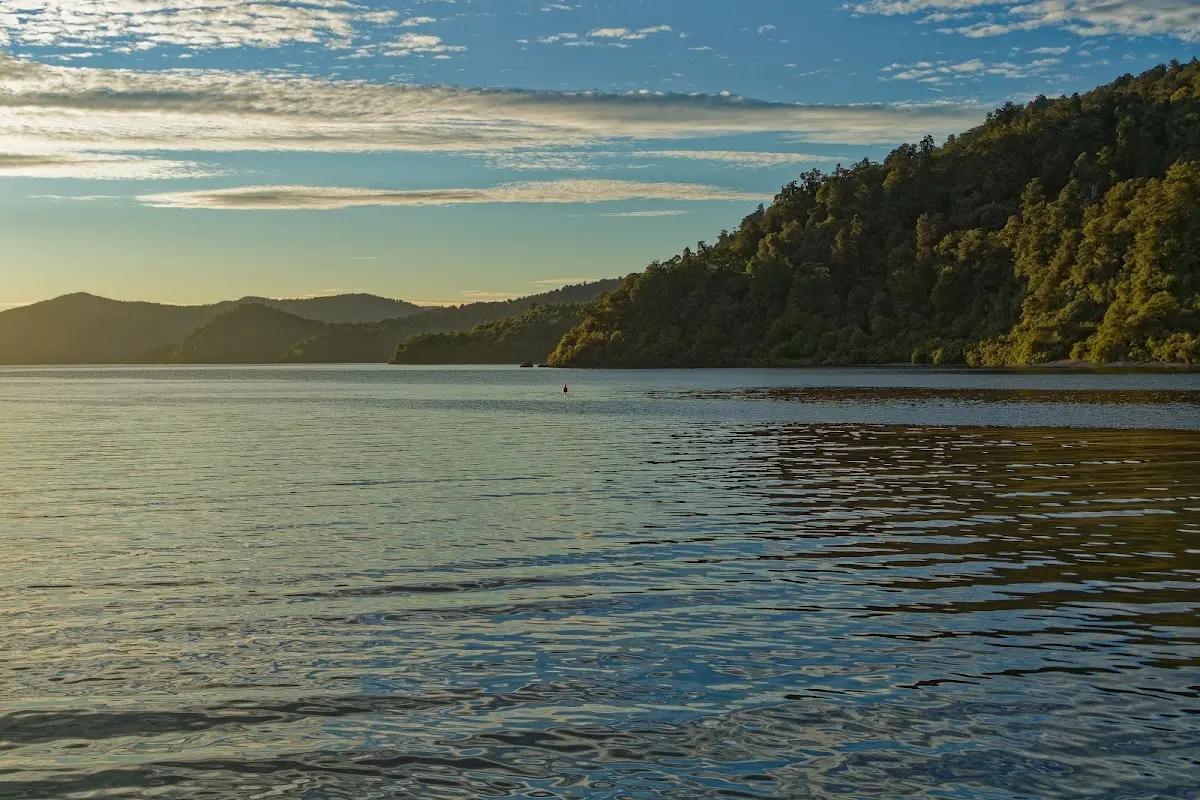
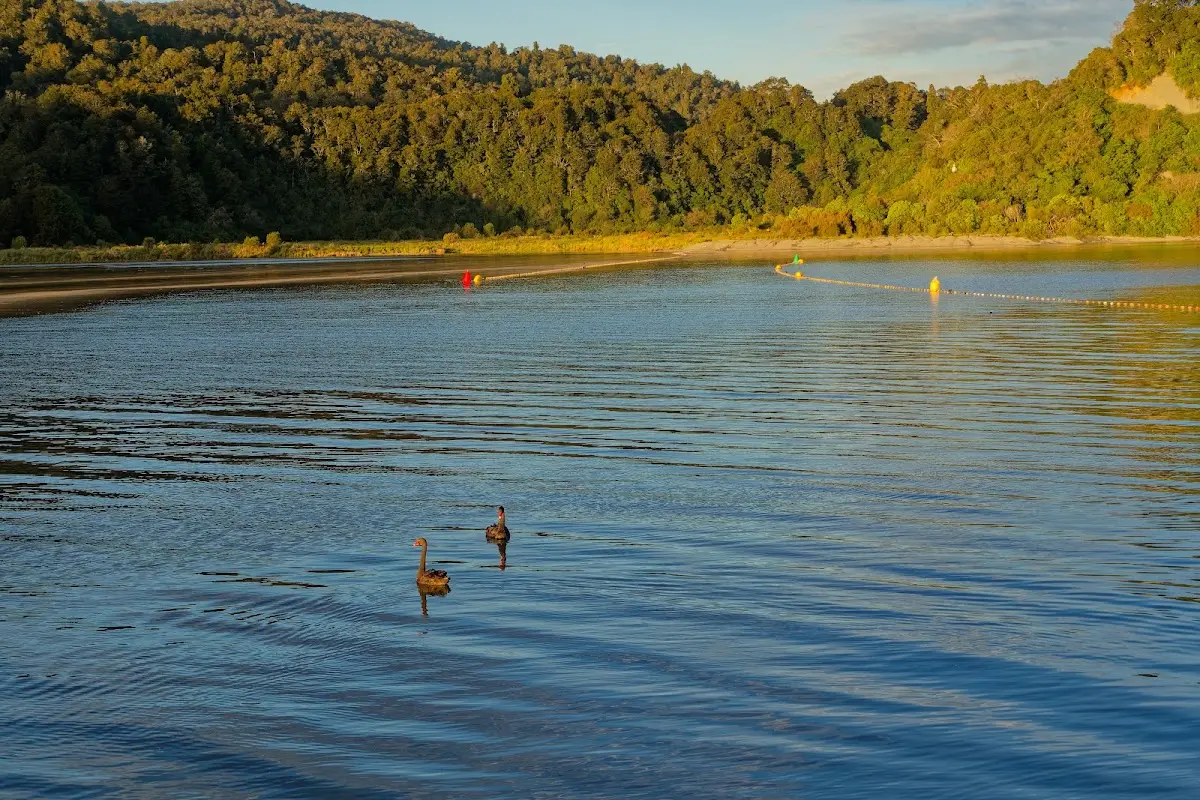
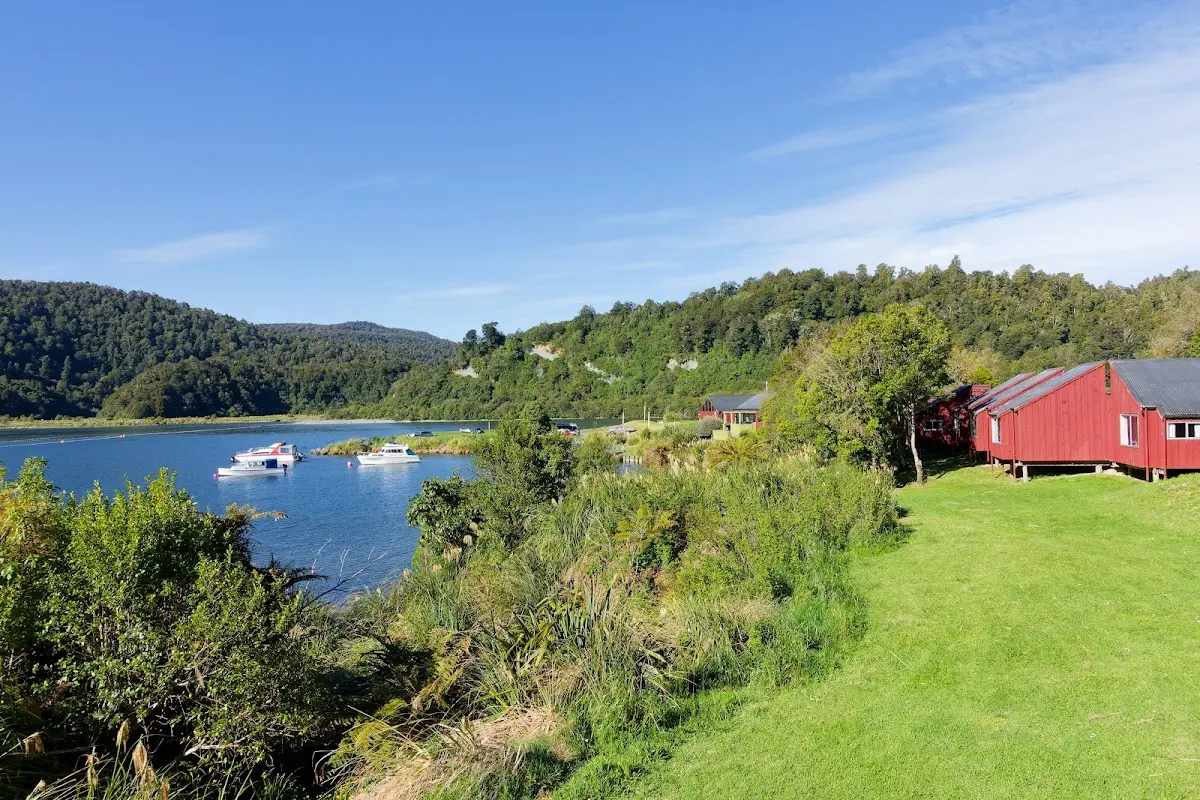
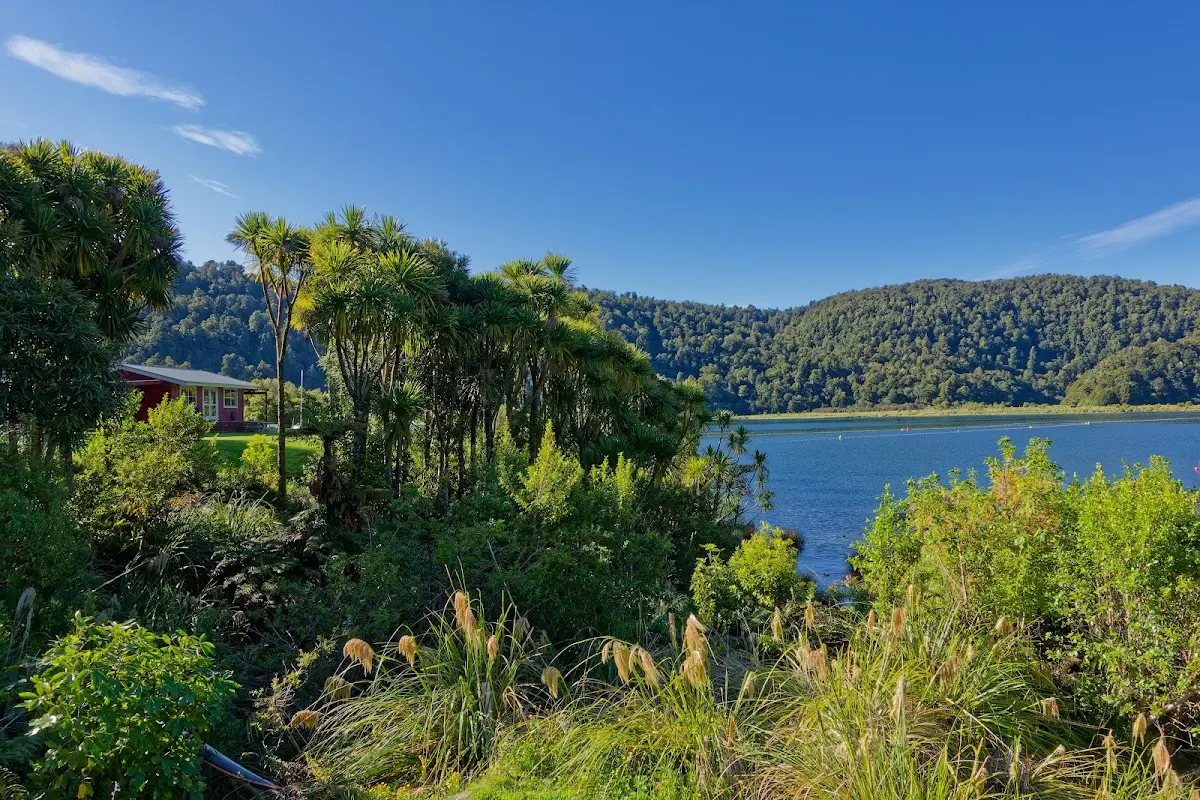
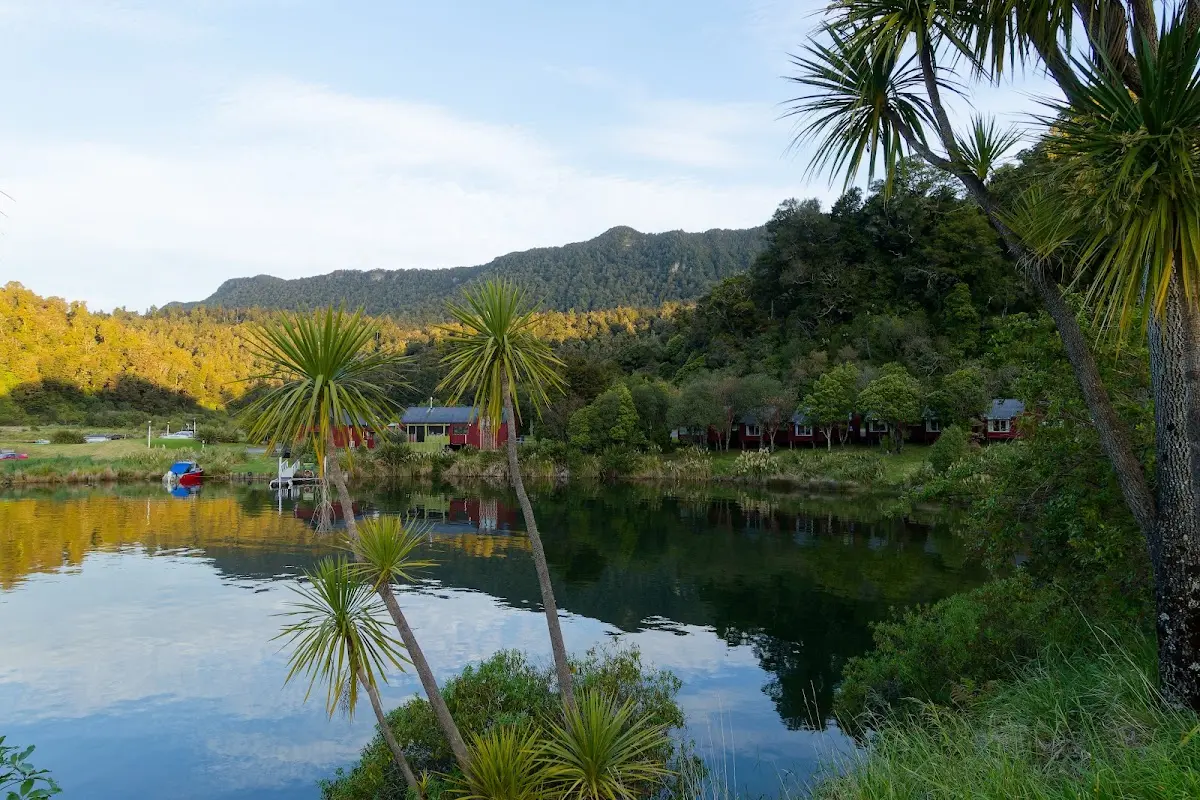
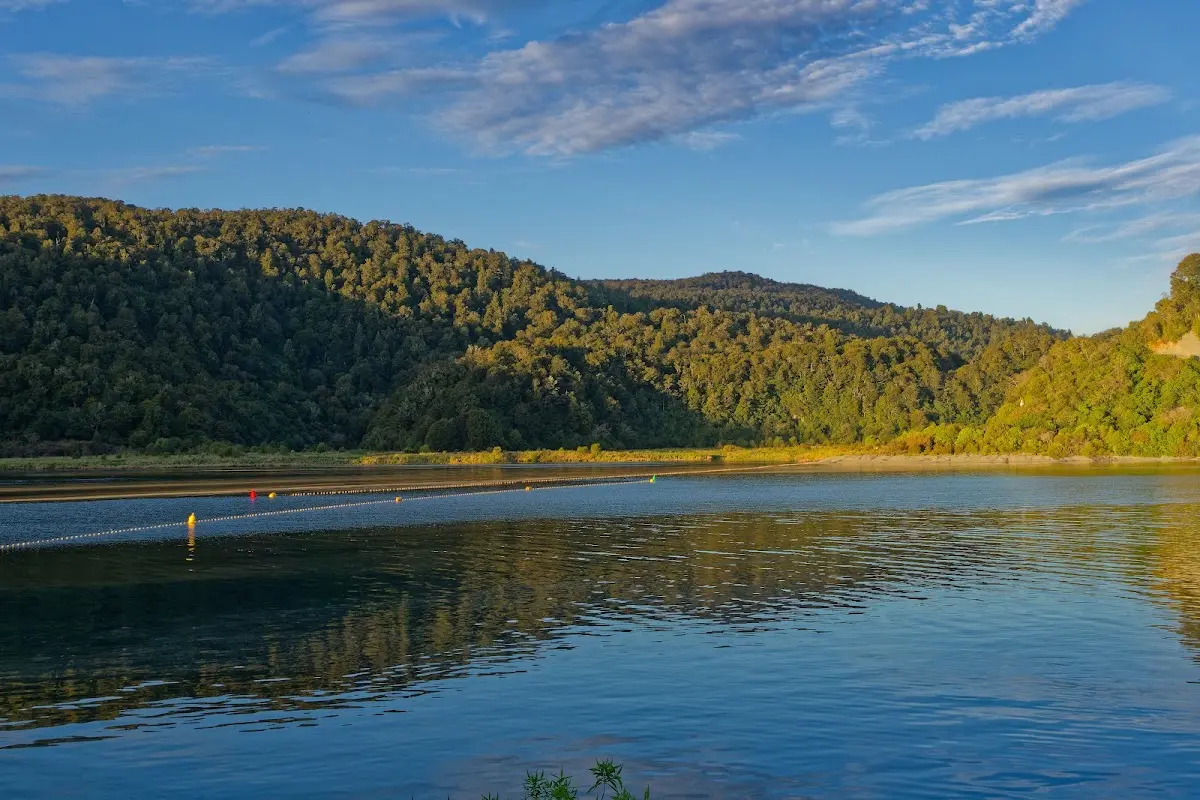
Lake Waikaremoana, located in Te Urewera on New Zealand's North Island, is 60 kilometers northwest of Wairoa and covers 54 square kilometers. The name translates to 'sea of rippling waters' in Māori. The lake is within the tribal boundaries of Ngāi Tūhoe, Ngāti Ruapani, and Ngāti Kahungunu ki Te Wairoa. Aniwaniwa, a hamlet on the lakeshore, hosts a Department of Conservation office and serves as a starting point for several walking tracks, including a short walk to Āniwaniwa Falls.
The village of Onepoto is situated on the lake's southern shores, near the old overflow channel and the intake of the Waikaremoana hydroelectric power scheme. Onepoto, meaning 'short beach,' refers to a small bay with a 60-meter-long beach. Lake Waikaremoana is a popular holiday destination for fishing, tramping, and other recreational activities. The Lake Waikaremoana Track, one of New Zealand's Great Walks, is a three- to four-day tramp around half of the lake's circumference, with huts and camping spots available for visitors.
The lake, formed by a massive landslide dam around 2,200 years ago, is the North Island's deepest lake at 256 meters. It is surrounded by mountains with native forests that have never been logged, making it ecologically significant. The area is home to various native bird species and a kiwi conservation program. A possum-hunting initiative helps protect the forest, which features numerous understory species like the crown fern. The lake's molluscs have been studied since the early 1900s.
Lake Waikaremoana has a temperate climate in summer and cool winters, with occasional snowfalls. The region experiences heavy rains, particularly in late winter and early spring, making the weather unpredictable. The lake is less congested with tourists due to the extensive unsealed road required to reach it, offering a more serene experience compared to other Great Walks in New Zealand.