Biking and Hiking New Zealand - 04 Coromandel
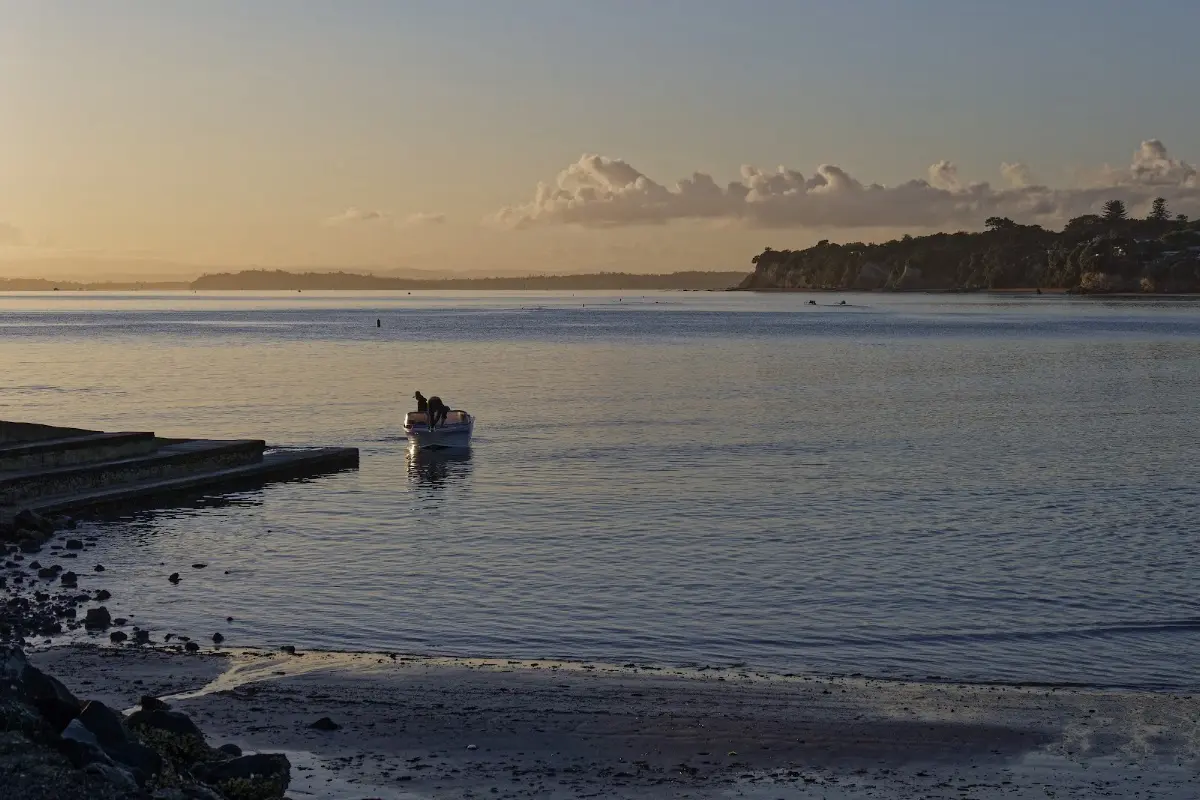
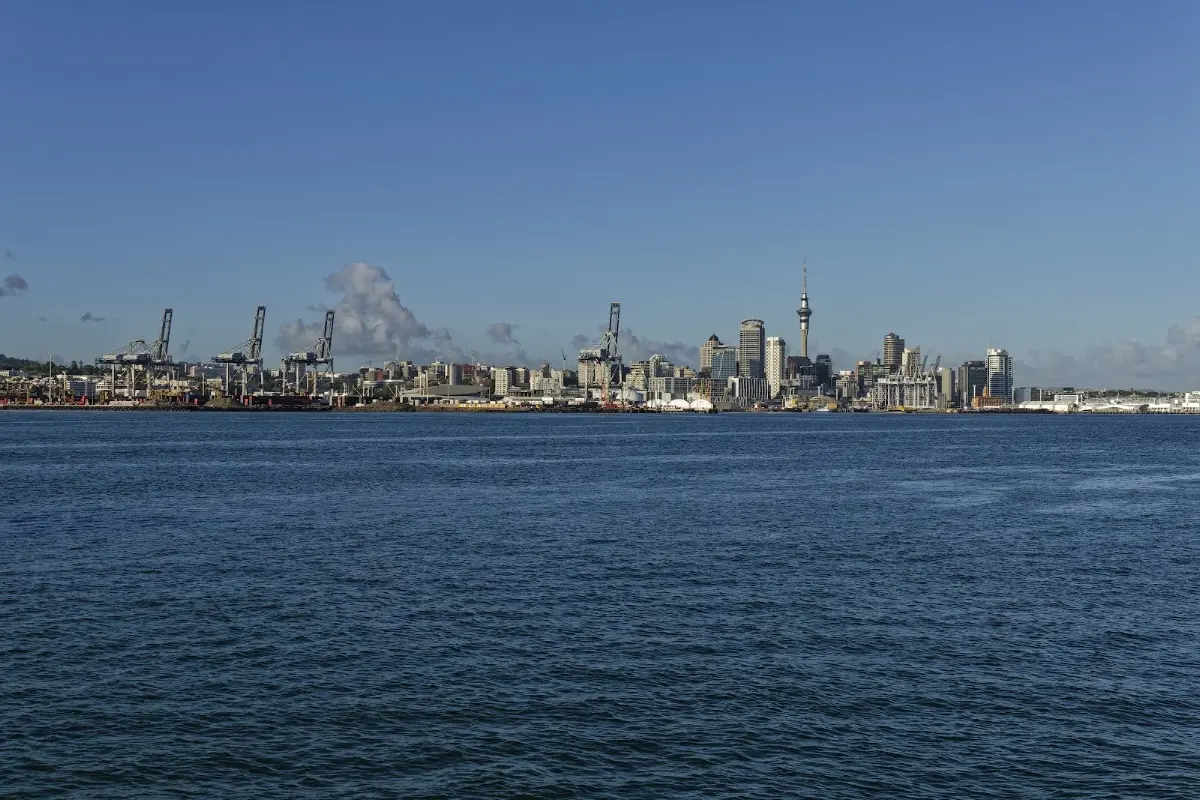
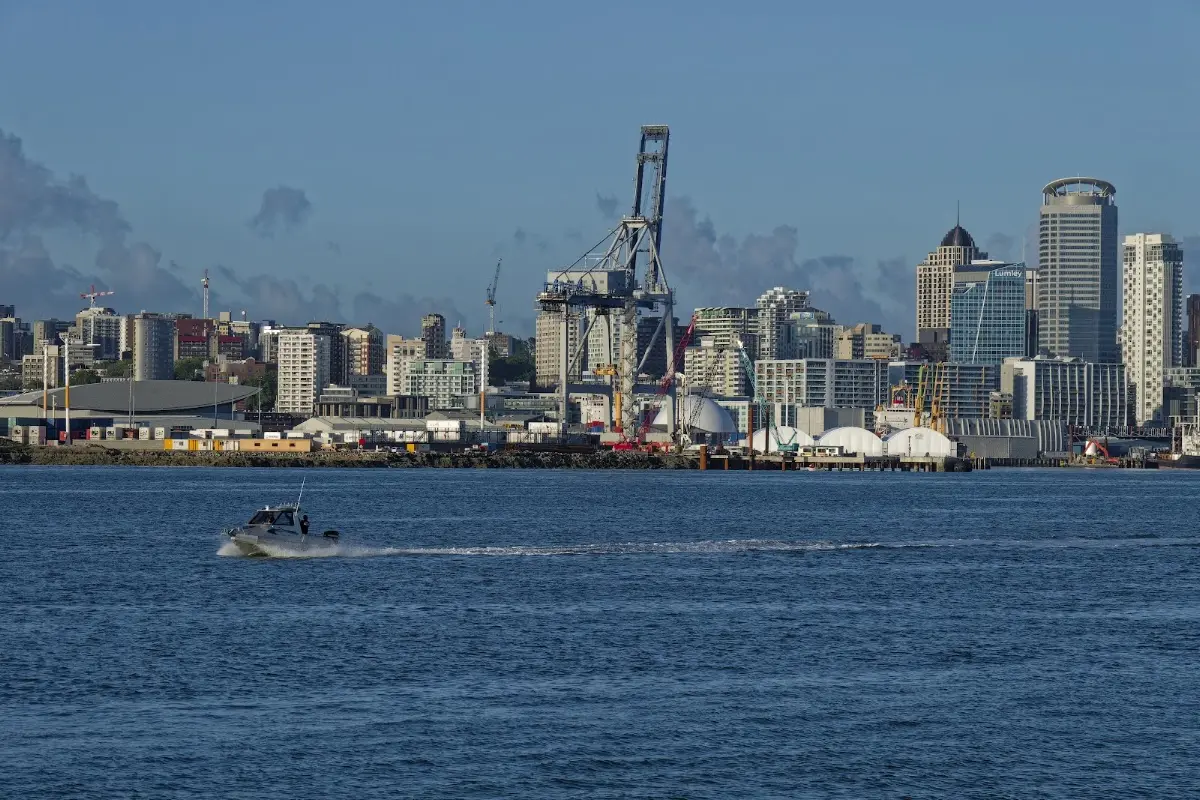
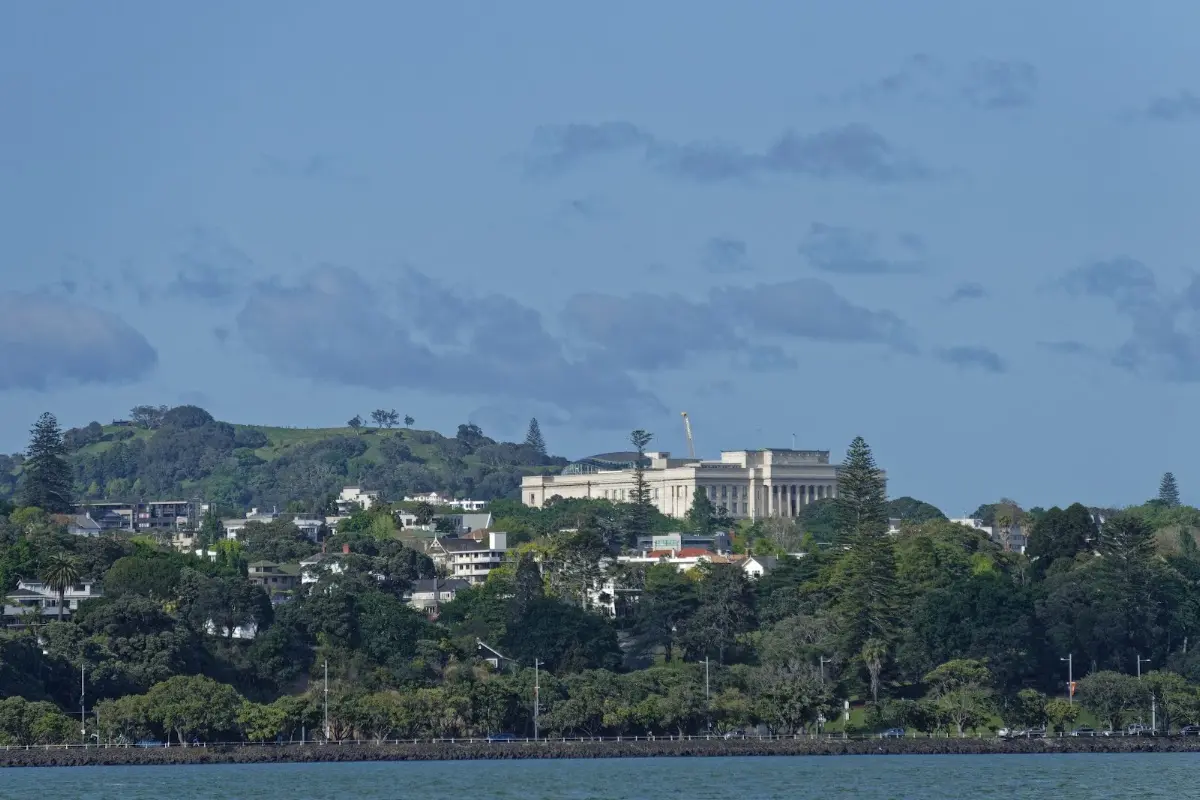
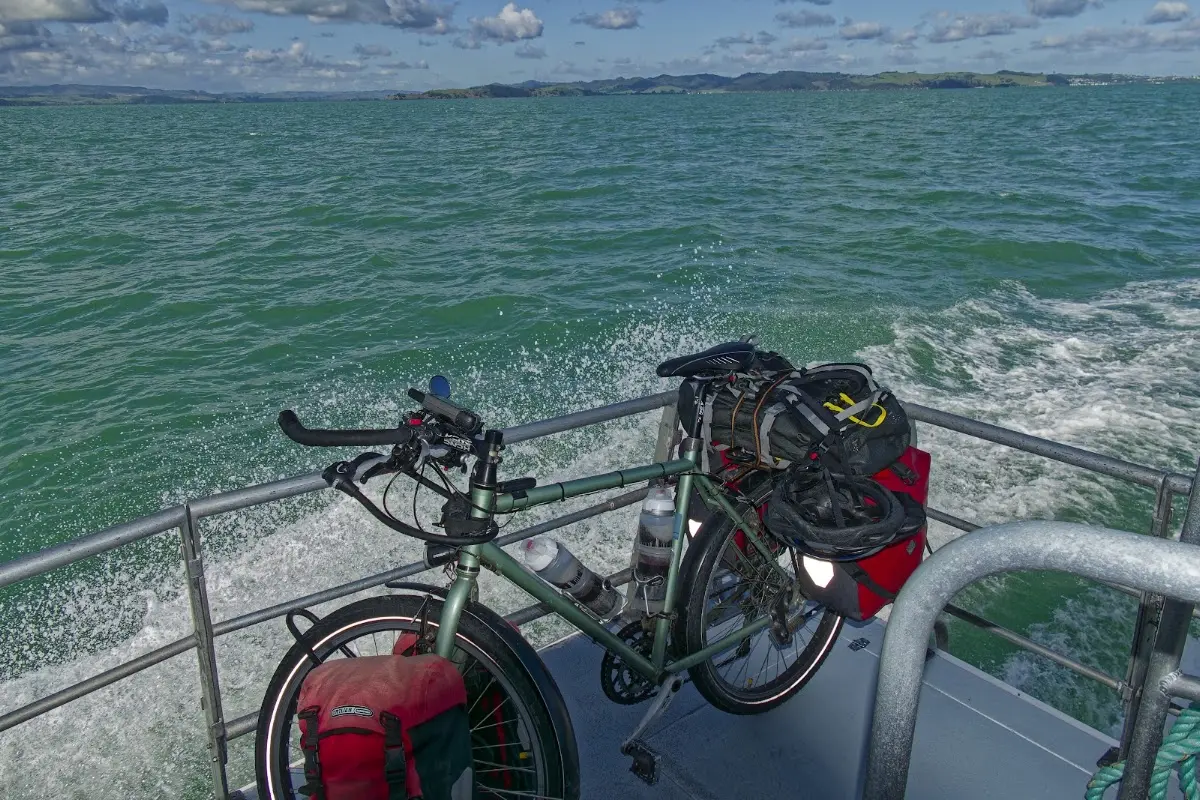
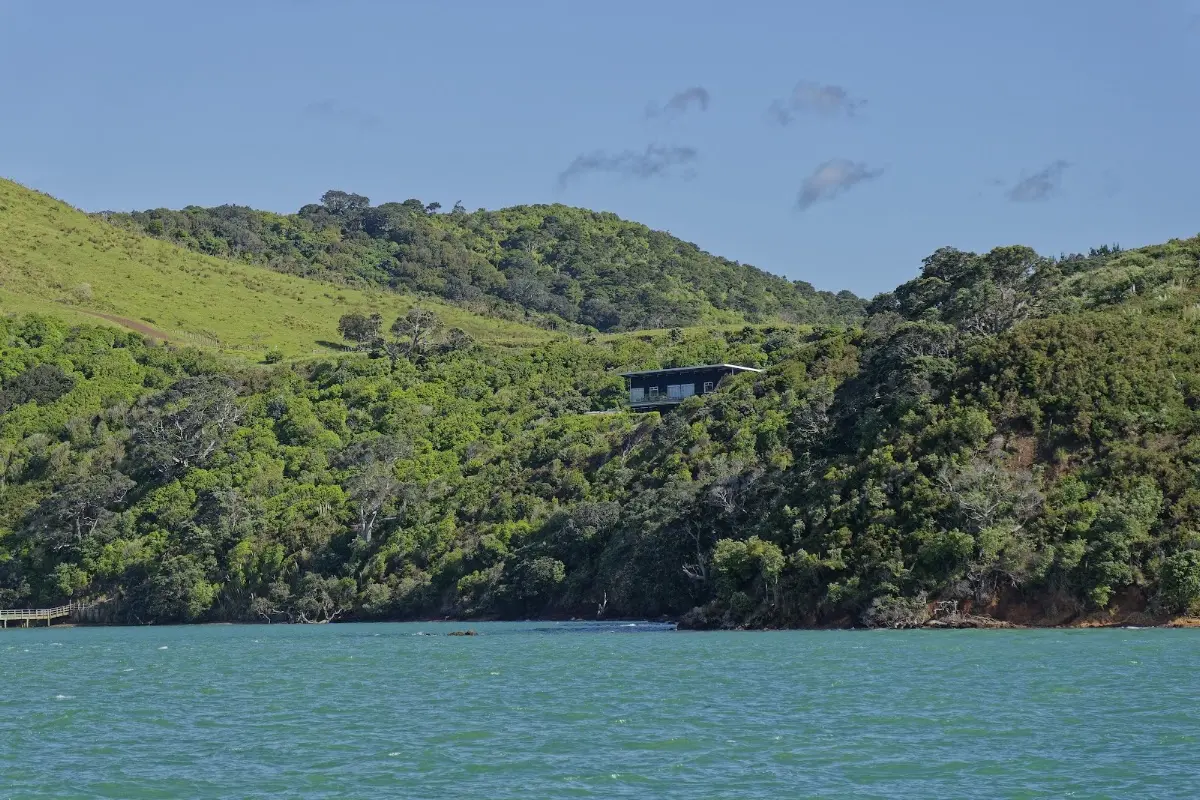
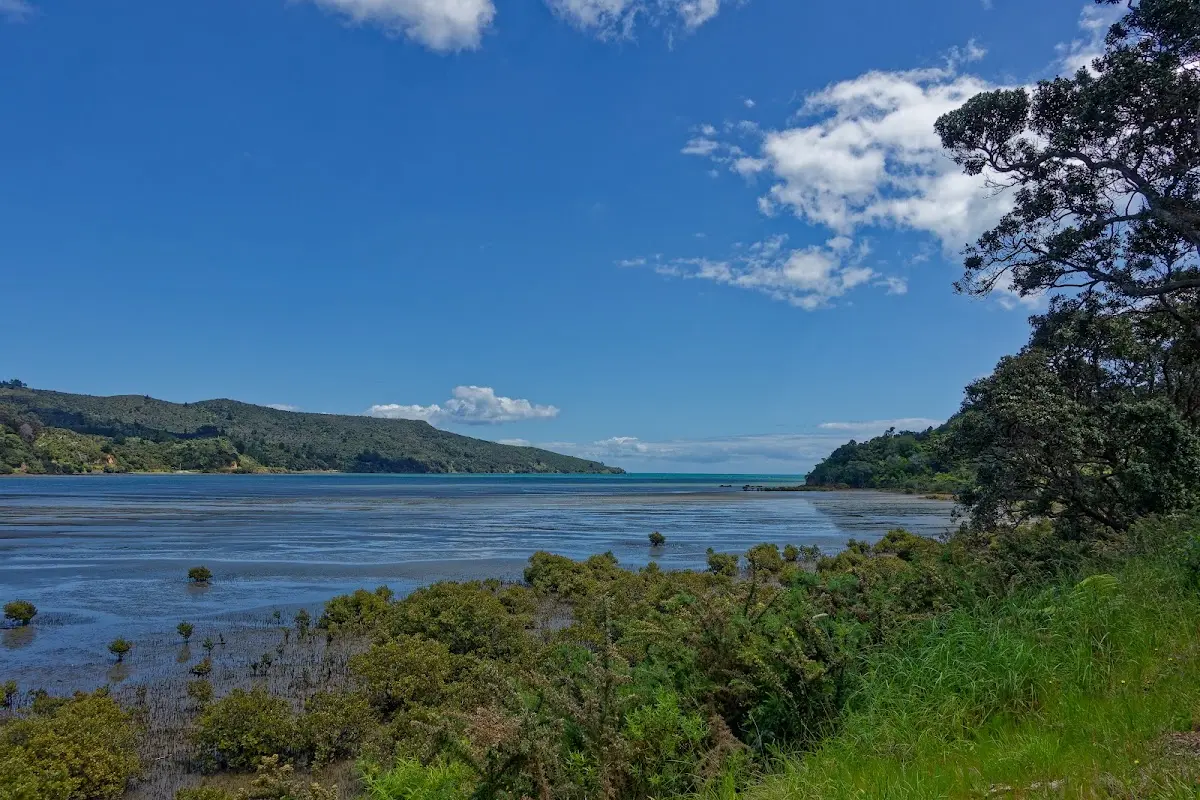
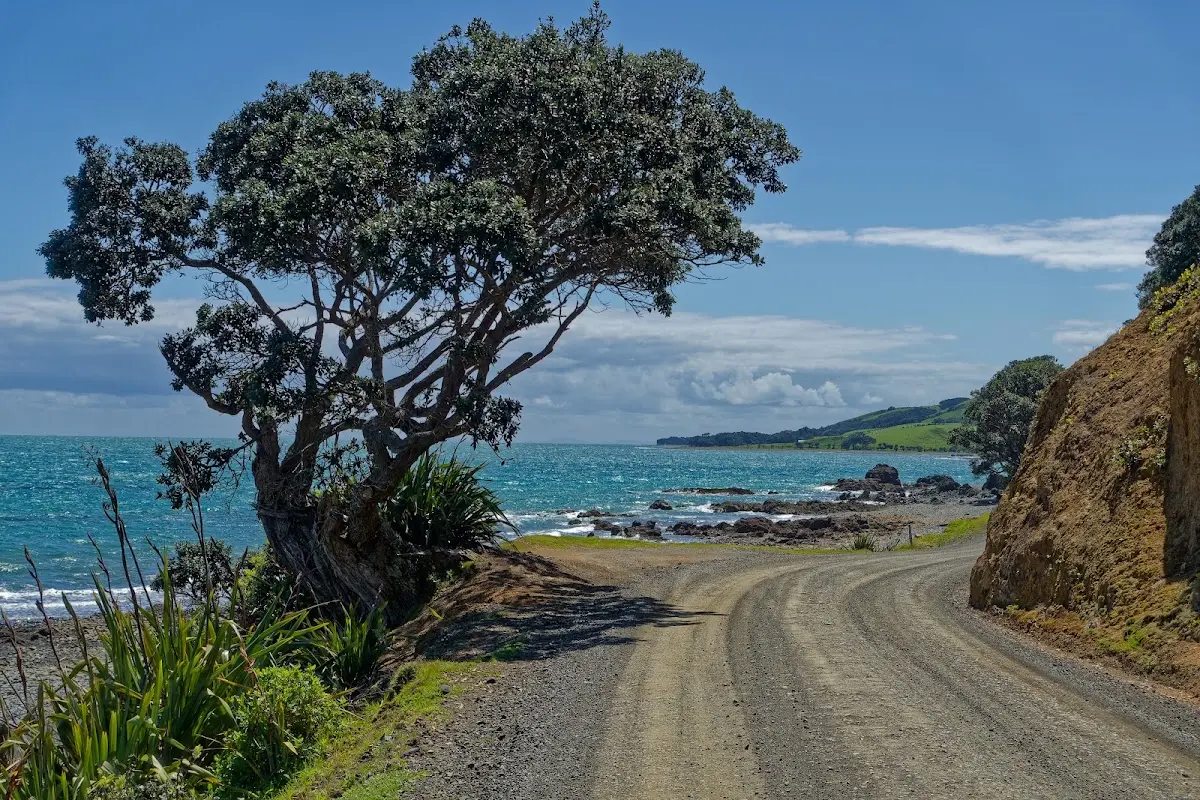
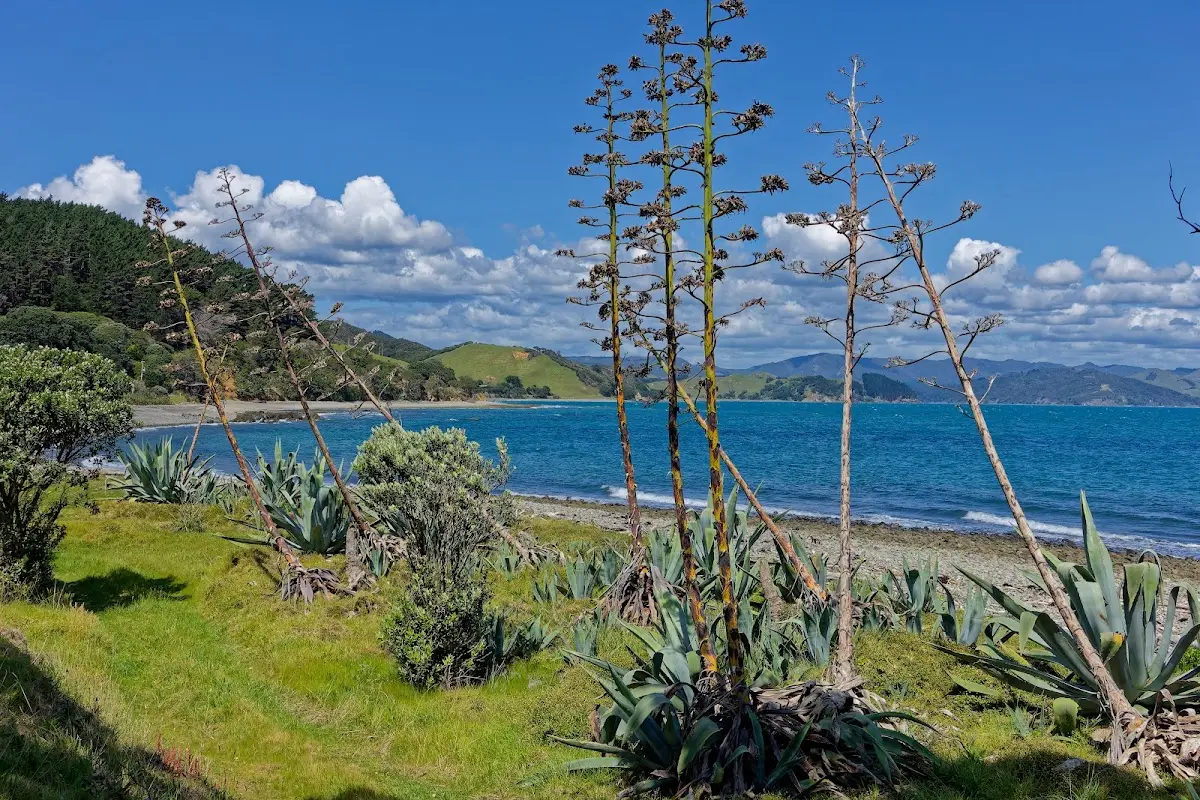
Up early to catch the 7:30 a.m. ferry to Auckland, then transfer to another ferry at 8:45 for the two-hour trip to Coromandel, with three stops at islands along the way. The jetty is about 10 km south of Coromandel town. Gold was discovered here in 1852, and some of the old mining sites can still be visited. From Coromandel I rode via Colville north into a dead end: Fletcher Bay. It is a very isolated place, with many pōhutukawa trees above turquoise water. I did not arrive until 16:15 — five hours from Coromandel. Today: 85 km in 5 hours 23 minutes. In the evening I walked part of the Coromandel Walkway. The area is really fantastic. Everyone talks about Ninety Mile Beach and the kauri forest, but for me the traffic in the far north near Auckland was much less appealing than this.
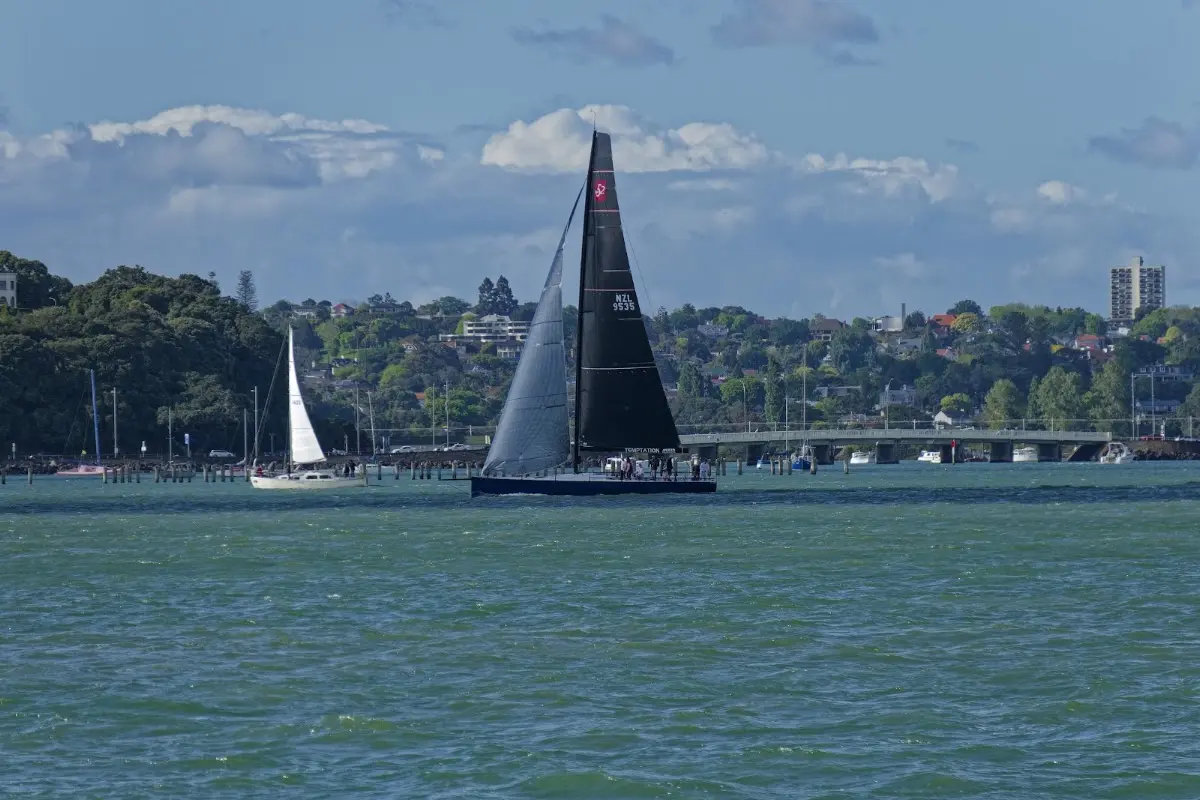
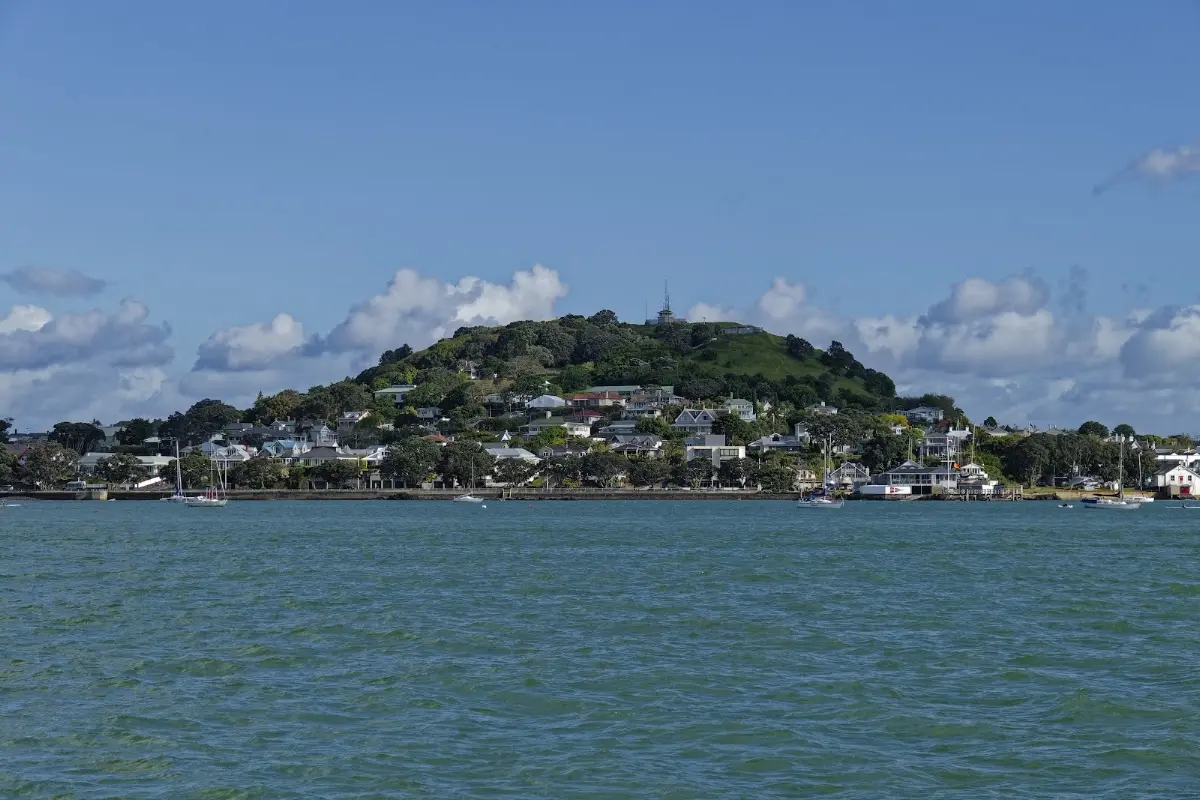
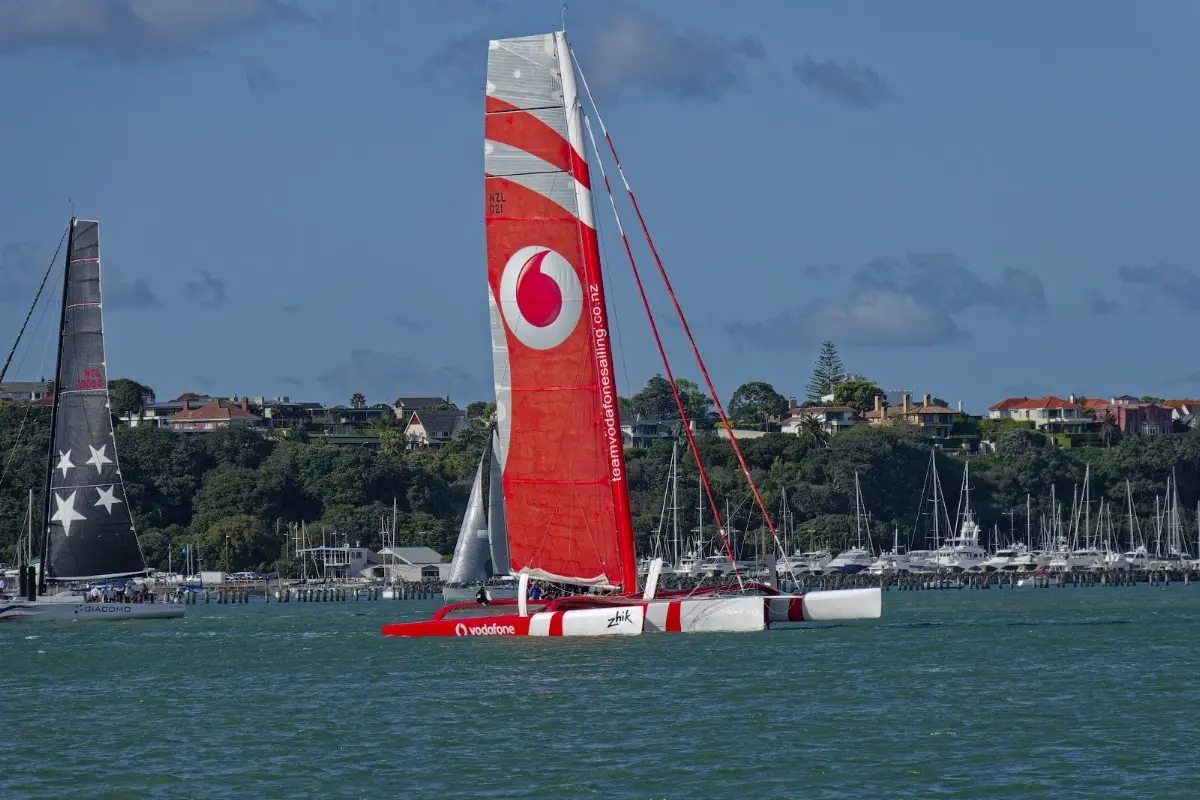
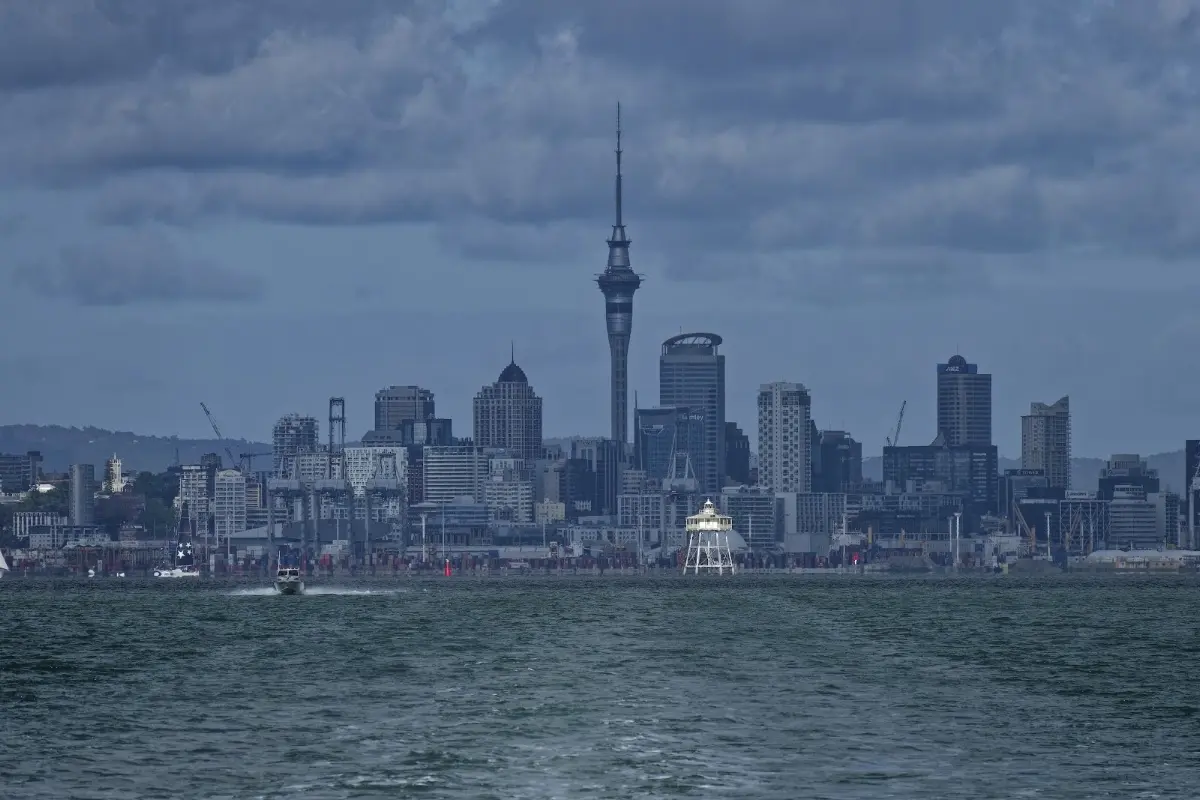
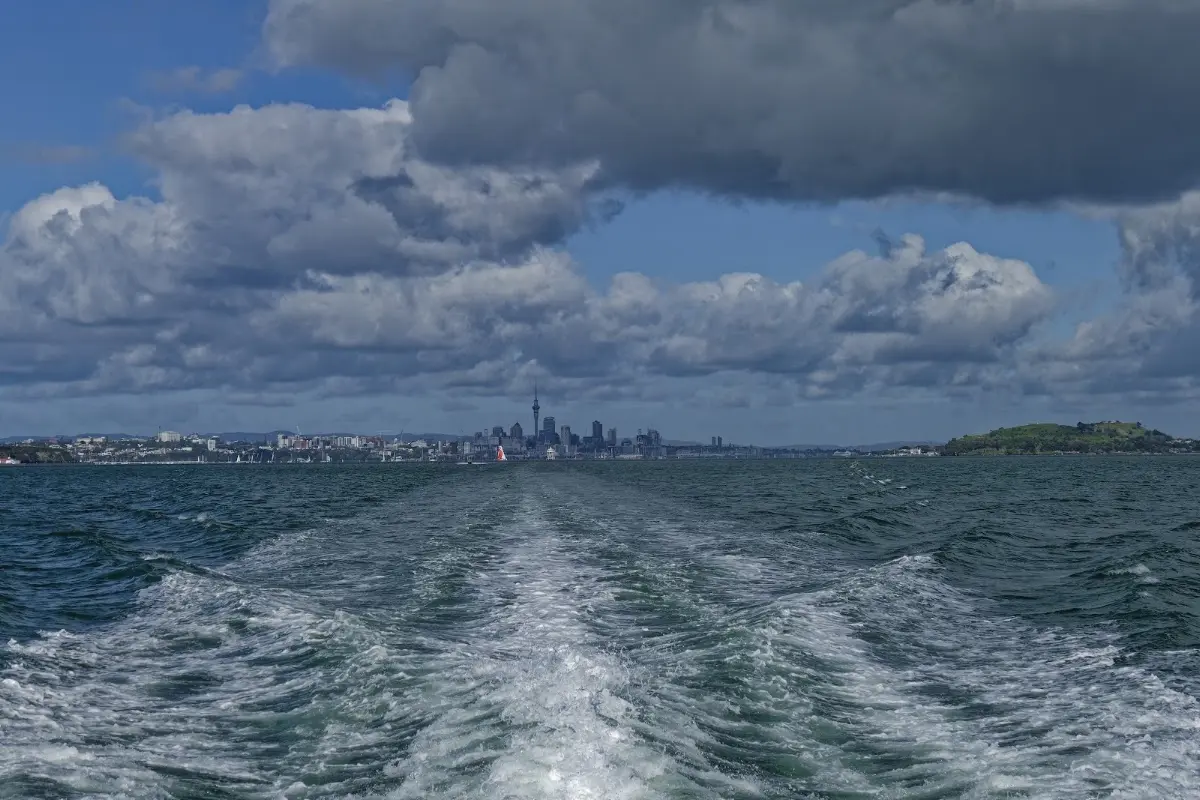
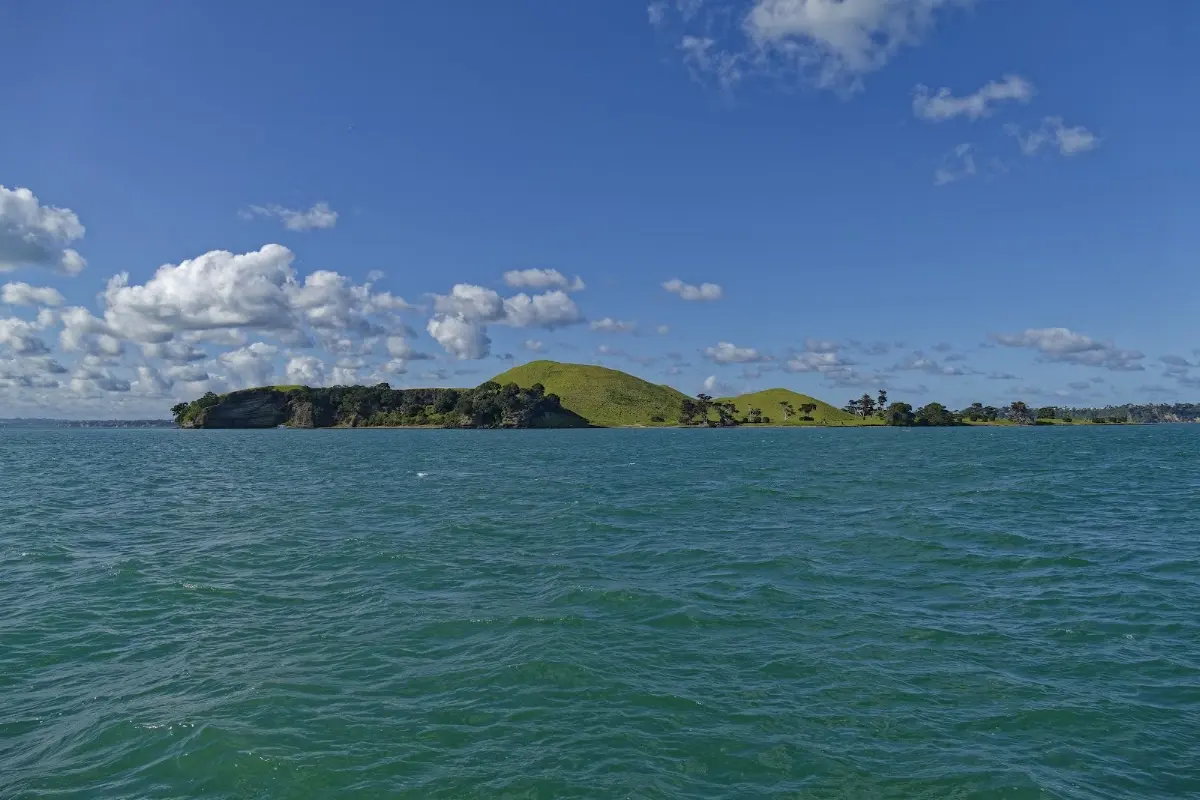
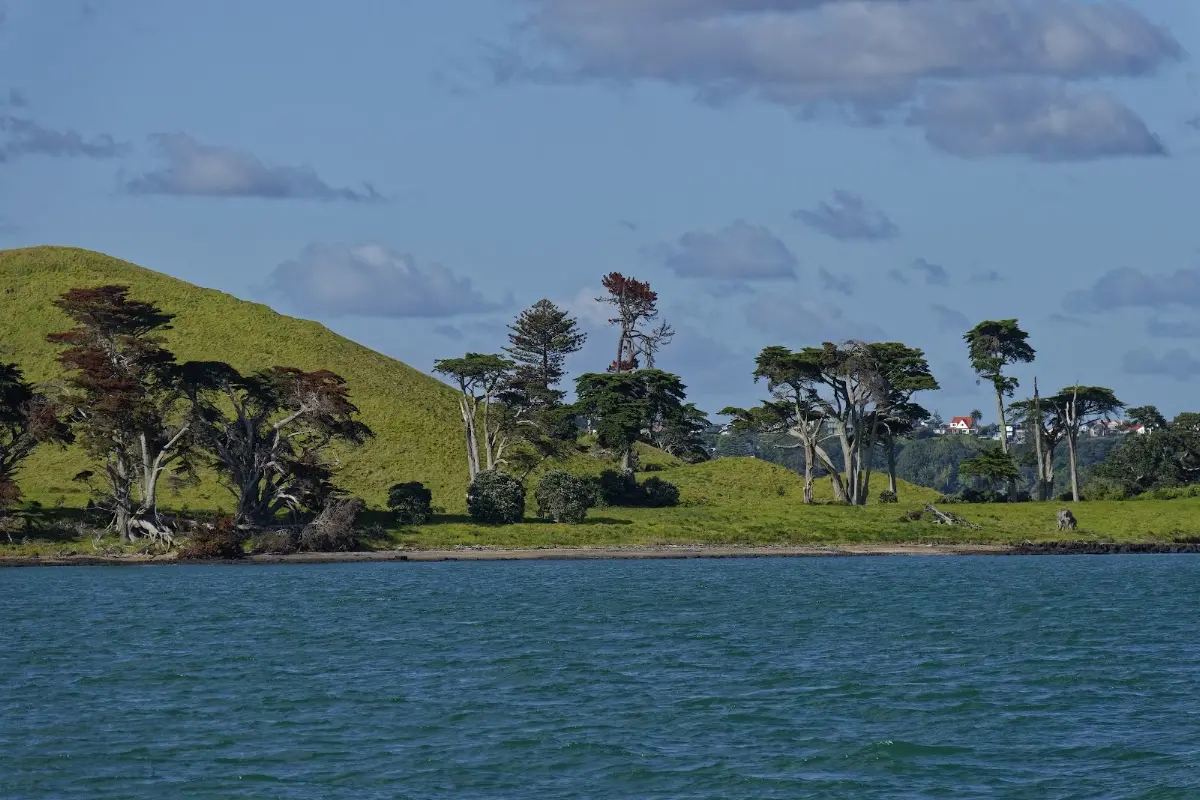
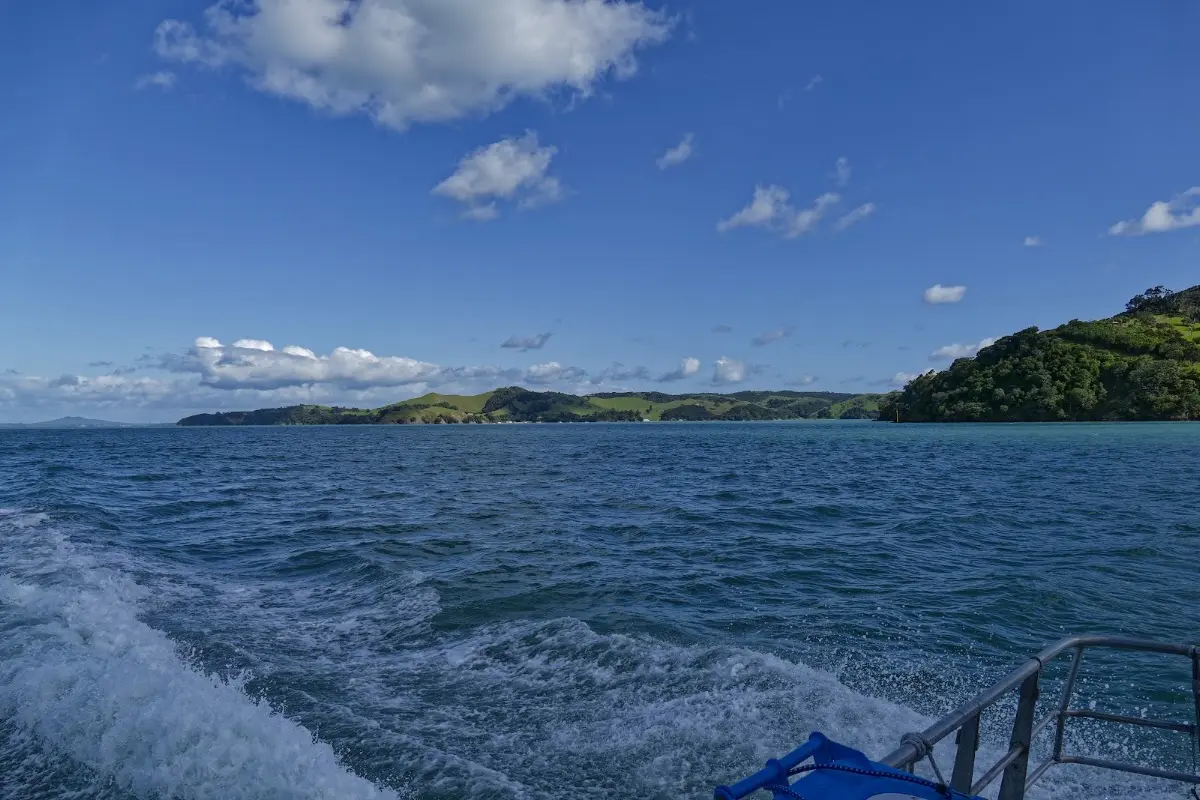
Coromandel Peninsula
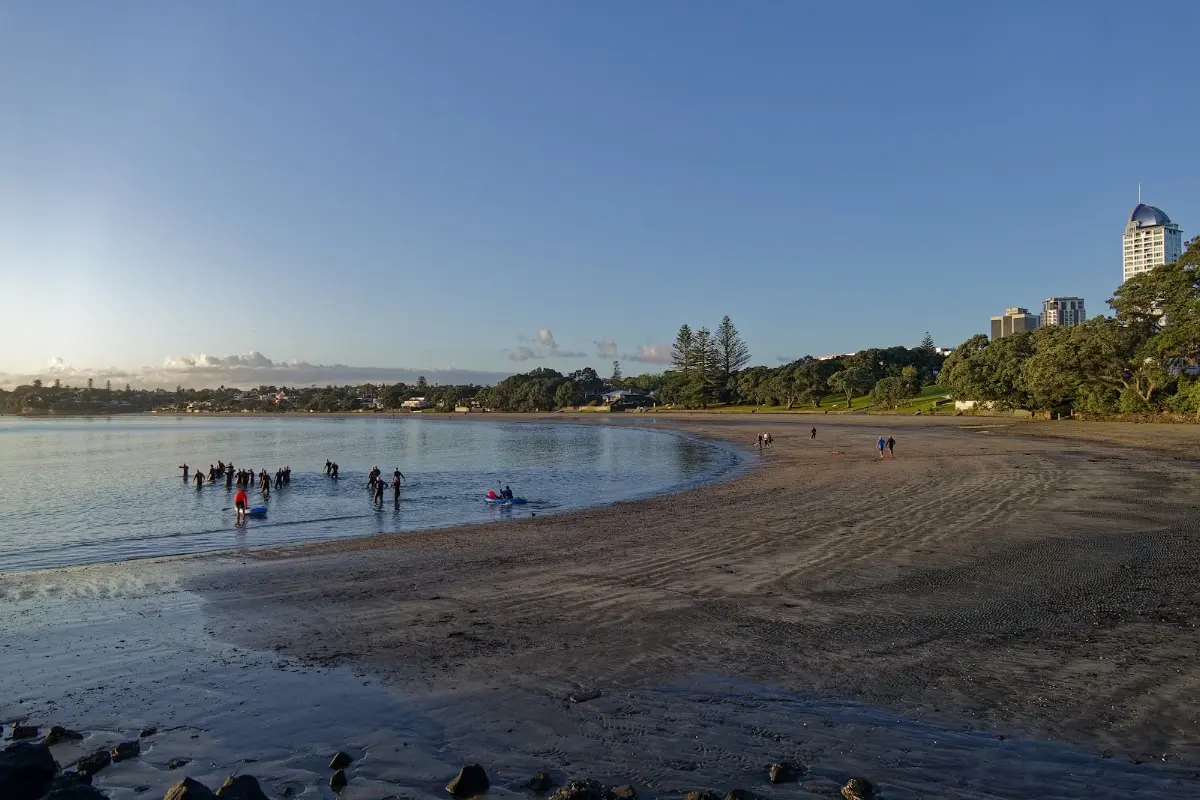
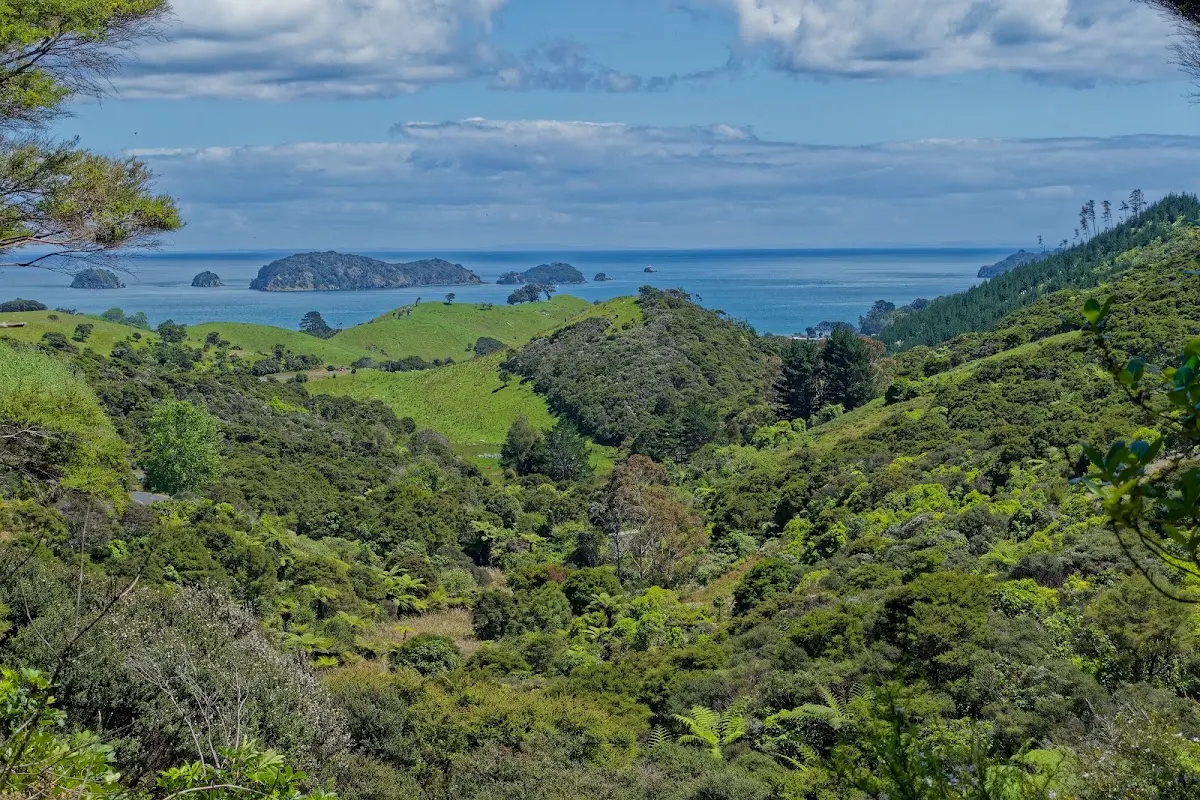
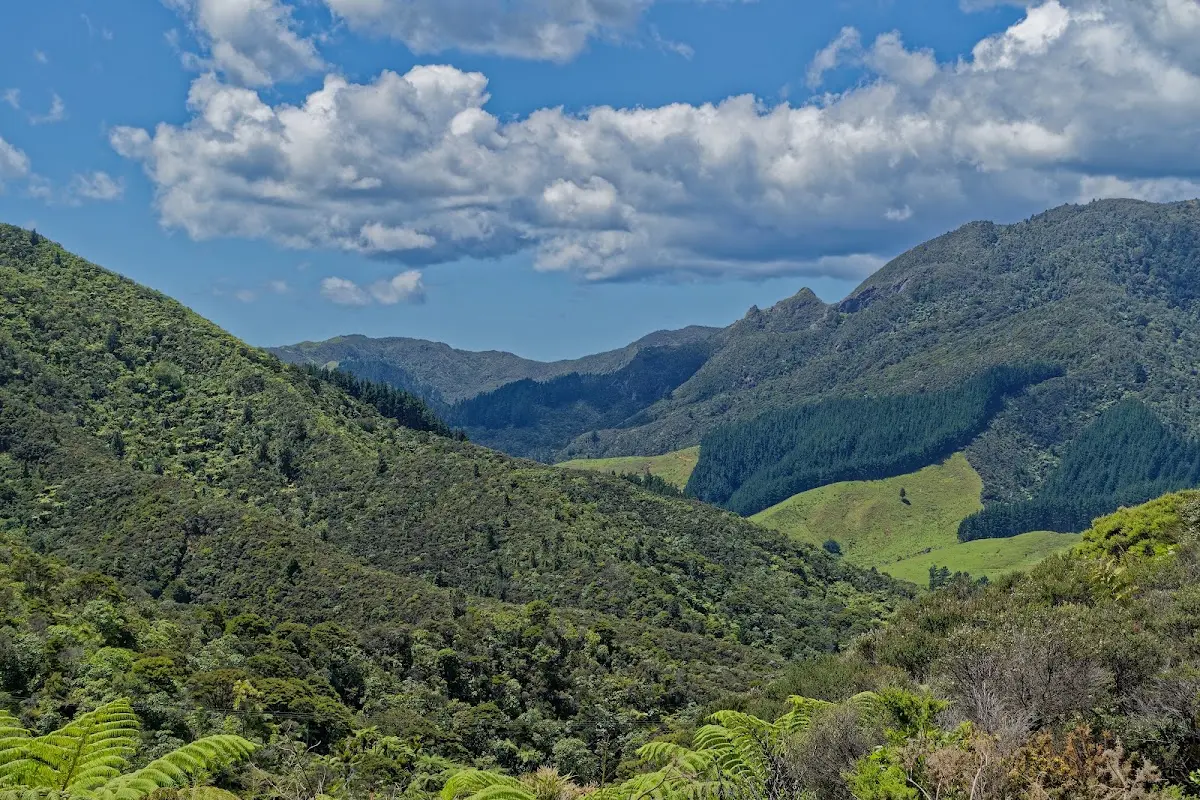
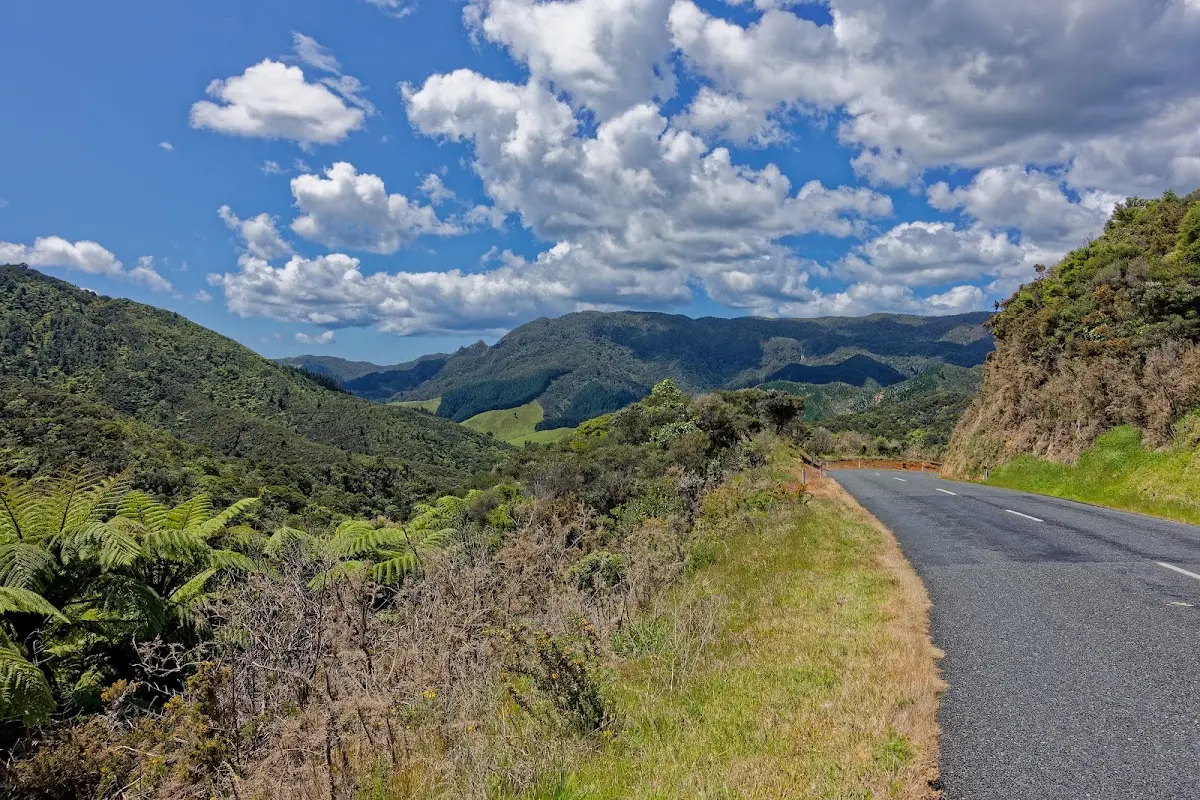
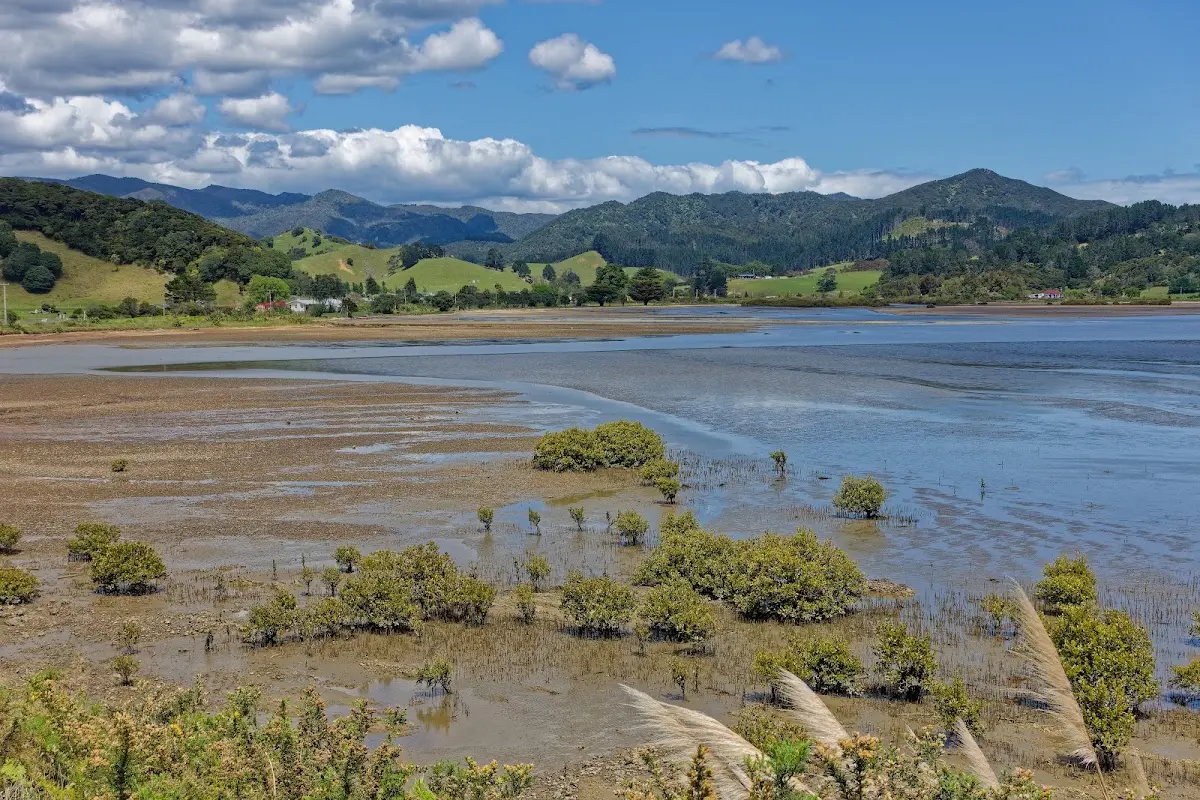
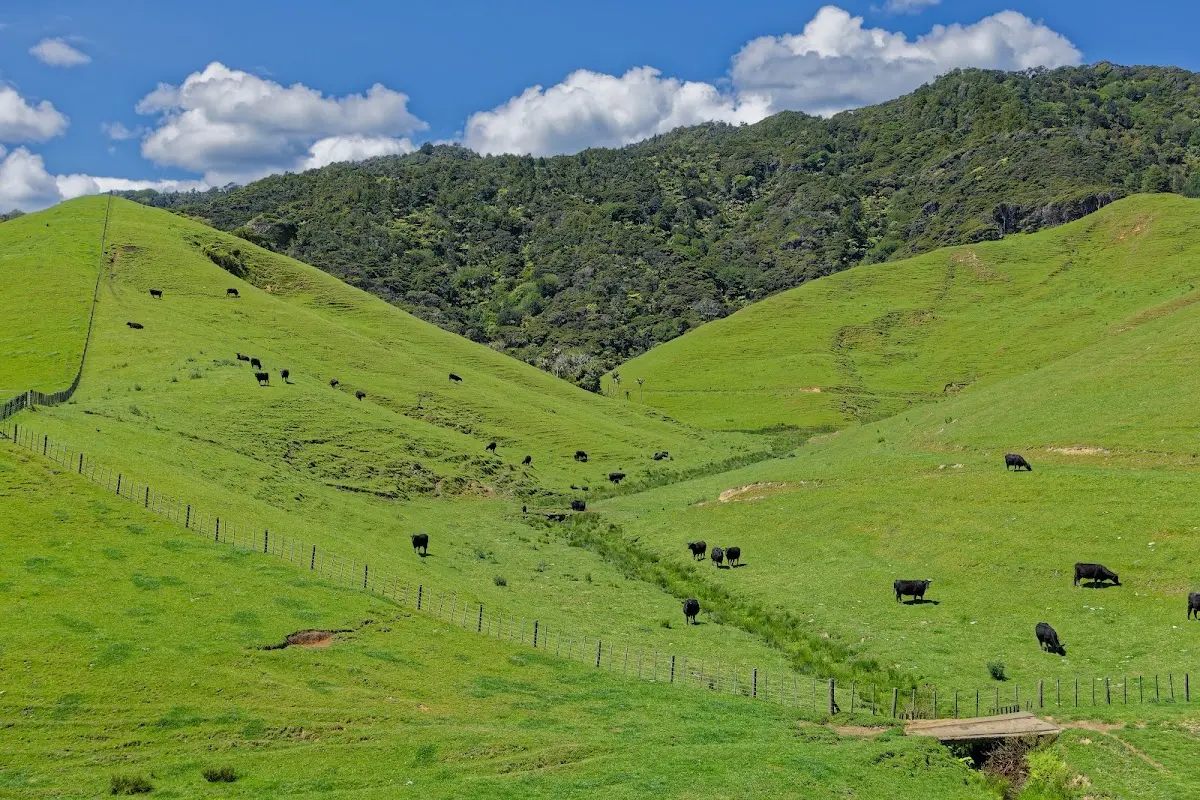
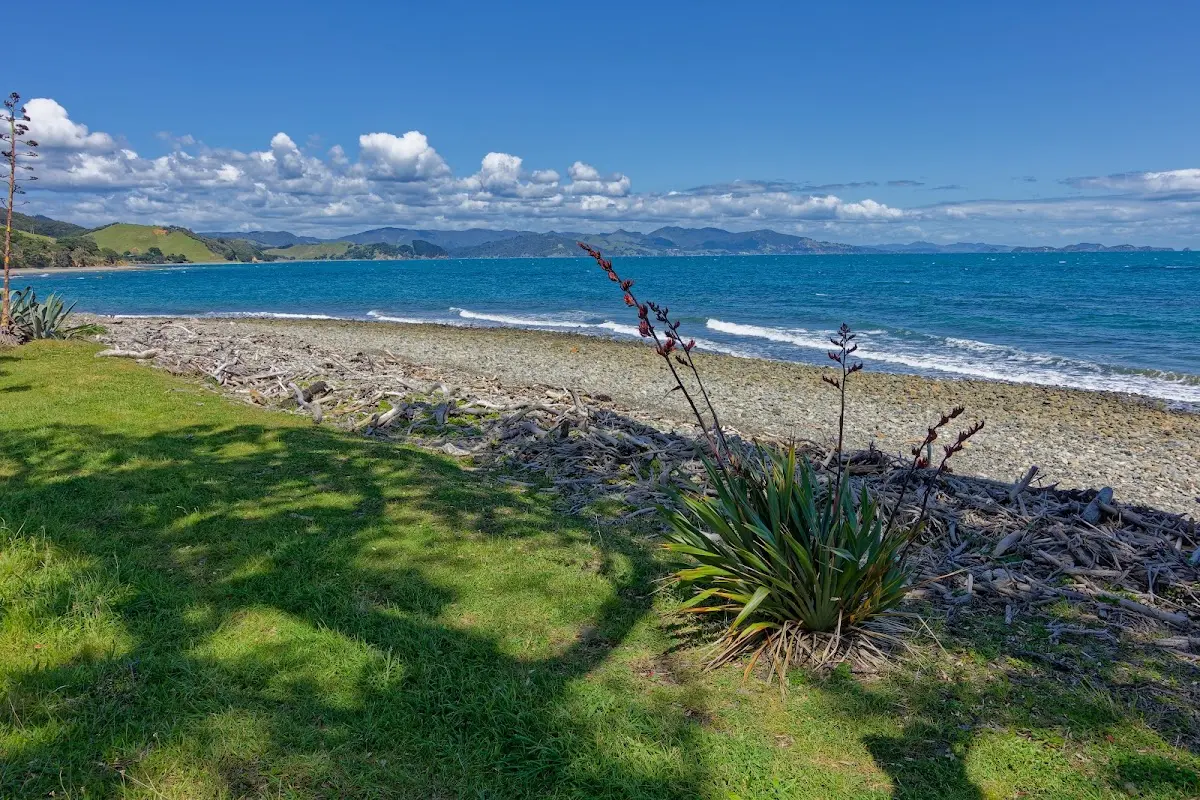
The Coromandel Peninsula is one of the North Island’s most distinctive coastal regions: steep, bush-covered, and much more rugged than the map first suggests. It forms a long barrier between the Pacific Ocean and the Hauraki Gulf, with most settlements squeezed into narrow strips along the coast while the interior remains hilly and forested. Even though it lies relatively close to Auckland, large parts of the peninsula still feel remote.
Its Māori name, Te Tara-o-te-Ika-a-Māui, means “the barb of Māui’s fish,” linking the peninsula to the wider Māori story of the North Island as the fish hauled from the sea by Māui. The English name comes from HMS Coromandel, a Royal Navy ship that visited in the early 19th century. Gold, kauri timber, beaches, geothermal activity, and an unusually beautiful coastline have all helped shape the peninsula’s history and character.
Māui - Te Tara-o-te-Ika-a-Māui
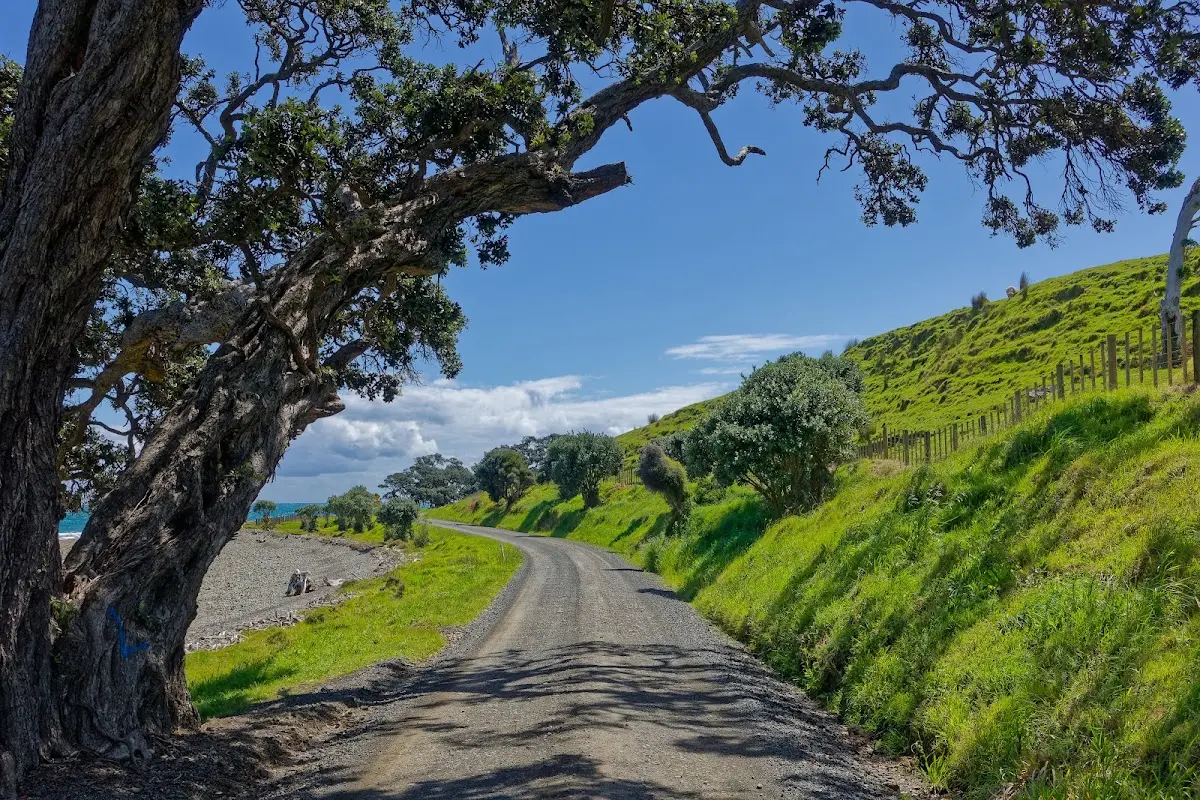
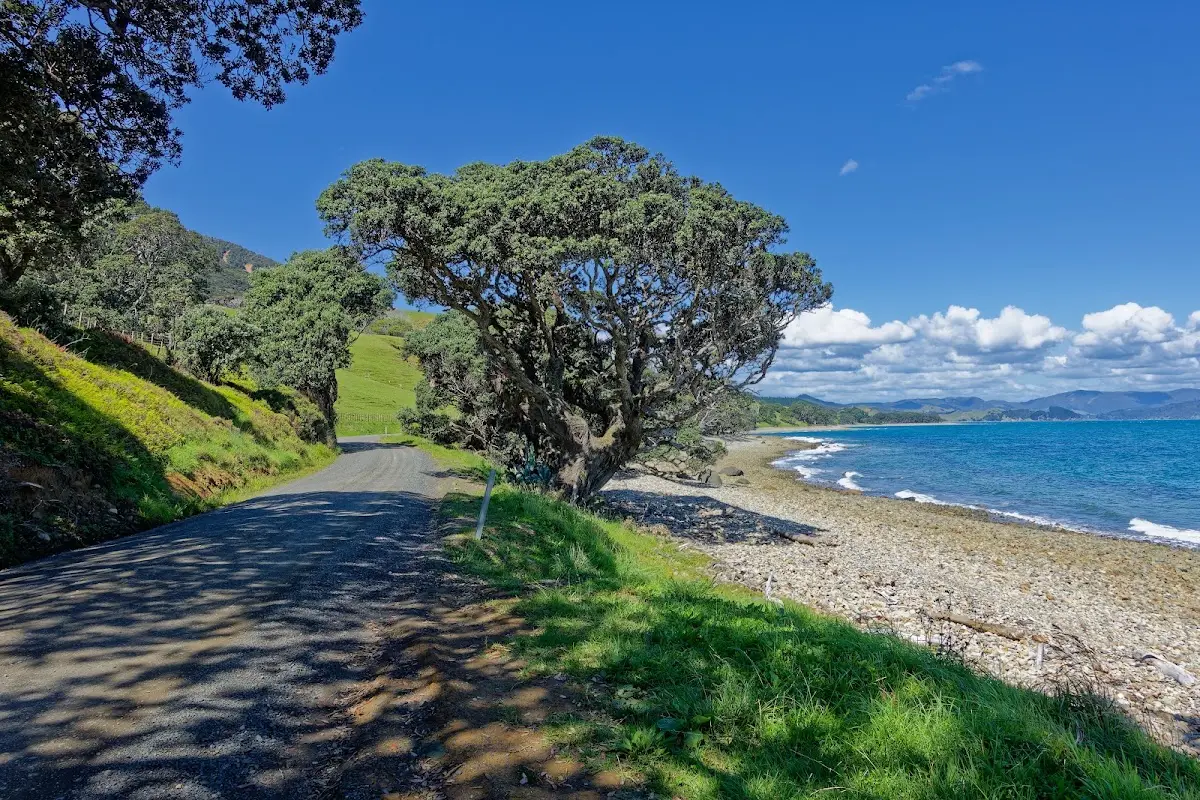
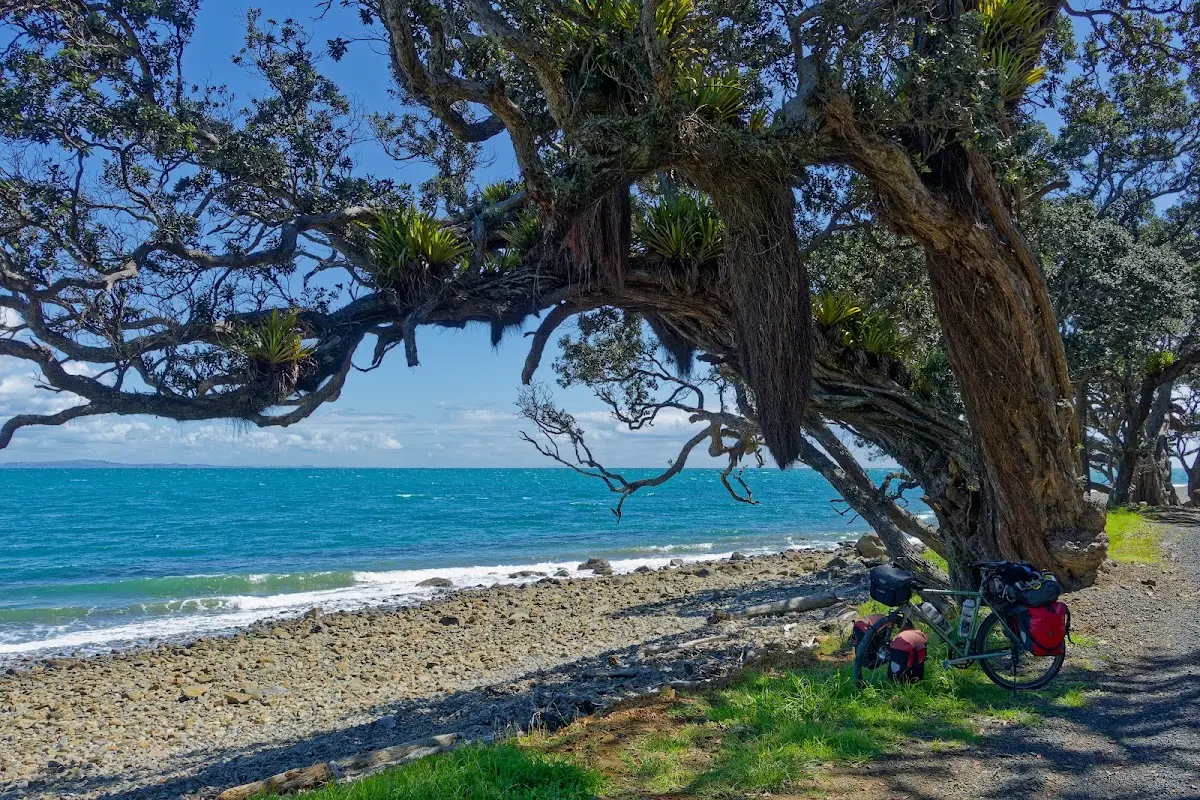
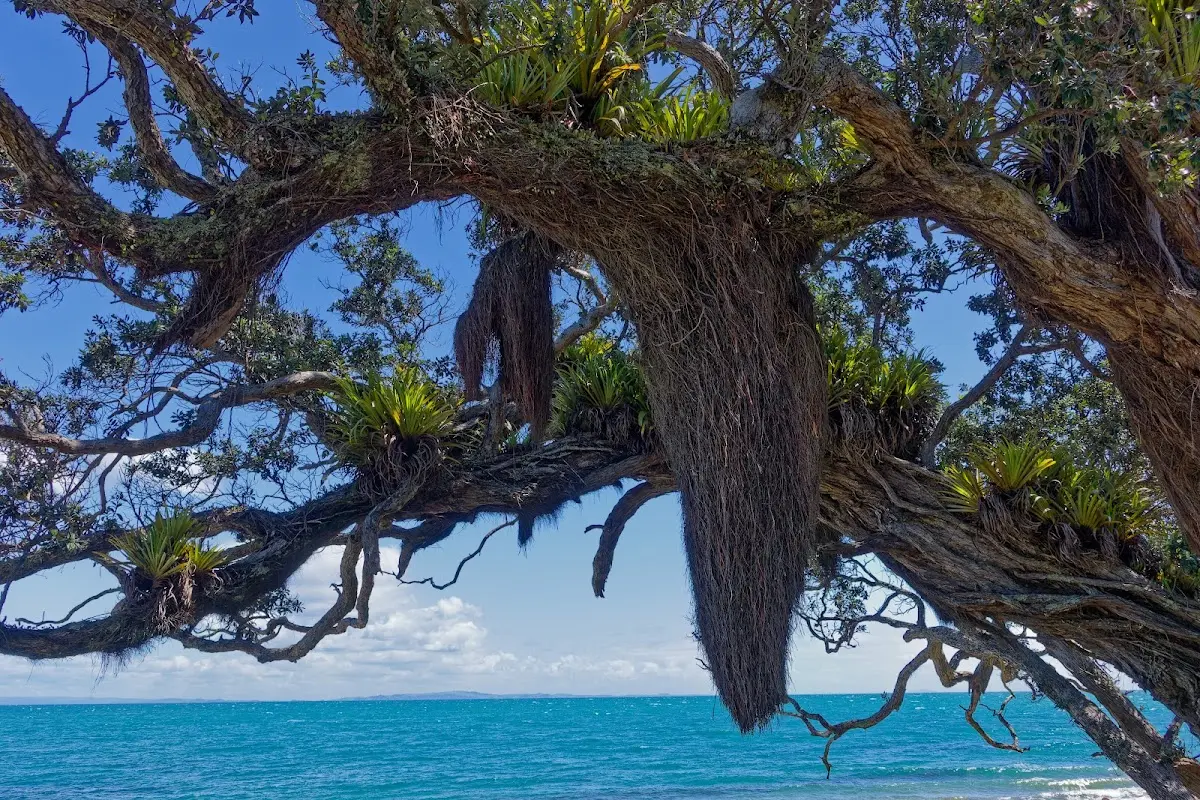
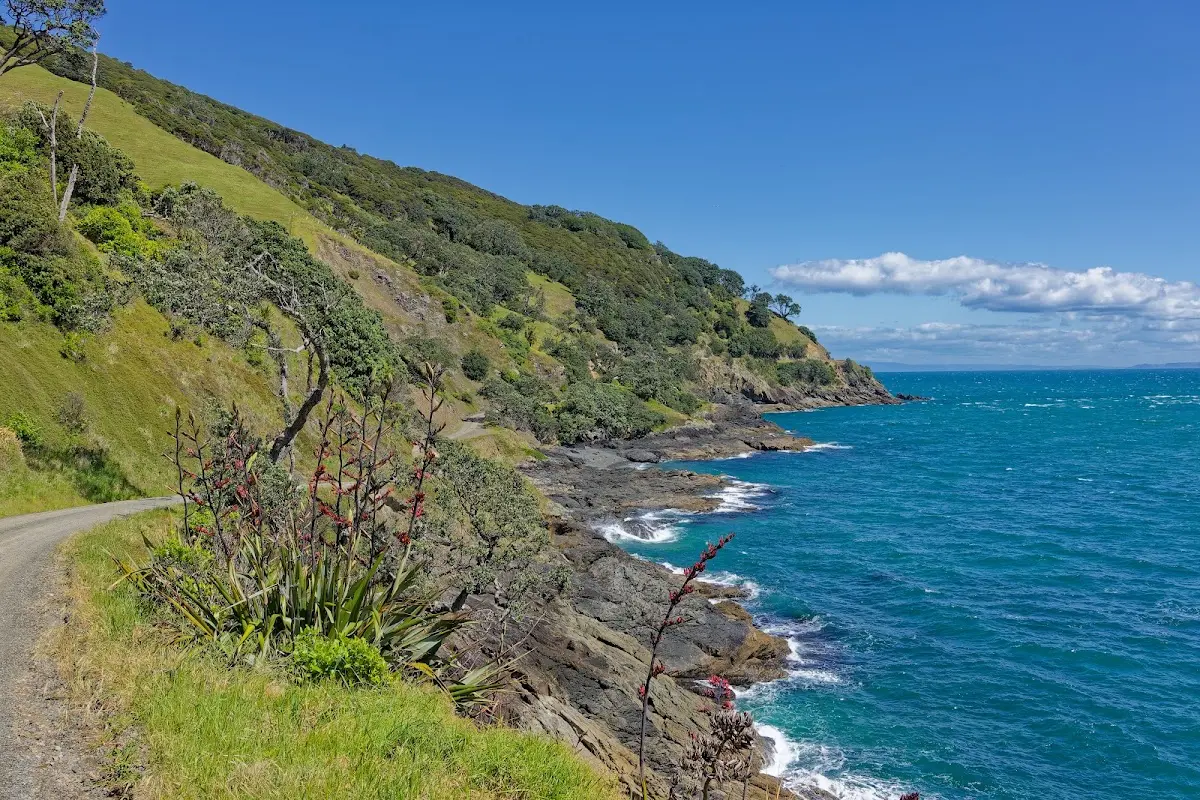
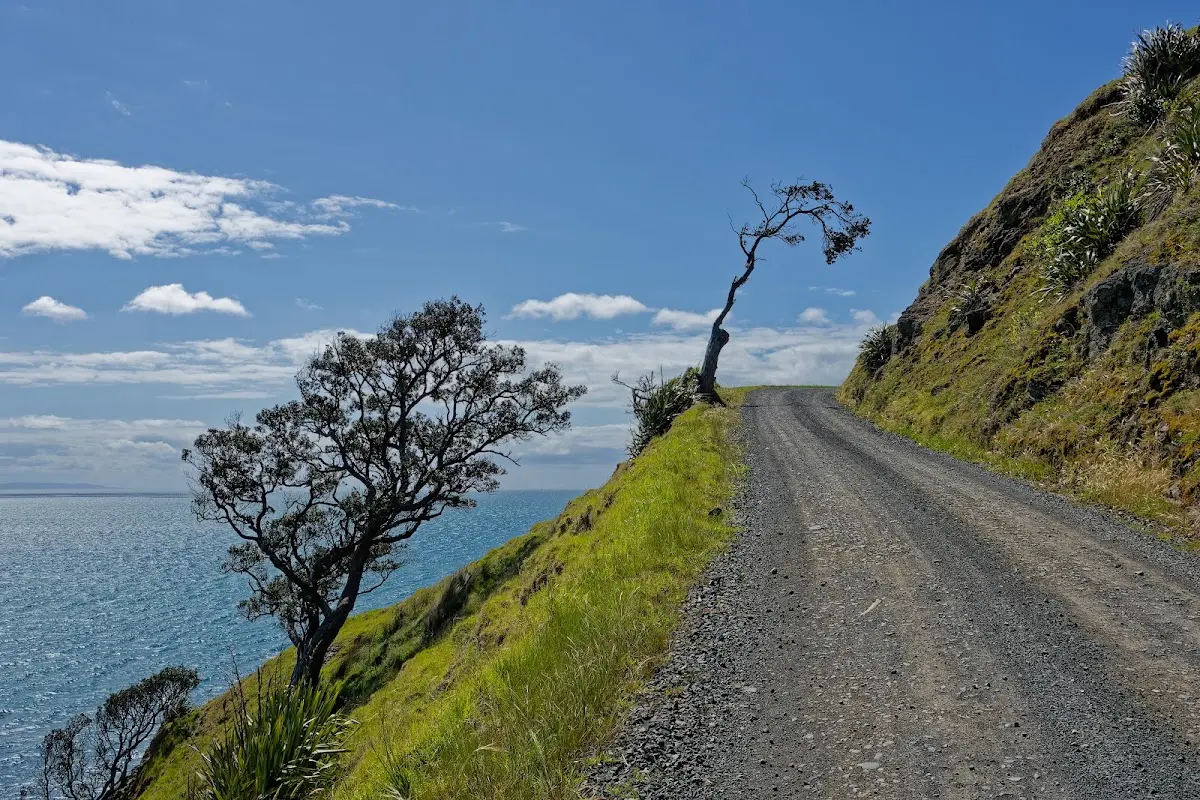
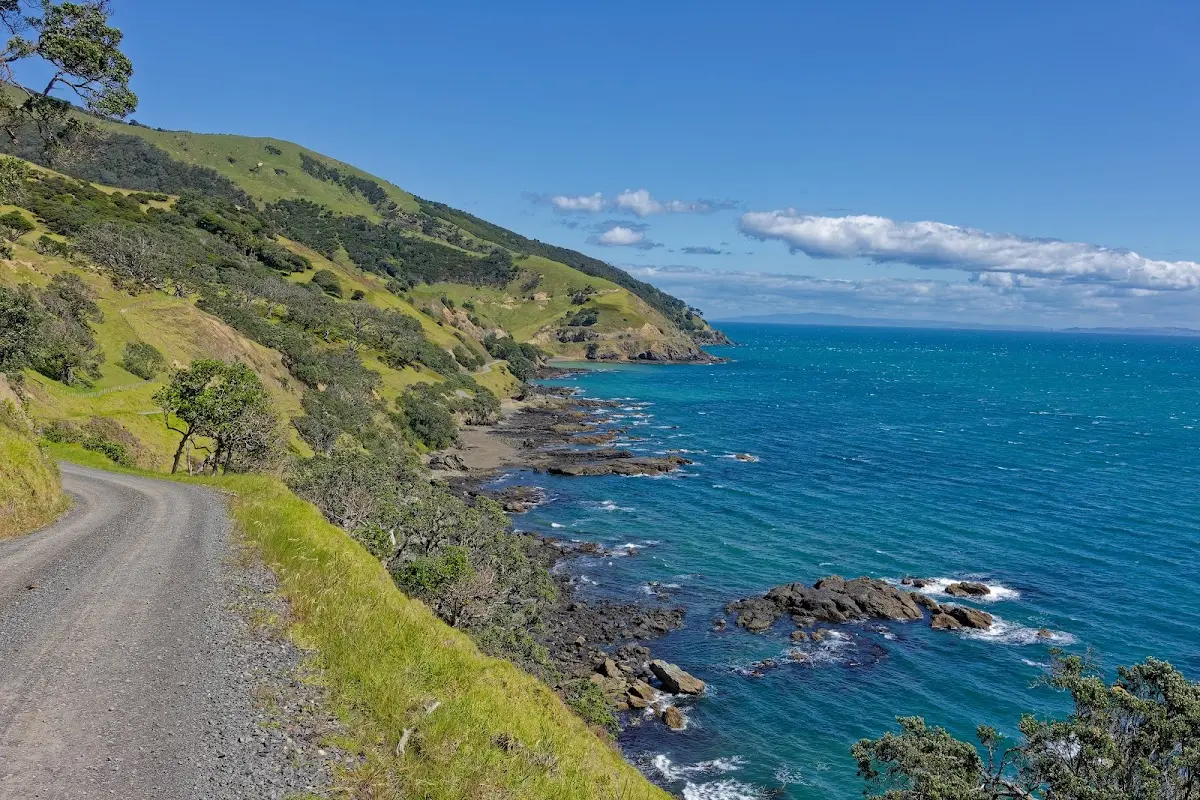
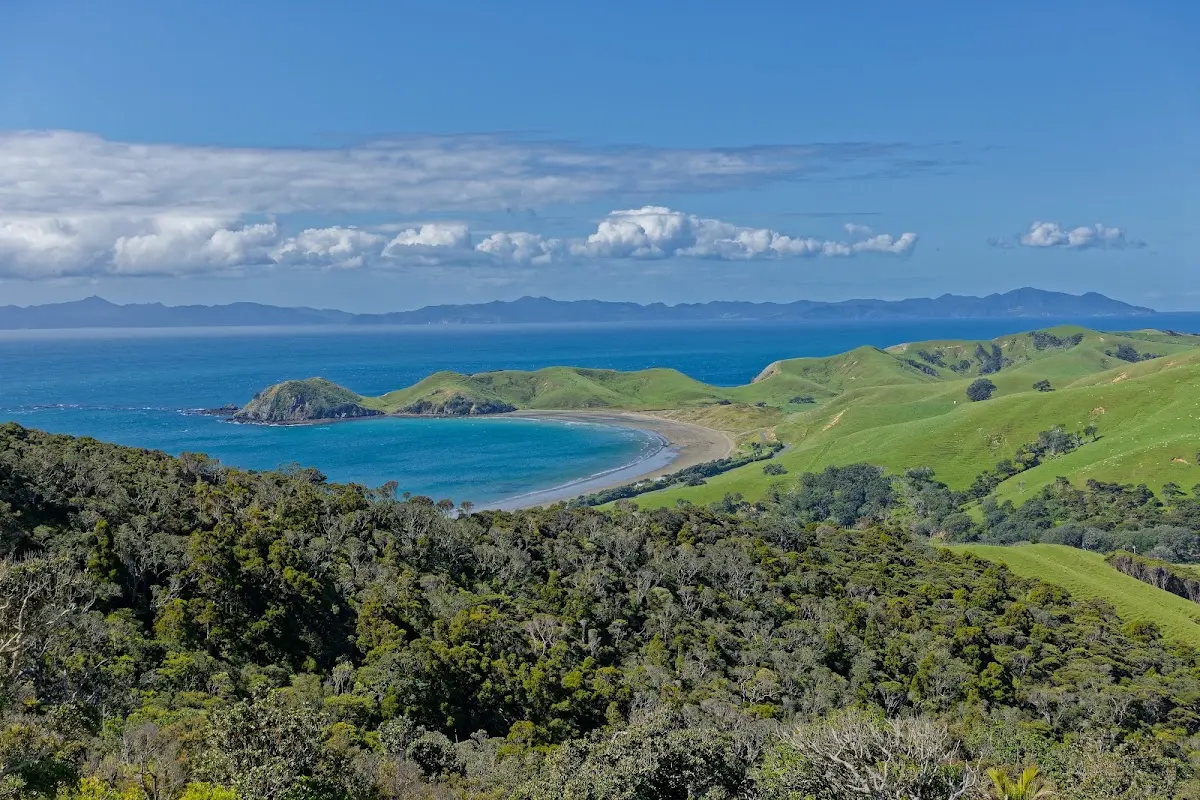
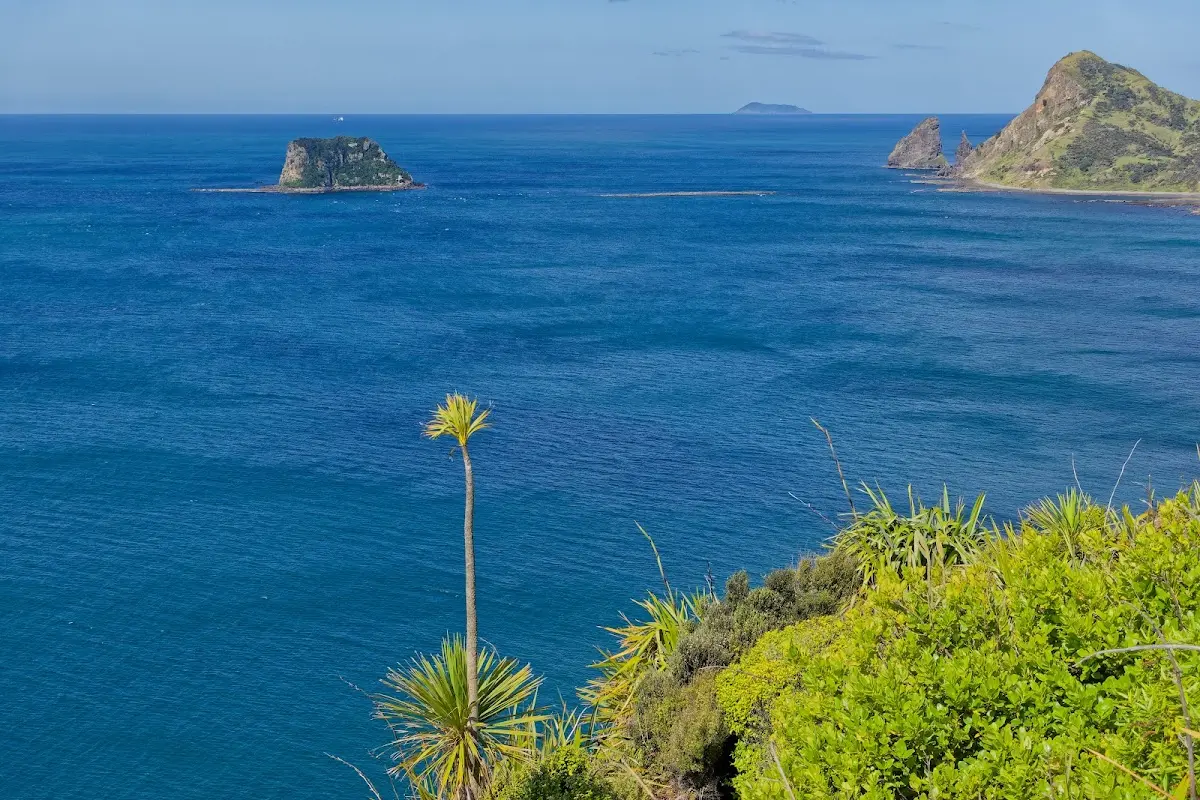
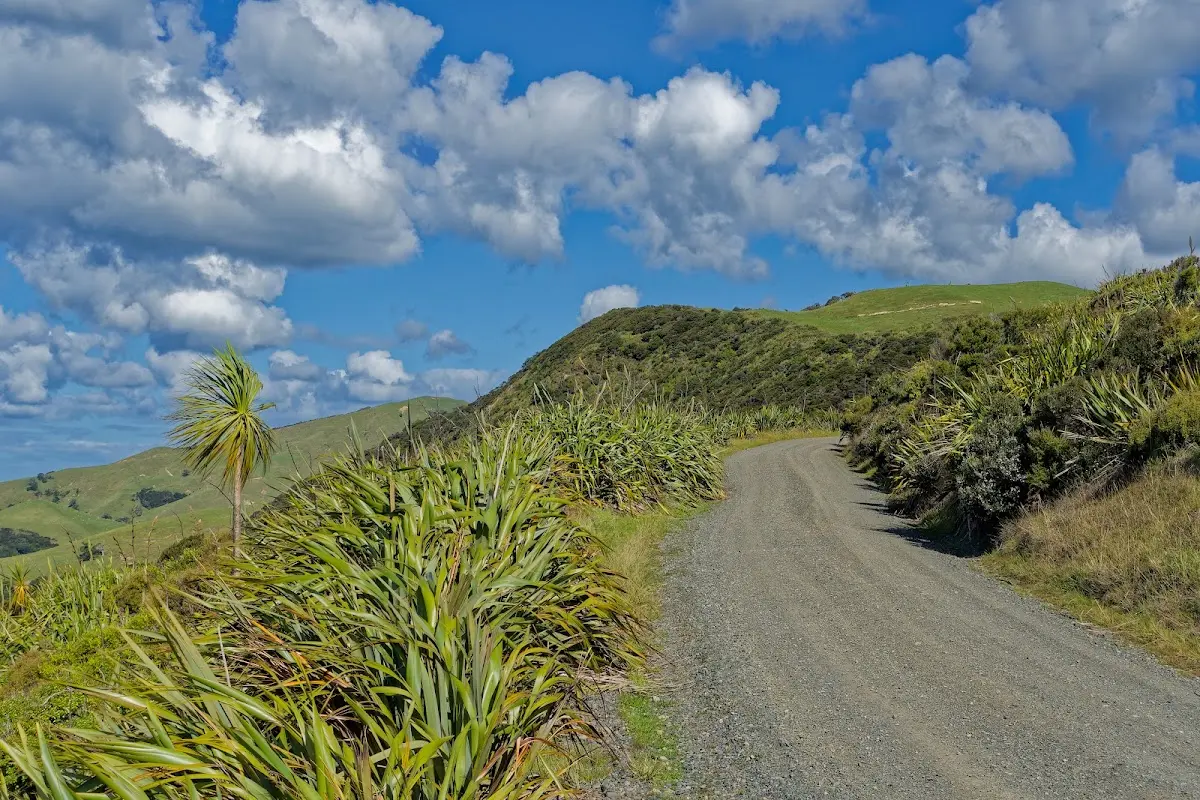
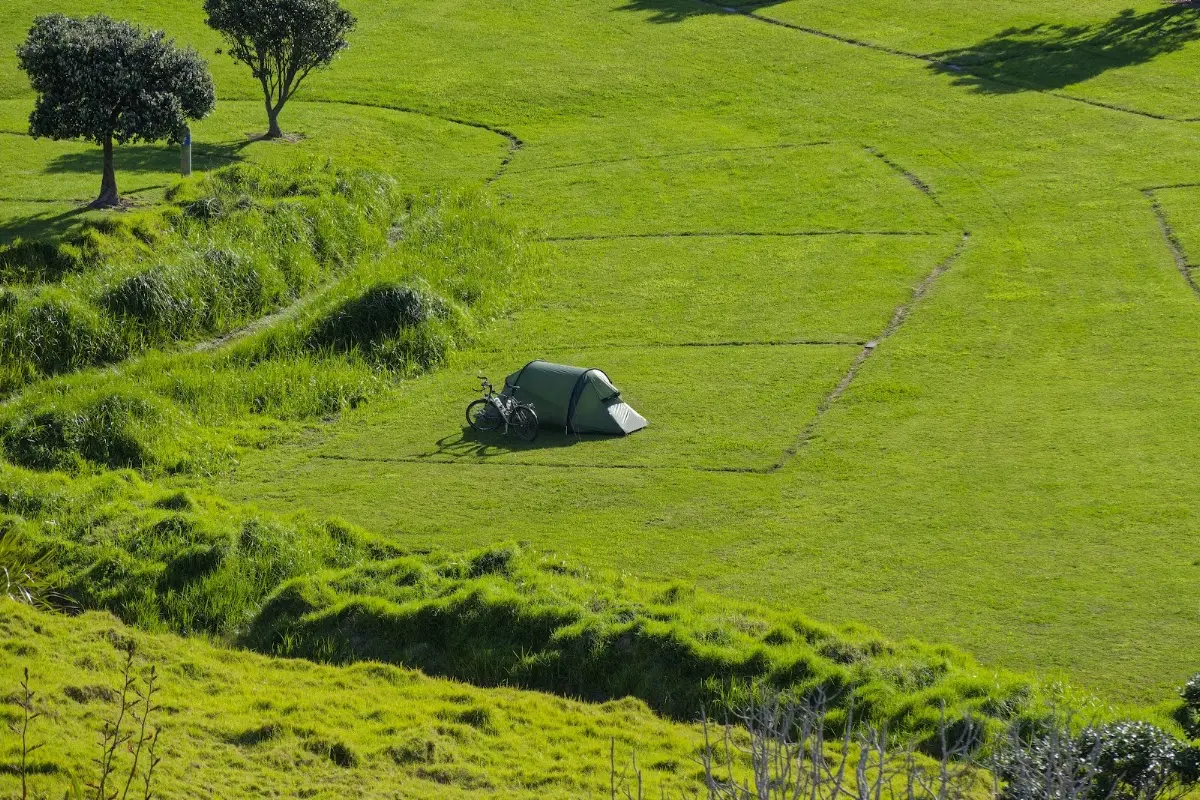
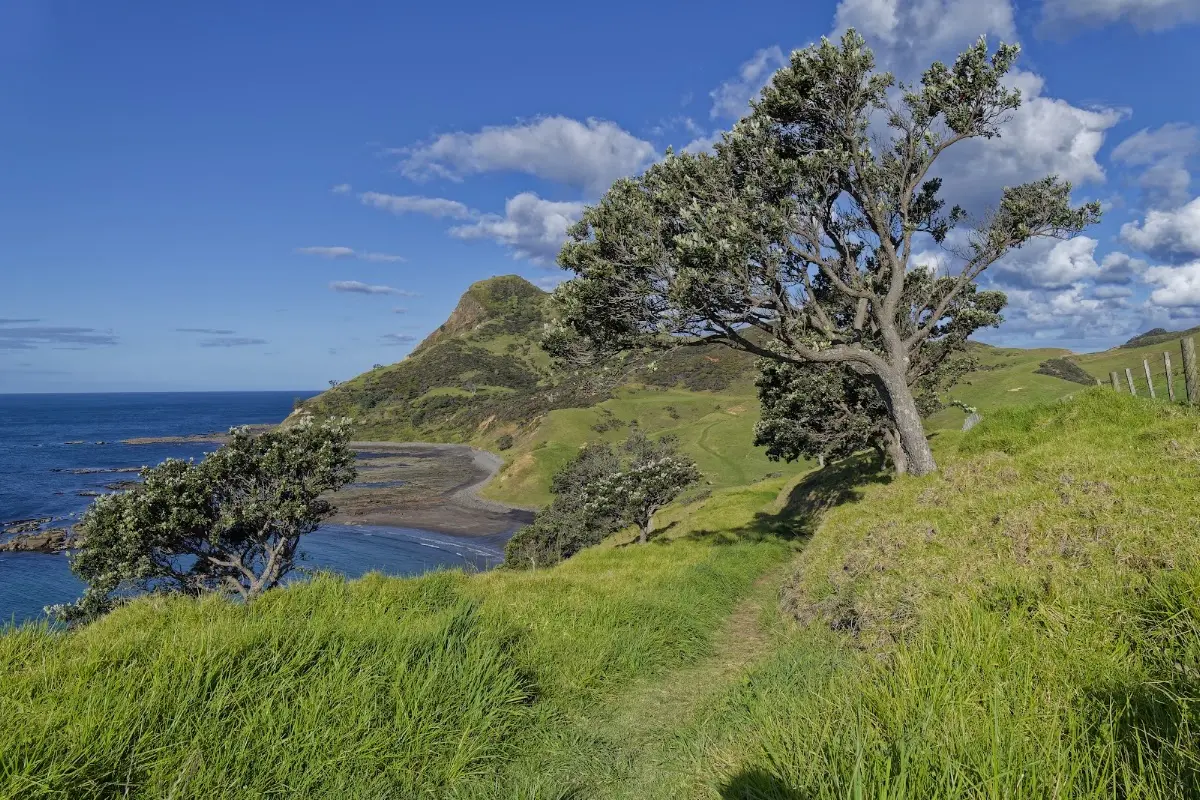
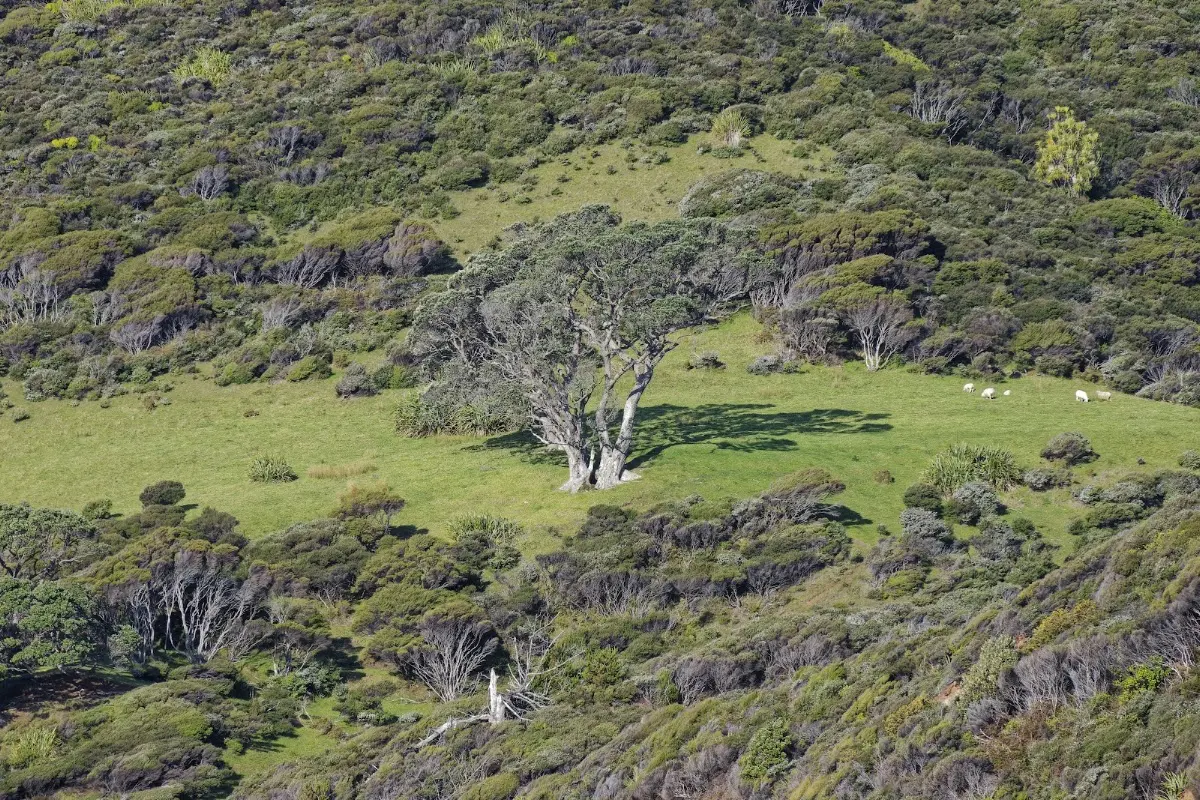
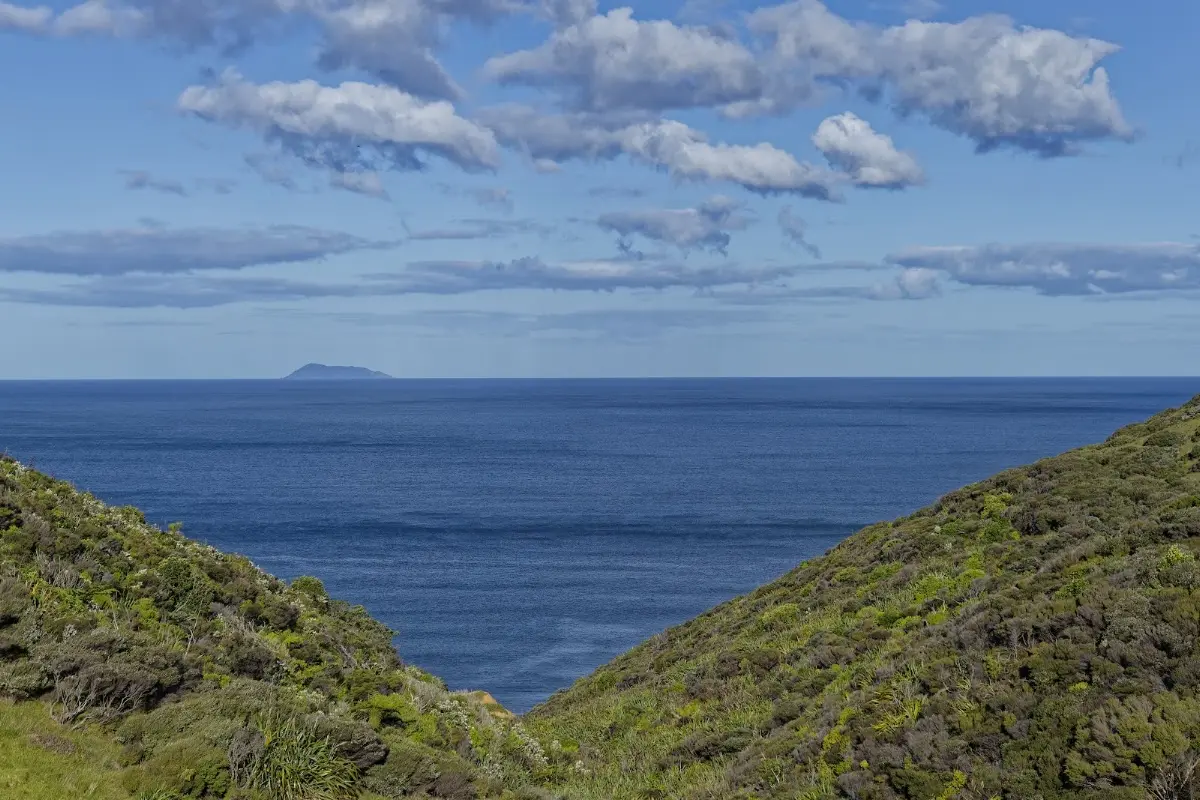
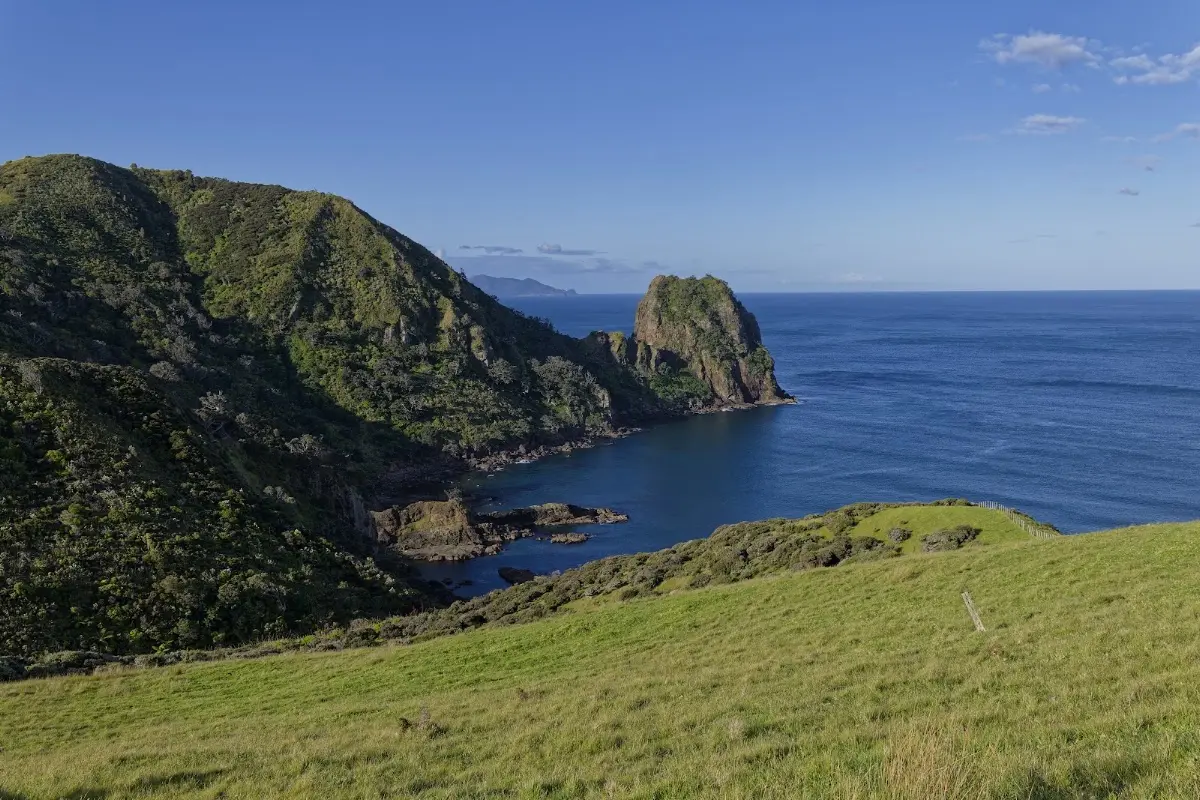
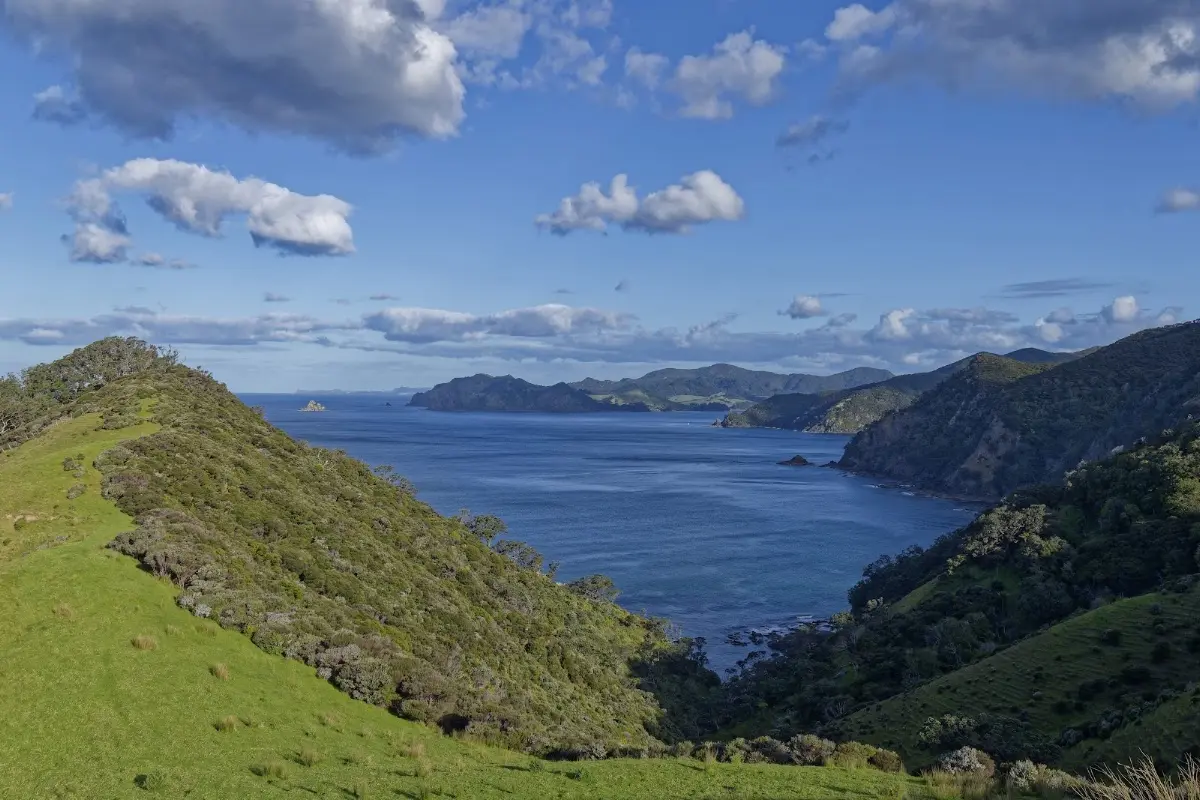
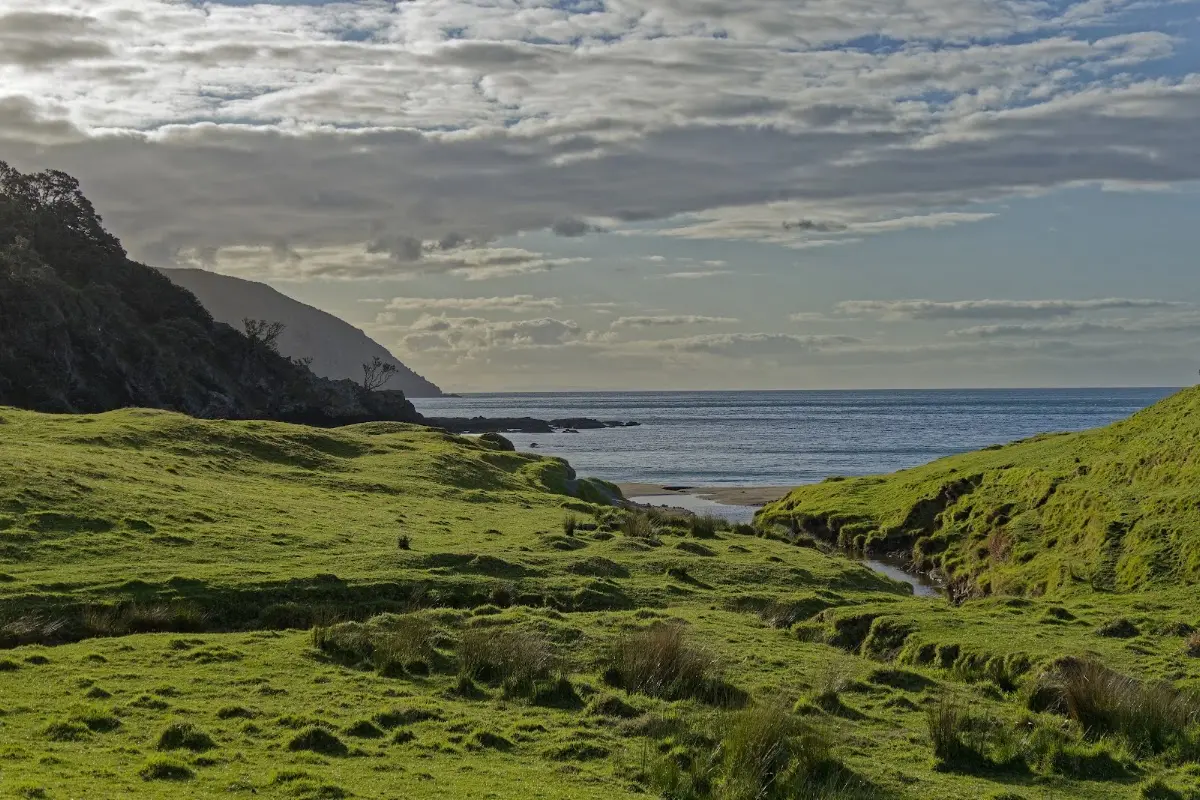
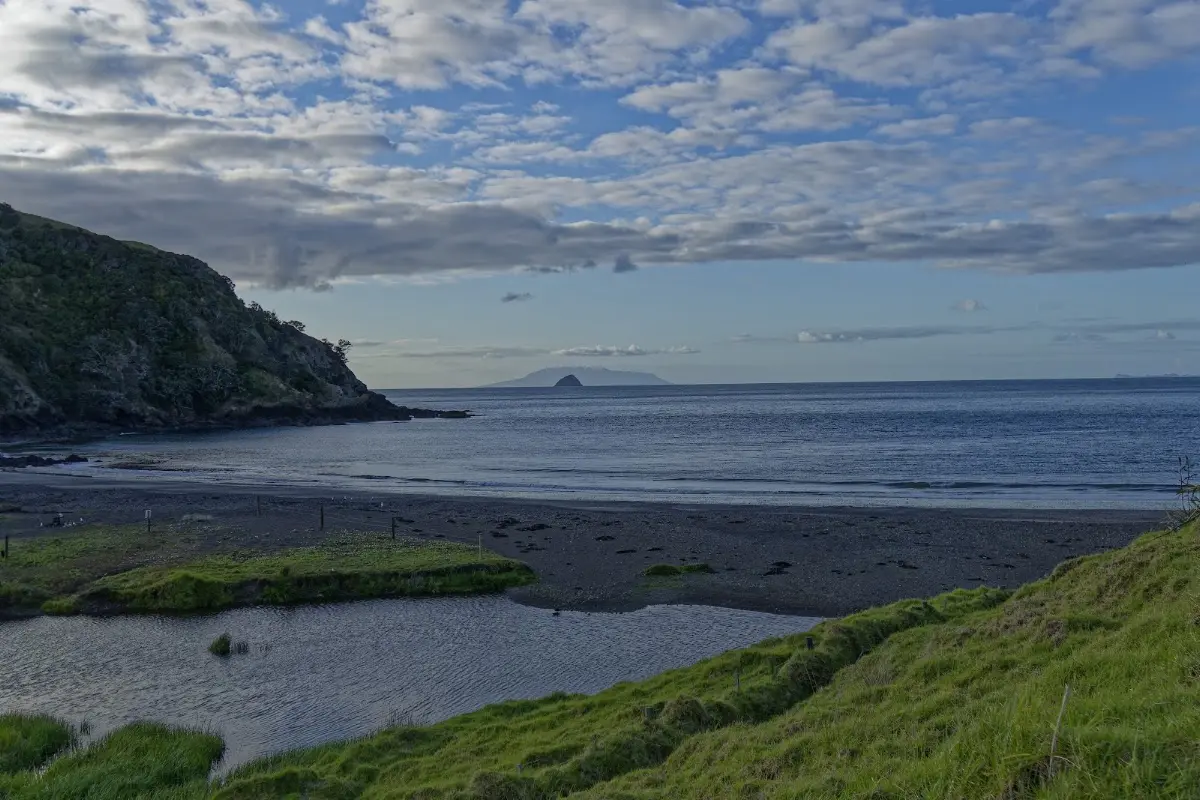
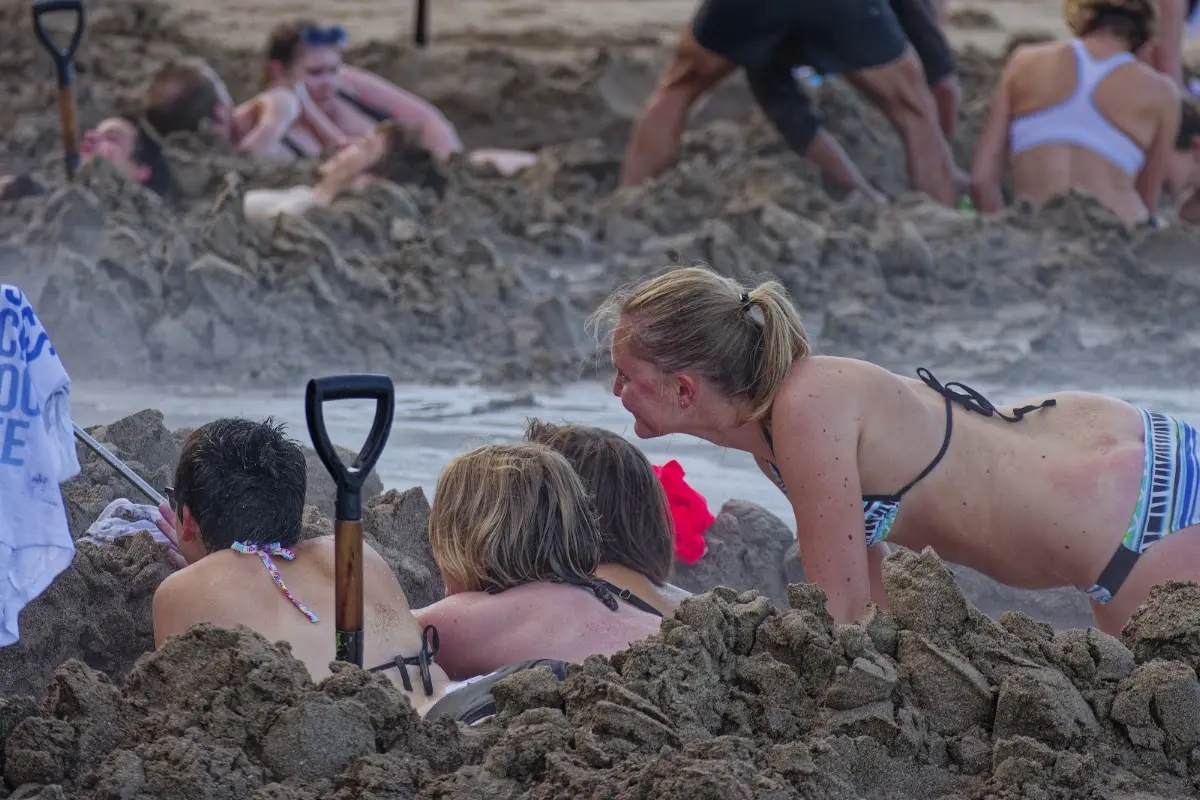
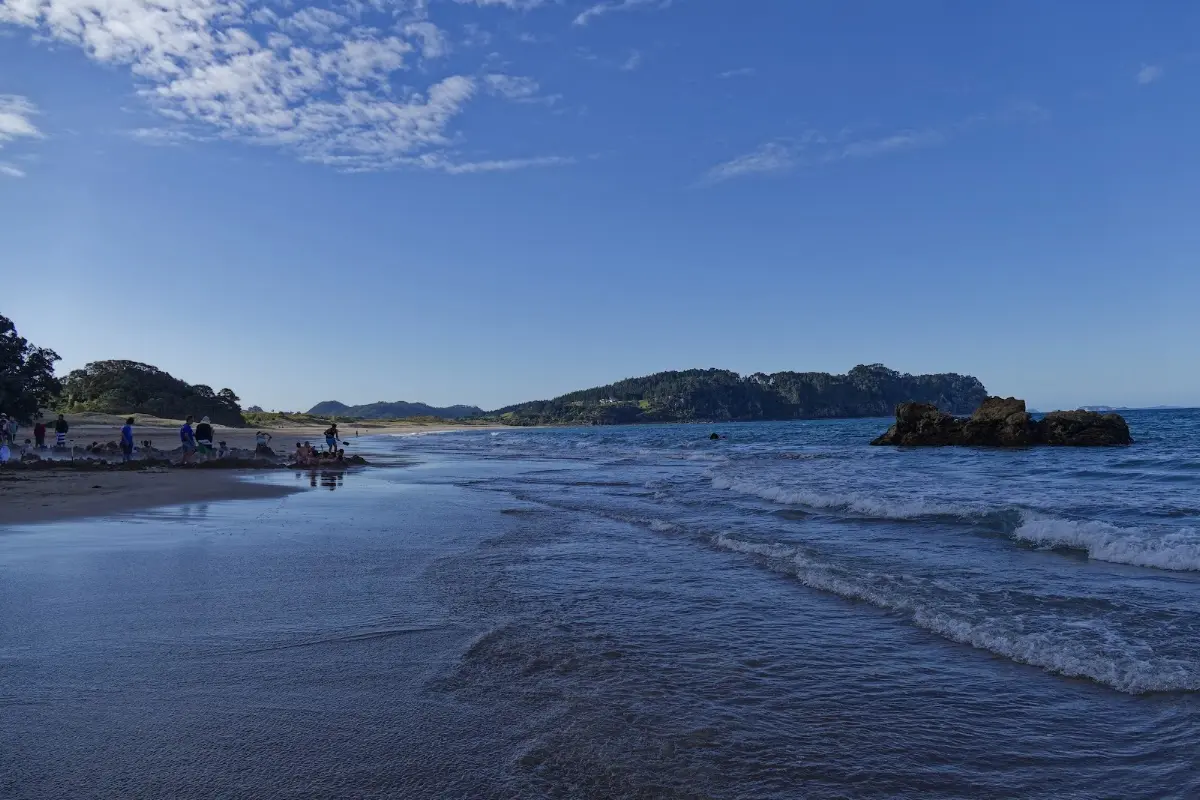
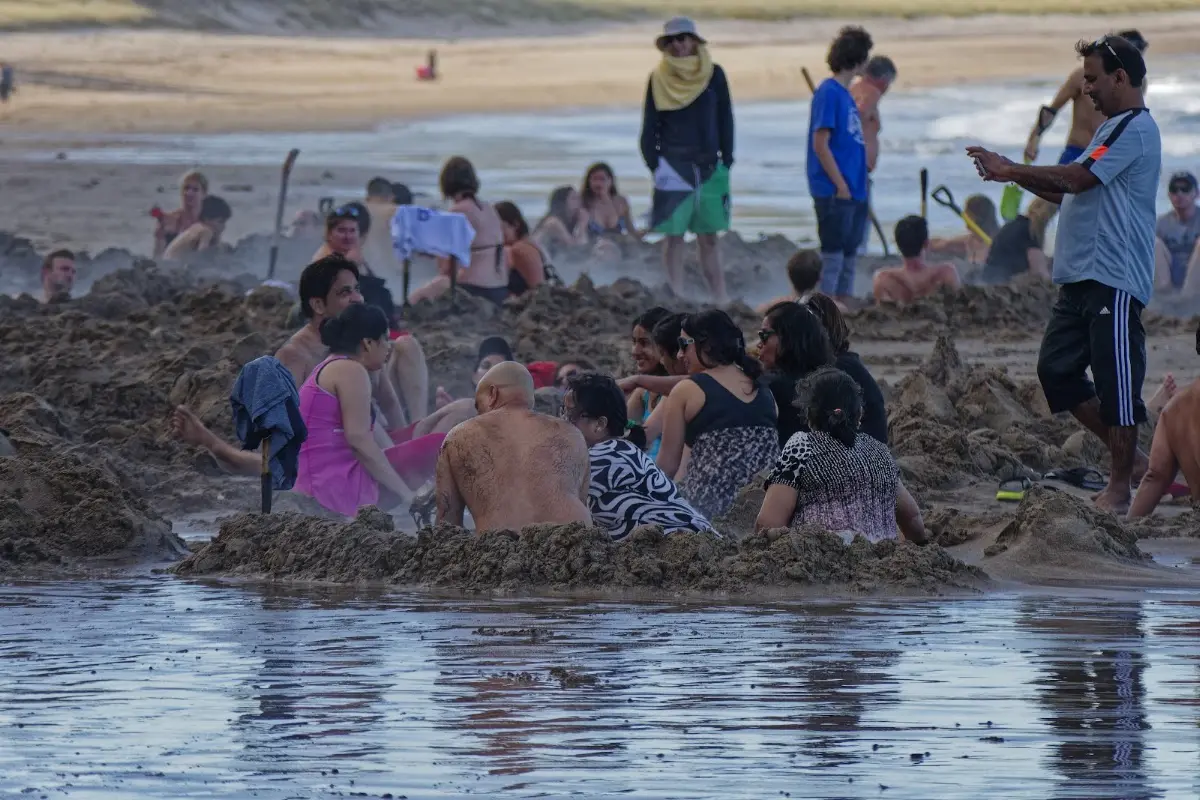
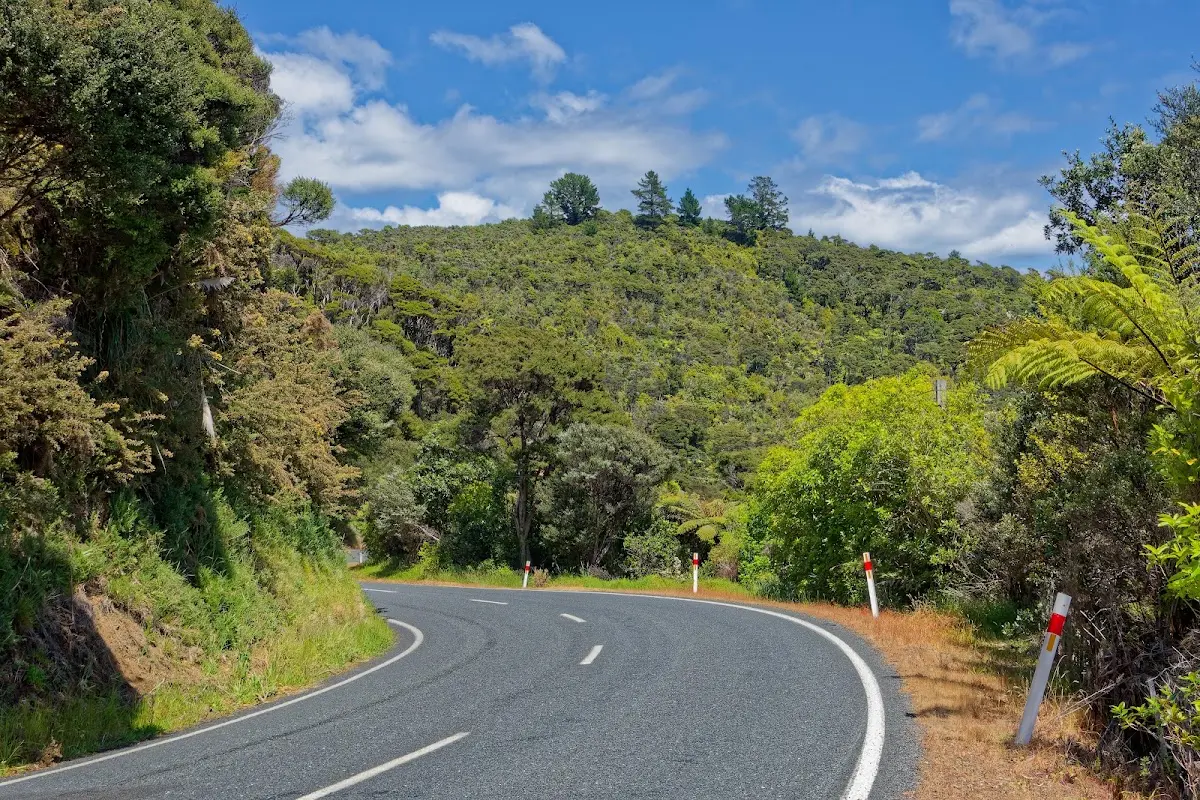
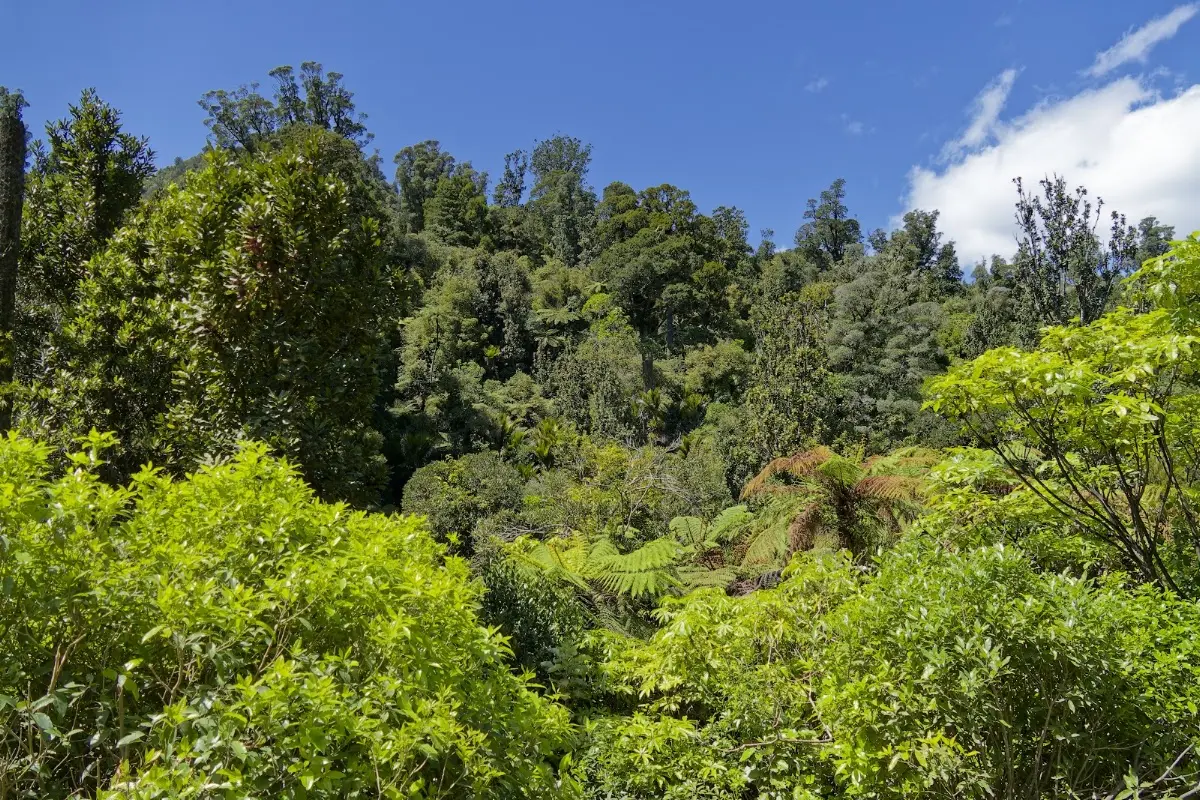
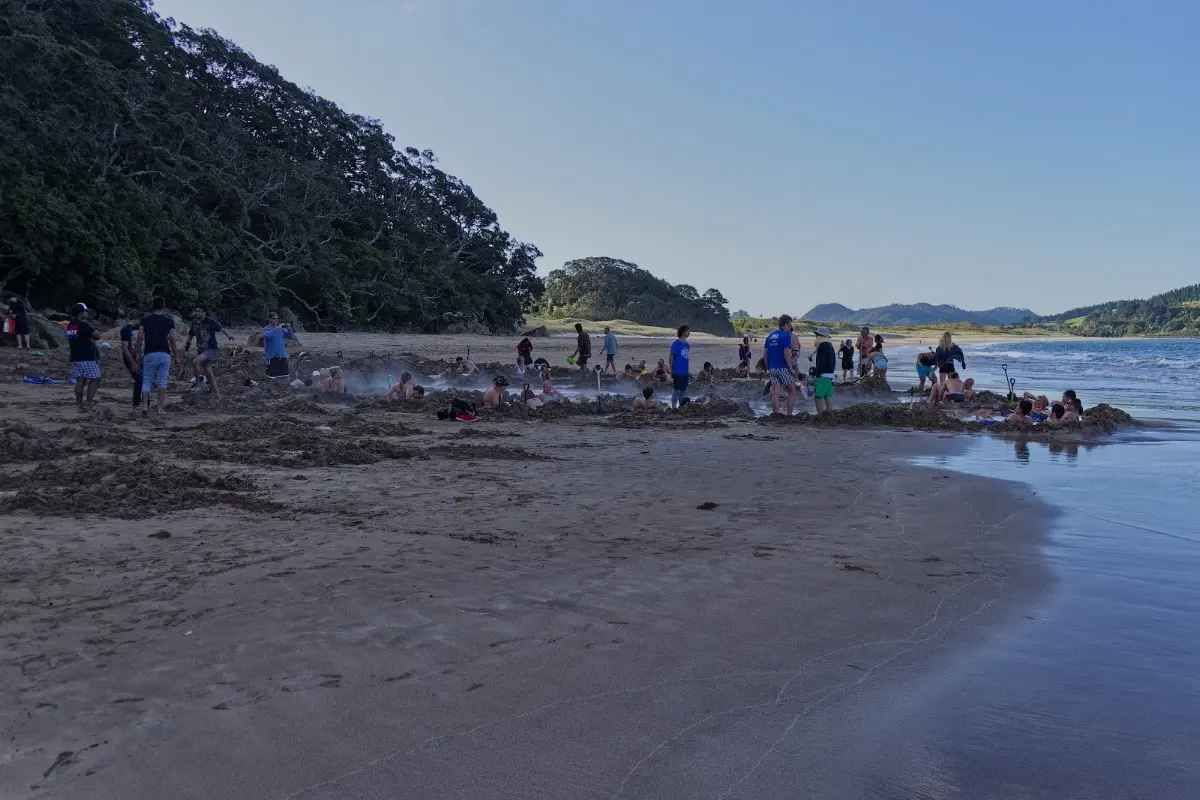
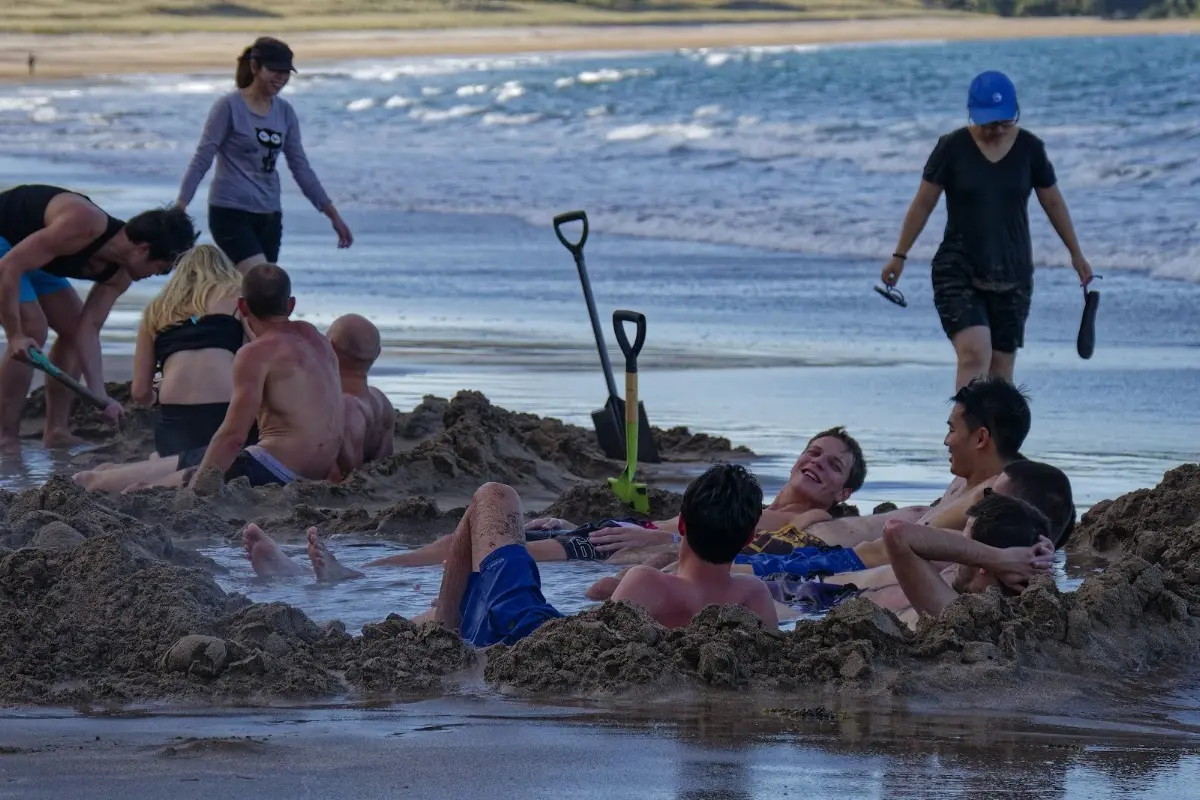
The first question I was asked at 6:15 a.m. in Fletcher Bay was: “How did the game go?” Neither of us knew. I found out later in a café in Coromandel: New Zealand had beaten Australia and become rugby world champion. The full match was everywhere in the newspapers, in thousands of photos. It took quite a while to cycle back from Fletcher Bay via Colville to Coromandel. The roads were rough and hilly, so my average speed was not particularly impressive. But the stretch from Colville to Coromandel via Road 309 felt like rainforest or jungle, and it was well worth it. Later I reached the so-called Hot Water Beach and dug a hole in the sand like so many other tourists. I also got a Top 10 campground membership card, which gives 10% discount there and also on the Interislander ferry, whale watching, and a few other things. Today: 110 km in 7.2 hours.
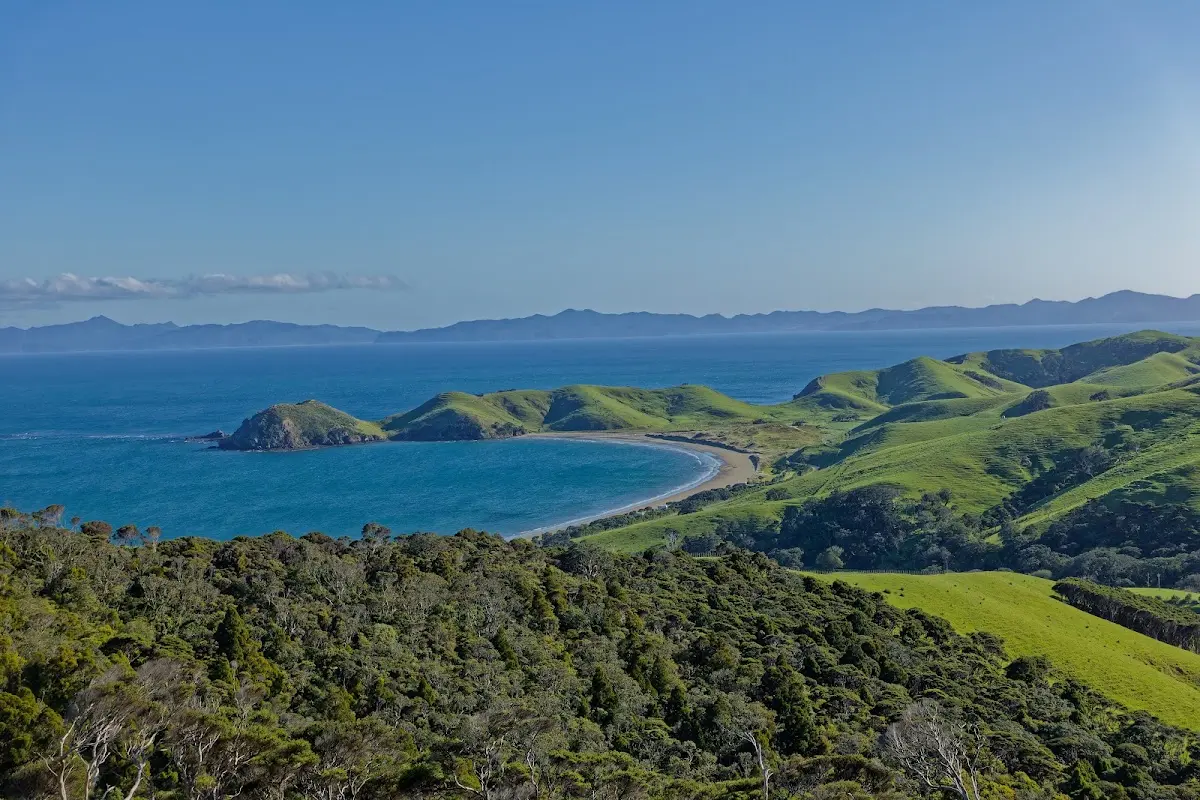
Whitianga
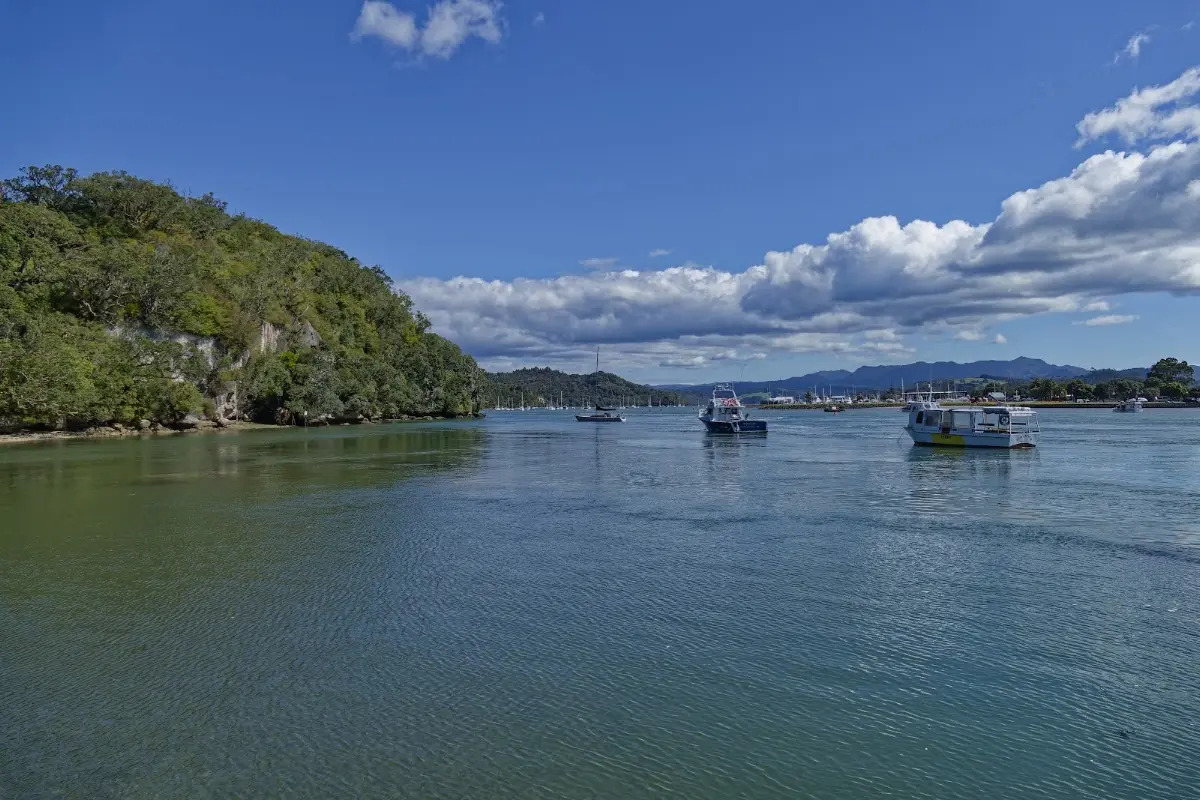
Whitianga is one of the main towns on the Coromandel Peninsula, lying on Mercury Bay. Its Māori name, Te Whitianga o Kupe, is usually linked to the explorer Kupe, and the wider bay also has strong historical associations with early Māori settlement and with James Cook, who visited in 1769. Today Whitianga is an important holiday centre and one of the practical gateways to places such as Hot Water Beach and Cathedral Cove.
Hot Water Beach
Hot Water Beach is one of the Coromandel’s best-known attractions. At low tide, hot geothermal water rises through the sand near the shoreline, allowing visitors to dig their own temporary pools. It is an odd but memorable mixture of beach, hot spring, and tourist ritual, and one of those places where almost everybody ends up doing exactly the same thing — digging a hole and sitting in it.