Biking and Hiking New Zealand - 03 Cape Reinga, Ninety Mile Beach, Tane Mahuta
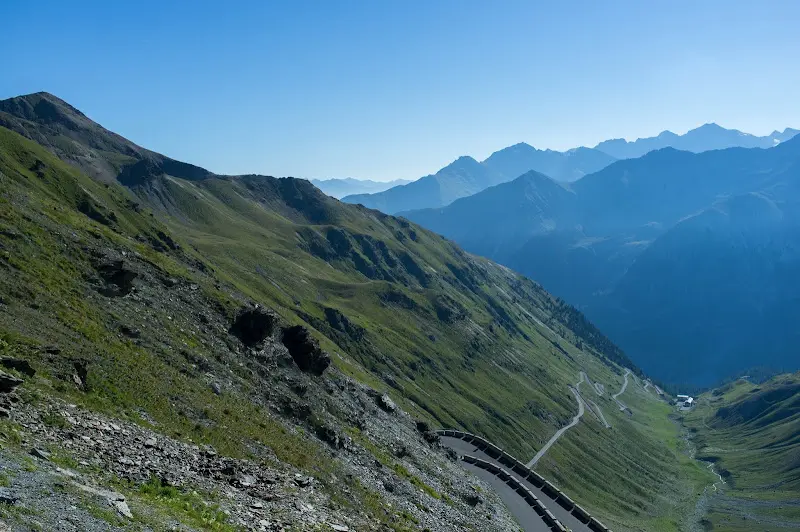
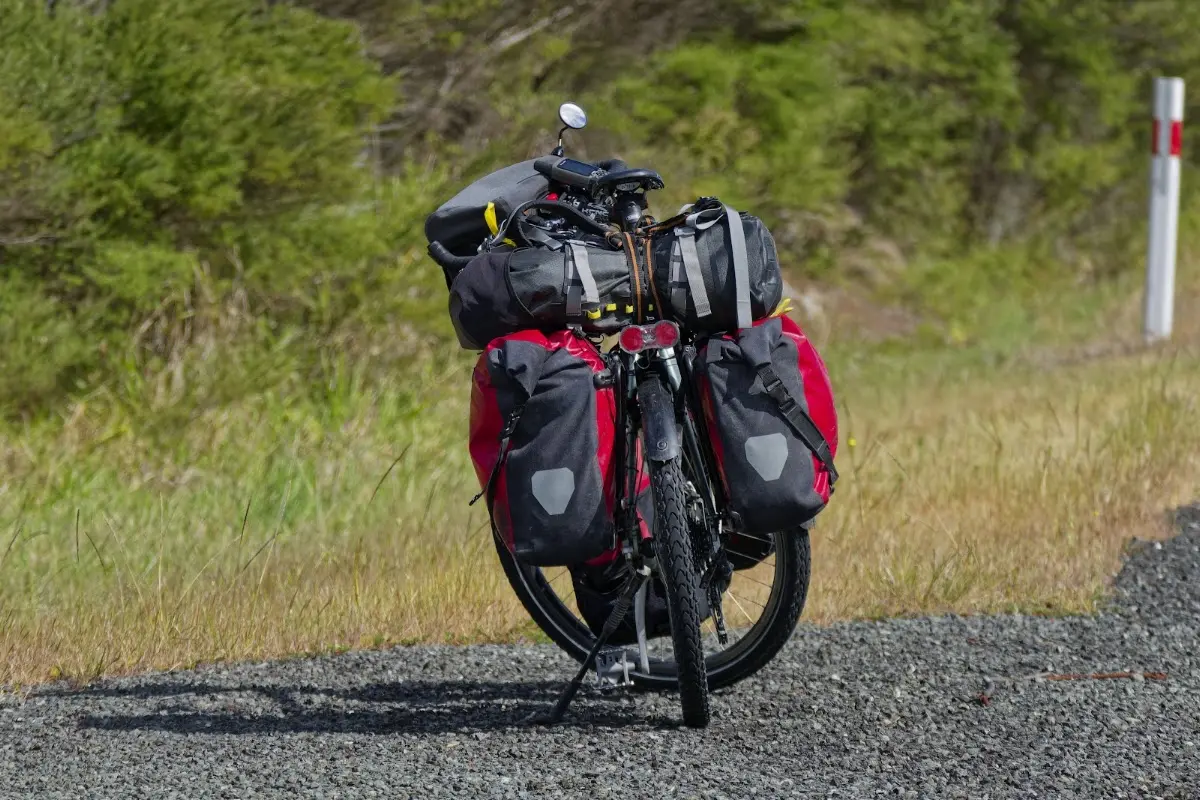
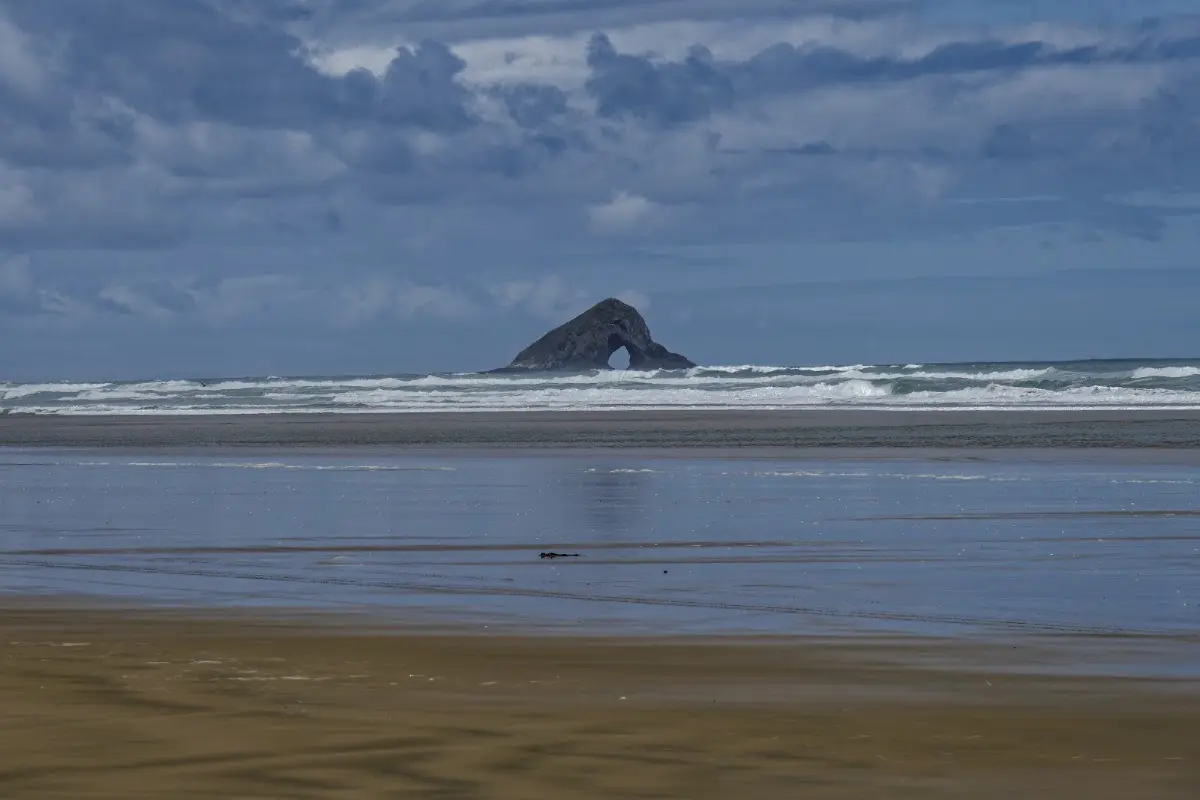
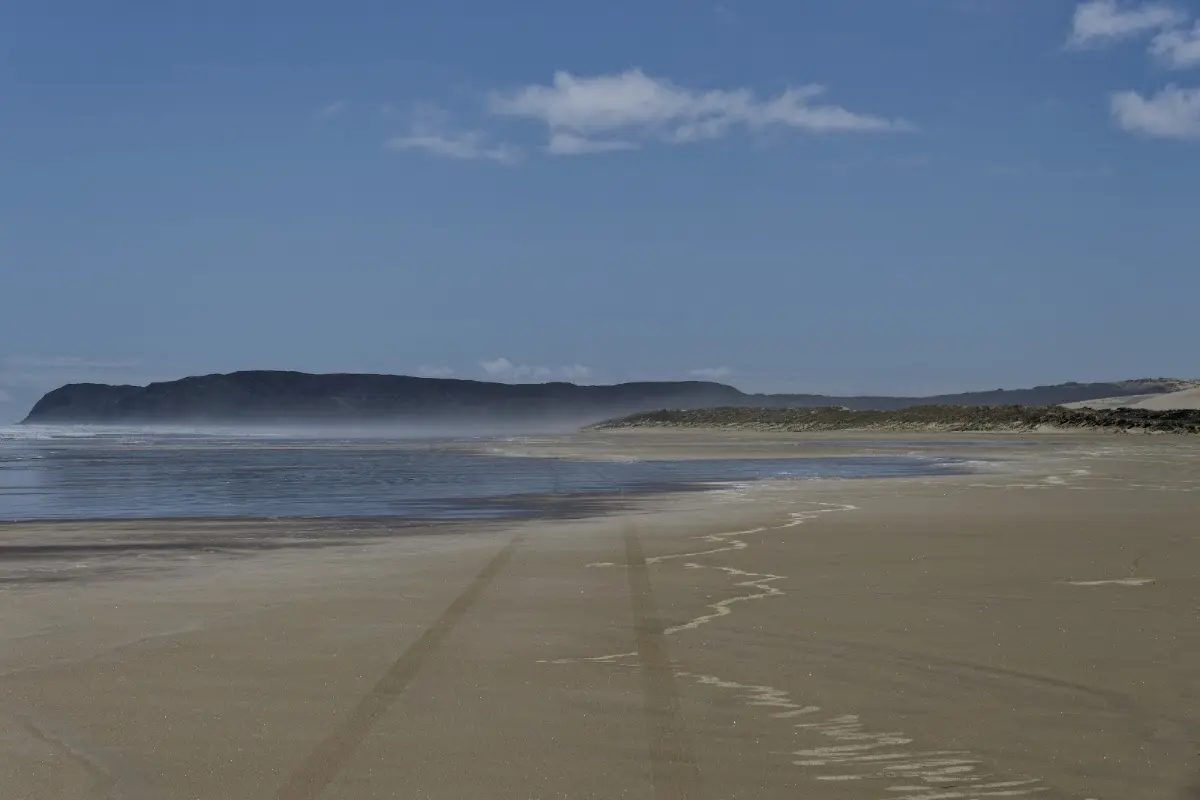
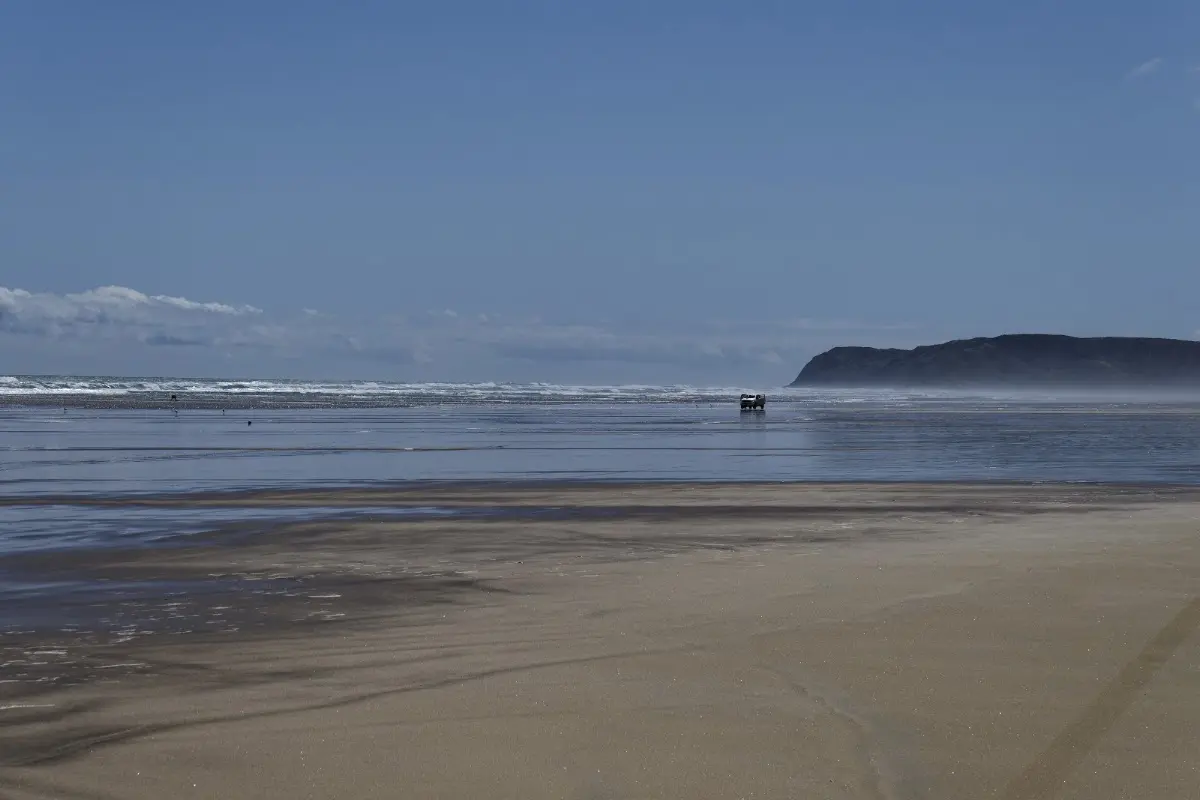
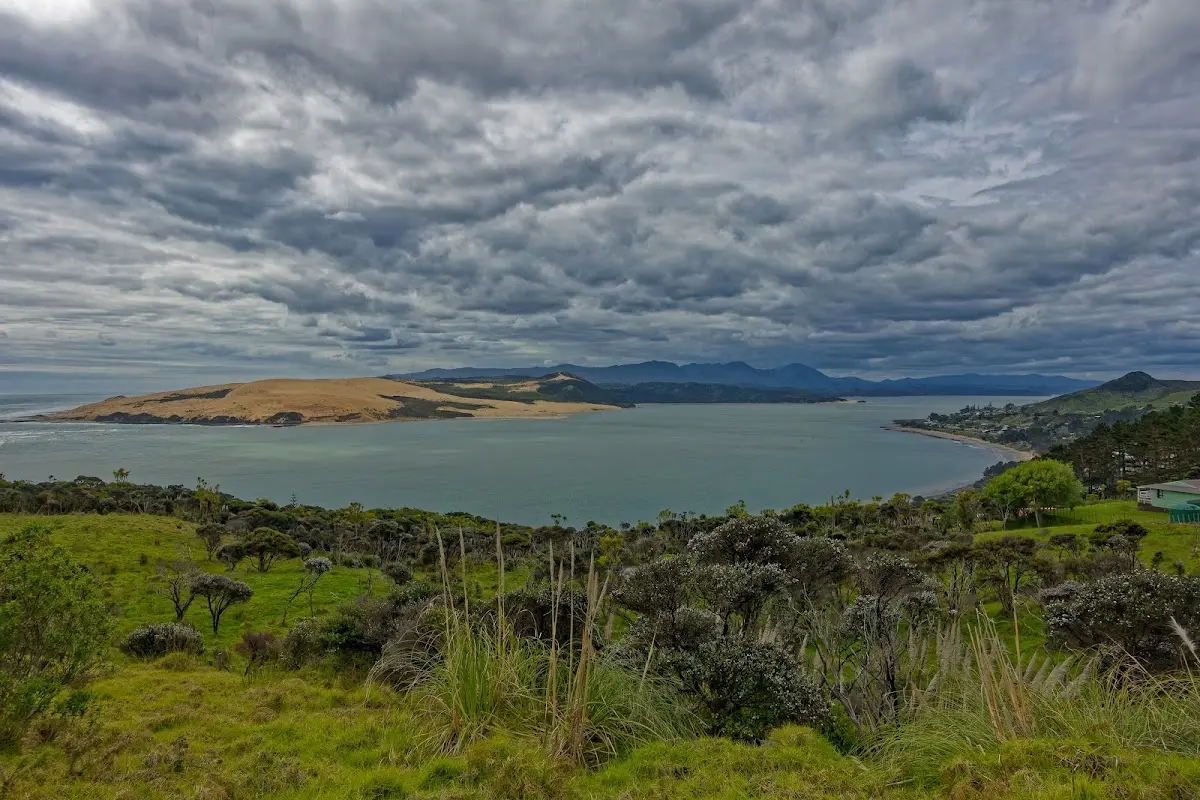
I arrived at Cape Reinga around noon. After the hills on the way up, I turned west again and rode about 40 km along Ninety Mile Beach. High tide was approaching, so I left the beach again and continued back through the forested inland sections toward Pukenui and my campsite from the previous night. I should have left my luggage there before going to the cape, but I had not thought of it. Fish and chips from a local takeaway in the evening. Today: 155 km in 9 hours 10 minutes, average speed 17 km/h.
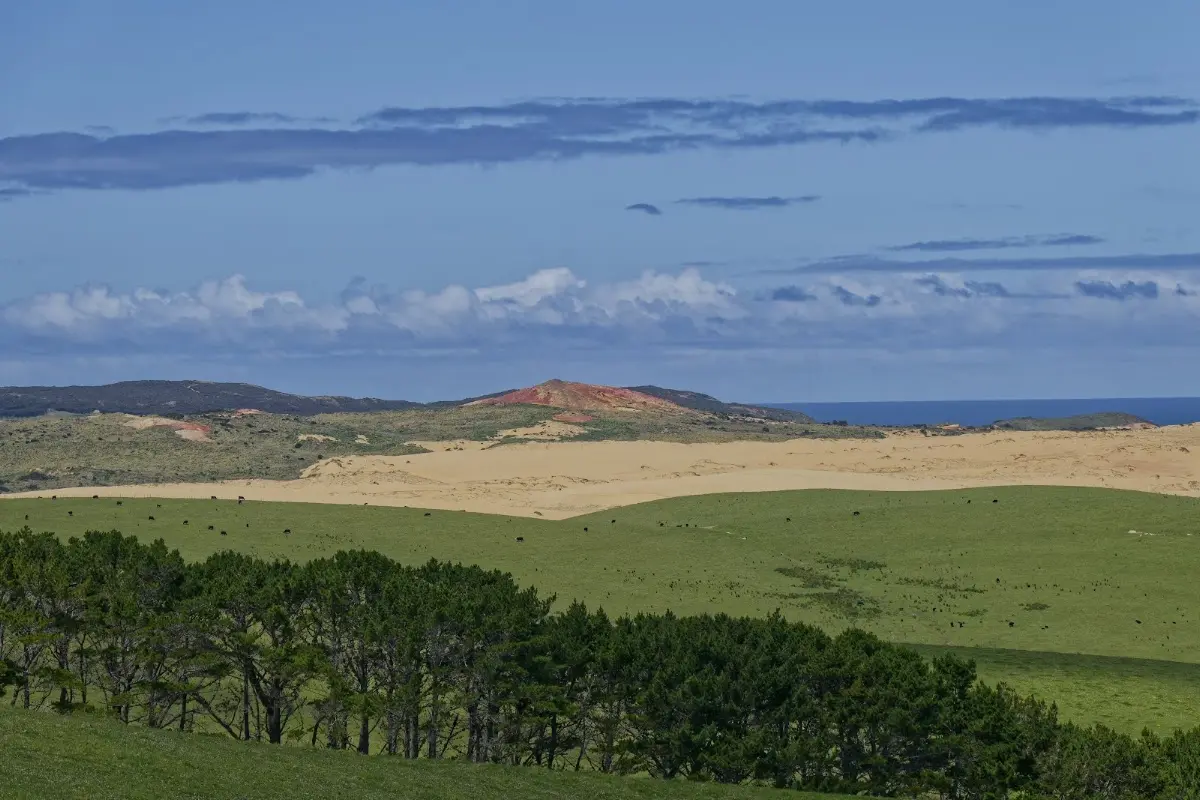
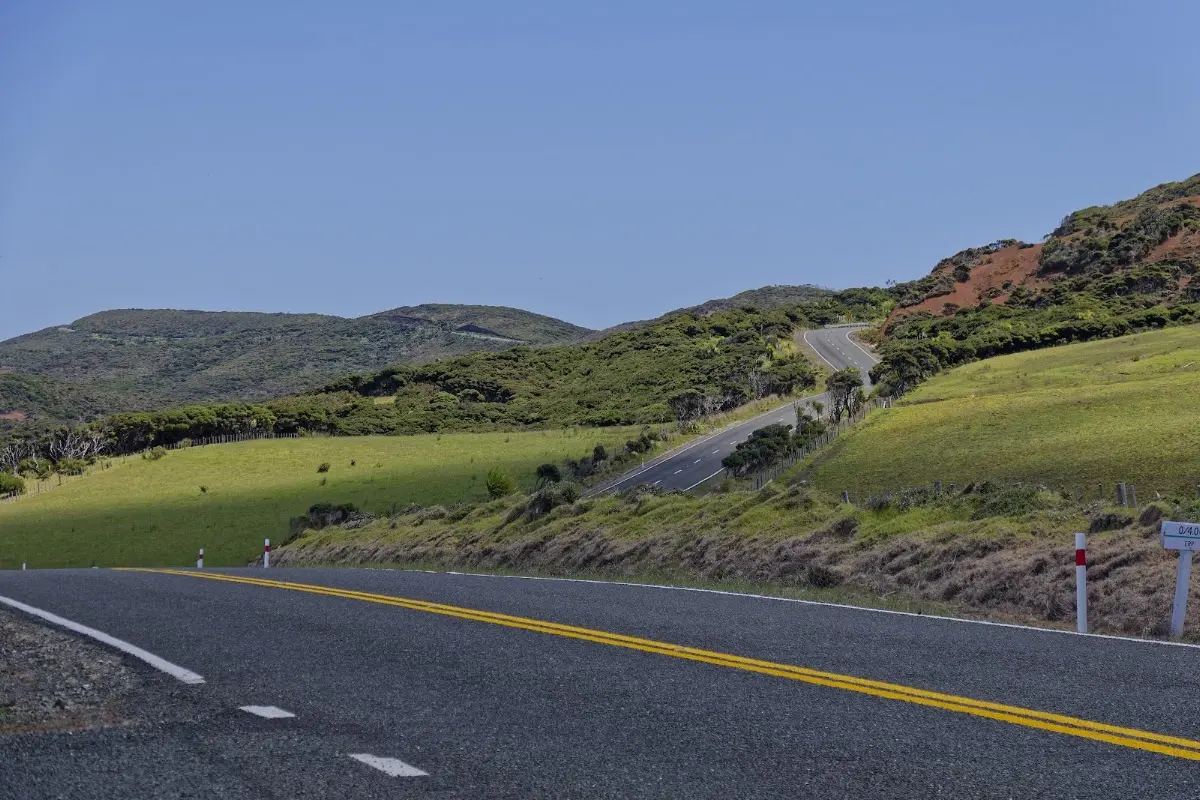
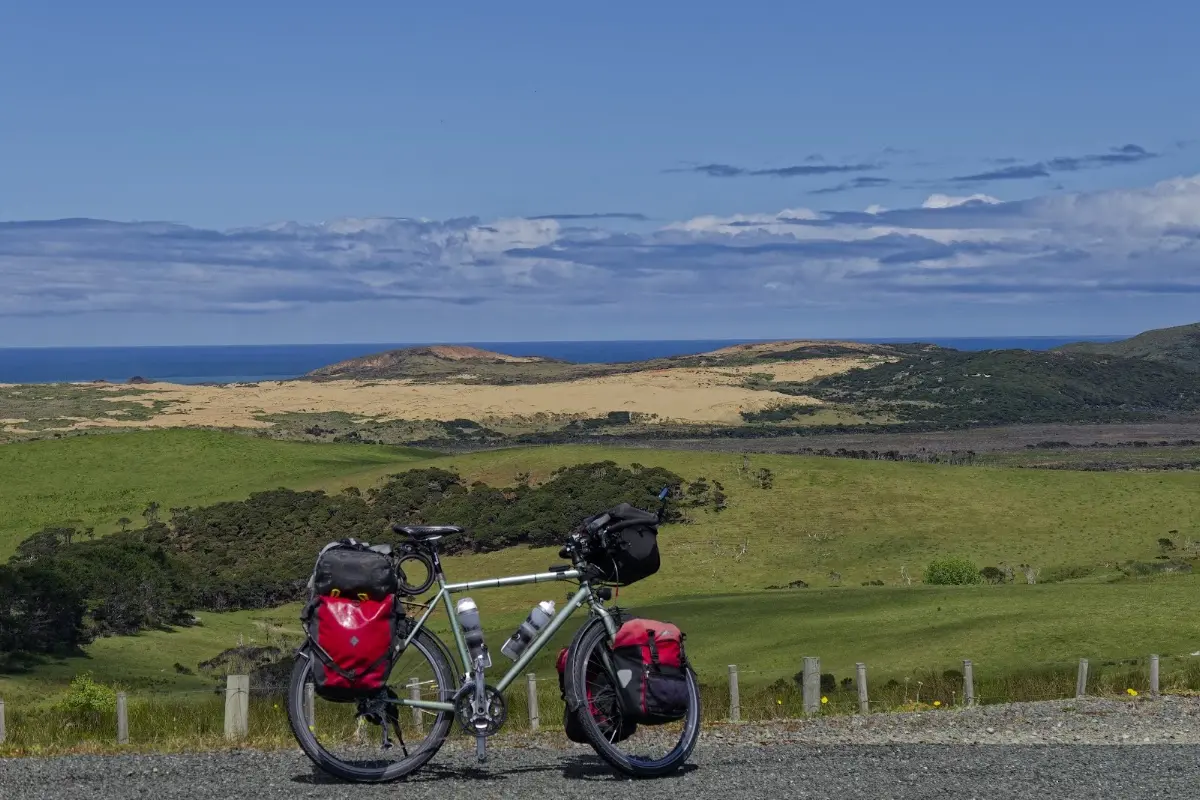
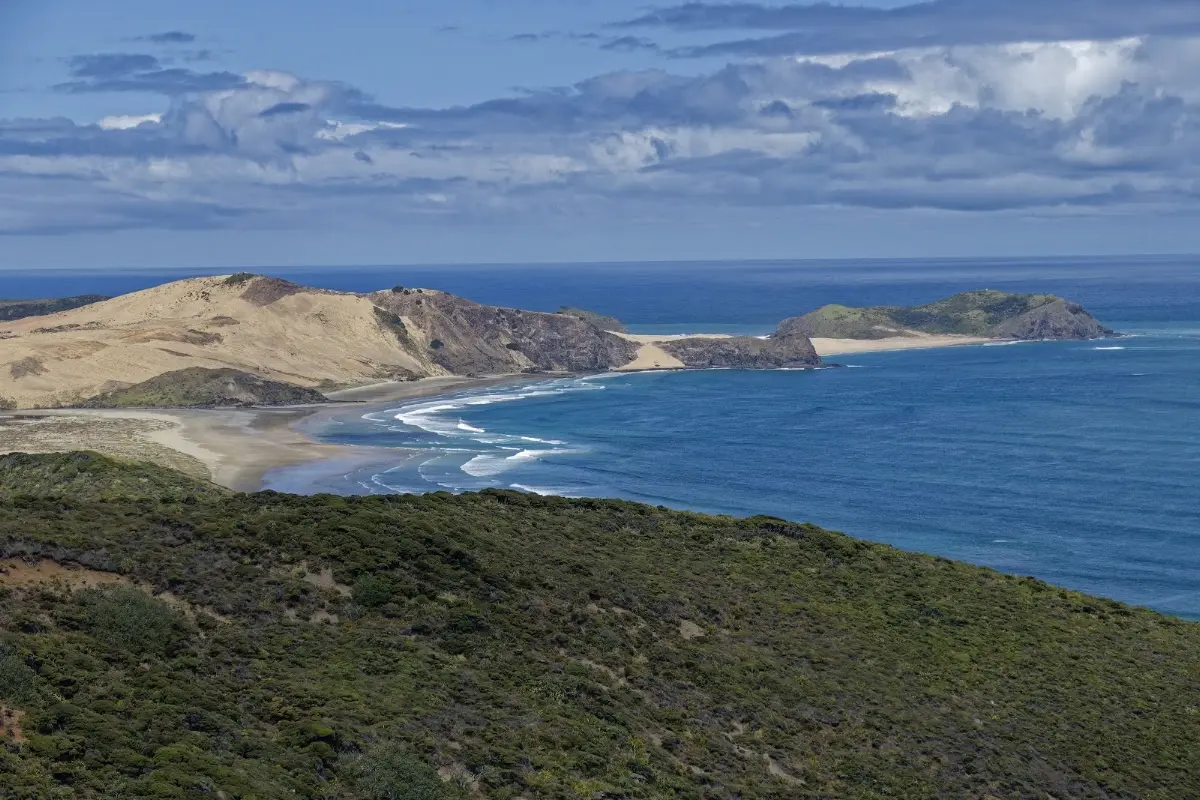
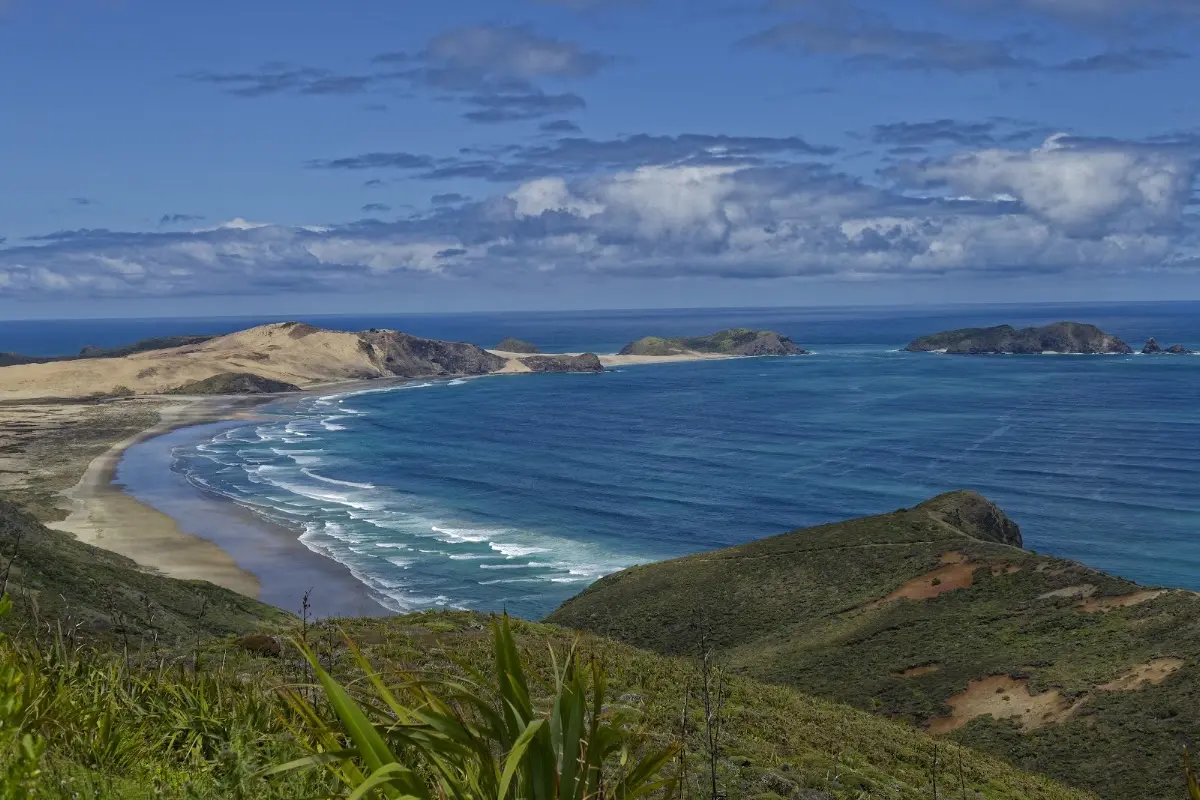
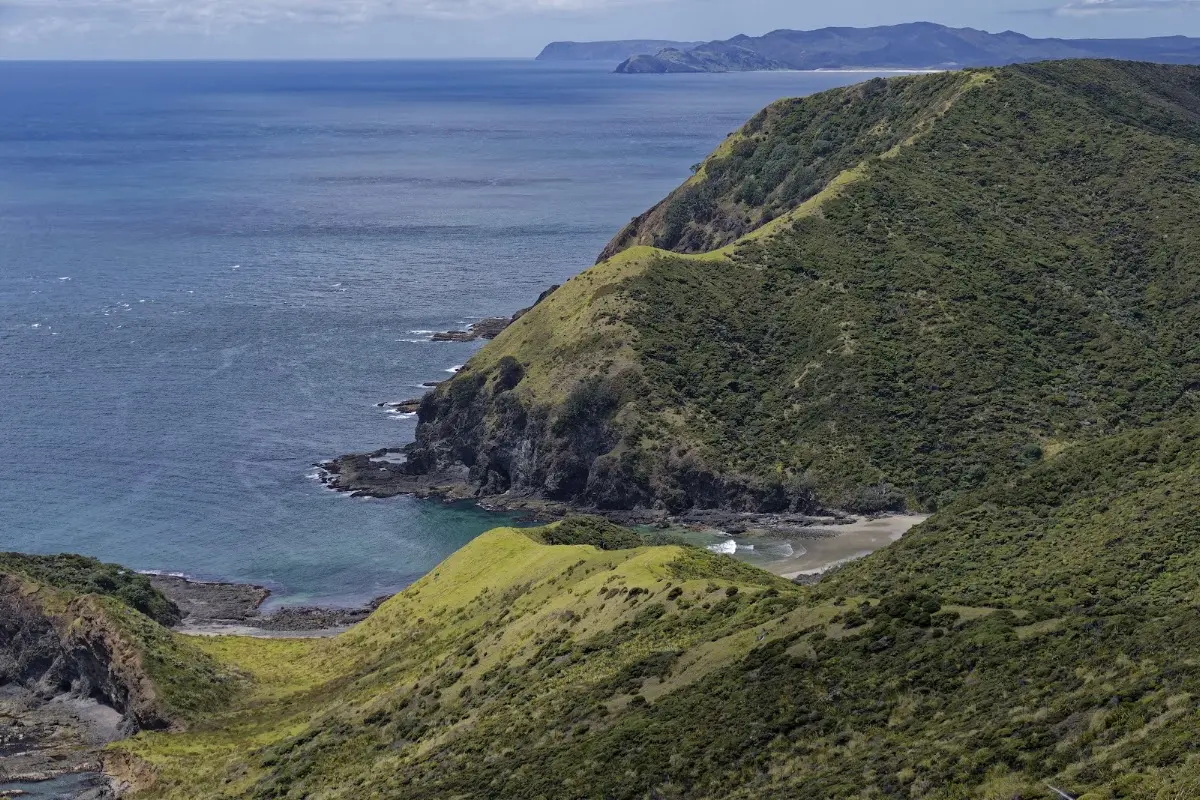
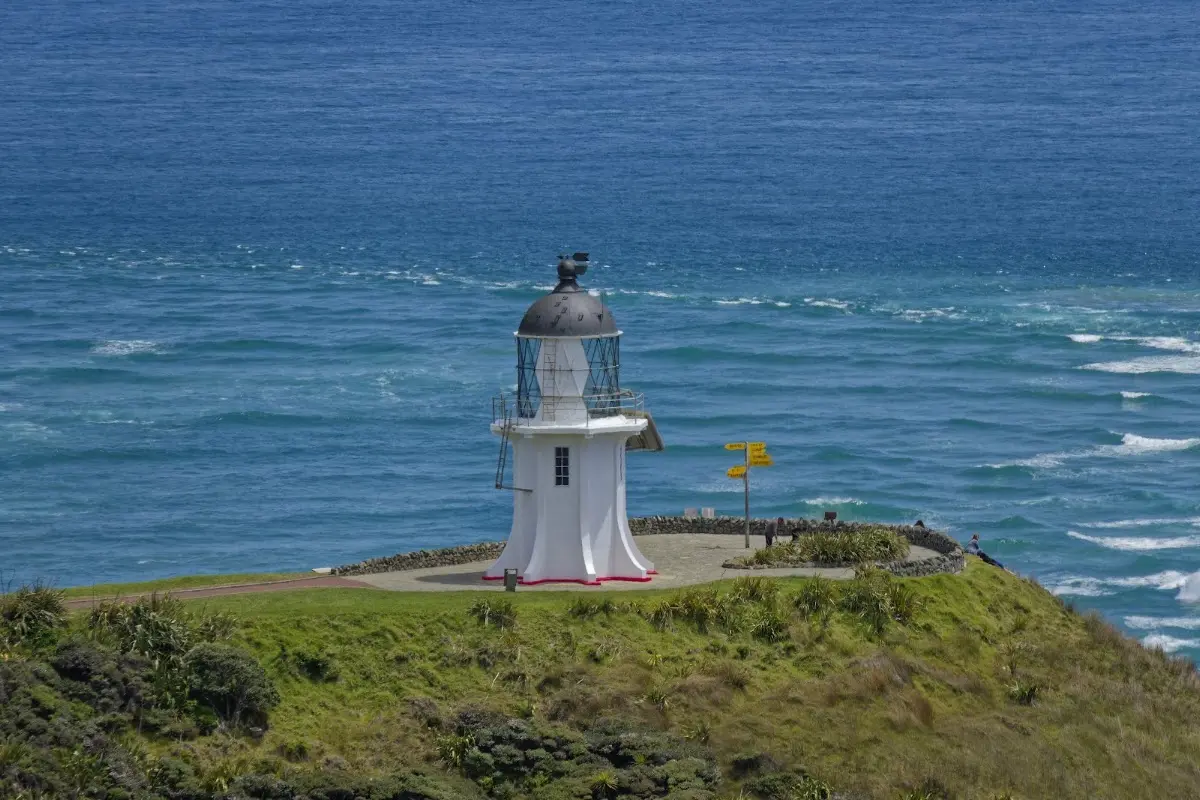
Cape Reinga
Cape Reinga, or Te Rerenga Wairua, is one of the most spiritually significant places in New Zealand. In Māori tradition it is the place where the spirits of the dead leave the land and begin their journey to Hawaiki, descending by the roots of an ancient pōhutukawa tree clinging to the headland. The name Te Rerenga Wairua is often translated as “the leaping-off place of spirits.”
Geographically, Cape Reinga stands near the northwestern tip of the Aupōuri Peninsula, where the Tasman Sea and the Pacific Ocean meet in a dramatic swirl of currents. Although many visitors think of it as the northernmost point of New Zealand, that distinction actually belongs to the Surville Cliffs farther east. Even so, Cape Reinga has become one of the country’s iconic end-of-the-road destinations, and it also marks the northern terminus of Te Araroa, the long-distance trail that runs the length of New Zealand.
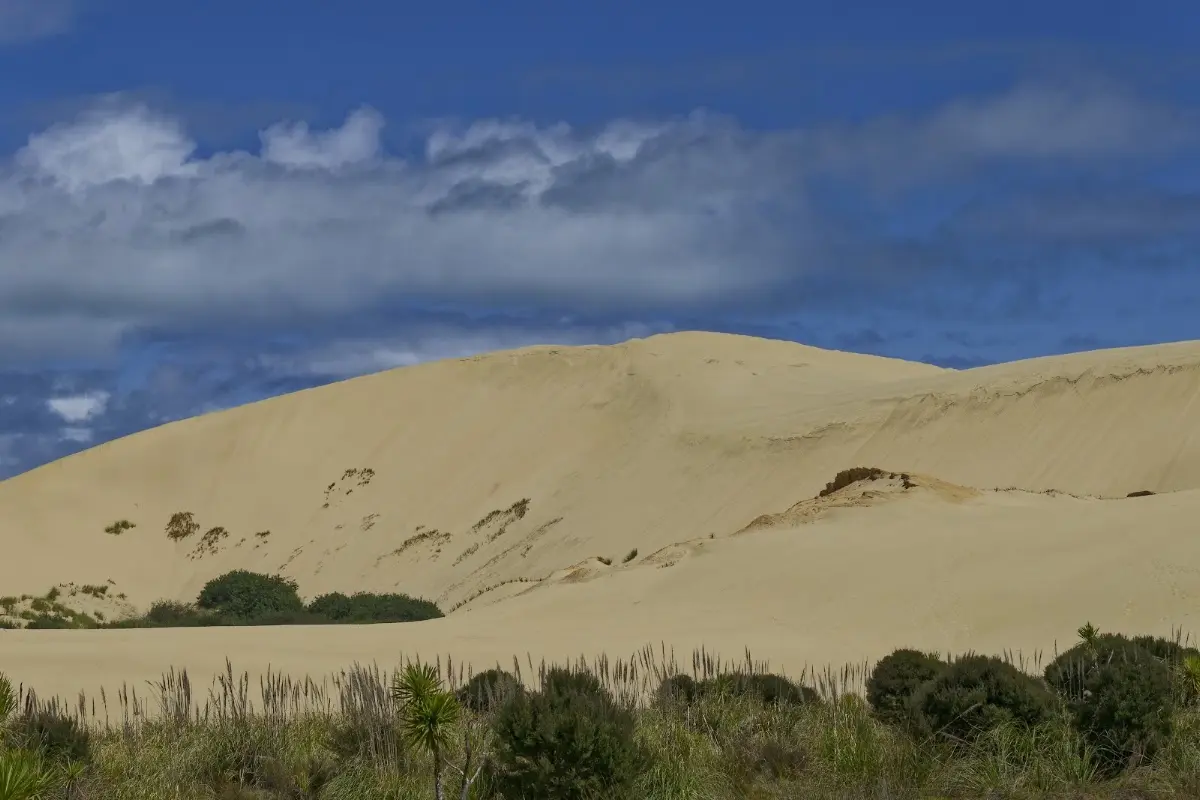
Ninety Mile Beach
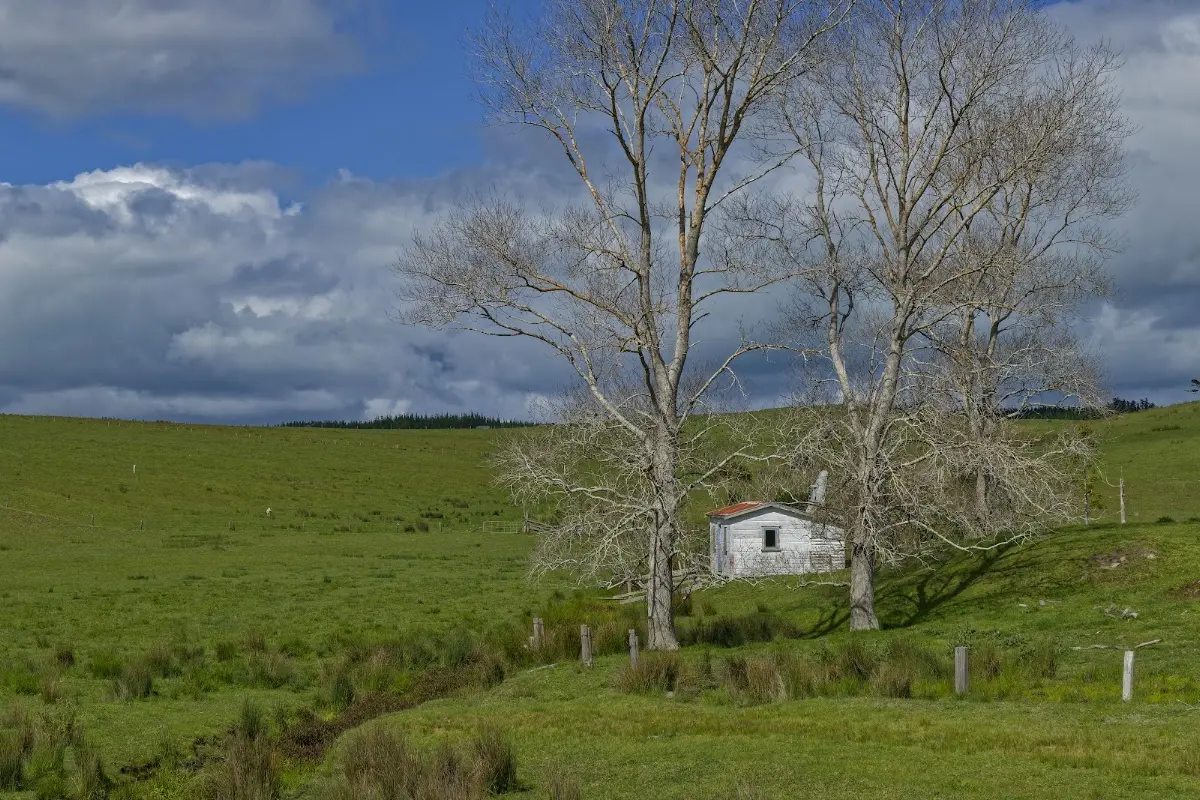
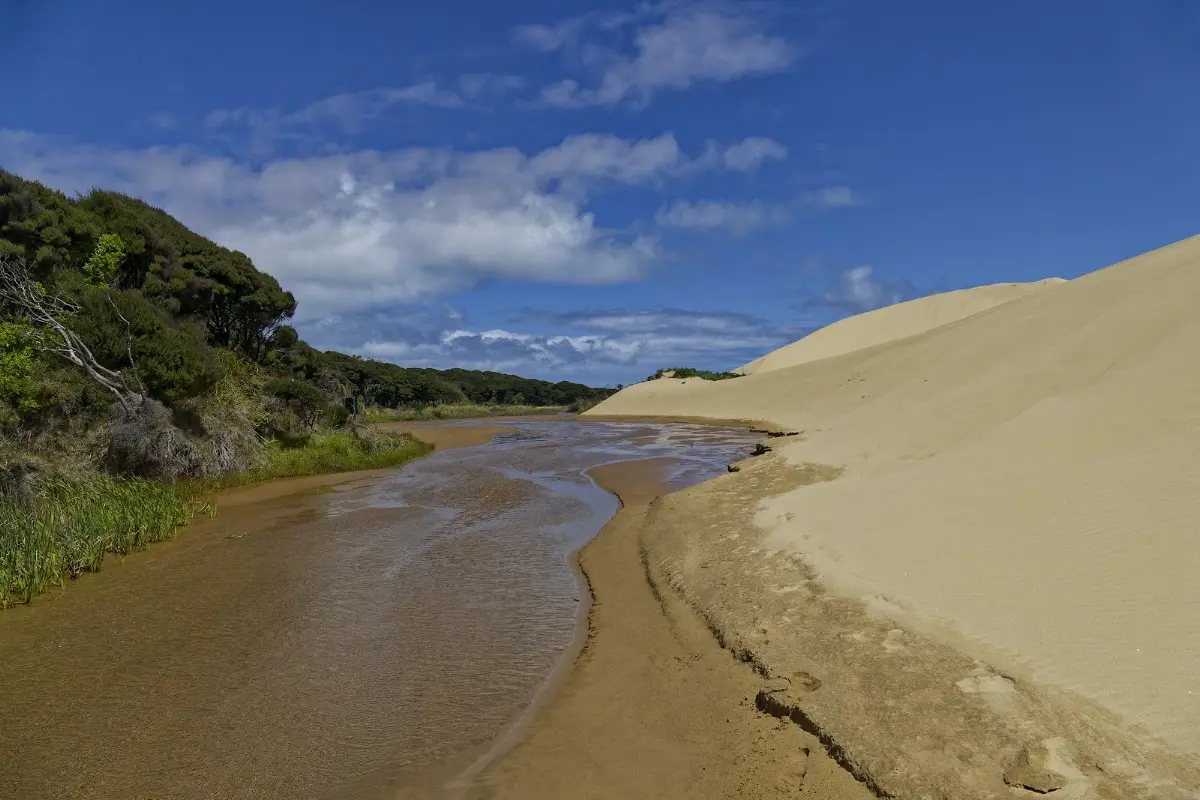
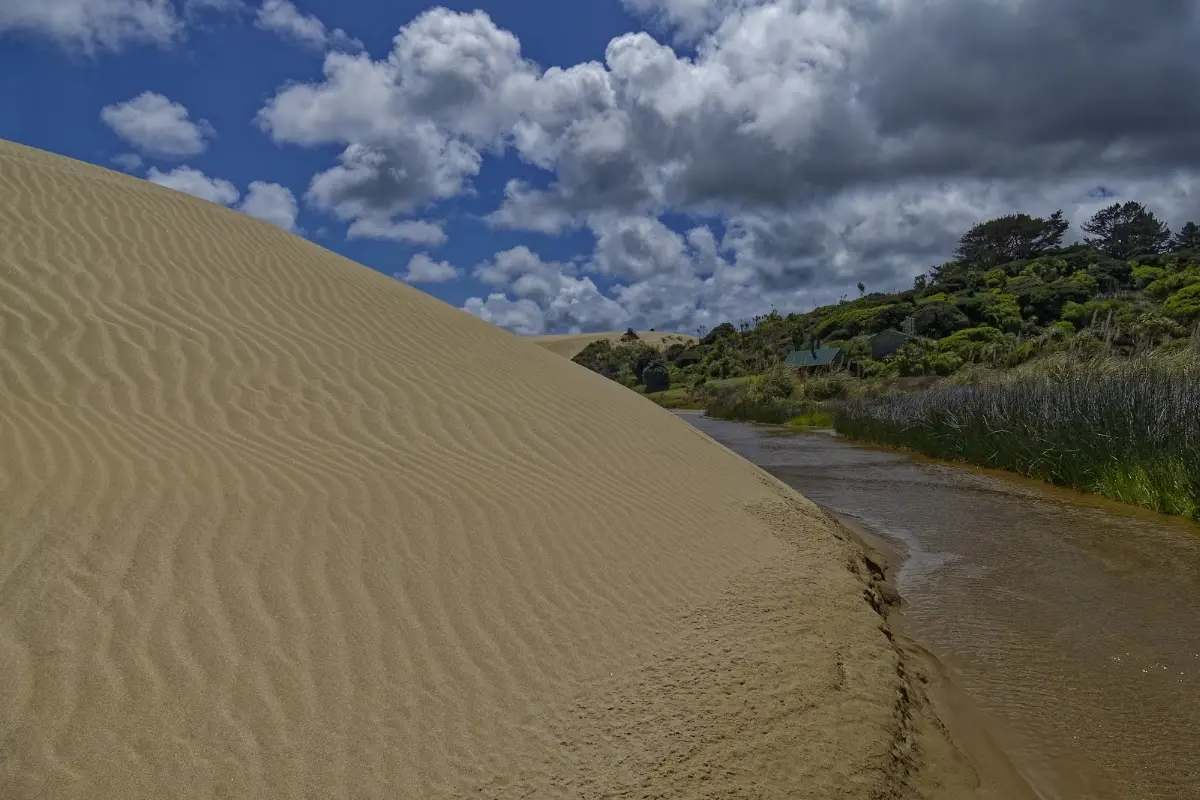
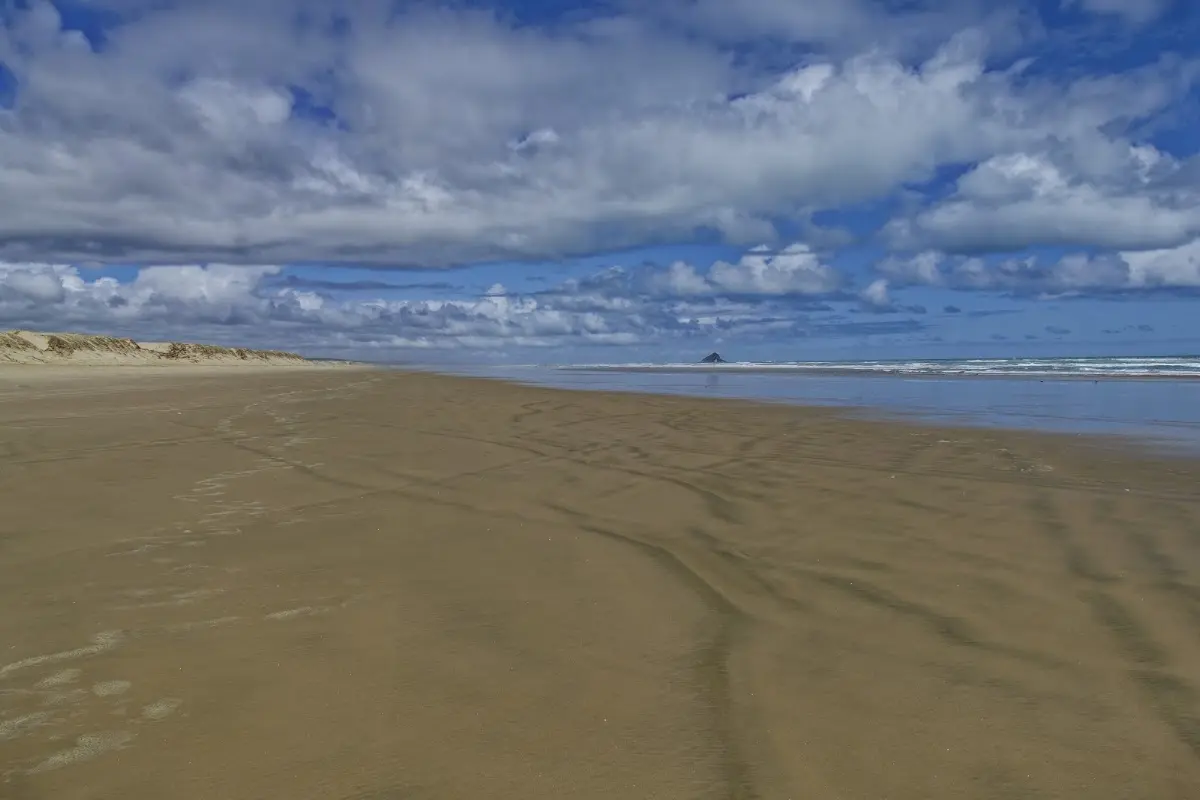
Te Oneroa-a-Tōhē, better known in English as Ninety Mile Beach, runs along the western side of the Aupōuri Peninsula for about 88 kilometres, despite its misleading name. The Māori name honours the ancestor Tōhē, while the English name probably came from early travellers misjudging its length by travel time. The beach is both a scenic landmark and a working route, officially classed as a public highway. It has long attracted visitors for its vast open coastline, nearby dunes, and unusual sense of scale. Today it is also part of the Te Araroa trail, and for cyclists and drivers alike it offers one of the most distinctive stretches of coast in New Zealand.
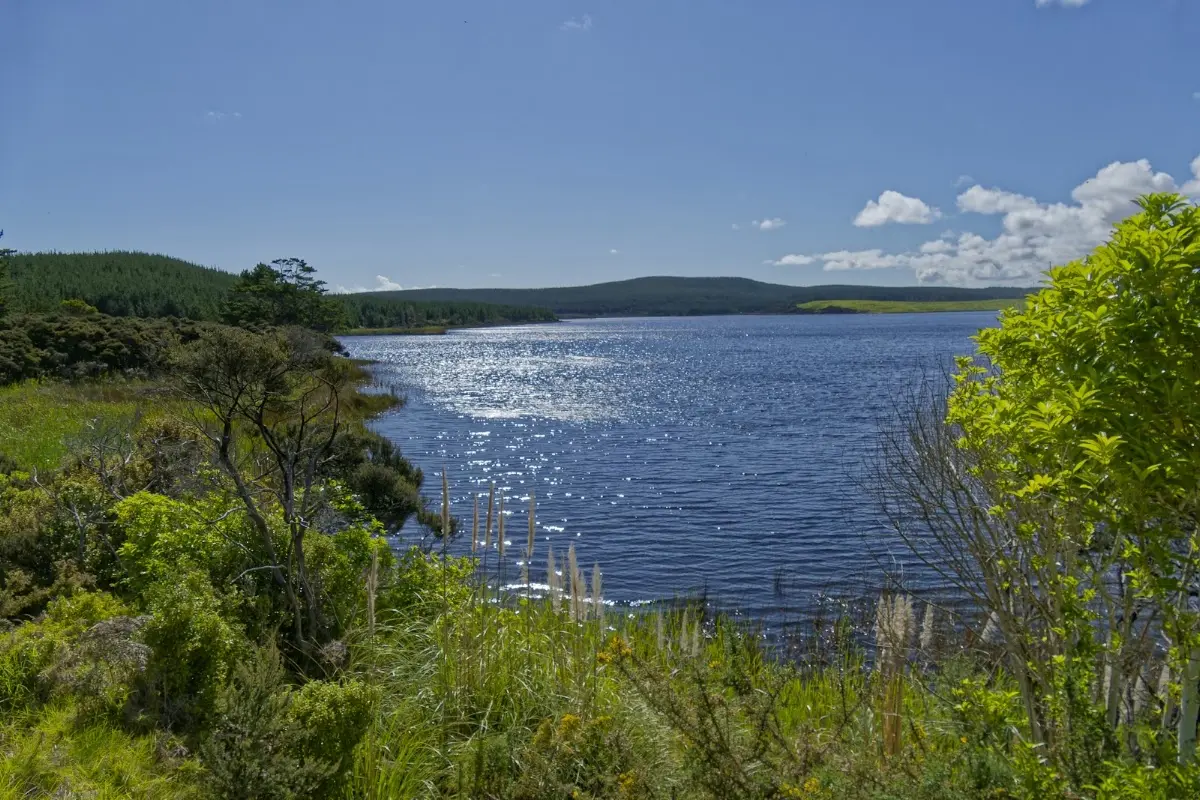
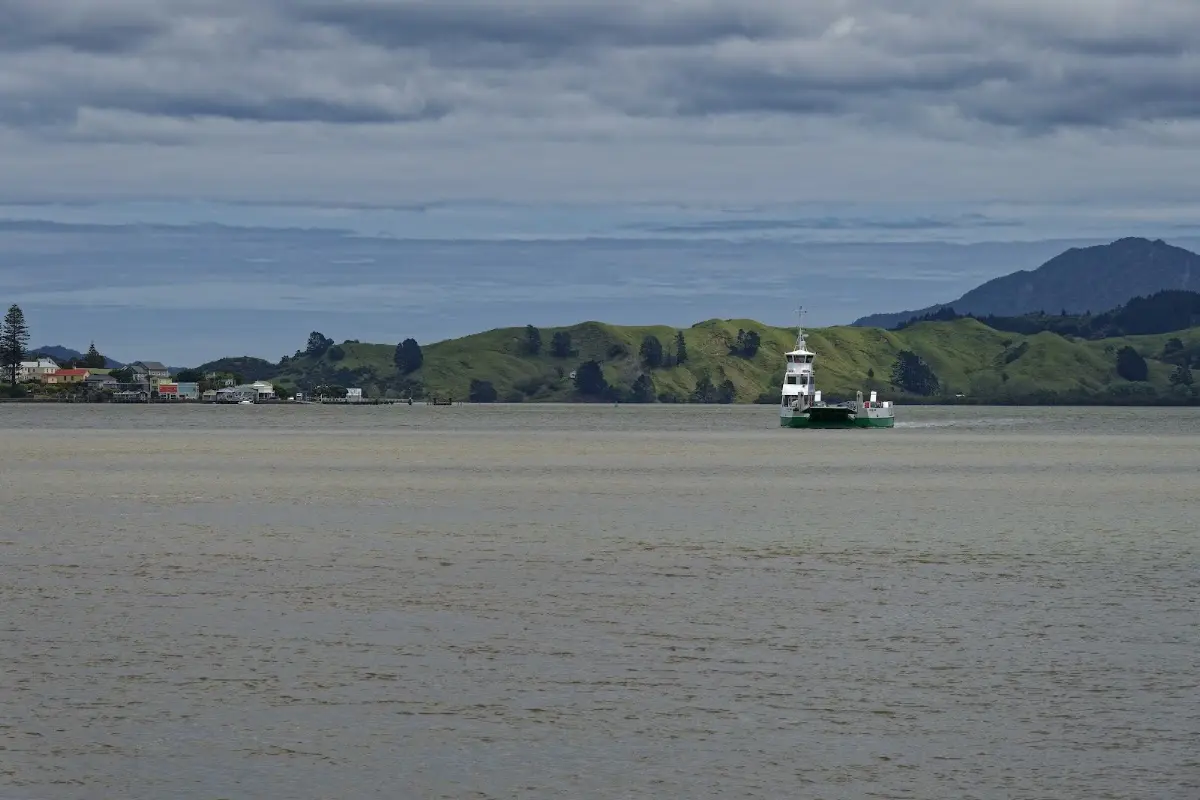
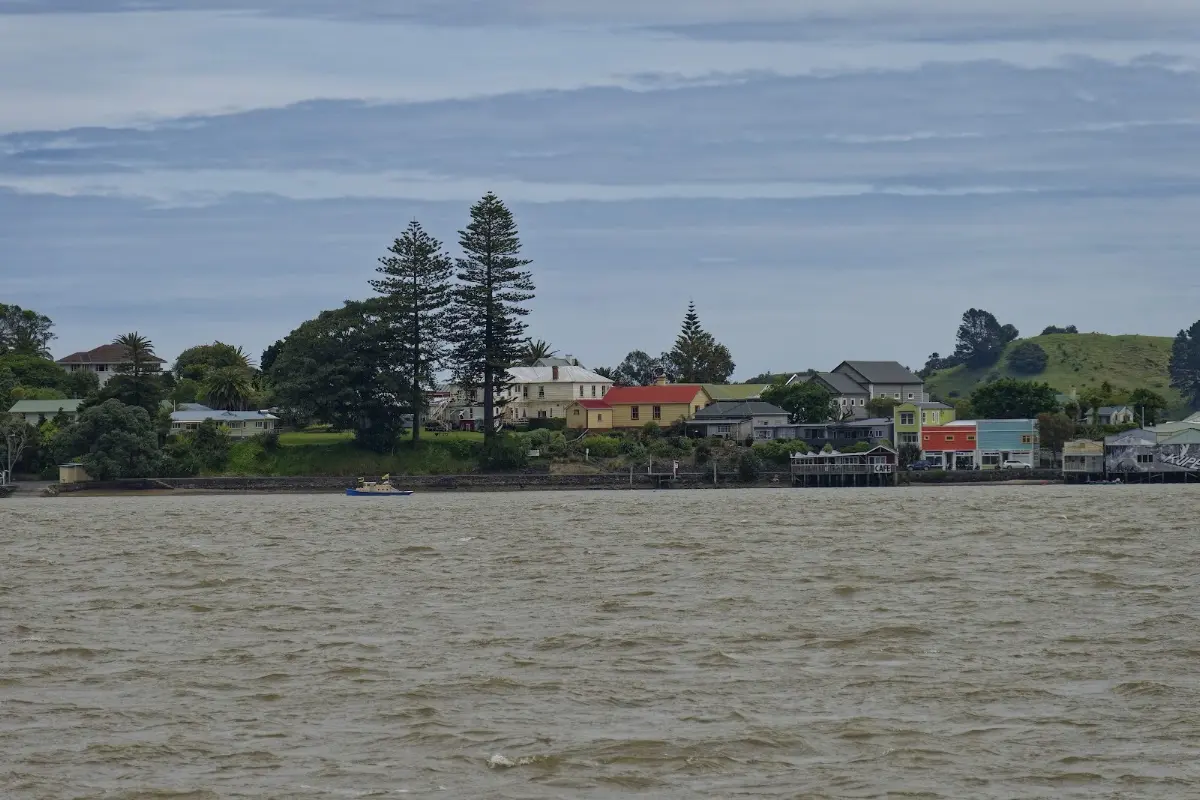
Back along part of the route I had already travelled, first to a café for coffee and a sandwich. Kaitaia was the next stop, then over the pass toward Mangamuka and down to the ferry at Rawene. There I met a woman from Austria travelling by bike, whom I would meet again later near Tāne Mahuta. I decided to make it a longer day and cycled on to the Department of Conservation campsite near Tāne Mahuta. There was a shower and a kitchen, which was all I needed. Soup with noodles in the evening. Bad weather is forecast for the next few days. Today: 173 km in 8 hours 40 minutes, average speed 20 km/h.
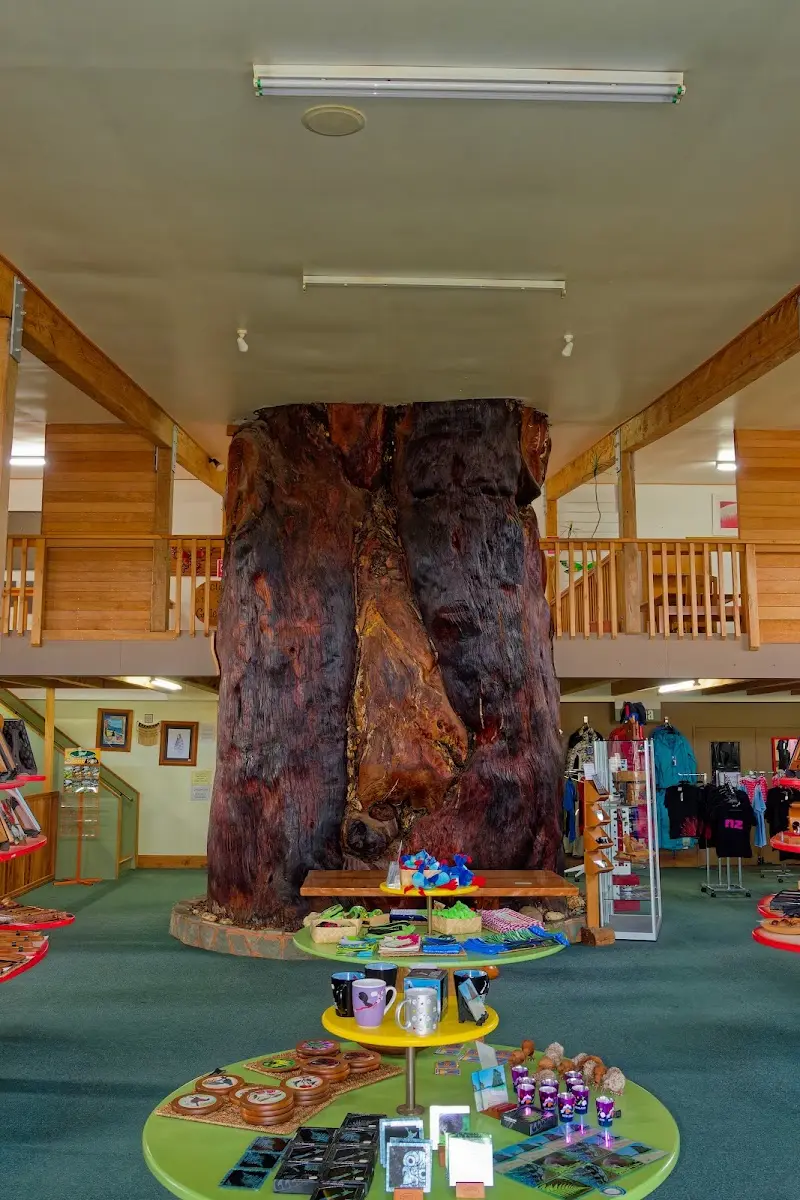

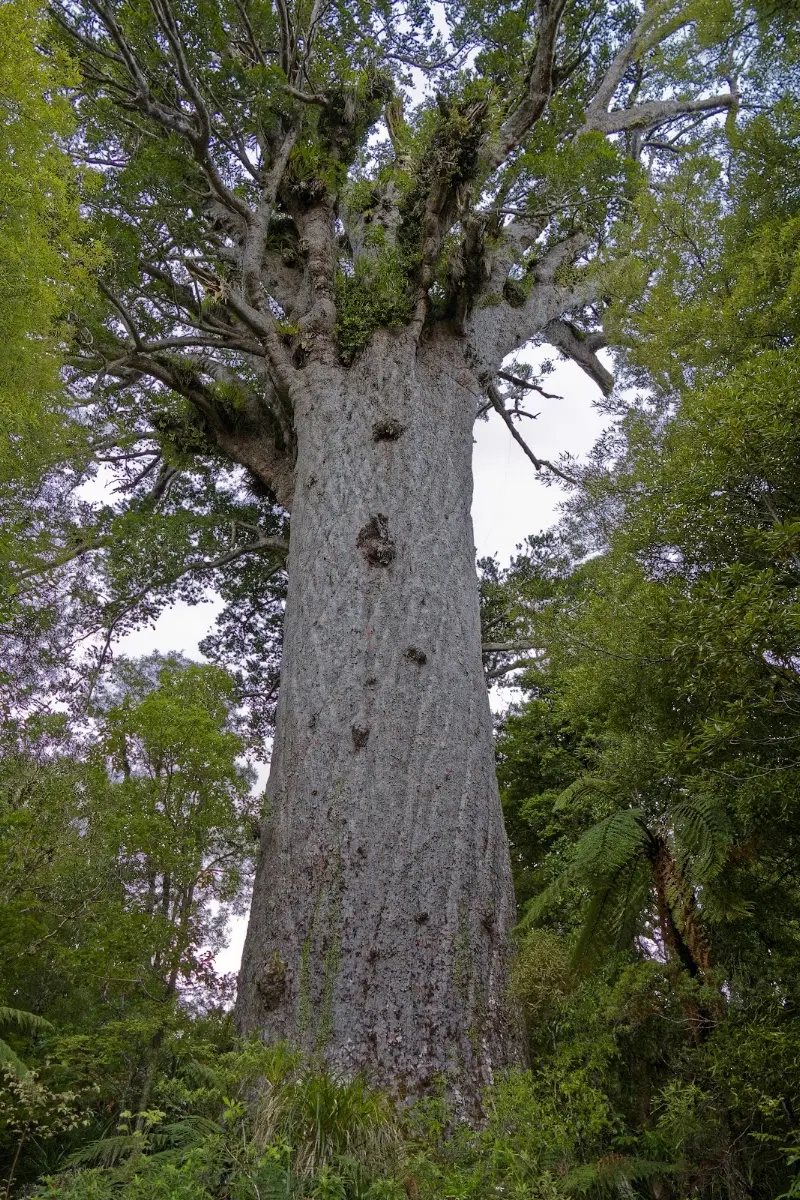
Tane Mahuta - Lord of the Forest
You are in the presence of one of the most ancient of trees.
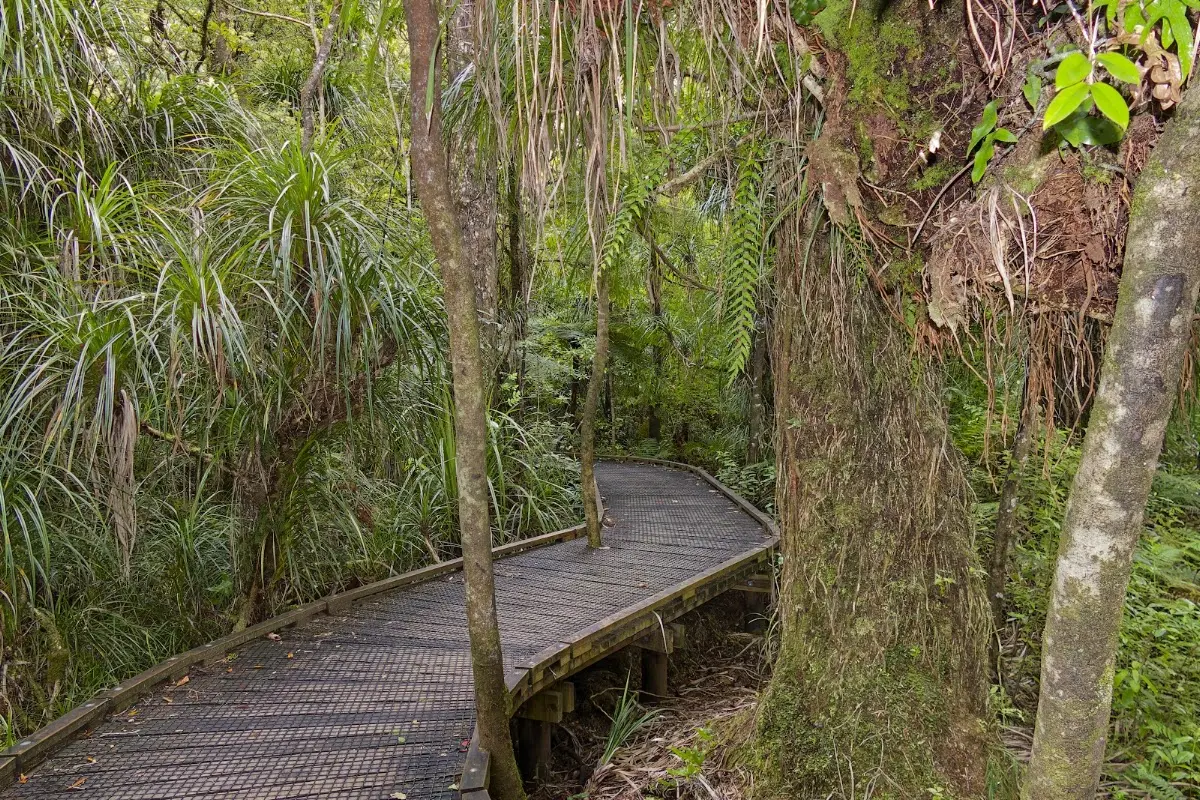
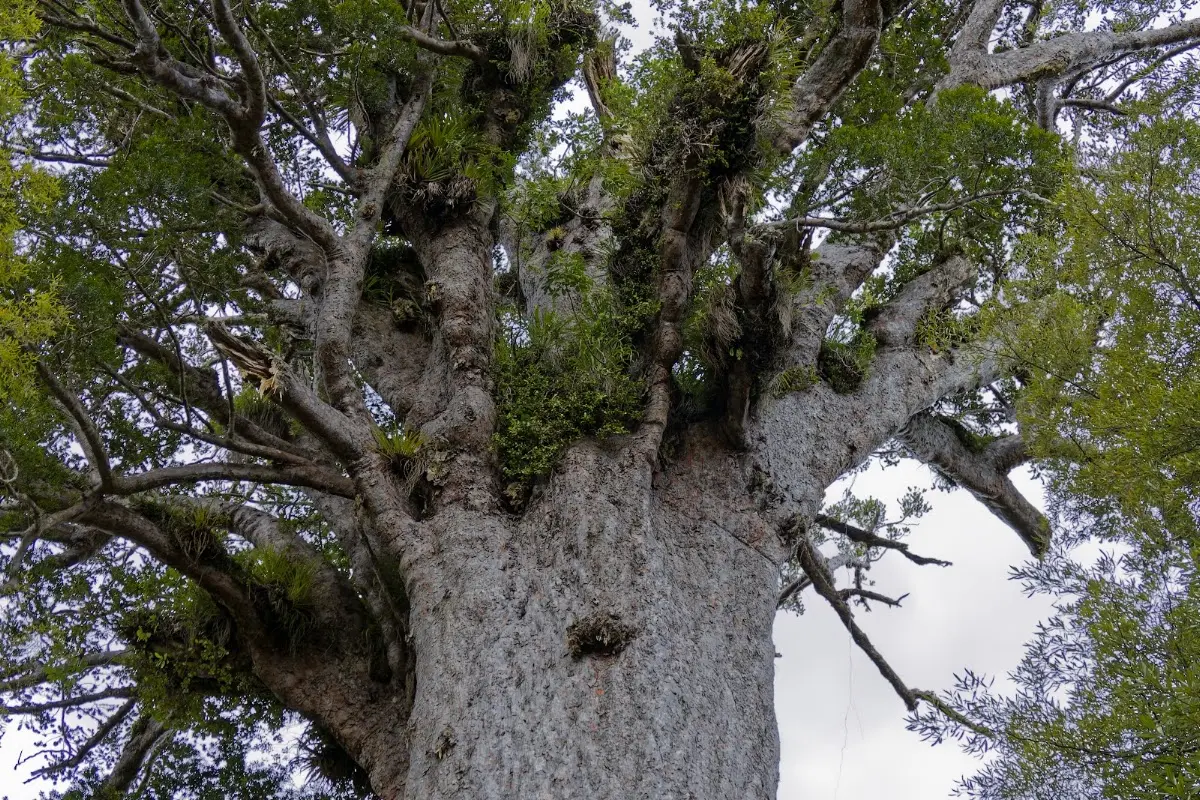
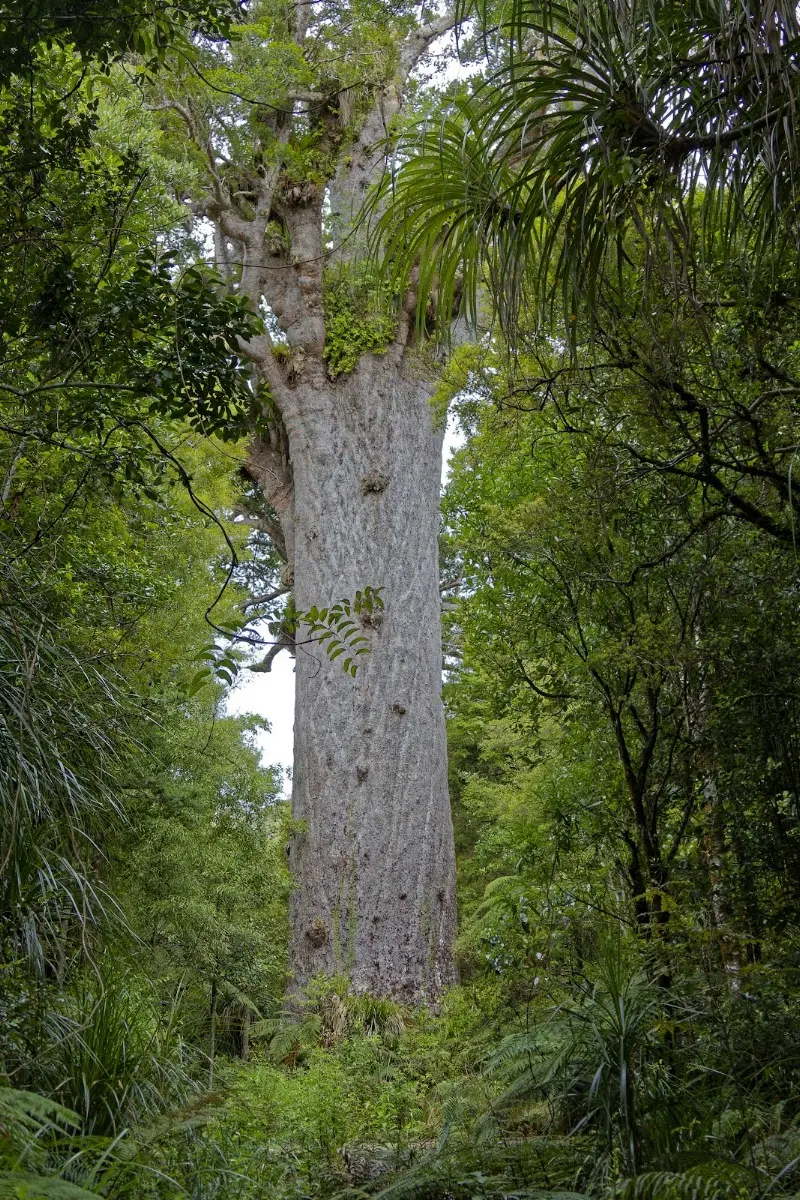
Tāne Mahuta, “Lord of the Forest,” is the largest living kauri tree in New Zealand and one of the country’s most revered natural landmarks. It stands in Waipoua Forest in Northland and is thought to be around 2,000 years old, though its exact age is impossible to determine. The trunk alone rises nearly 18 metres before the first branches begin, and the full height of the tree reaches over 50 metres.
In Māori cosmology, Tāne is the god of forests and birds, the child of Ranginui, the sky father, and Papatūānuku, the earth mother. The name therefore carries both botanical and spiritual meaning. Tāne Mahuta is not simply a large tree but part of a wider living forest, and the protected walkways around it are there for good reason: kauri roots are shallow and fragile, and even small disturbances can damage them. Waipoua itself is far more than a single giant tree — it is one of the most important remaining kauri forests in the country, rich in native species and ecological history.
I started in light drizzle and reached Dargaville around 1 p.m. after plenty of ups and downs. It became a little drier for a while, but then the rain returned and stayed with me all the way to the campsite in Mangawhai. There I met Lio, an Italian girl working as a helper at the campsite. She wants to walk 3,000 km to Bluff. I am not sure whether she realises how long that really takes if you walk only 15 to 20 km a day. She had already been on the road for four weeks from Cape Reinga. We exchanged email addresses. I hope there will be more sun tomorrow. Everything is very wet here, and the grass is full of water. I just hope the night stays dry so the water does not come in from underneath. Today: 155 km in 8 hours 14 minutes.



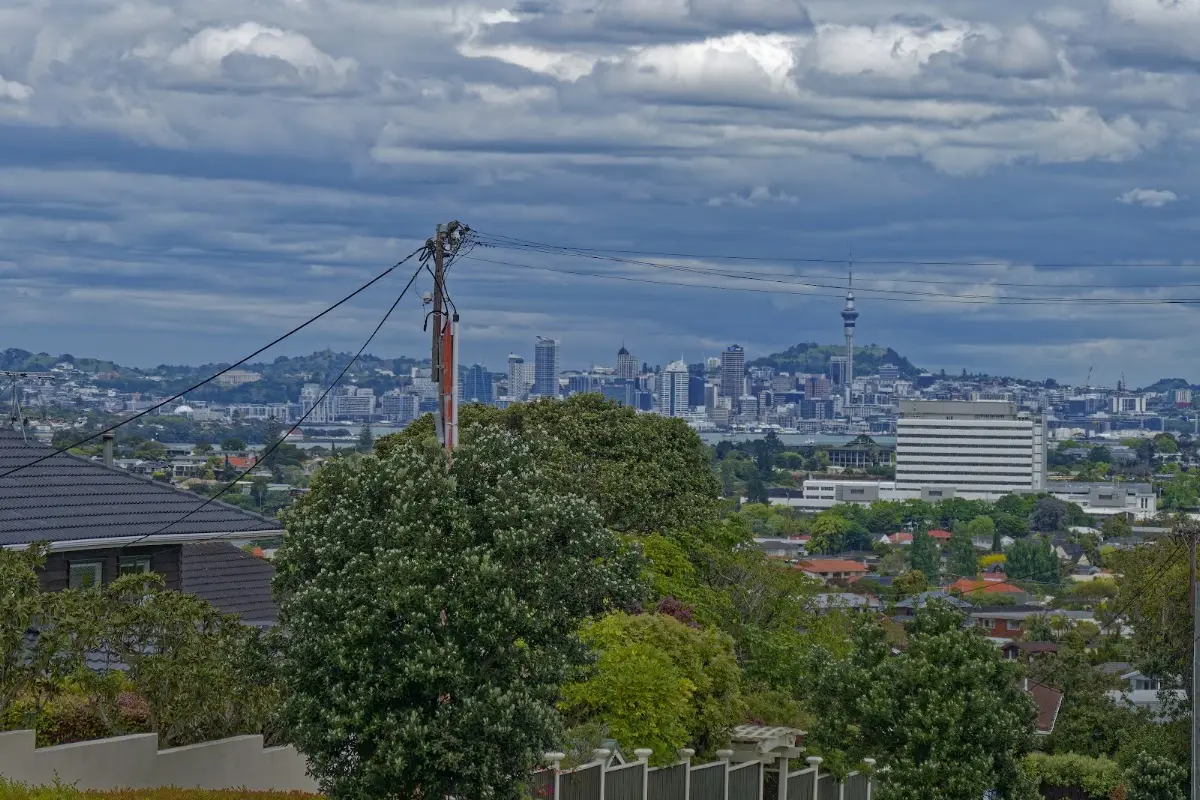
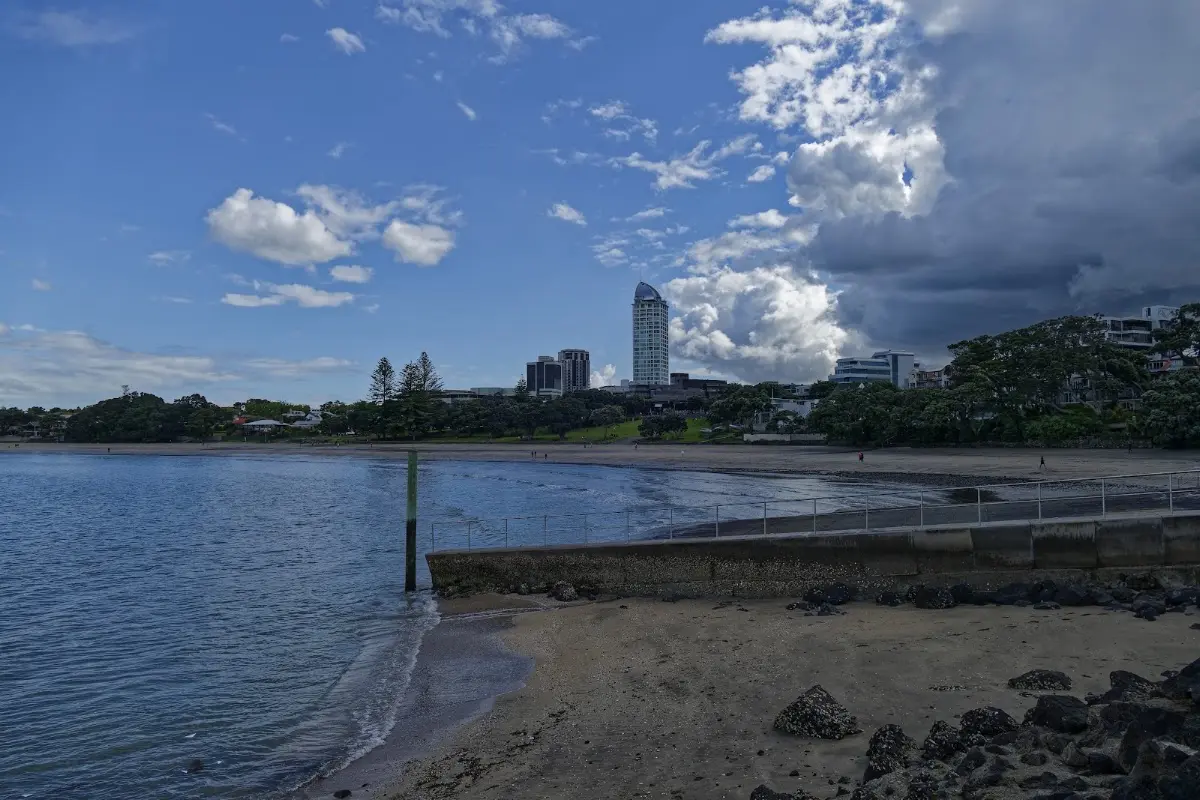
Back in Auckland by 14:30, at the campsite in Devonport. I took a slightly different route in the morning. Tomorrow it should be about half an hour to the ferry. In the evening: rump steak, cider, and three apples. Today: 121.9 km in 6 hours 45 minutes.