Biking and Hiking New Zealand - 08 Taupo, Palmy, Marlborough Sounds
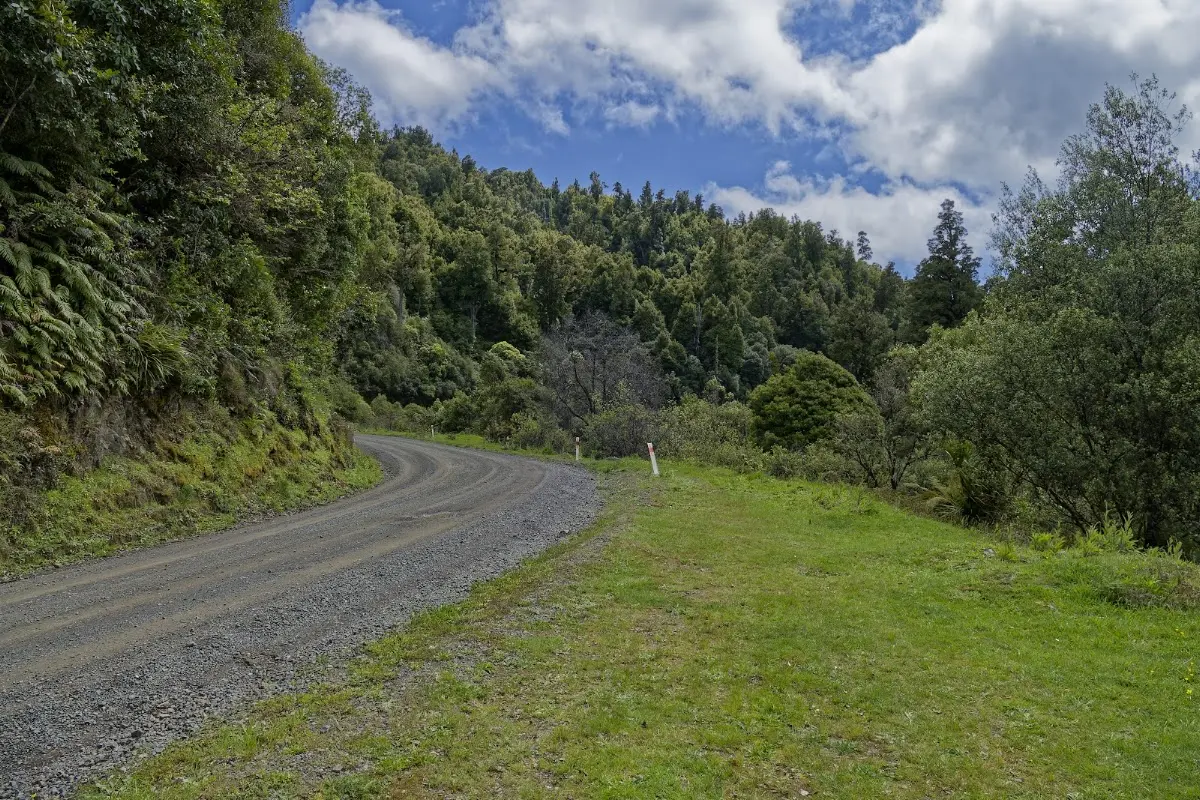
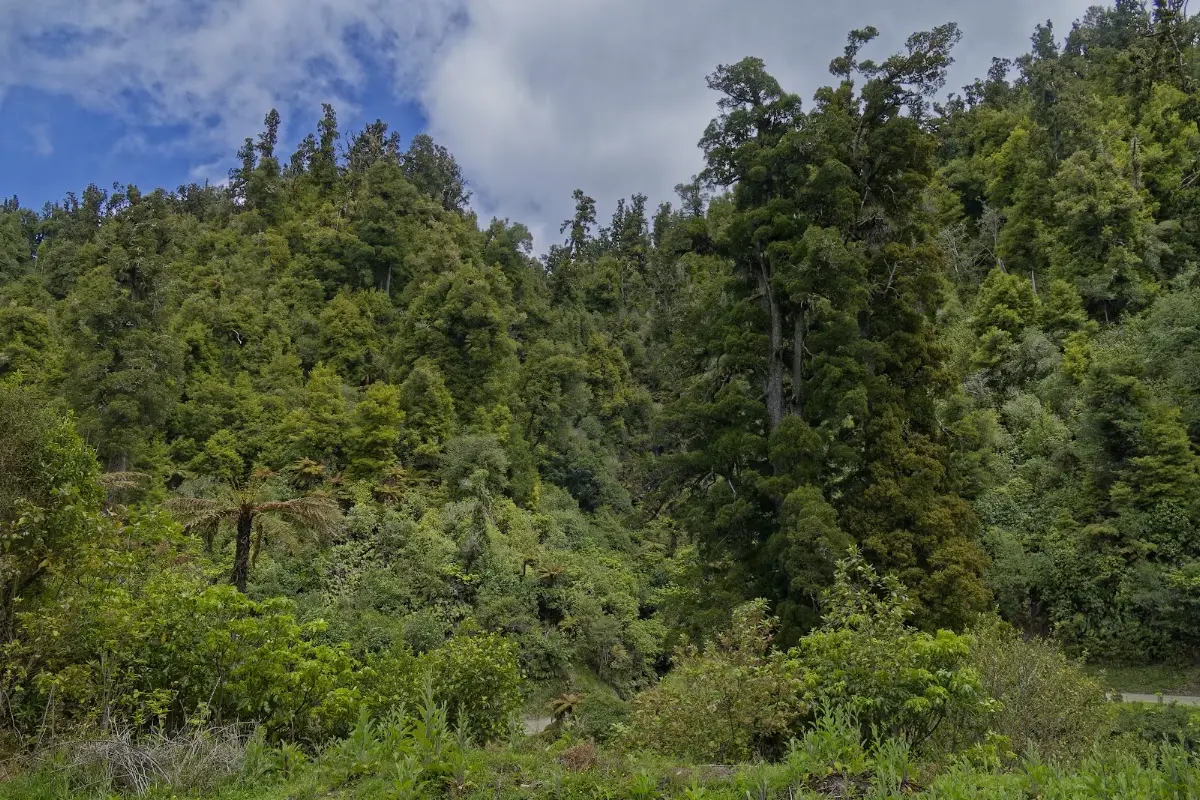
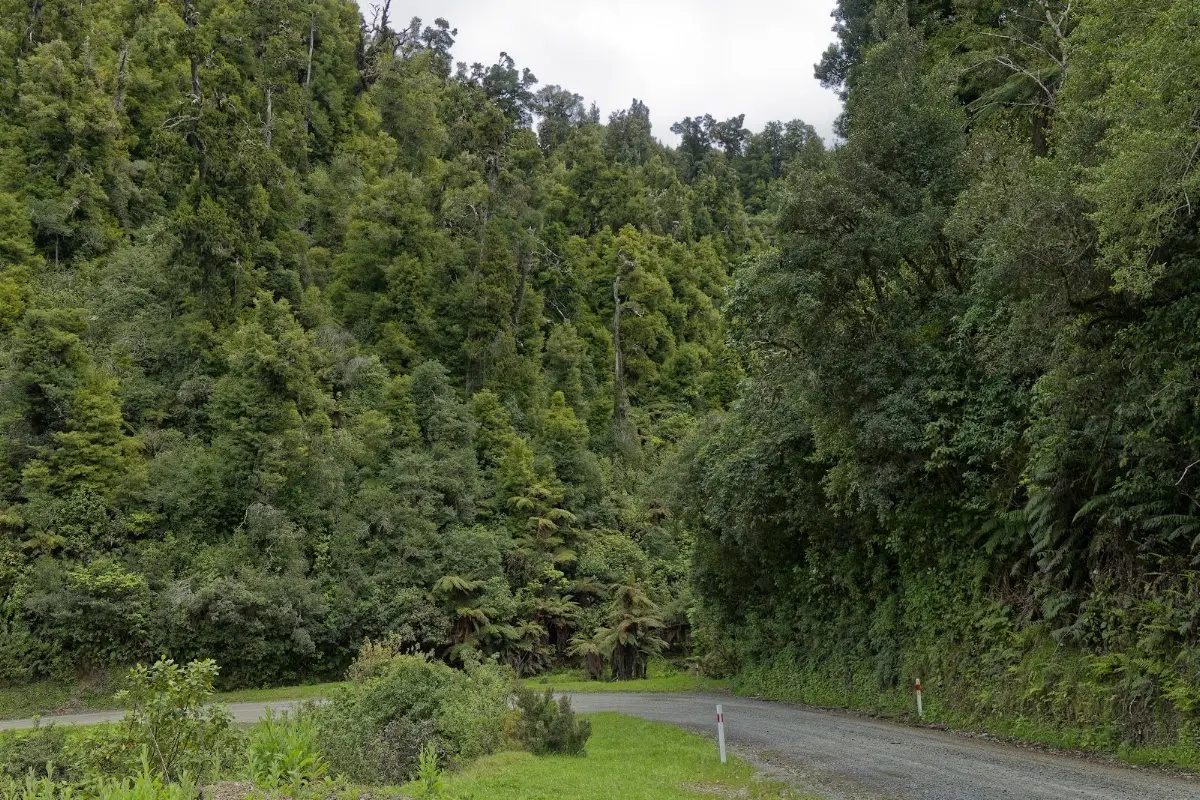
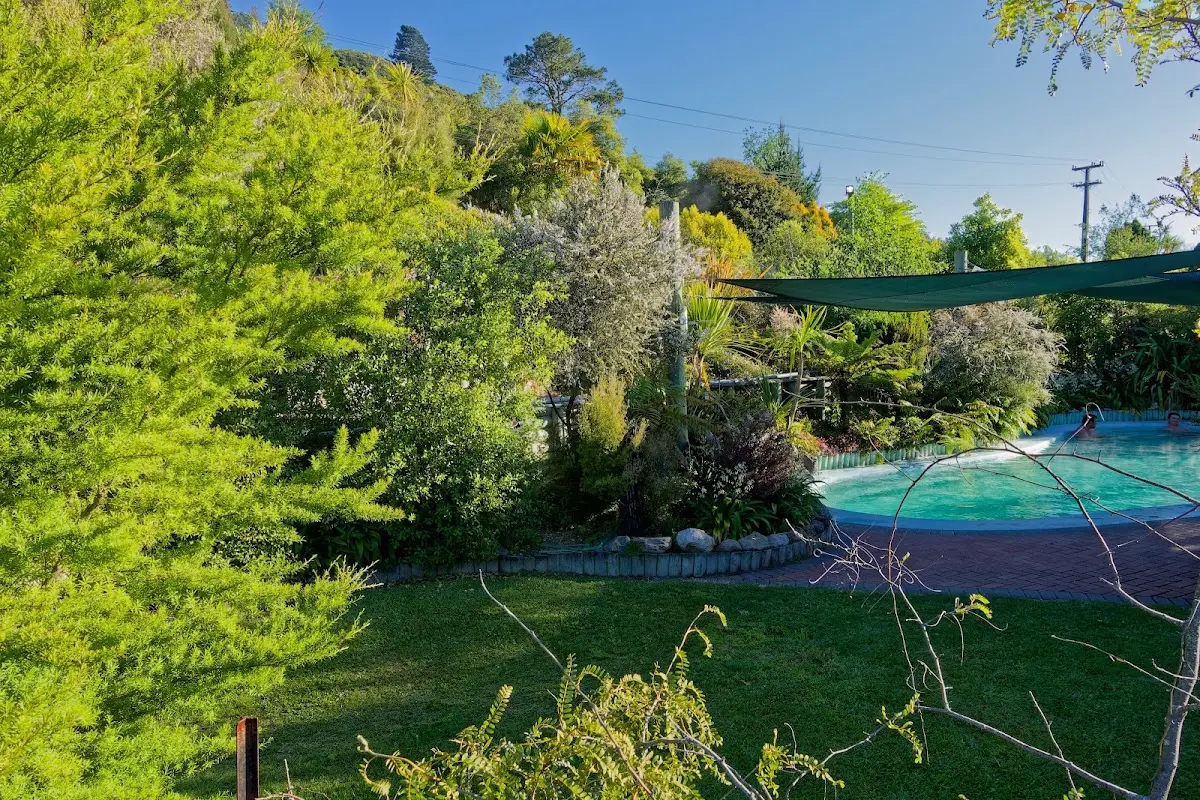
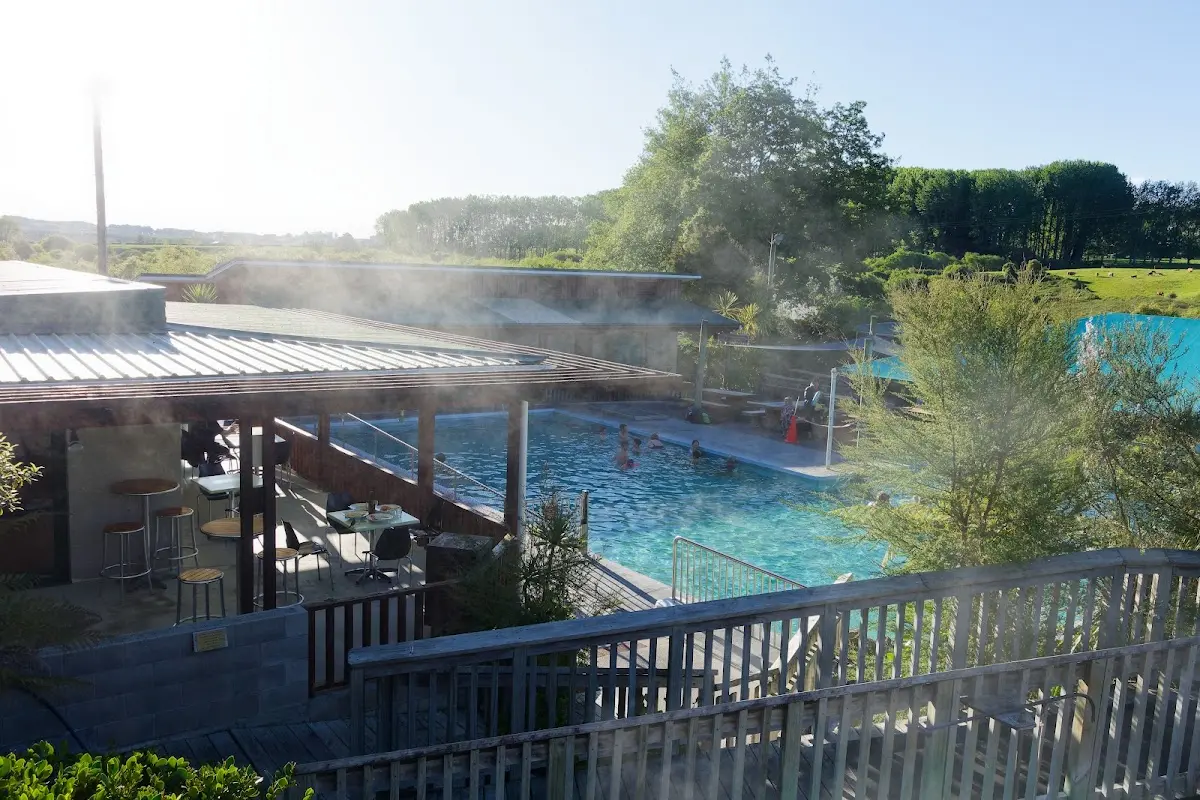
After the walk I cycled northwest on State Highway 38, an unsealed road for about 100 km to Murupara — my first coffee in five days — and then another 50 km to Waikite Valley. A wonderful place to pitch the tent, and as a camper you get free entry to the four hot pools, with water between 35 and 40°C, open from 6 a.m. to 9 p.m. On the first of three major hills toward Murupara, there was snow above 900 metres. Fish and chips after a long day.

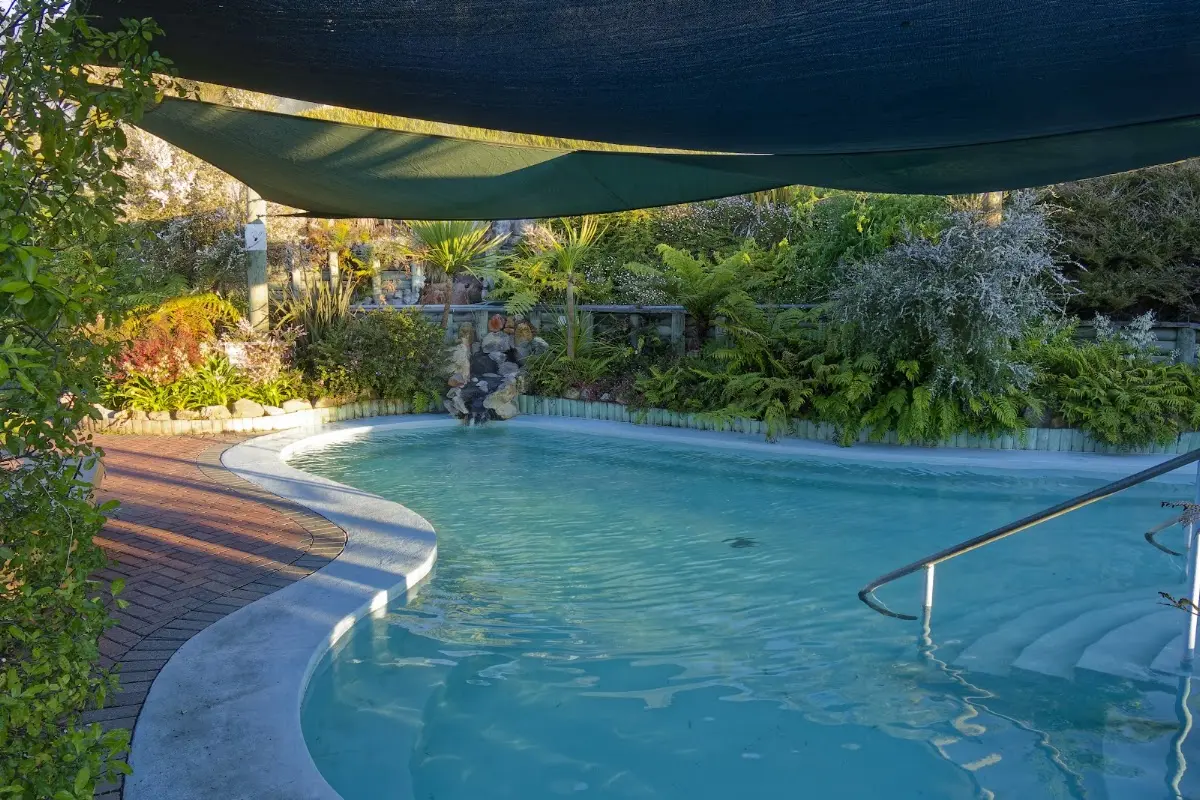
Te Manaroa
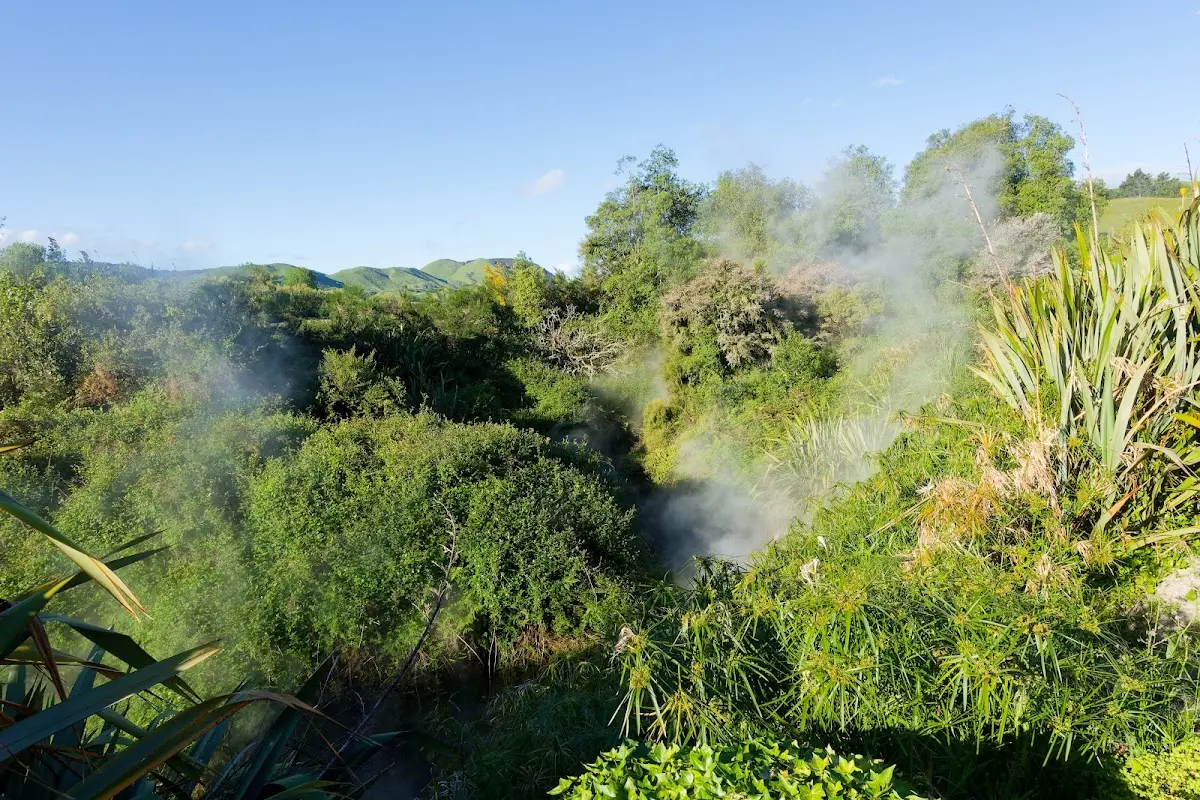
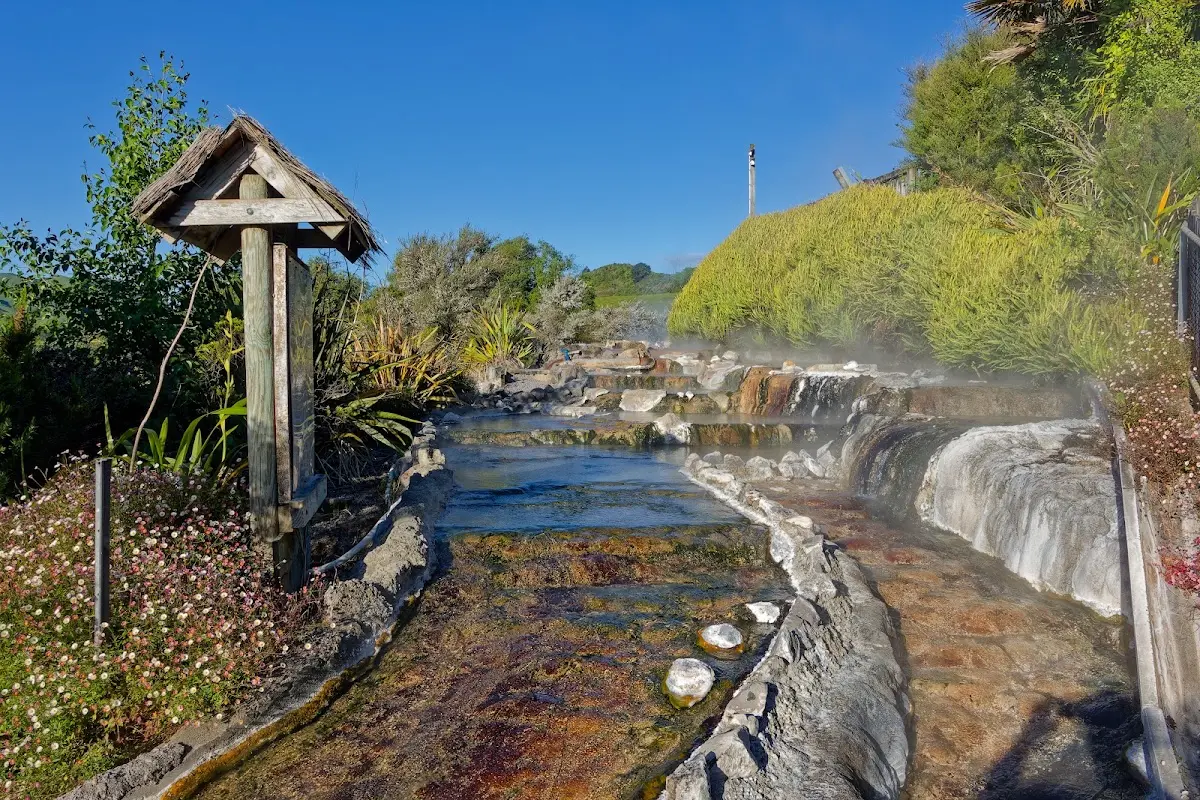
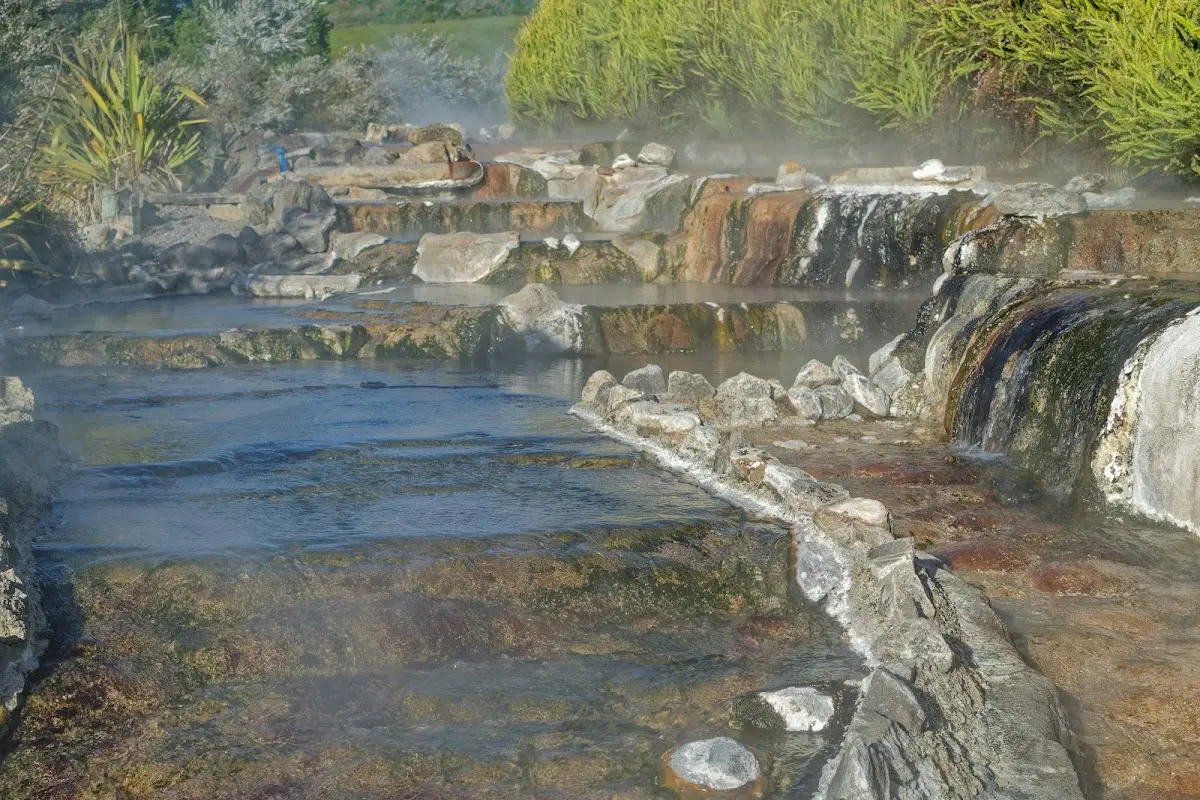
Te Manaroa (Mana — Charismatic, Roa-long lasting) spring has the largest discharge of boiling water in New Zealand, whereby boiling water is discharged at a rate of between 40-50 litres per second at a temperature of 98 degrees Celsius. The depth of the spring is unknown but it is generally thought by geologists that the Waikite Valley system is hydrologically connected to the nearby Wai-o-tapu geothermal field by way of an underground cold water river that then combines with the main column of deeper bicarbonate laden, higher temperatures geothermal fluids before discharging itself here in Waikite Valley. It is also thought that the springs are barometrically controlled; hence Te Manaroa is less active when the air pressure is low and more active when the air pressure is high. Microorganisms found in geothermal hot water systems are believed to be closely related the very first life like forms to appear on earth. They are known as extremophiles due to their ability to survive in very extreme conditions!
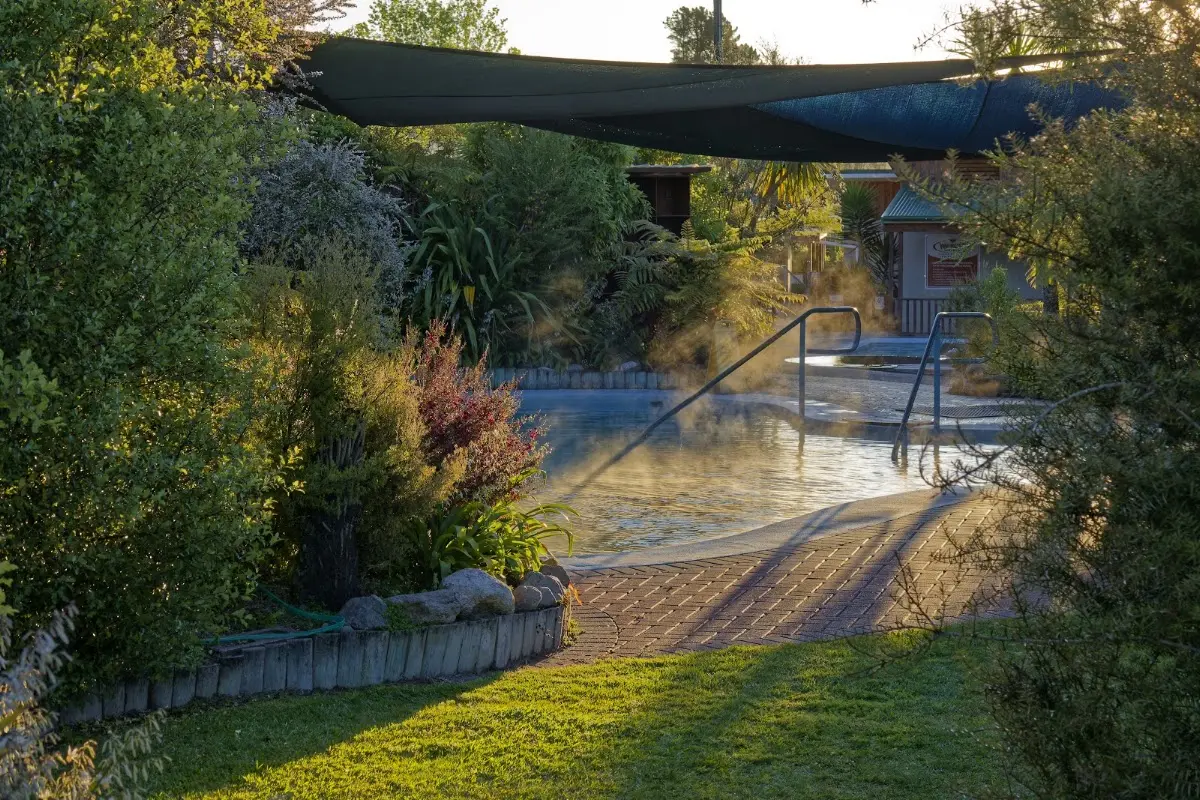
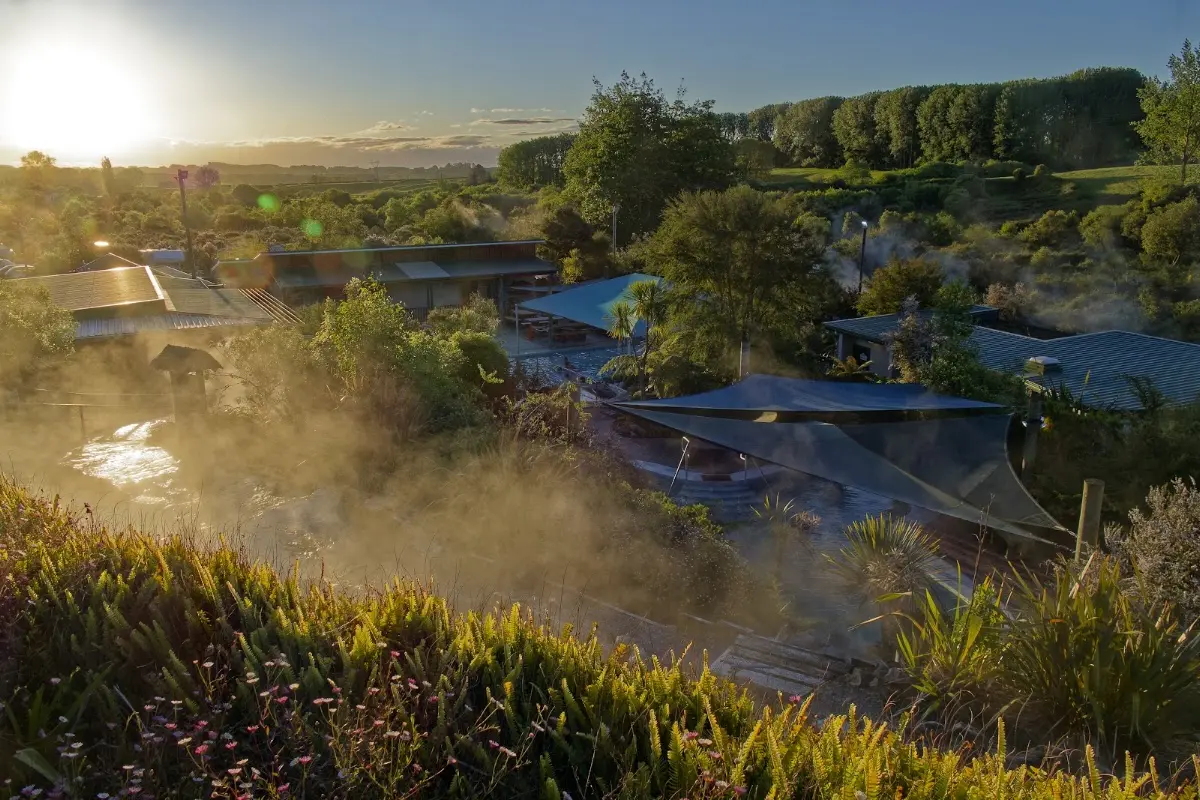
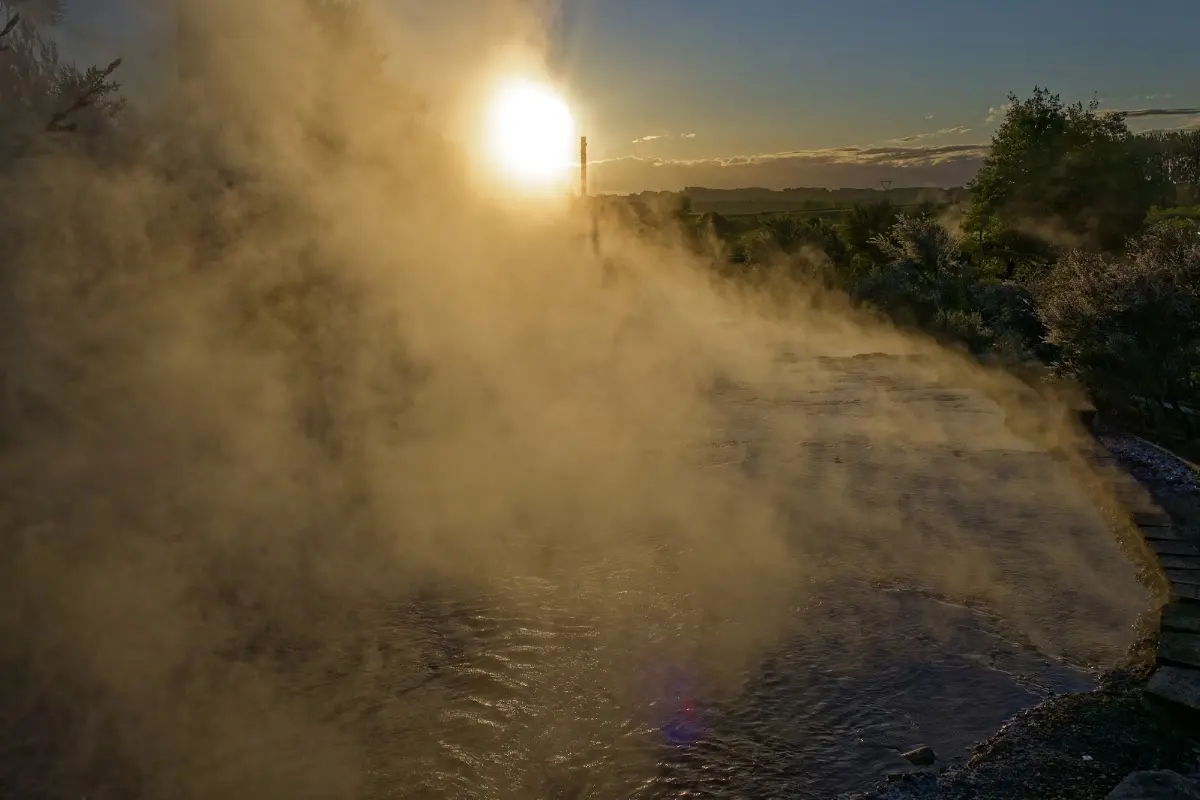
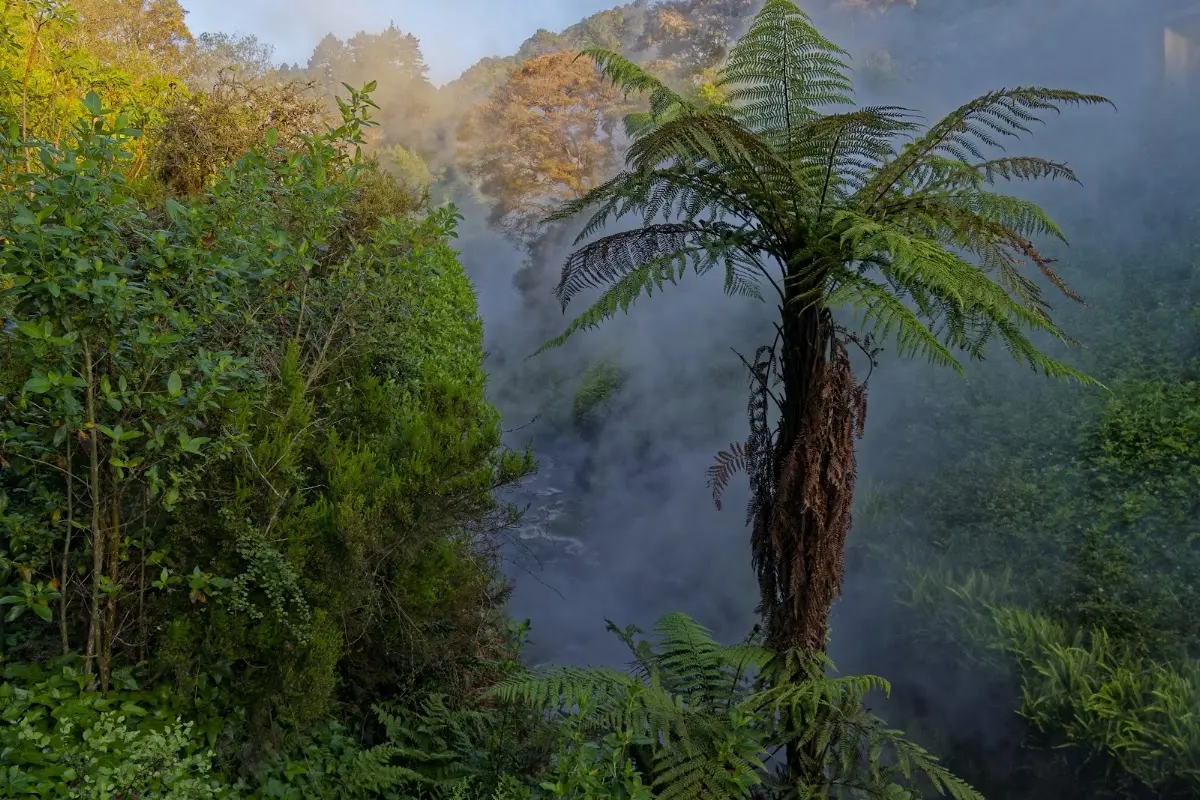
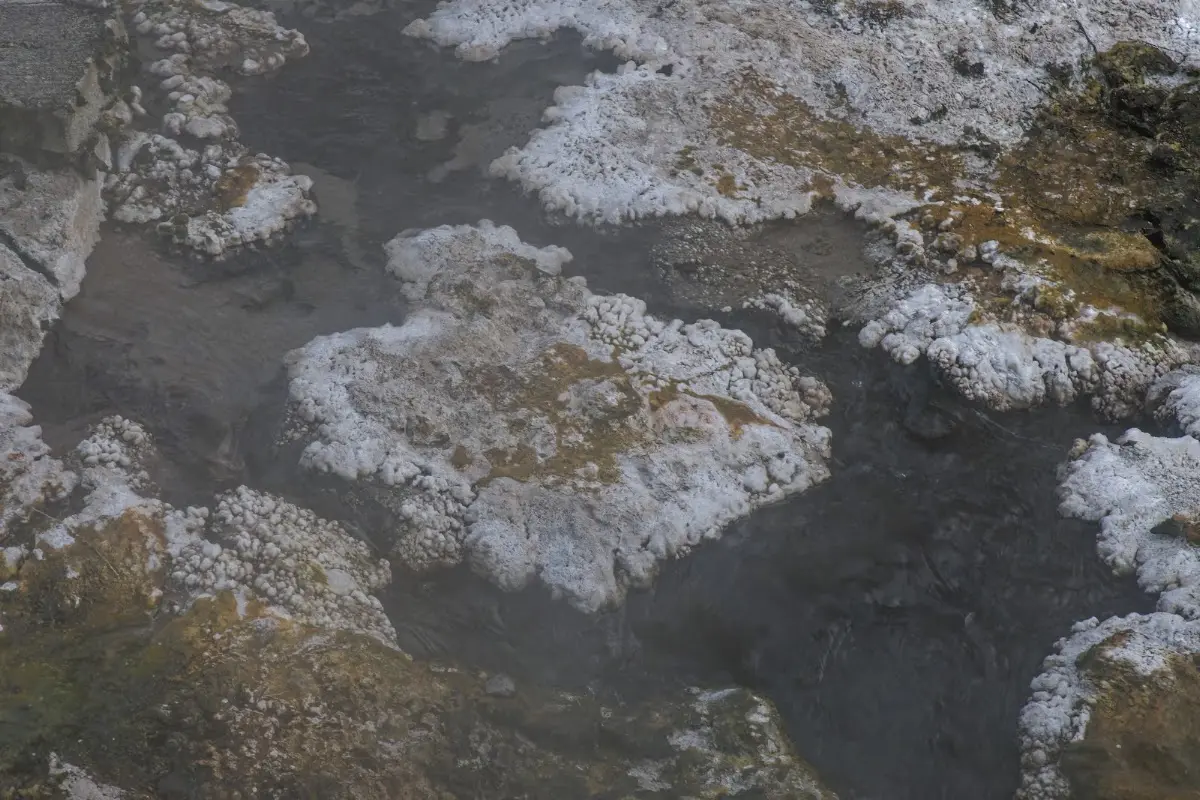
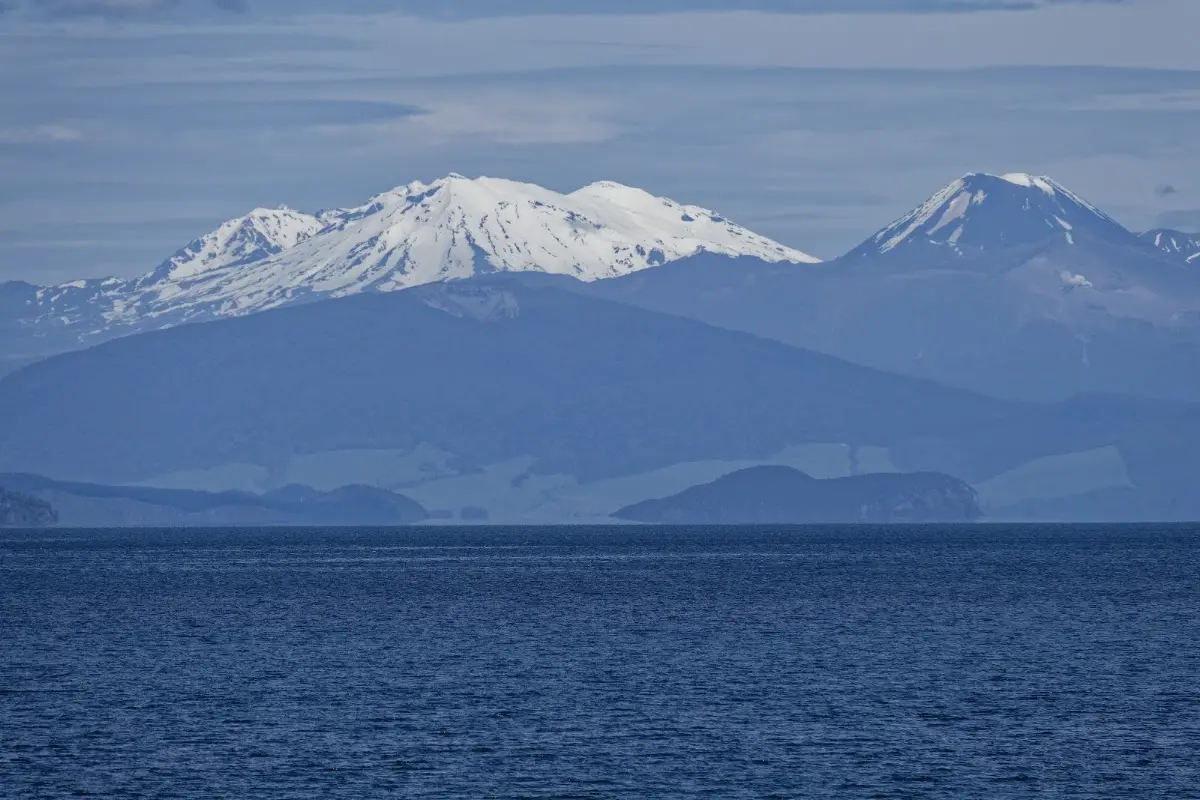
I left Waikite Valley at 6:30 a.m. after another quick soak in the hot pools and met a nice girl hiking Te Araroa, who had camped near the Waiotapu mud pools. I arrived in Taupō by 11 a.m. and set up the tent with a view of the lake. In the distance, the volcanoes were snow-capped. Later I visited Huka Falls on the west side and enjoyed a short mountain bike ride back on a single track. In the evening: beef steak on the barbecue and cider. Today: 85 km in four and a half hours. The weather forecast for the next two days did not look good. The Tongariro Crossing had already been cancelled for tomorrow, and Monday looked no better, so I began to think I might simply head south and return in mid-January for the volcanoes.
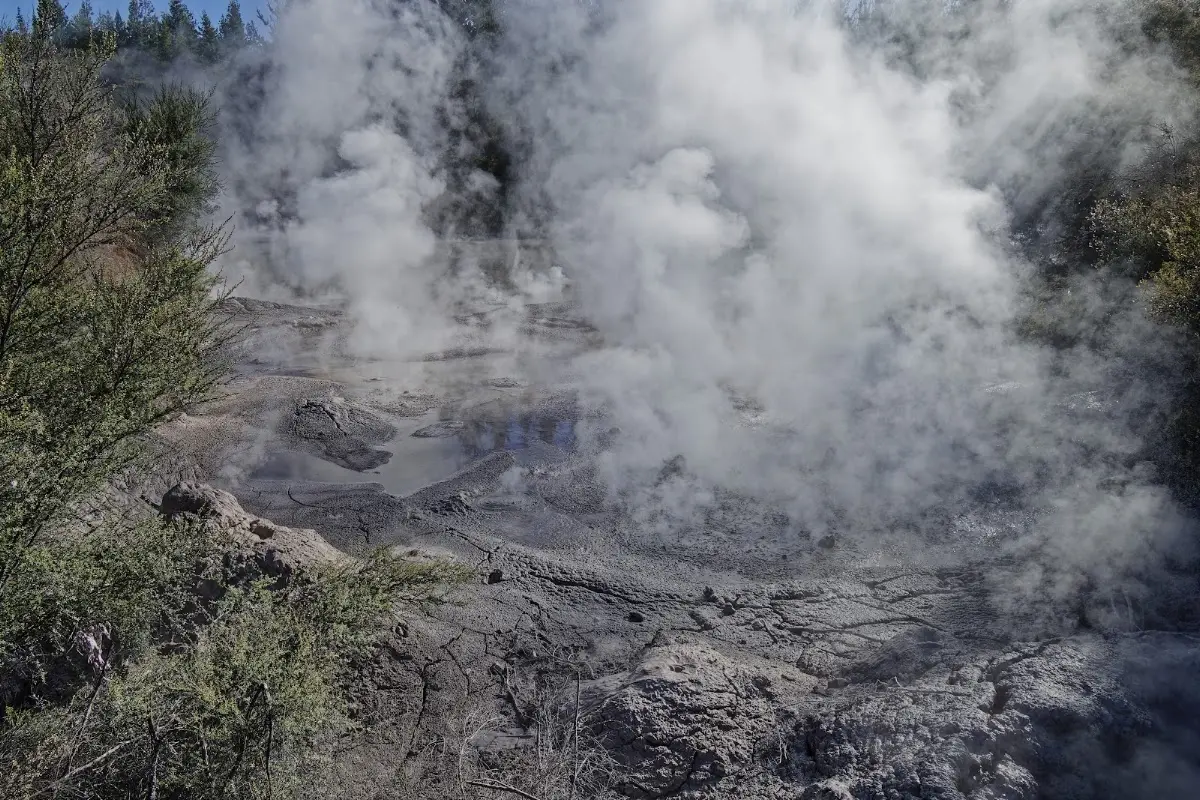
Waiotapu
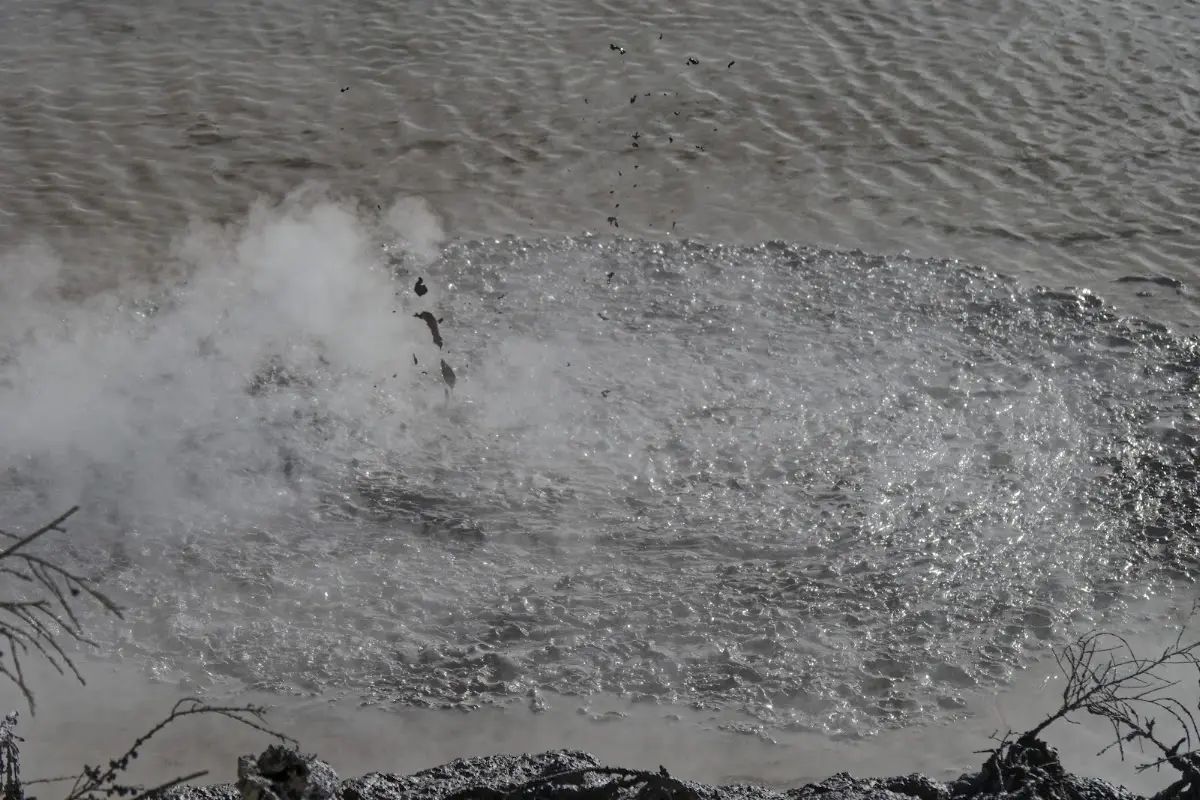
Waiotapu (meaning "sacred waters" in Māori) is an active geothermal area located at the southern end of the Okataina Volcanic Centre, just north of the Reporoa caldera in New Zealand's Taupo Volcanic Zone, 27 kilometers south of Rotorua. Known for its vibrant hot springs, the area features attractions like the Lady Knox Geyser, Champagne Pool, Artist's Palette, Primrose Terrace, and boiling mud pools. These natural wonders can be explored on foot, with some areas offering a paid, curated experience. The geothermal area spans 18 square kilometers and was historically inhabited by the Ngāti Whaoa tribe.
Waiotapu has long been a tourist destination and has been protected as a scenic reserve since 1931. A portion of the reserve is operated as "Wai-O-Tapu Thermal Wonderland" under a concession. In 2012, Te Arawa Group Holdings, a local Māori tribal business, acquired the operation from the Sewell/Leinhardt family, who managed it for 30 years.
Taupō
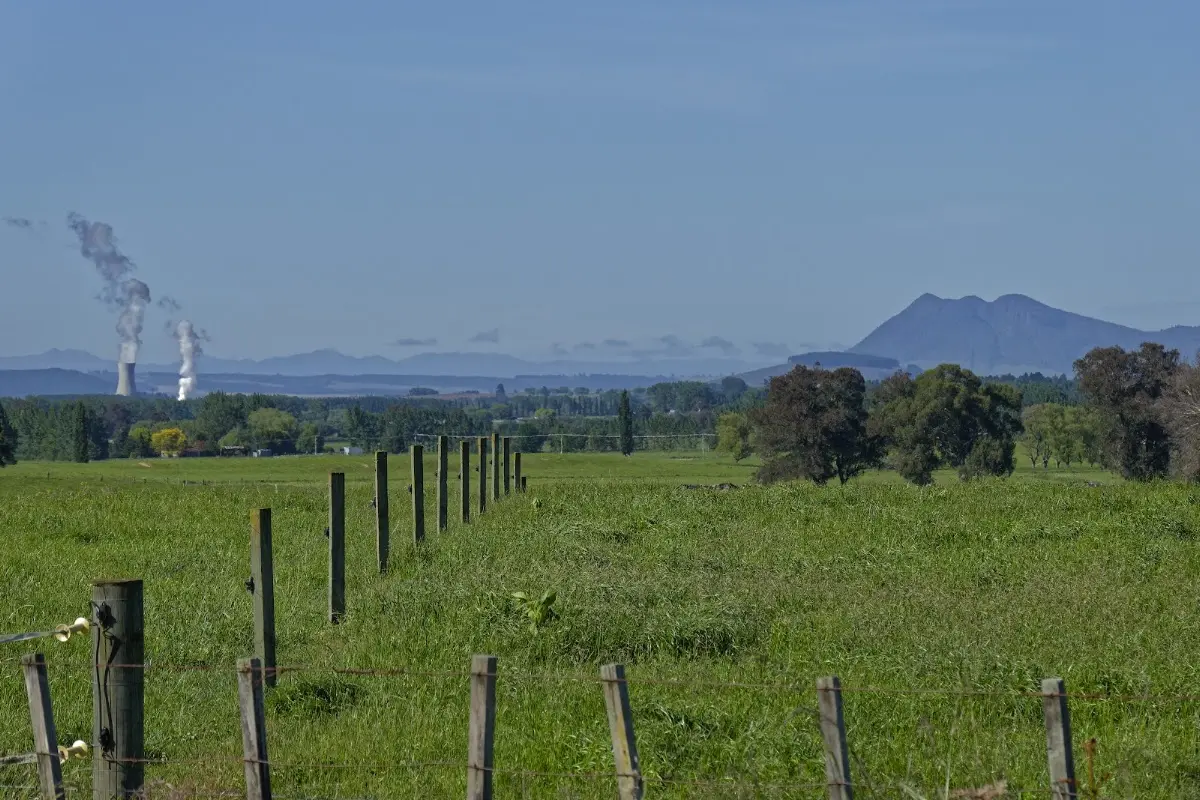
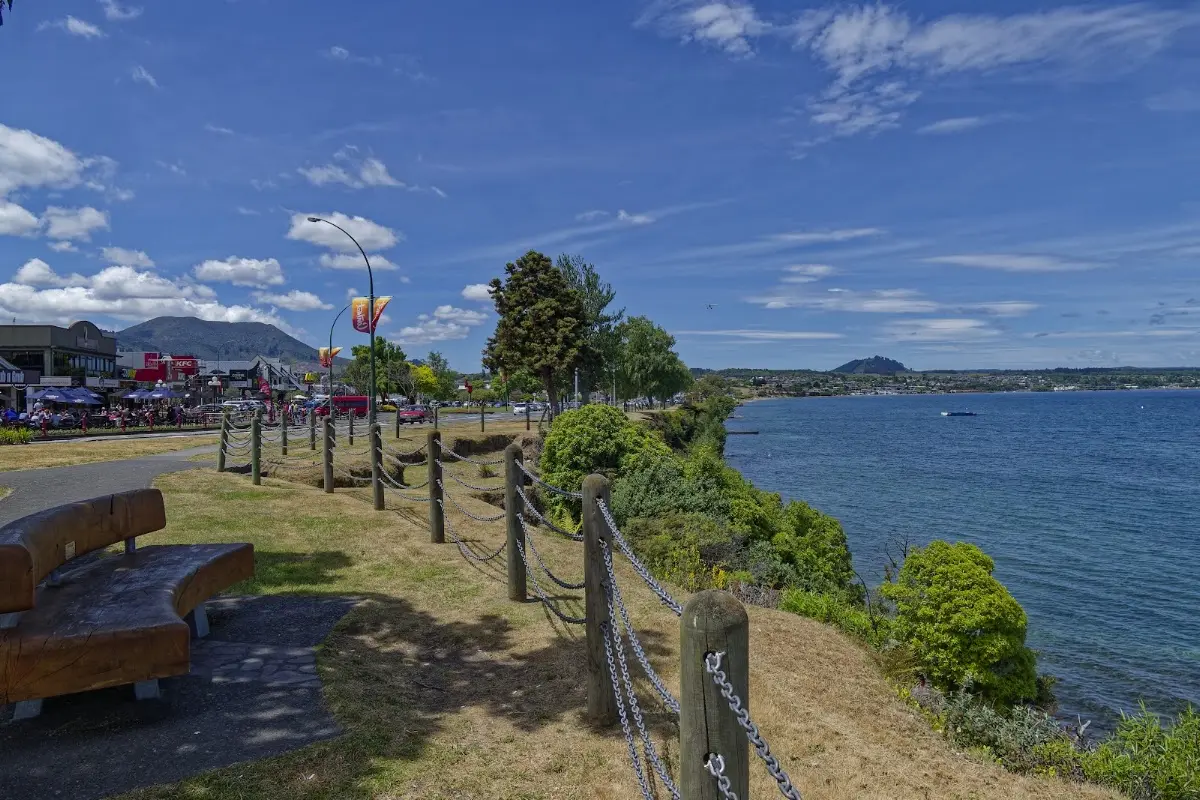
Taupō lies on the shore of New Zealand’s largest lake, itself the flooded caldera of a vast volcanic system. The town is one of the North Island’s main outdoor centres, with fishing, hiking, skiing, geothermal sites, and the volcanoes of Tongariro National Park all within reach. That makes it both a tourist hub and an important practical stop for anyone travelling through the centre of the island. The lake, the Waikato River, and the surrounding volcanic plateau give Taupō a distinct setting unlike anywhere else in the country. On clear days, the snowy volcanoes to the south dominate the horizon.
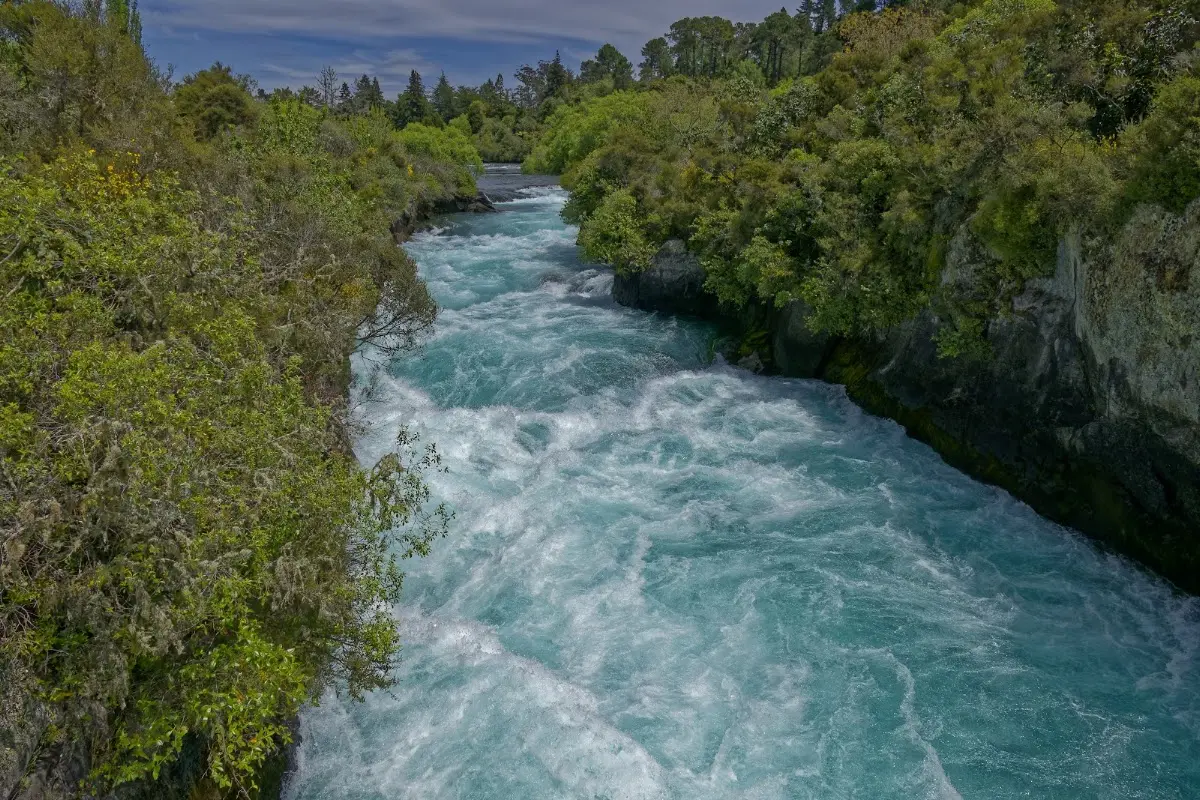
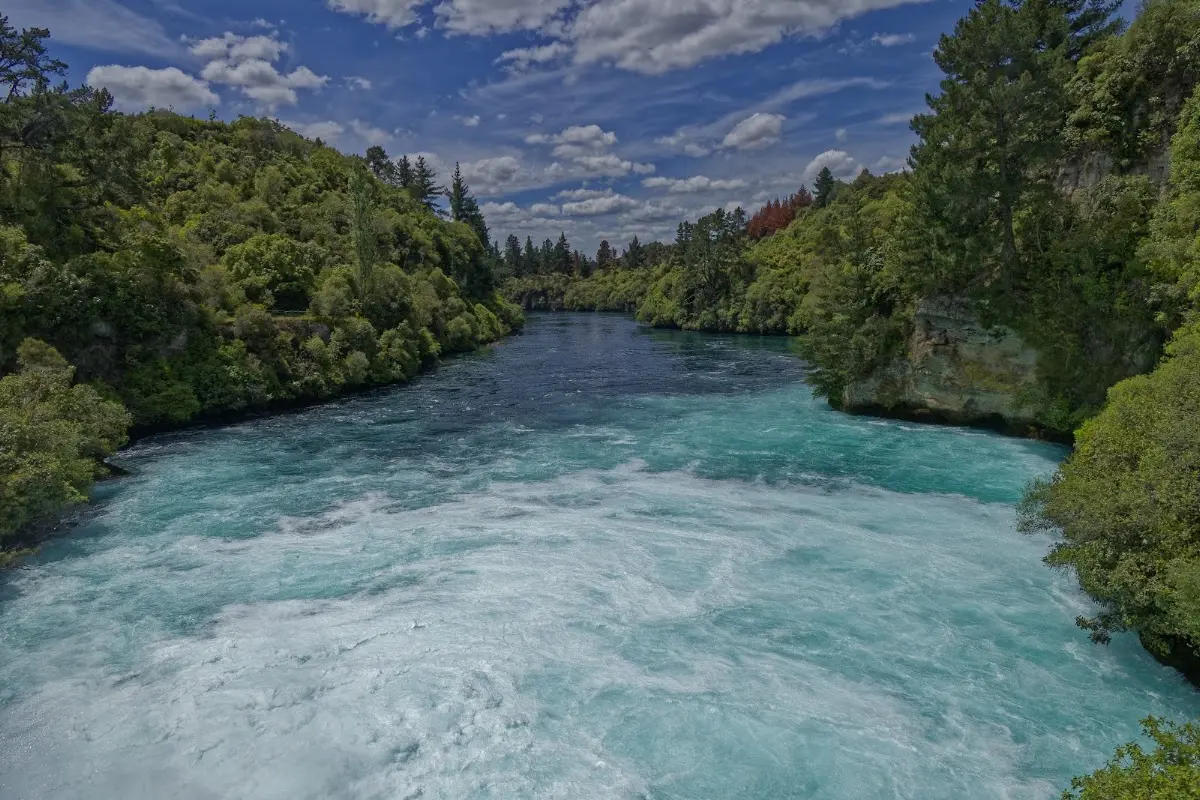
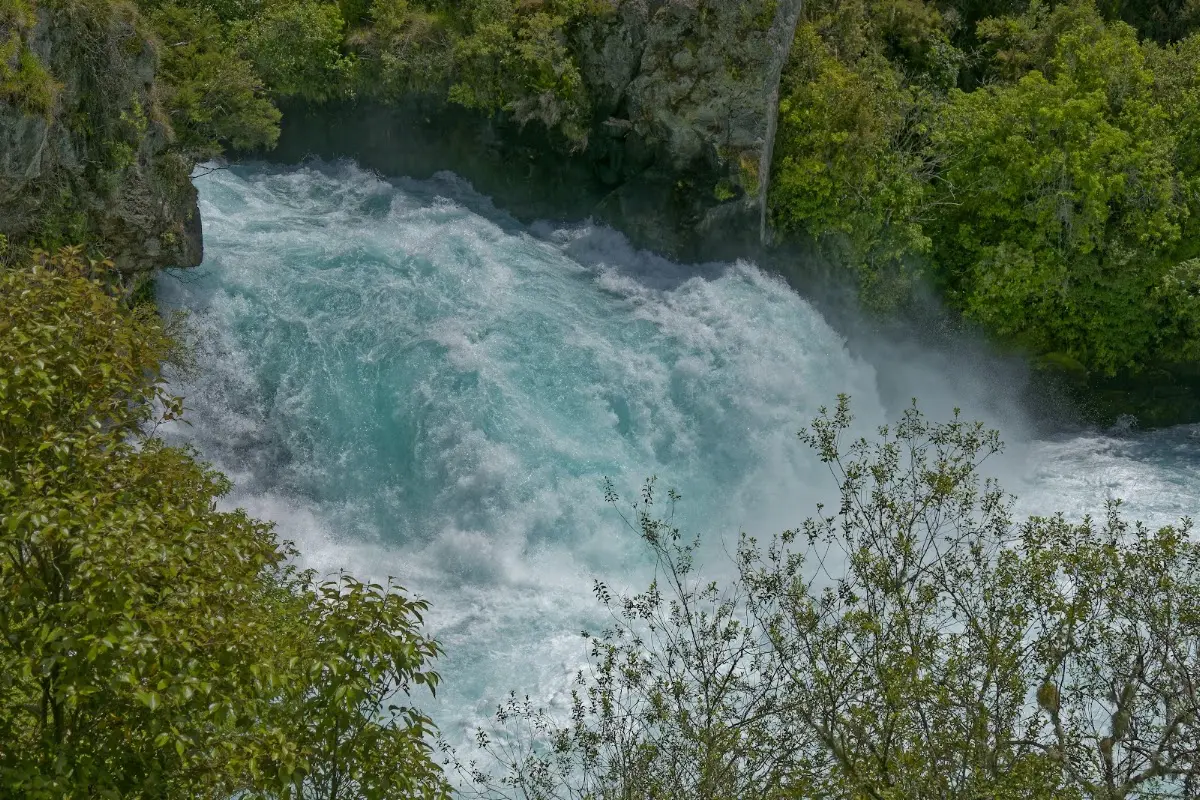
Huka Falls
Huka Falls is a series of waterfalls located on New Zealand's Waikato River, which serves as the outlet for Lake Taupō.
Just a few hundred meters upstream, the Waikato River narrows dramatically from around 100 meters wide to a mere 15 meters as it passes through a canyon. This canyon was carved into sediments from the lake bed, deposited before the Oruanui eruption of the Taupō Volcano 26,500 years ago.
The falls boast a significant water flow, often reaching up to 220 cubic meters per second, ranking them among the highest flowing waterfalls globally. Mercury NZ Ltd manages the flow rate via the Taupō Control Gates, with the Waikato Regional Council overseeing adjustments during downstream flooding. The flow can be controlled between 50 and 319 cubic meters per second.
The falls begin with a series of small cascades dropping about eight meters, followed by a final six-meter drop, which appears as an 11-meter fall due to the water's depth.
A picture-perfect morning in Taupō, though rain arrived soon after. By 7 a.m. it had started, but by then my tent was already dry and packed away, and at 6:30 I had already had coffee on the way to Tūrangi, supposedly one of the best trout-fishing places in New Zealand. The Desert Road was very wet that day and gave only limited views of the Tongariro volcanoes. It was a long ride, and in the evening there was heavy rain at the campsite in Mangaweka. The kitchen was dry, which became my main concern for the evening. During the night I heard very loud and rather disturbing noises, and eventually realised they were huge rocks falling from the cliffs into the river. Two days later I met the man who runs that nice campsite again on the Interislander ferry to Picton. New Zealand is a rather small world.
A smaller and rather hilly road brought me to Palmerston North, with its famous rugby museum. That afternoon I decided to do something slightly unusual for this trip: go to the cinema. Spectre. As Moneypenny said: “It’s called life, James. You should try it sometime.”
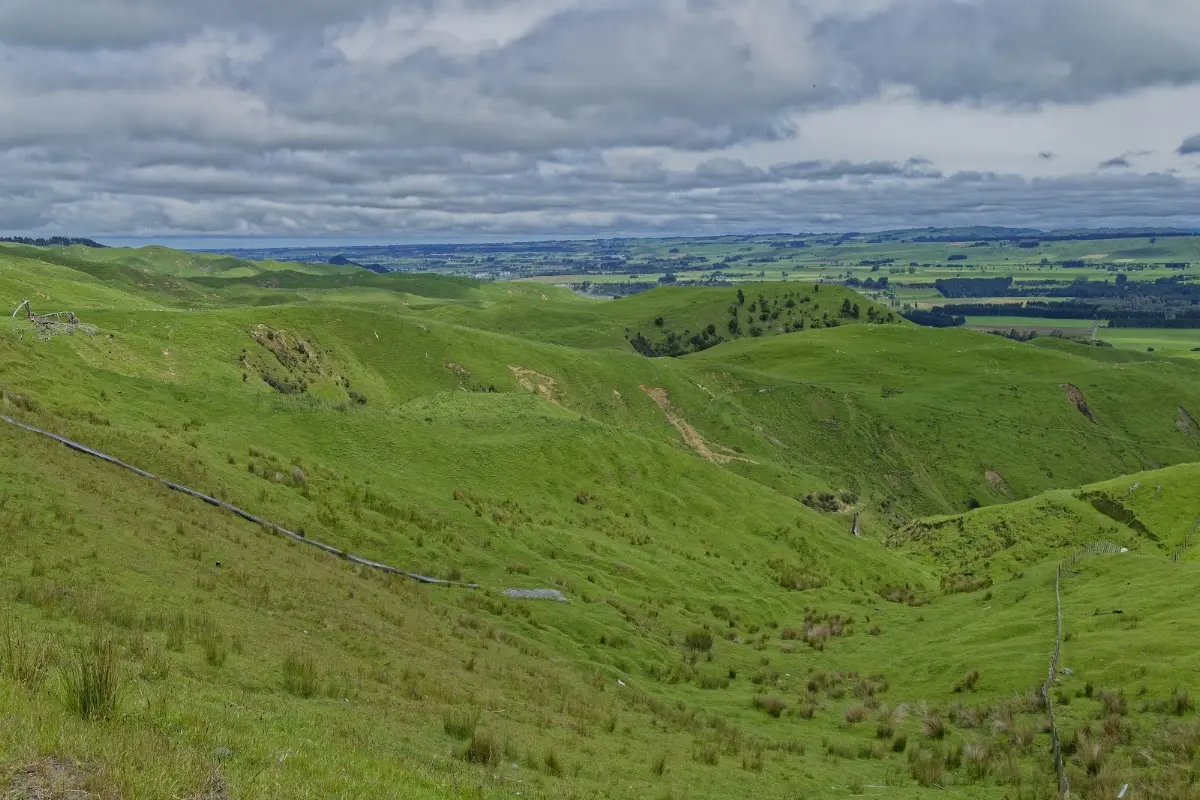
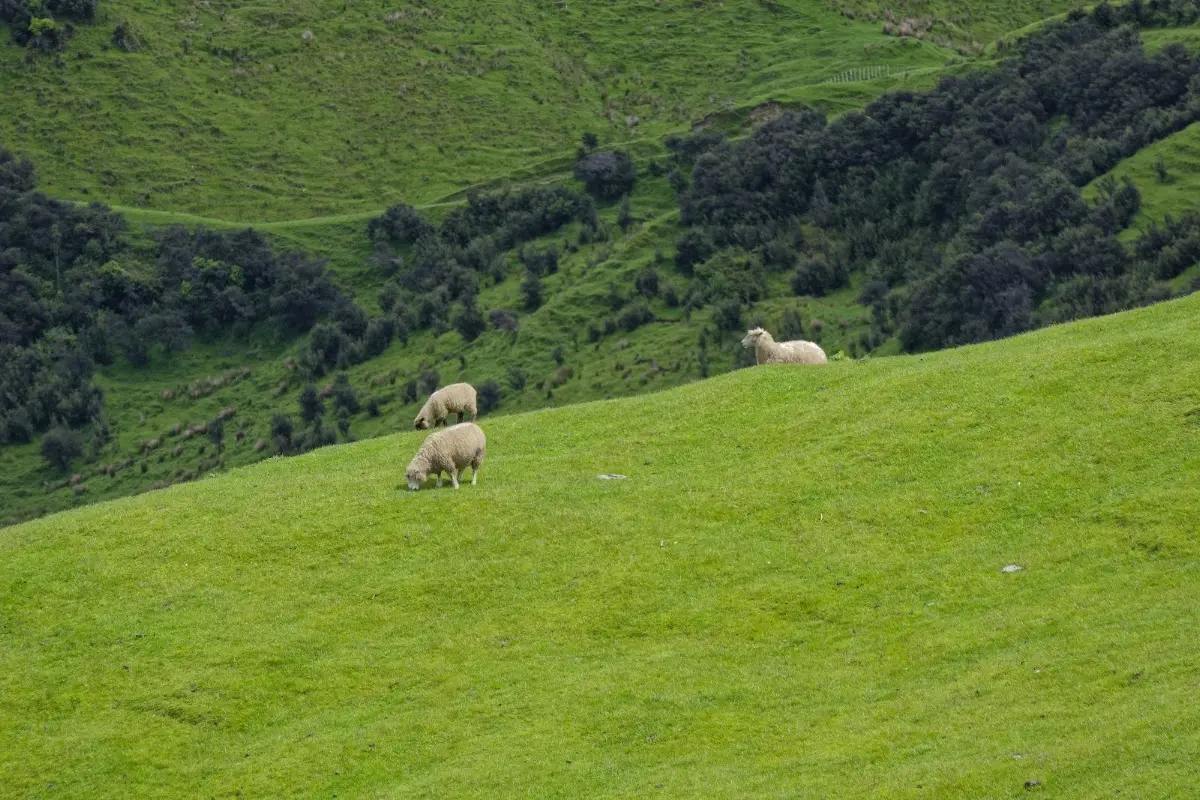
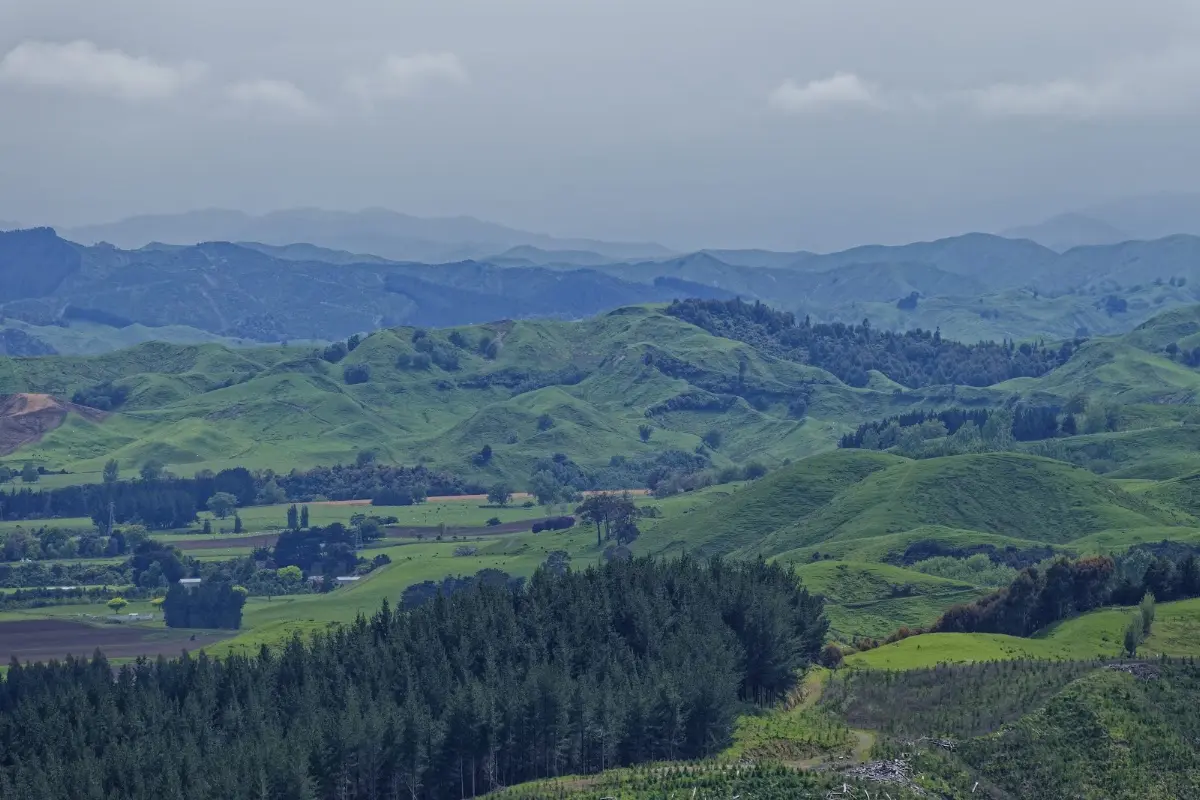
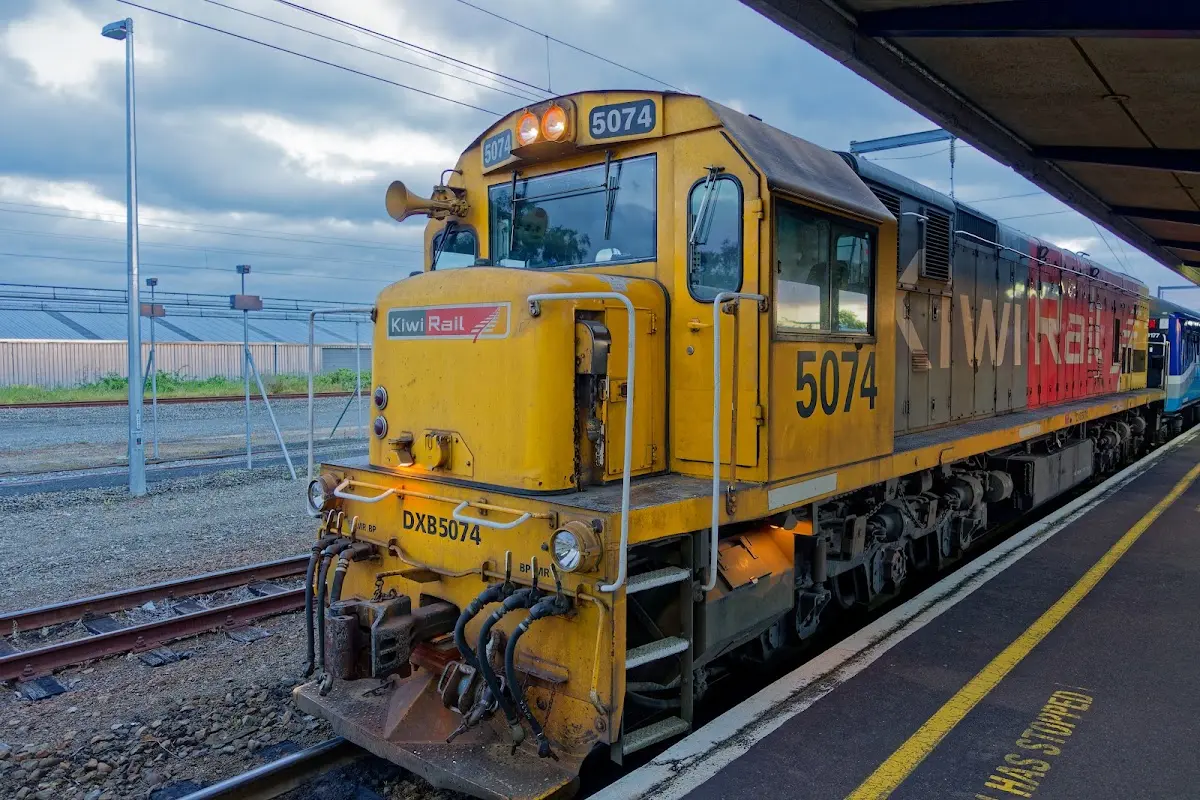
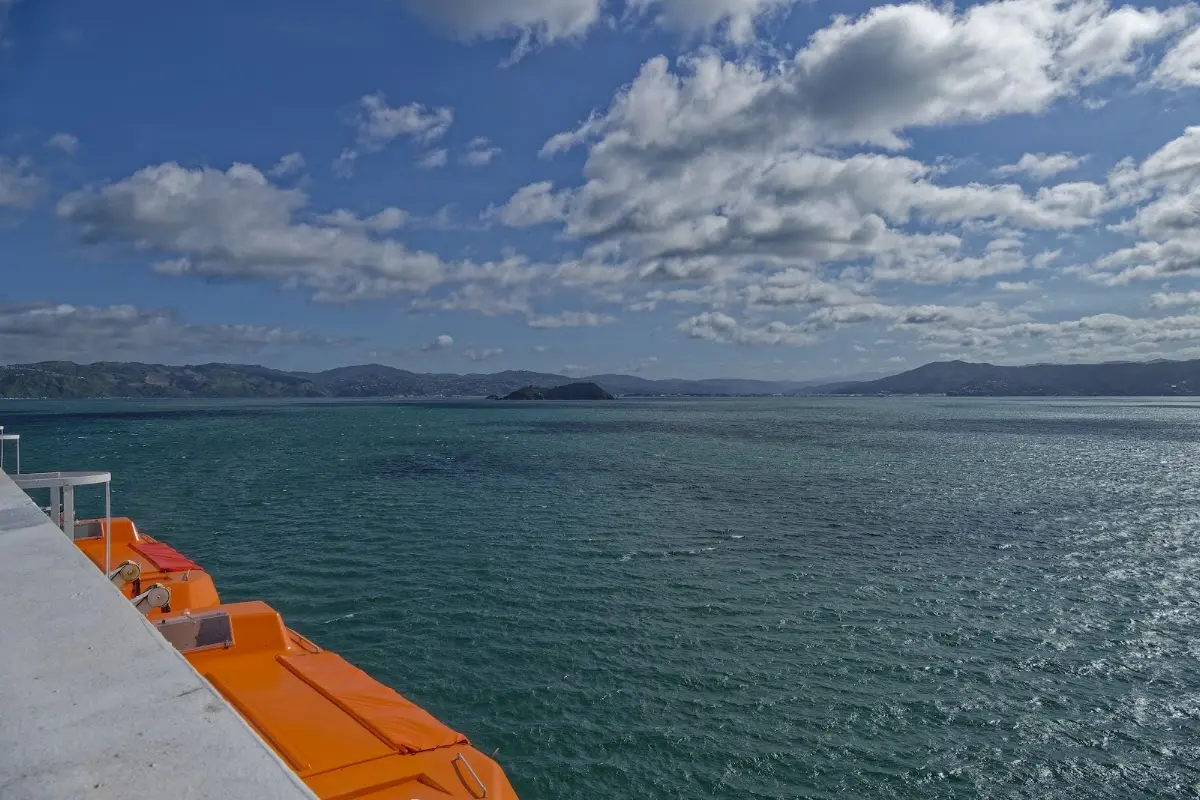
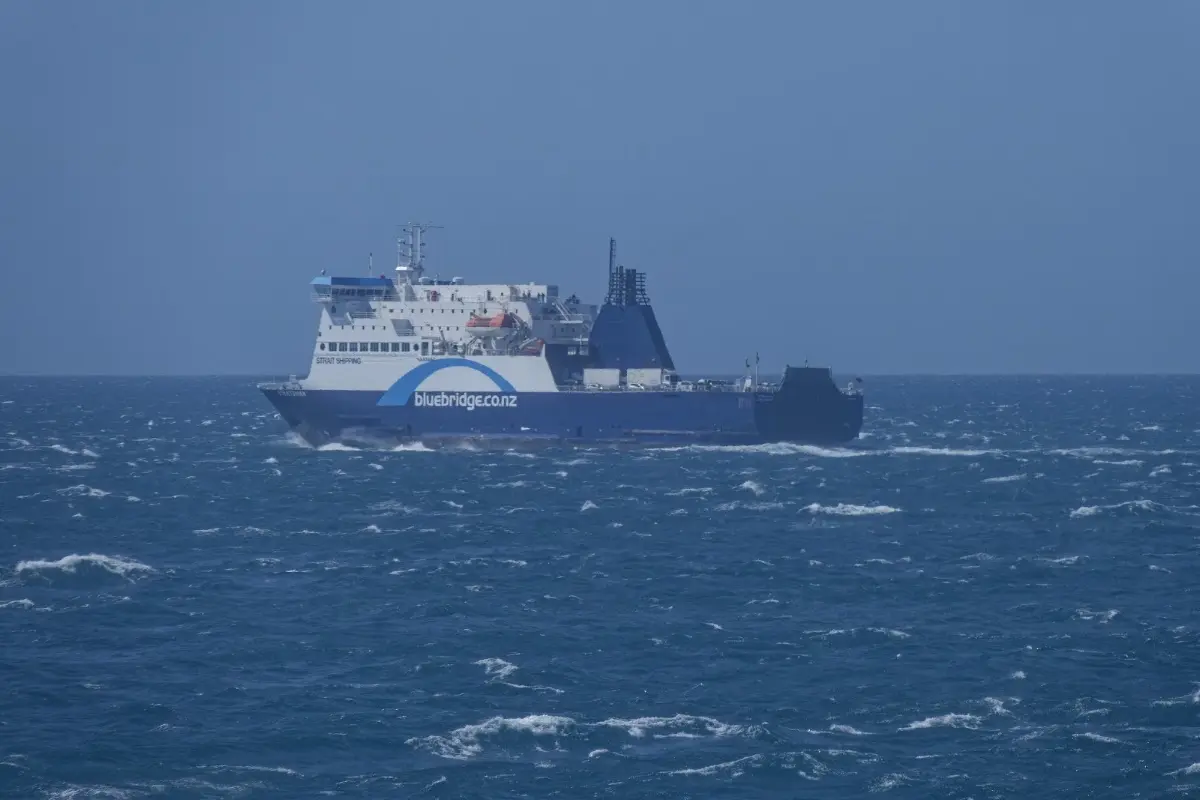
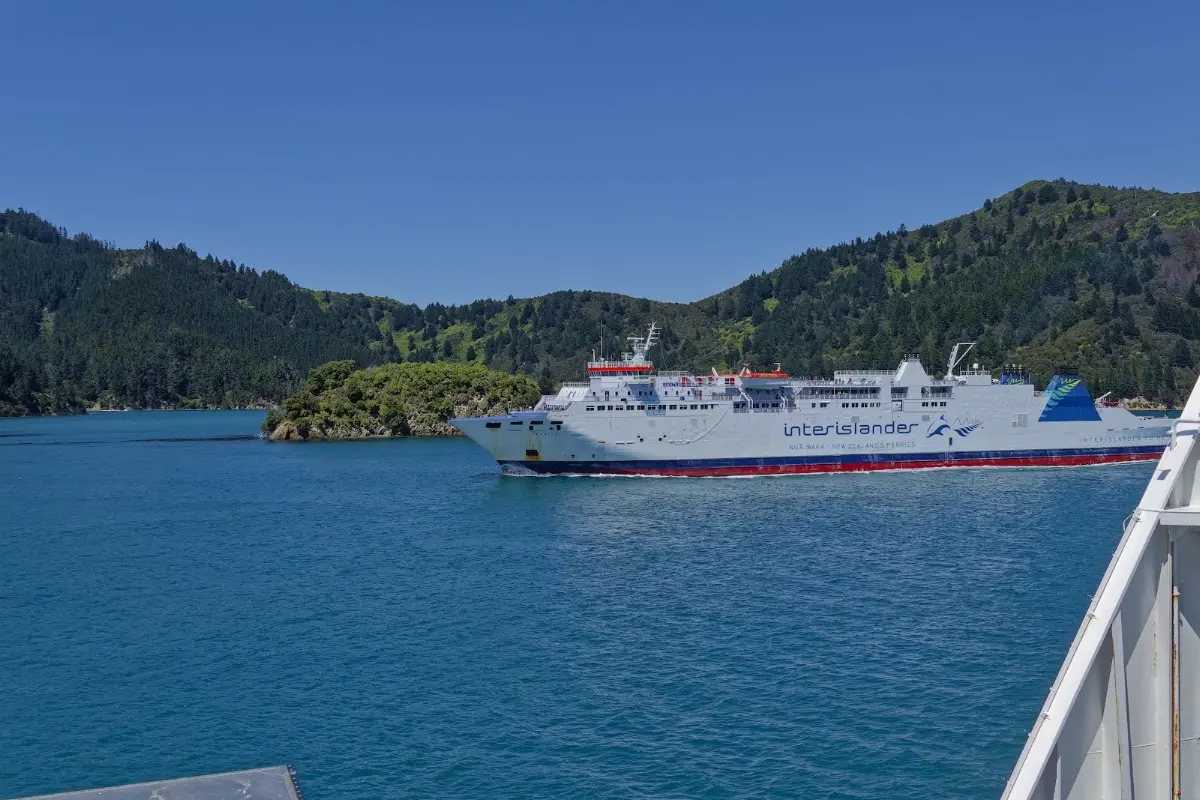
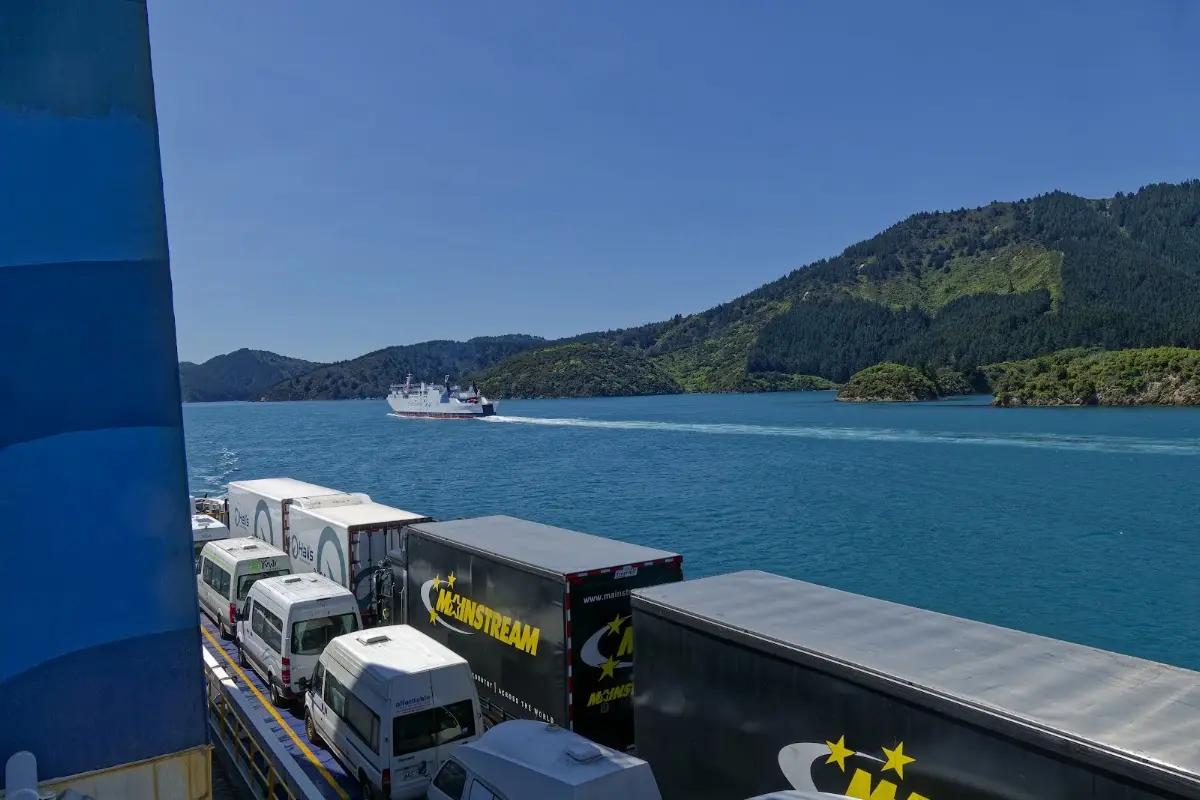
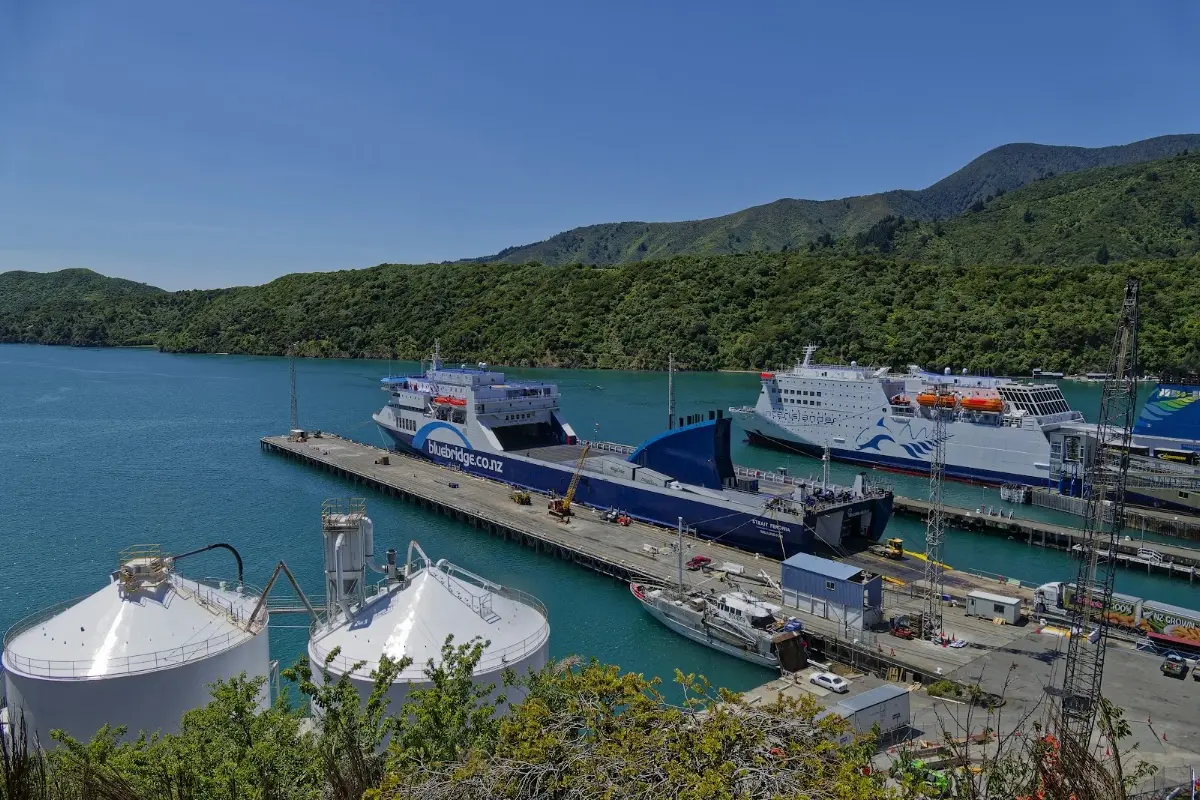
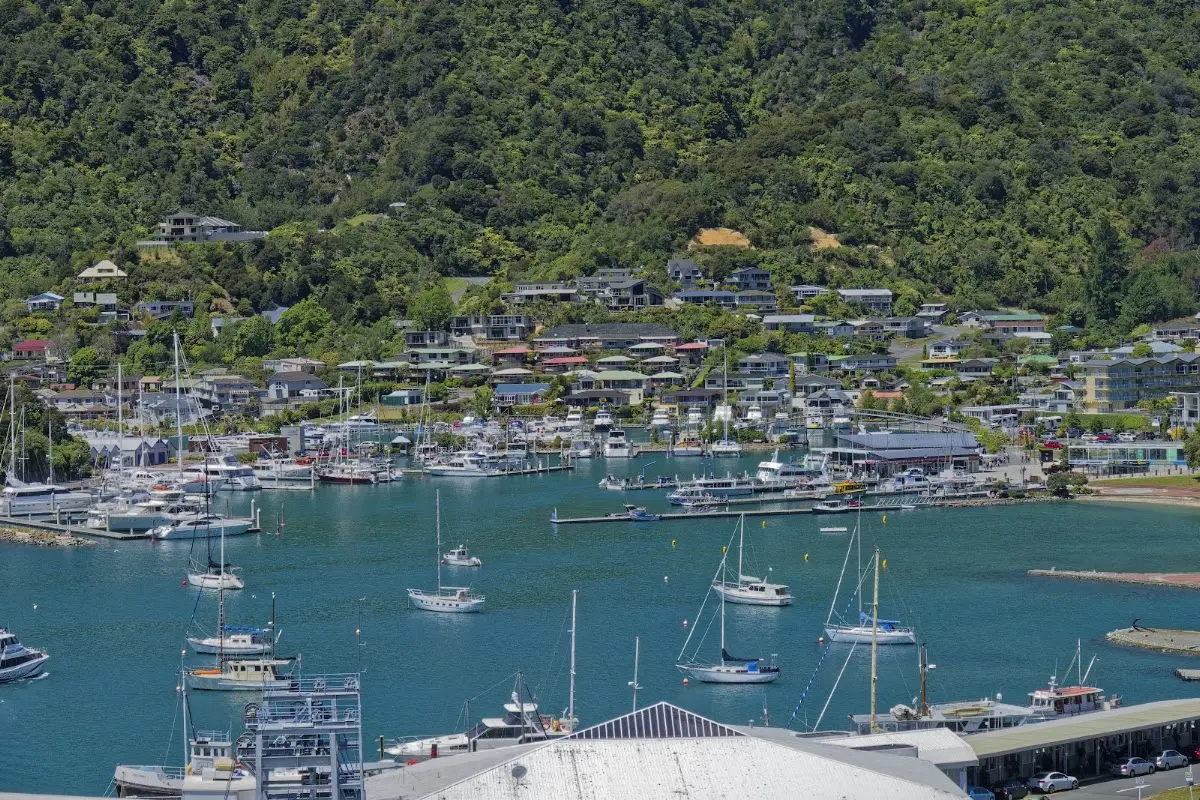
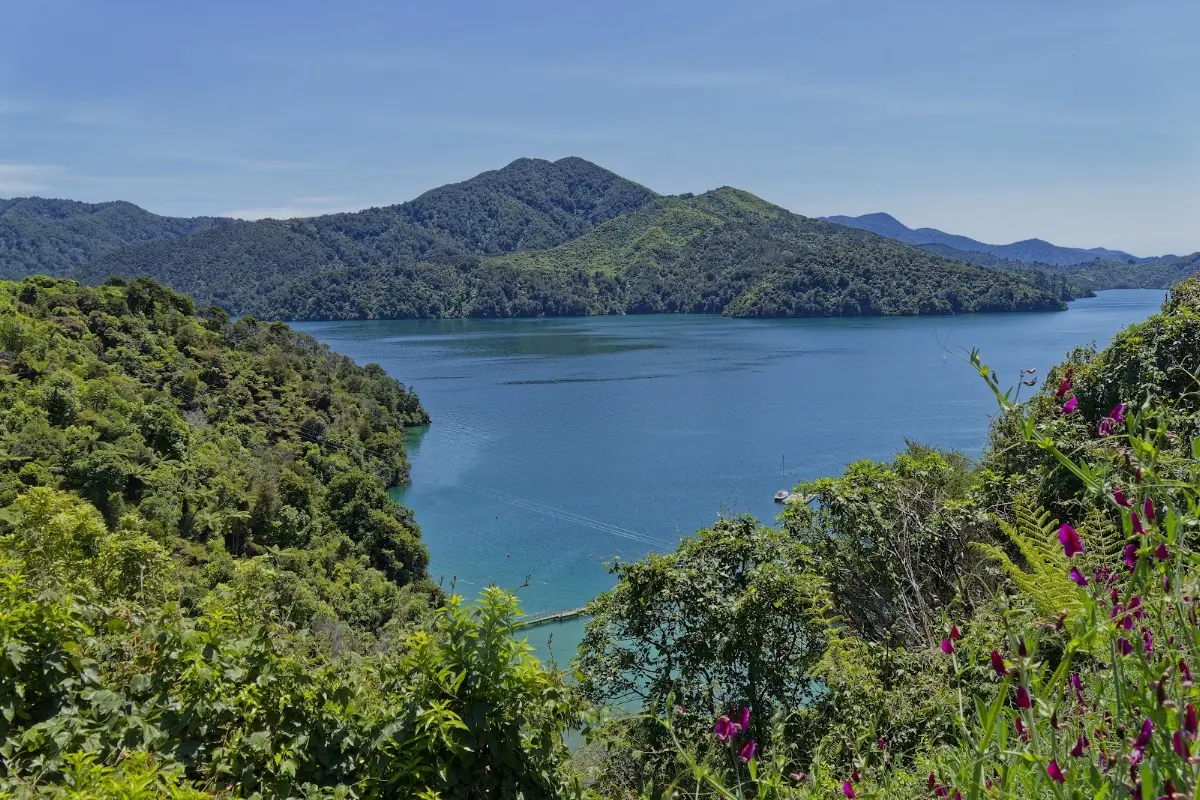
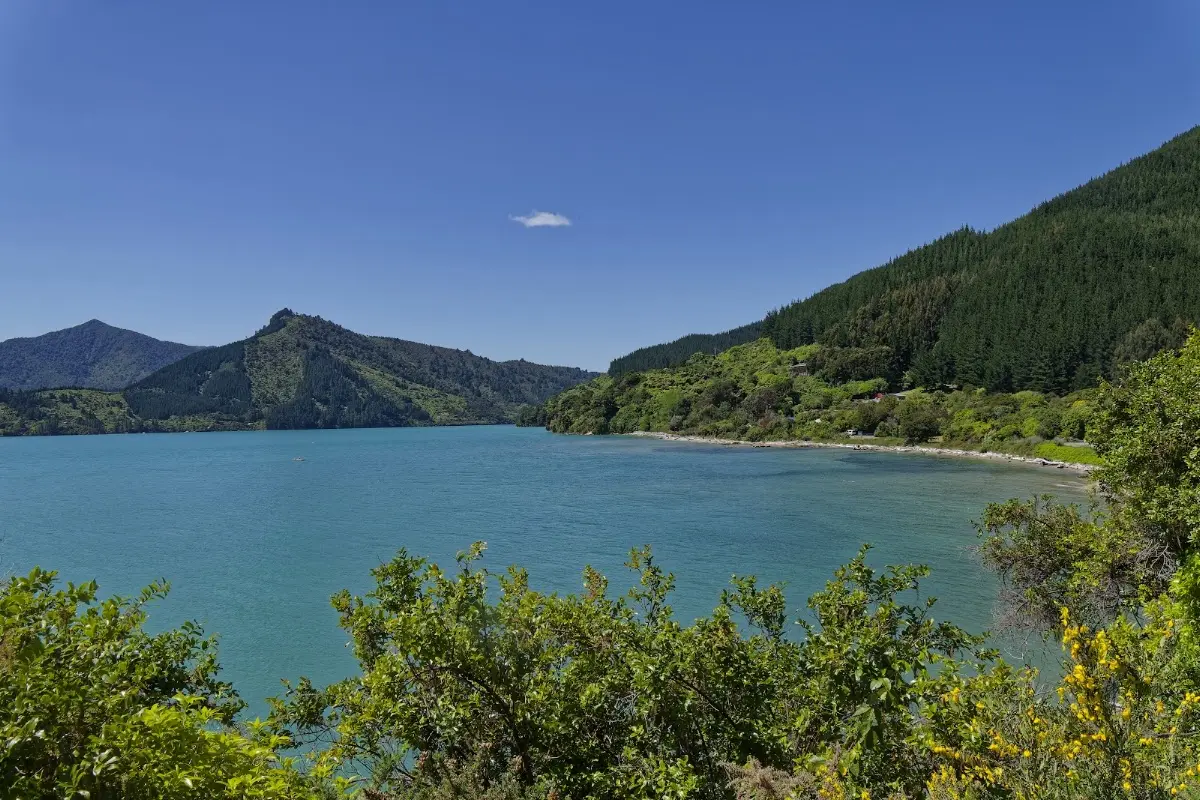
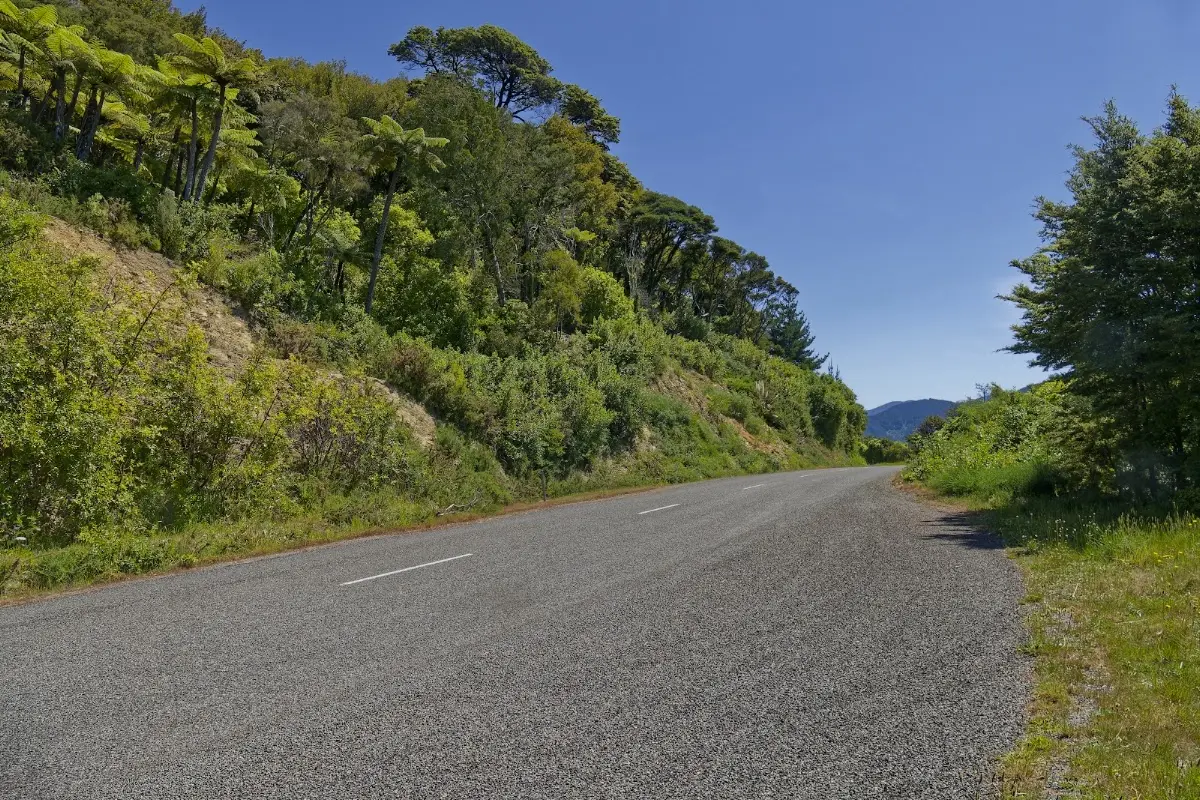
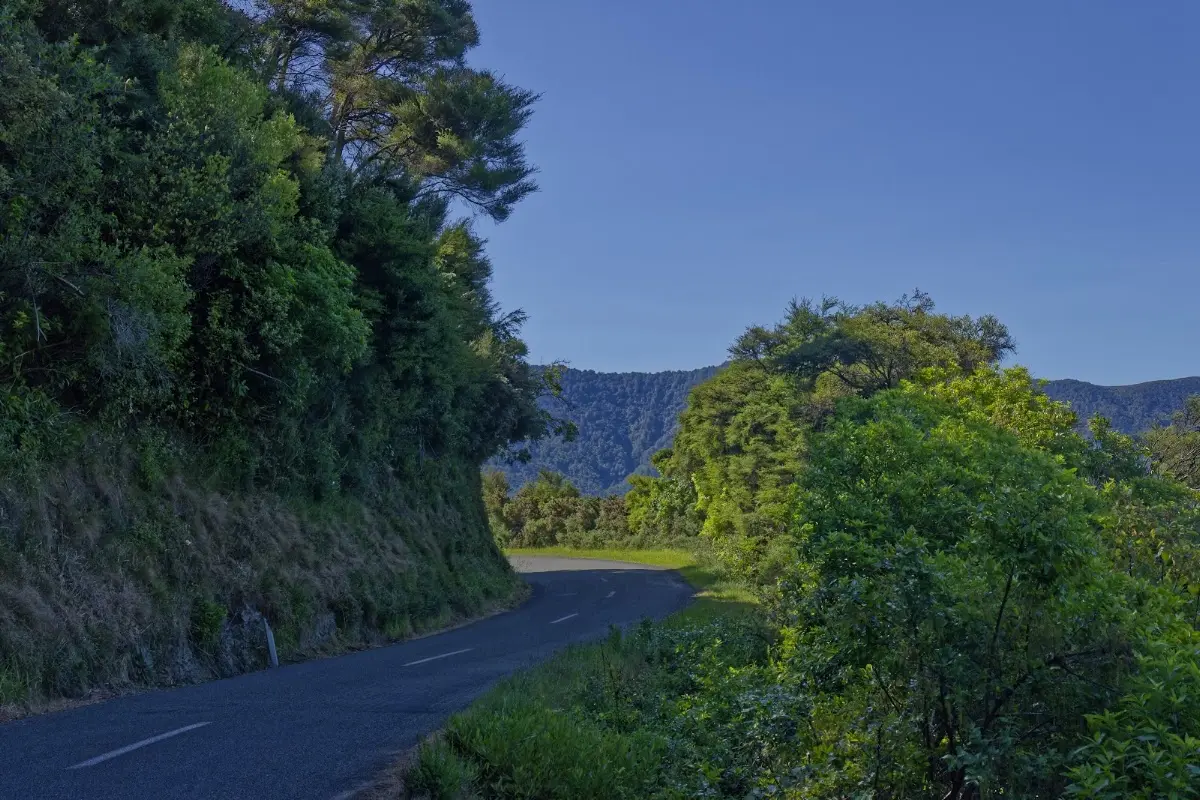
The next morning it was half an hour by bike to the station. As far as I know, this was the only train in New Zealand that carried bicycles without prior booking. Departure 6:15 a.m., arrival in Wellington at 8:35 — a little late, but still in time for the 9 o’clock Interislander ferry to Picton. From there I followed Queen Charlotte Drive to Linkwater and then a smaller road running roughly parallel to the Queen Charlotte Track into the Marlborough Sounds — or more precisely, Kenepuru Sound. That road was not straight for 50 metres in either direction: not horizontally because of the curves, and not vertically because of the hills.
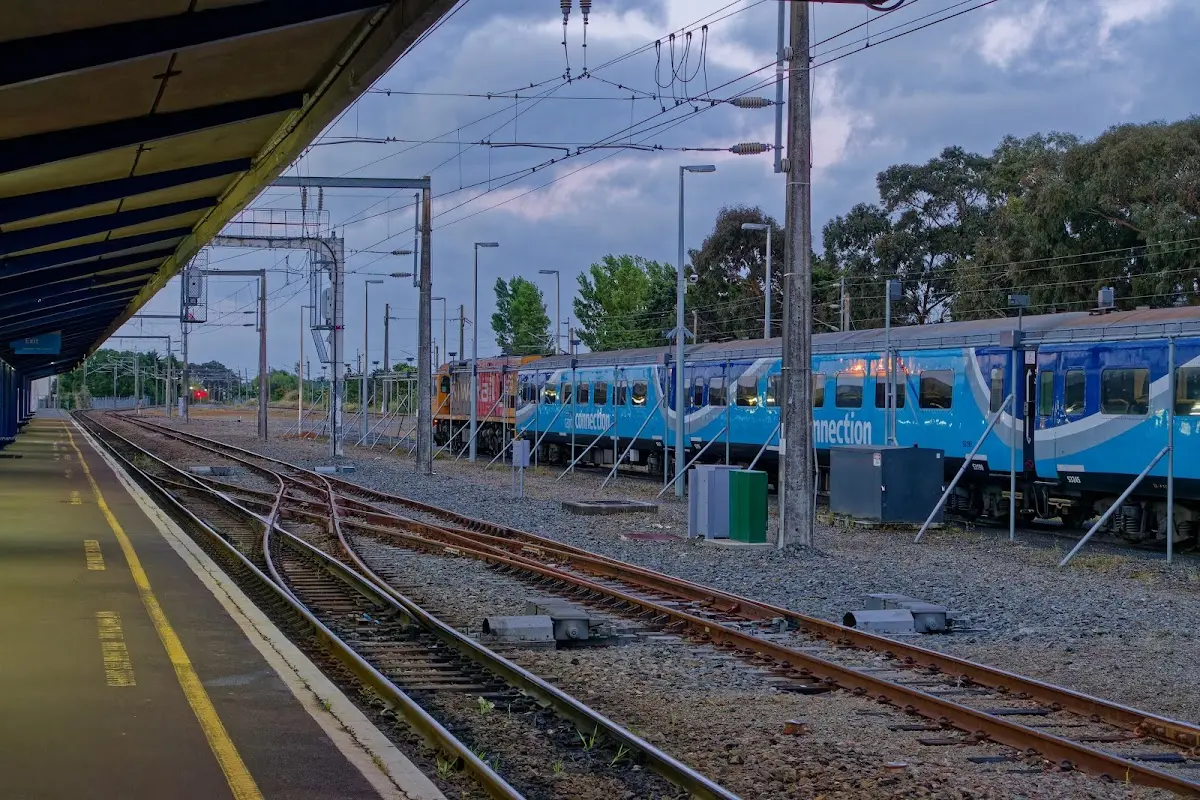
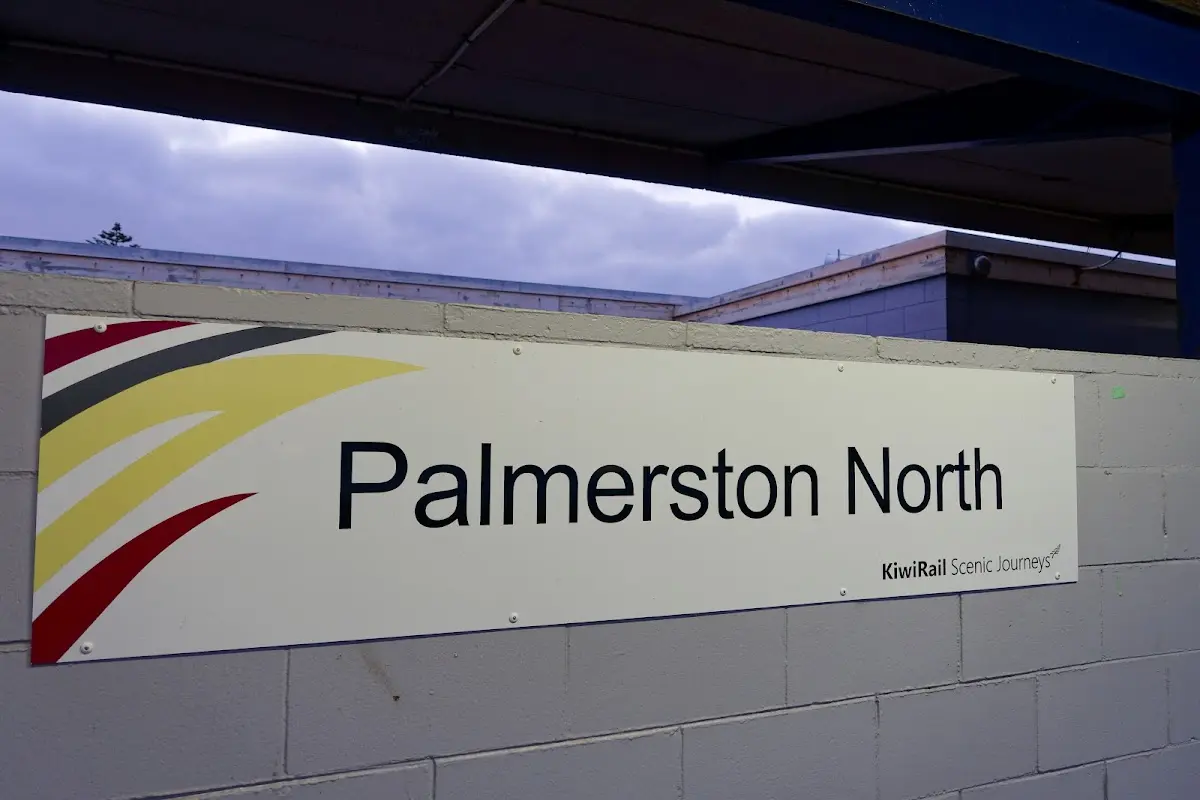
Palmerston North
Palmerston North, often just called Palmy, is the main city of the Manawatū plains. It began as a colonial settlement in a forest clearing and later grew into a regional centre for farming, transport, education, and administration. For travellers, it is one of those practical North Island cities that may not be spectacular in itself but often appears naturally in longer journeys south.
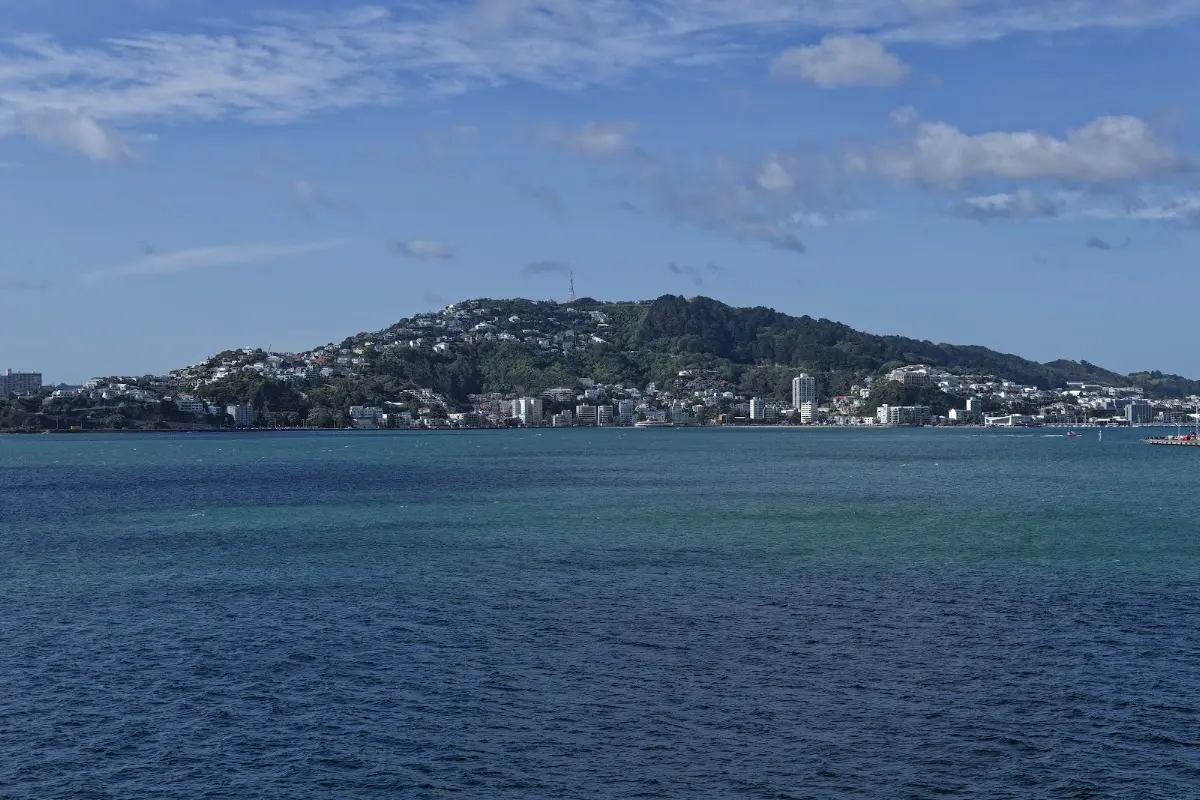
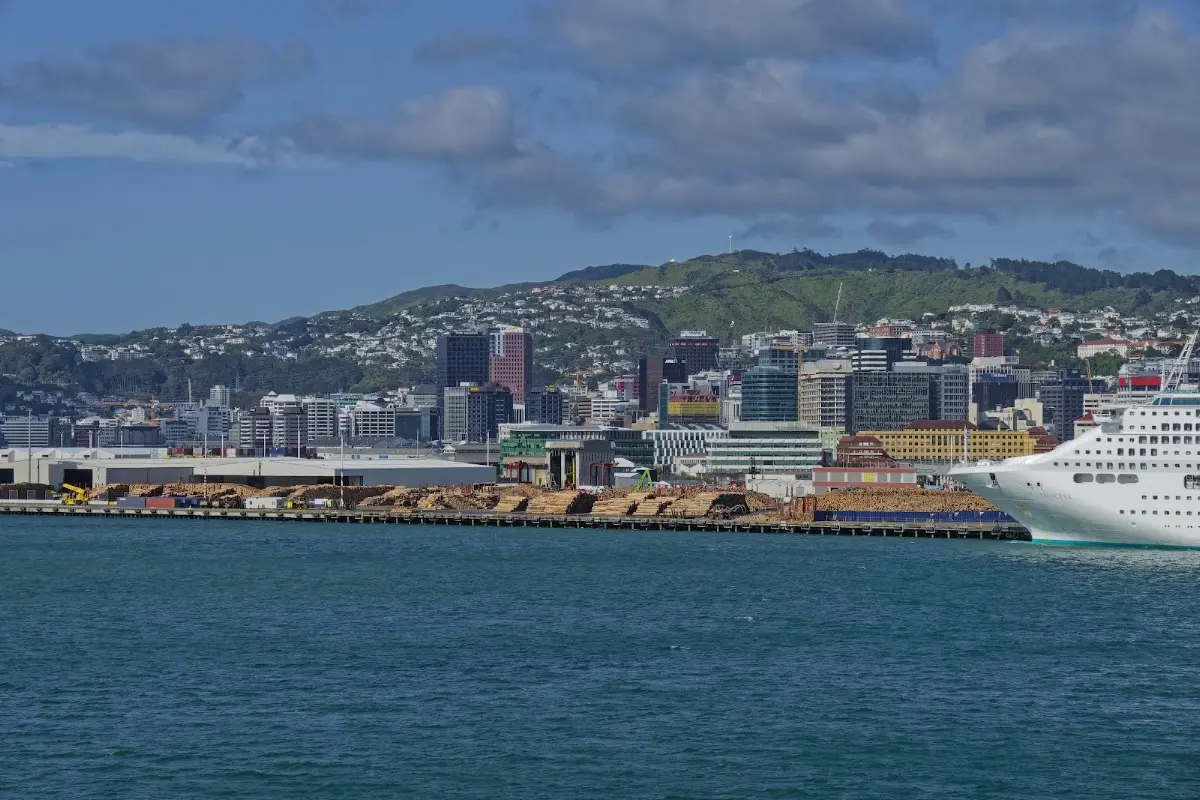
Wellington
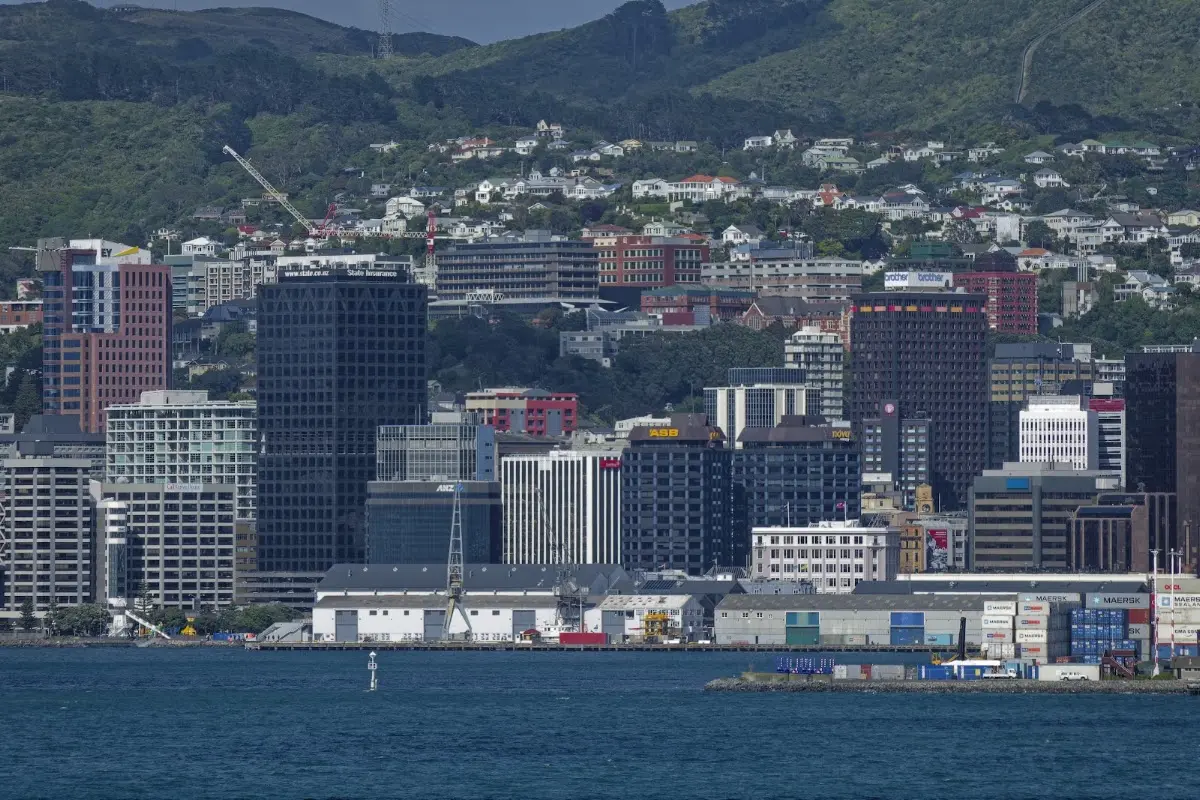
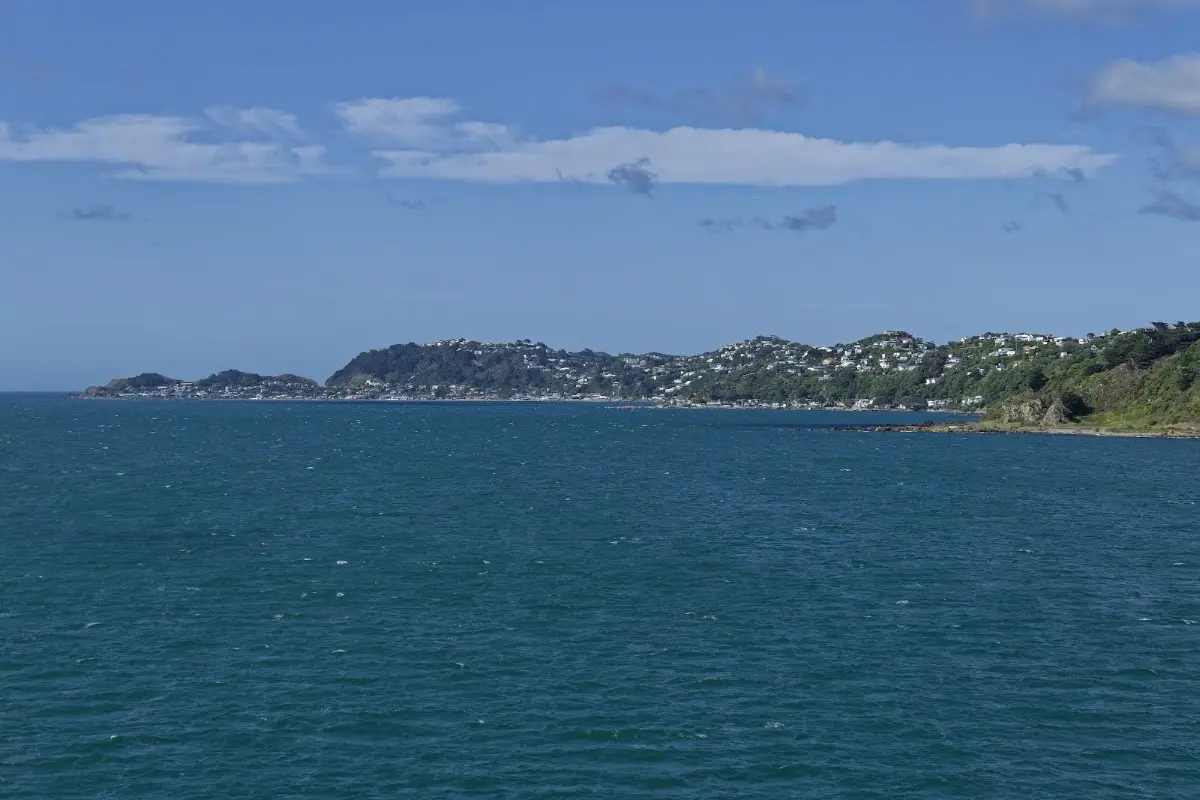
Wellington, New Zealand’s capital, sits at the southern tip of the North Island around a magnificent natural harbour. Compared with Auckland, it feels smaller, steeper, windier, and more compact, with ferries, government, and culture all packed tightly together. For many travellers it is less a destination than a point of transition — the place where the North Island ends and the South Island begins.
Marlborough Sounds
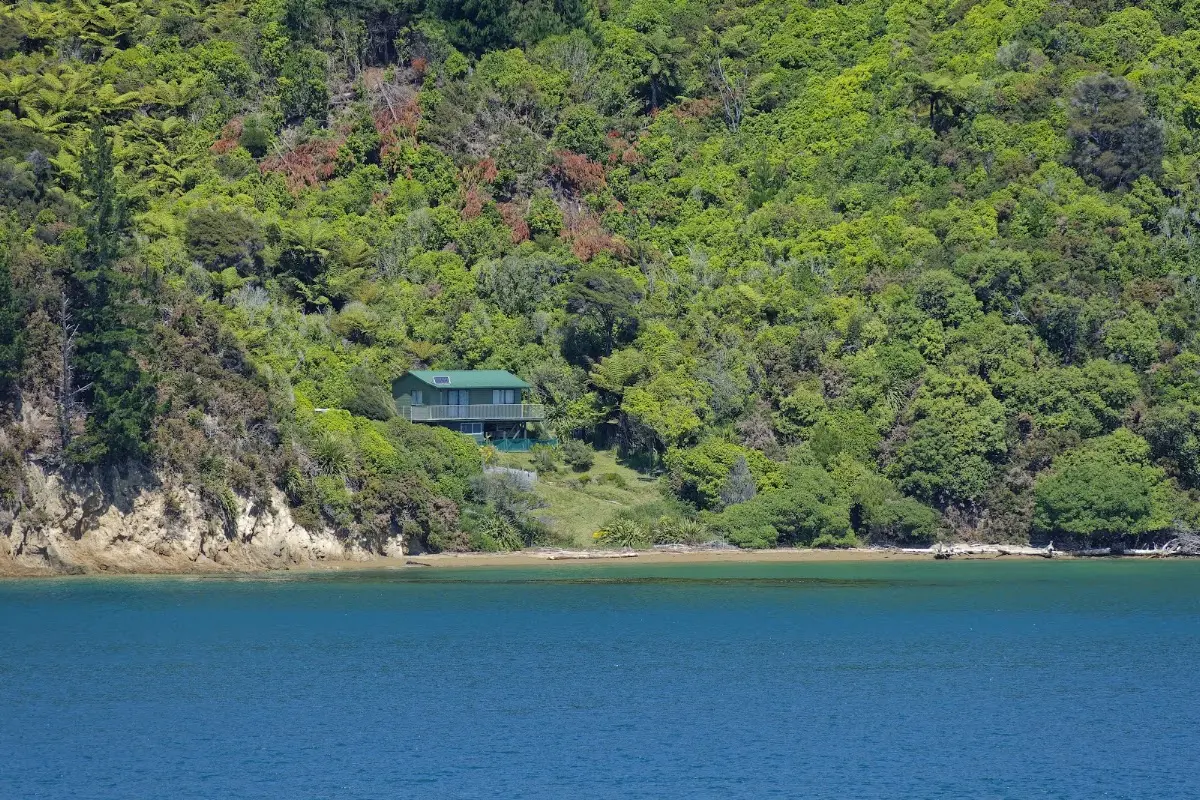
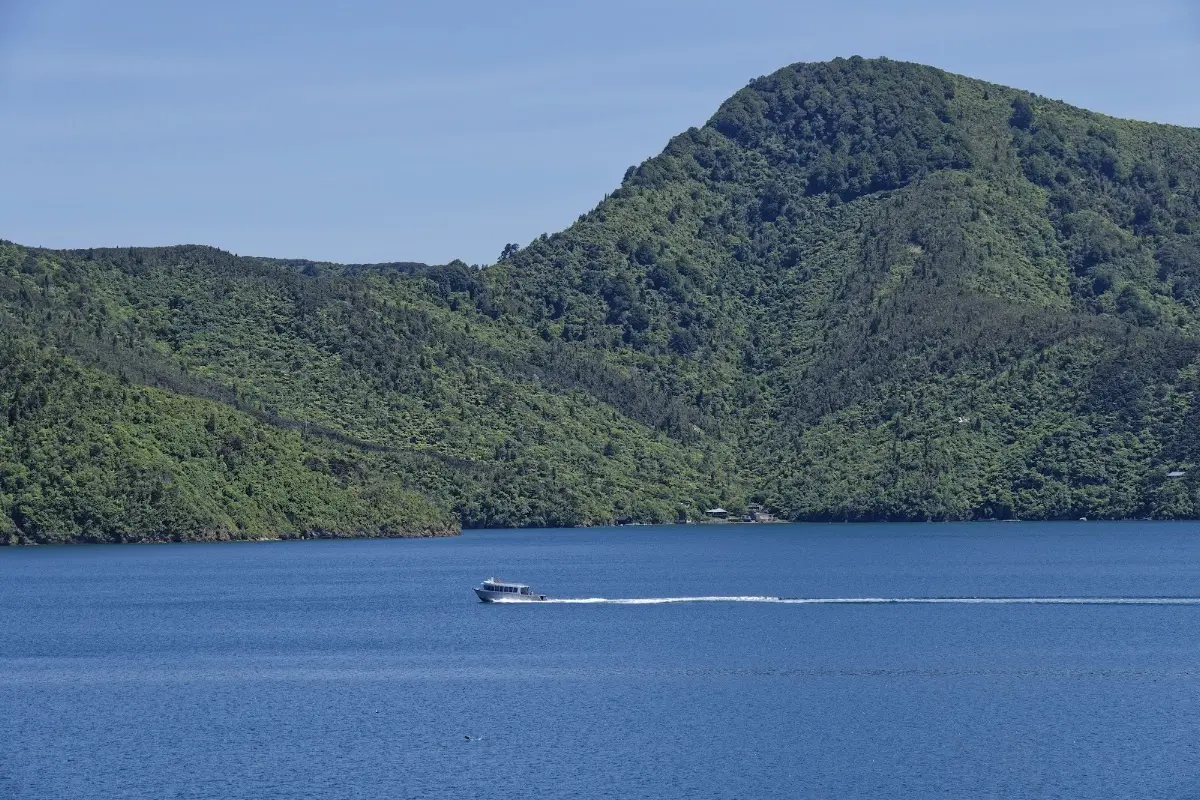
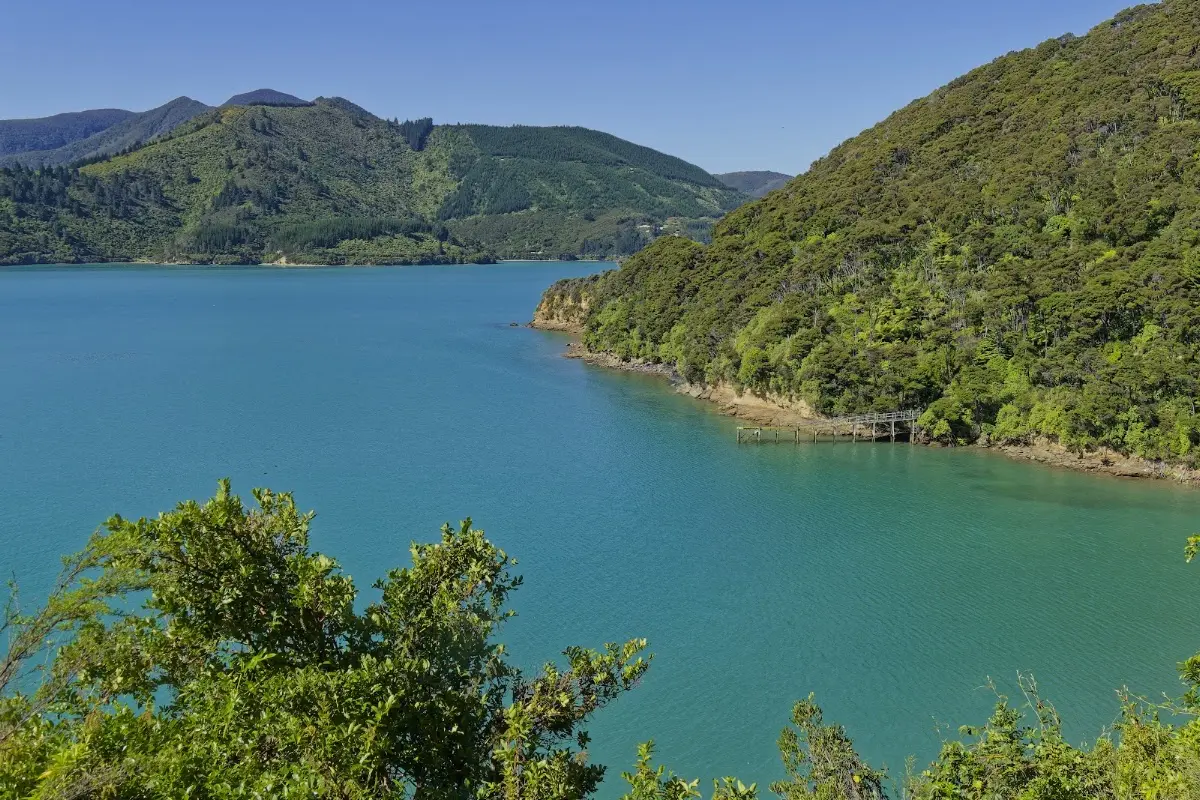
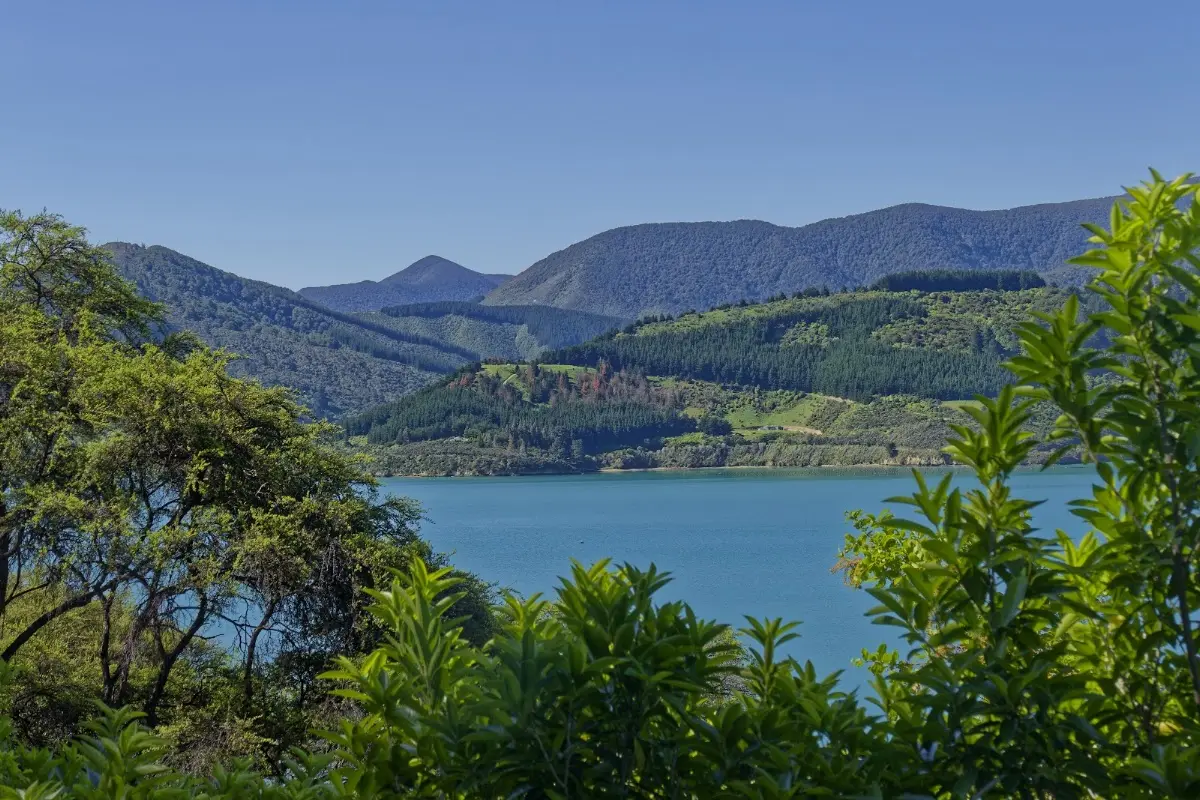
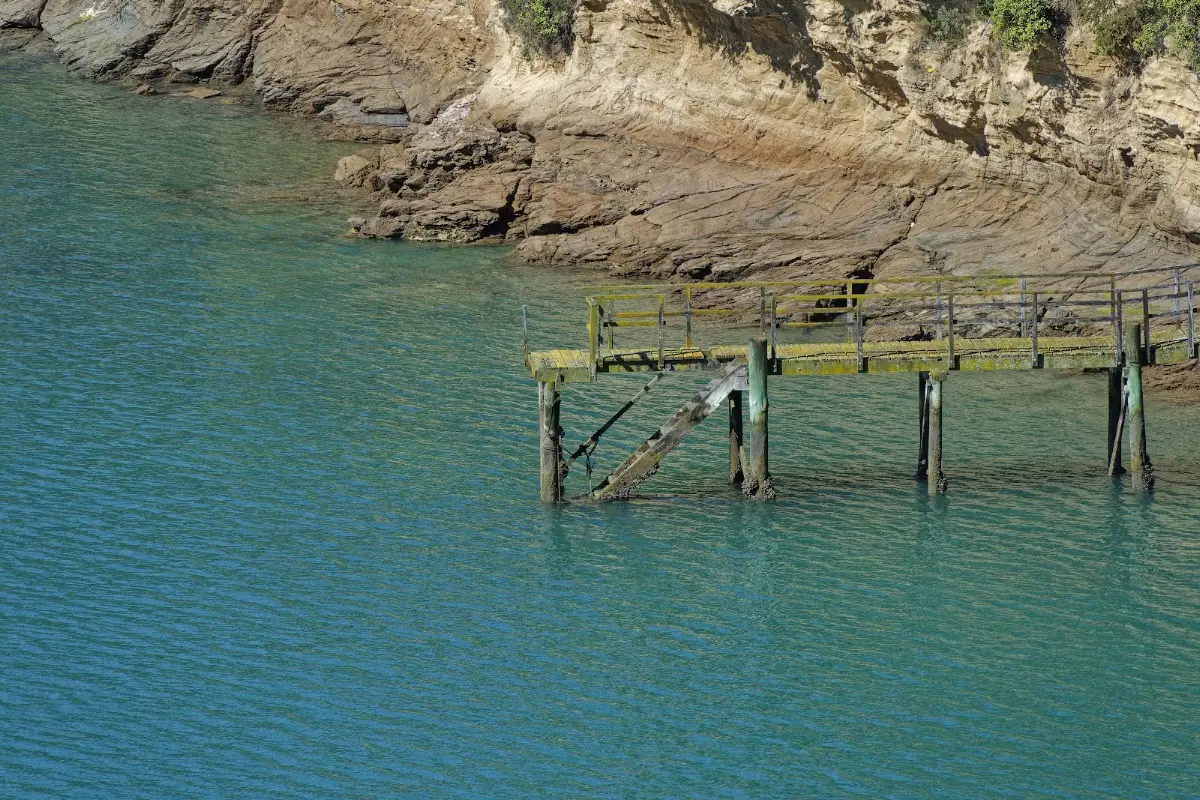
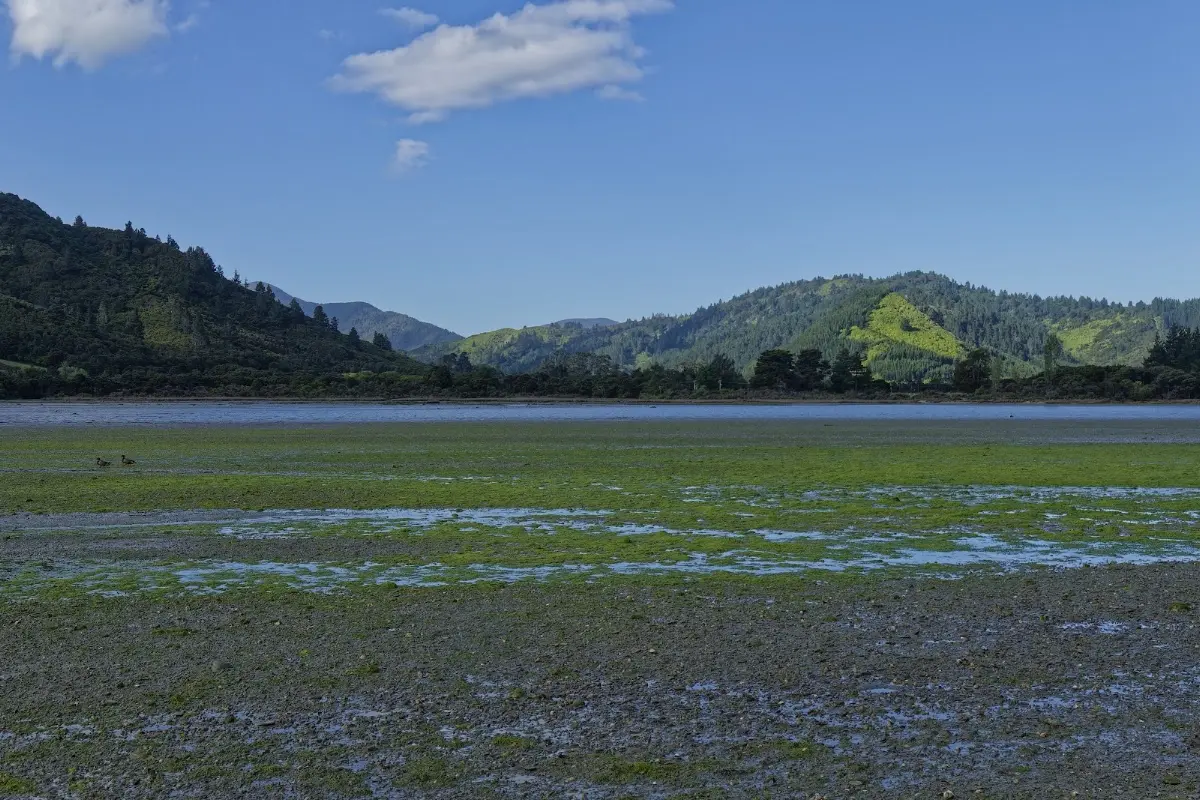
The Marlborough Sounds are a vast network of drowned river valleys and sea inlets at the top of the South Island. Deeply indented, steep, and heavily wooded, they create a landscape where roads, ferries, tracks, and tiny settlements are forced to follow the shape of the water. Travelling there rarely means going straight for long; everything curves, climbs, descends, and doubles back.
Weka
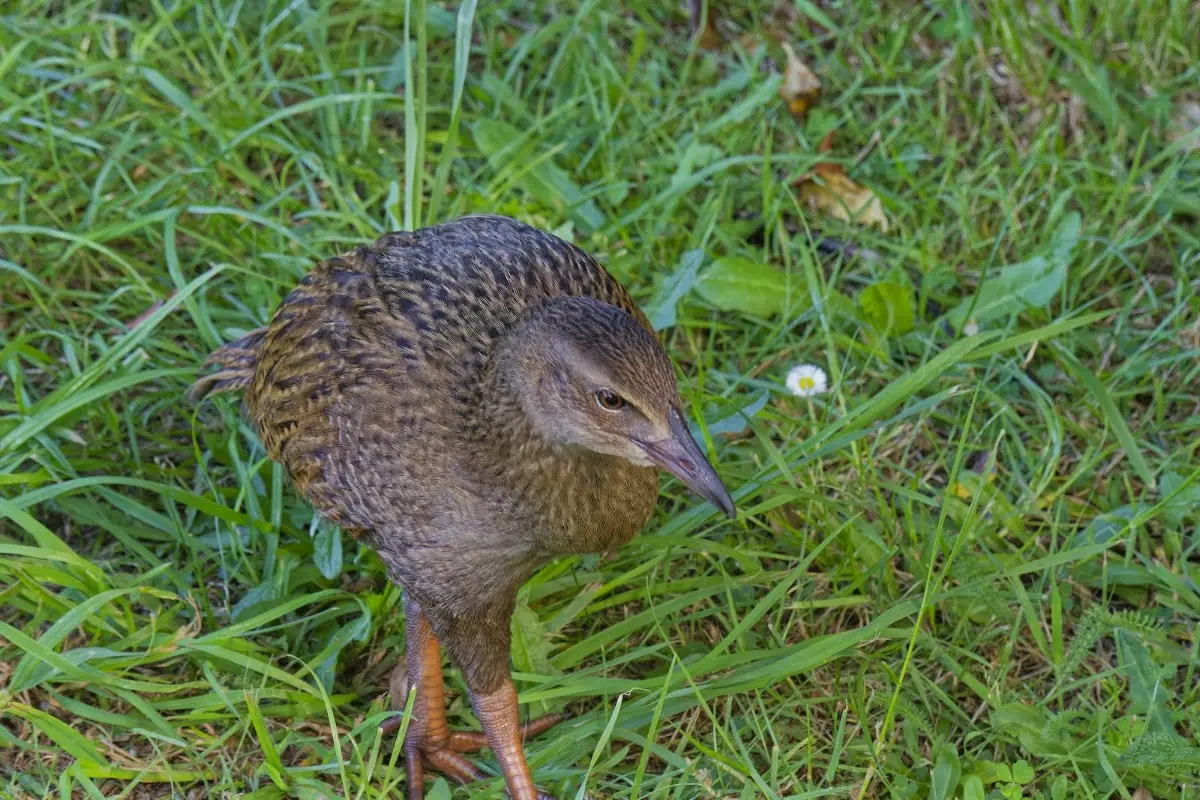
The weka is a large, flightless rail endemic to New Zealand, often described as about the size of a chicken but much more curious and assertive. It has rich brown plumage mottled with darker tones, sturdy legs, a strong reddish bill, and a constantly flicking tail that gives it a restless, alert appearance. Although often called the “Māori hen” or woodhen, it is in fact a rail, related to other wetland and ground-living birds. Several regional forms have been described, though modern genetics supports fewer clear divisions than older classifications suggested.
Weka are highly adaptable birds and occupy a wide range of habitats, from forest and subalpine grassland to dunes, rocky coasts, and even modified semi-urban areas. They are omnivorous, feeding on invertebrates, fruit, seeds, leaves, carrion, and occasionally small animals or birds. On Stewart Island, they have even been recorded preying on sooty shearwater eggs and chicks. Their bold curiosity often brings them close to campsites and houses, where they are notorious for investigating, carrying off, or stealing small loose objects—especially shiny ones.
Breeding can occur over a long season and, when food is abundant, weka may raise several broods in a year. Their nests are made on the ground in dense cover, and both sexes share incubation and care of the chicks. This flexibility helps explain why weka can be productive in favourable conditions, yet their populations have still disappeared from large parts of their former range. They remain common in some places but absent from many others, showing both their adaptability and their vulnerability.
Weka are classed as vulnerable, and their conservation is unusually complicated. Some populations are threatened by predators such as dogs, cats, stoats, ferrets, and rats, while eggs and chicks are also exposed to disease, habitat loss, poisoning, and roadkill. At the same time, weka themselves can create problems for conservation when introduced to islands where they prey on more fragile native wildlife. For Māori, however, weka have long had cultural significance, admired for their boldness and once used for food, feathers, perfume, and other practical purposes. Few native birds combine such charisma, nuisance value, and cultural importance in quite the same way.