Biking and Hiking New Zealand - 02 Whangārei, Waitangi, Gum-diggers
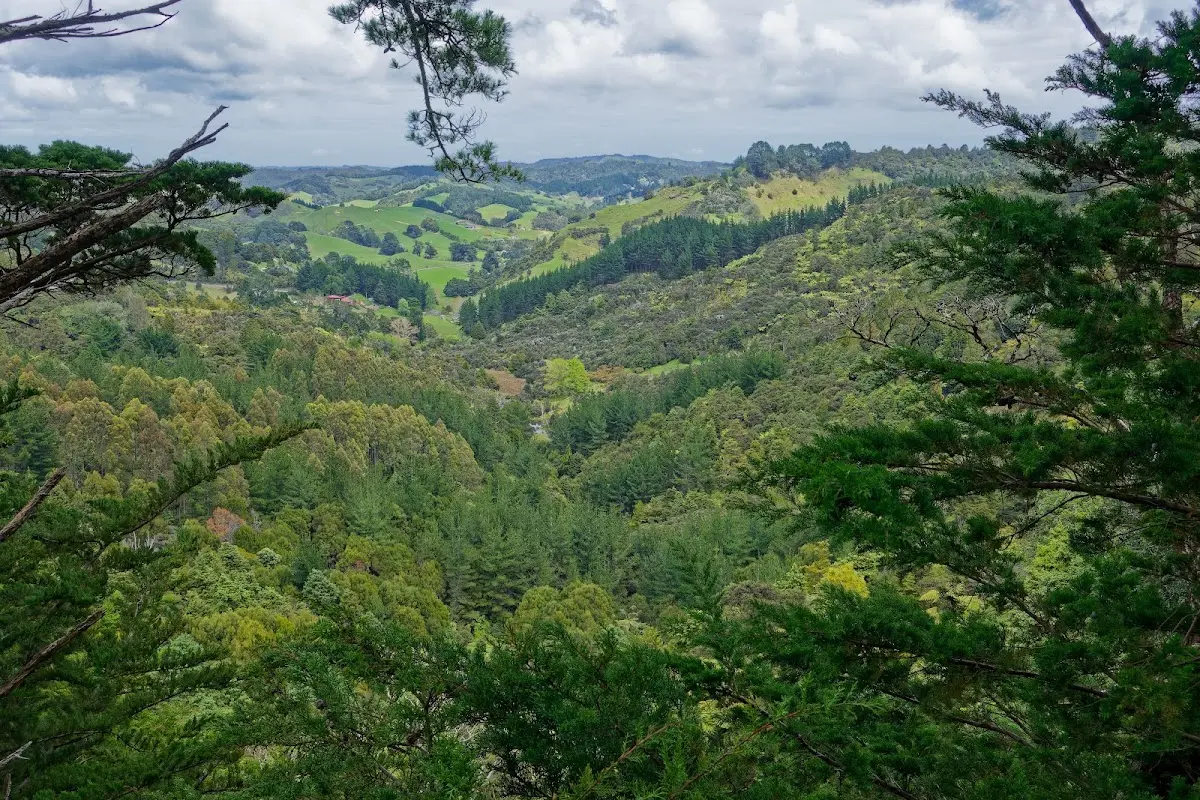
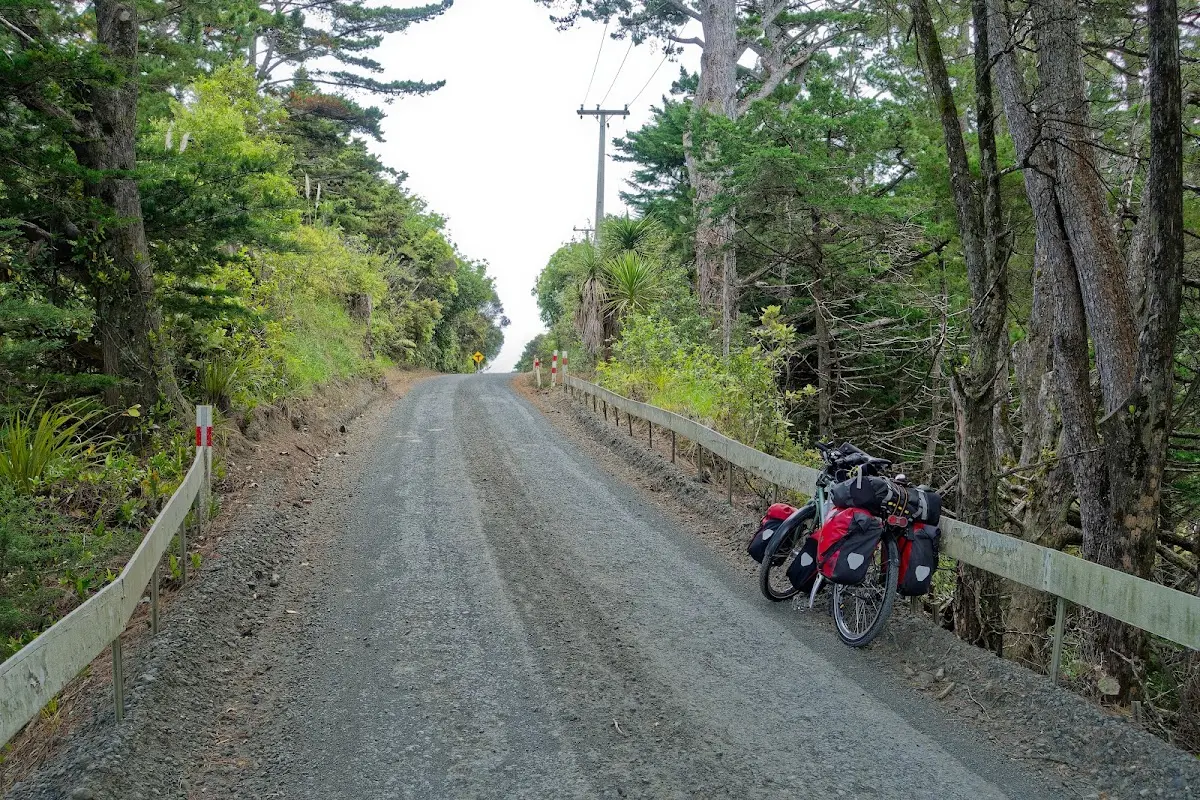
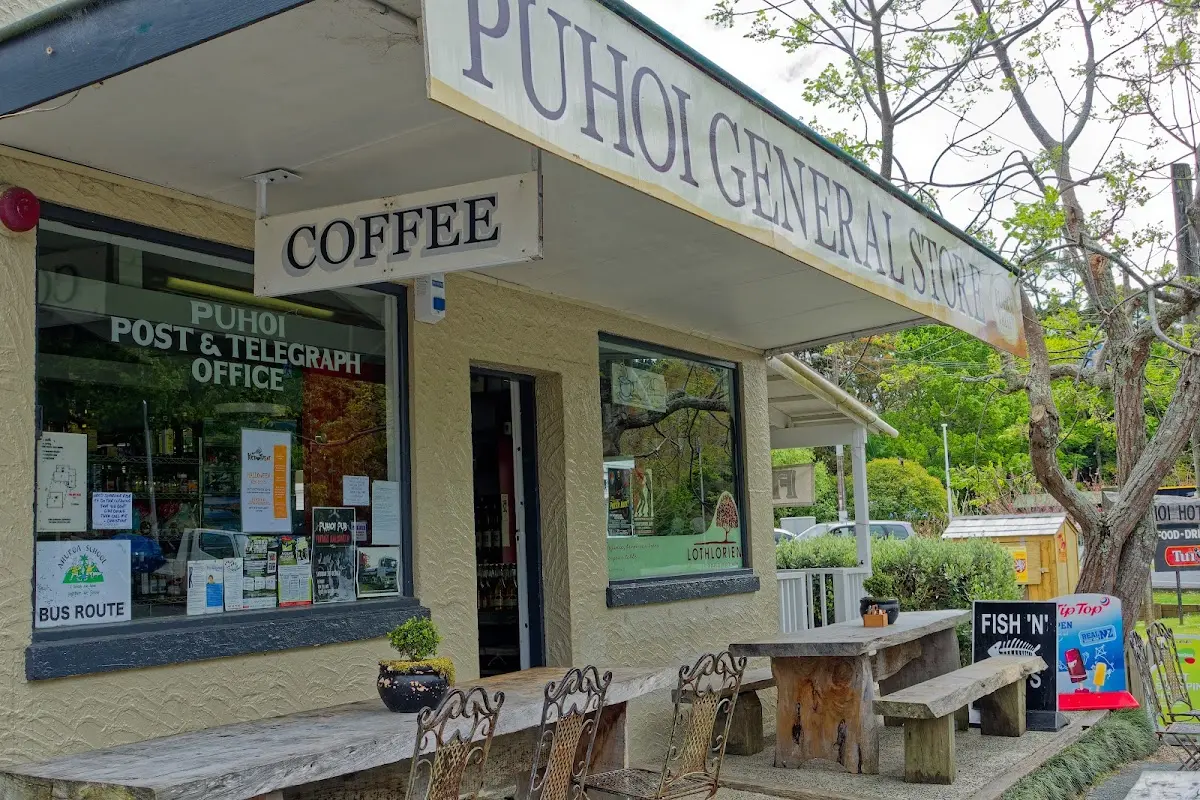
Auckland is huge. It took me one and a half hours to get to the ferry in the harbour, and about the same again to get to Devonport on the other side. Pedallers’ Paradise says: too many hills, too much traffic — and that turned out to be quite true. Today: 165 km in 9 hours 13 minutes, average speed 16.8 km/h, top speed 65.9 km/h. Mosquitoes in the evening. Tea and some chips for lunch in Puhoi, with a nice view, though at times it was a bit chilly.
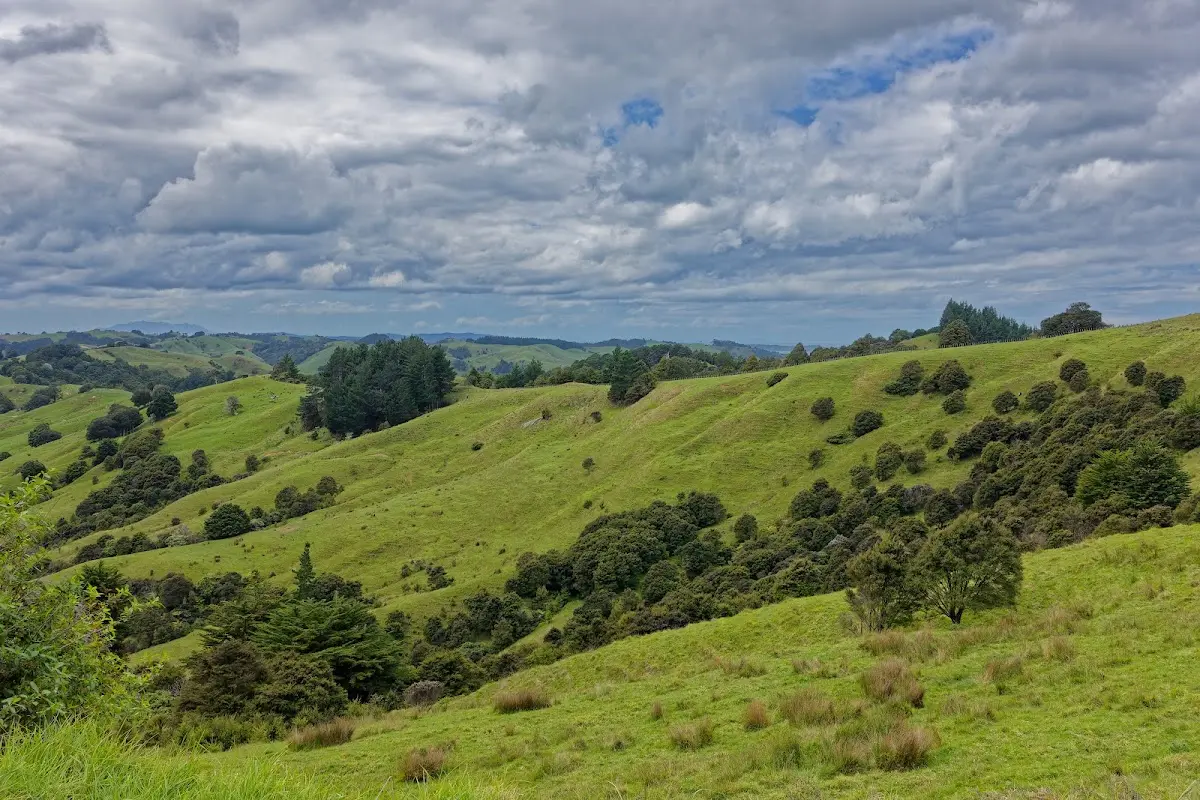
Puhoi
Puhoi, located 50 km north of Auckland, New Zealand, is a settlement rich in history and cultural heritage. The name "Puhoi" means "slow water" in Māori, reflecting the leisurely pace of the Puhoi River. European settlement began in 1863 with German-speaking migrants from Bohemia, led by Captain Martin Krippner. These settlers, predominantly Roman Catholic, established a church dedicated to Saints Peter and Paul, which still stands today. The village retains its historical charm with buildings like the Puhoi Hotel and the Puhoi Town Library, originally a Catholic primary school.

Warkworth
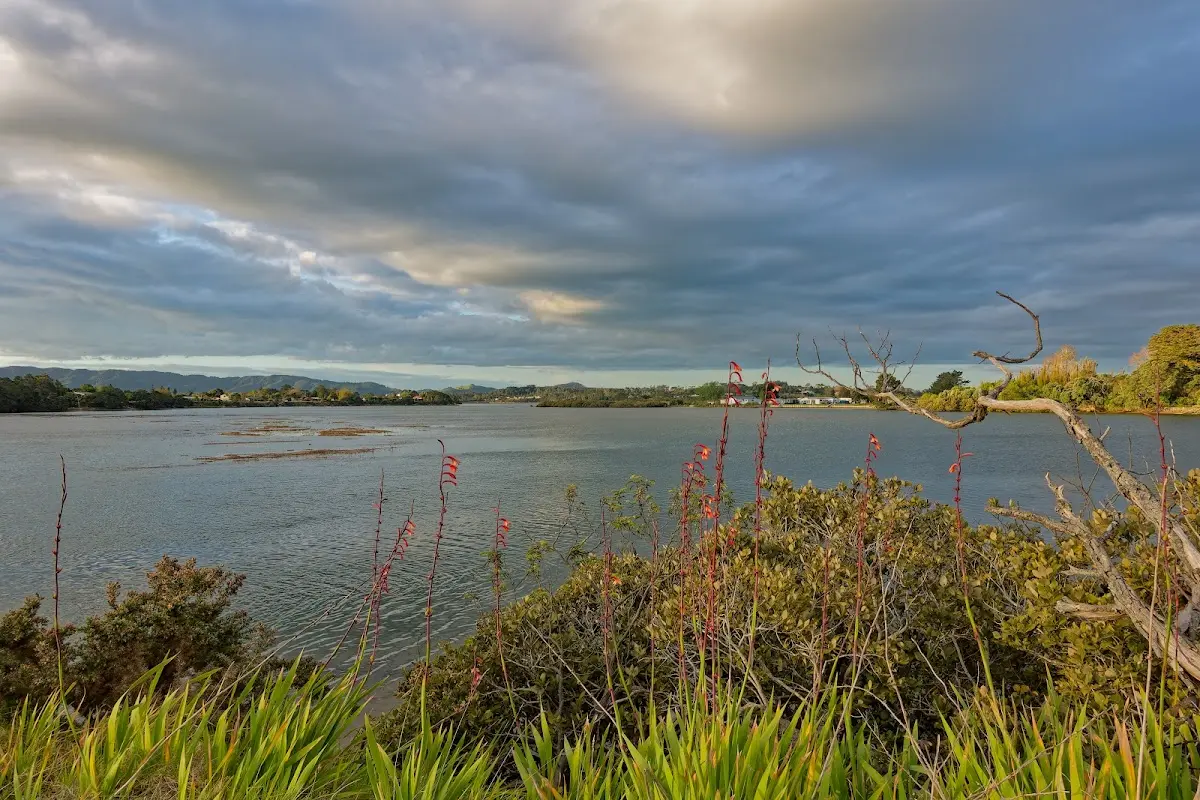
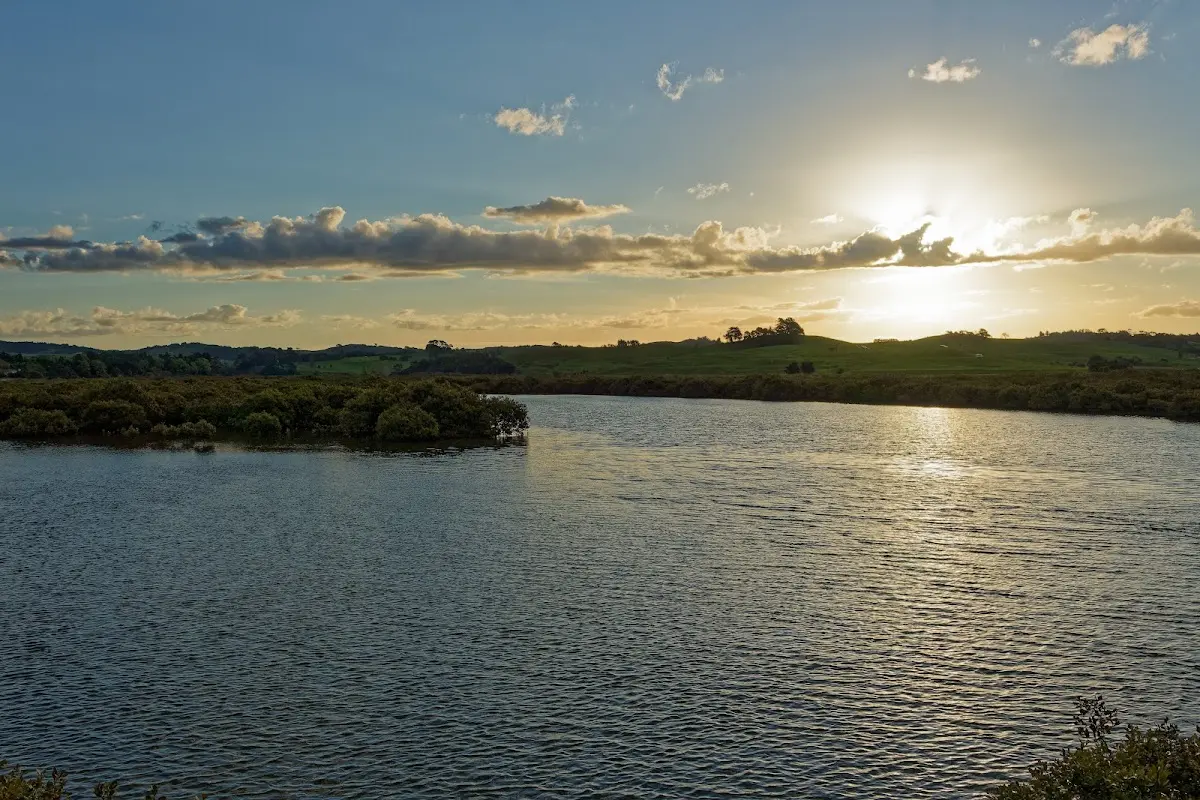
Warkworth, known in Māori as Puhinui, is a town on New Zealand's Northland Peninsula, situated 64 km north of Auckland. It has a rich history dating back to the 13th century when Māori settled in the area, utilizing the Mahurangi River for transportation and resources. The town became a crossroads for overland and waka (canoe) traffic, with Māori tribes such as Ngāti Rongo and Ngāti Manuhiri being prominent in the area. European settlement began in 1843 with John Anderson Brown, who established a timber mill. By 1853, Warkworth was officially named, inspired by a town in Northumberland, England, due to the Mahurangi River's resemblance to the River Coquet.
Warkworth evolved into a hub for timber and shipbuilding industries and later became known for the Wilsons Cement Works established in 1884. During World War II, the area hosted over 40 United States Army camps. In 1971, the Warkworth Radio Astronomical Observatory was established, marking the town's significance in scientific research. The town's population has grown significantly since the mid-2000s, and it remains a commercial and service hub for the surrounding rural area. Notably, Warkworth's streets are named after villages in Northumberland, reflecting its historical ties to England.
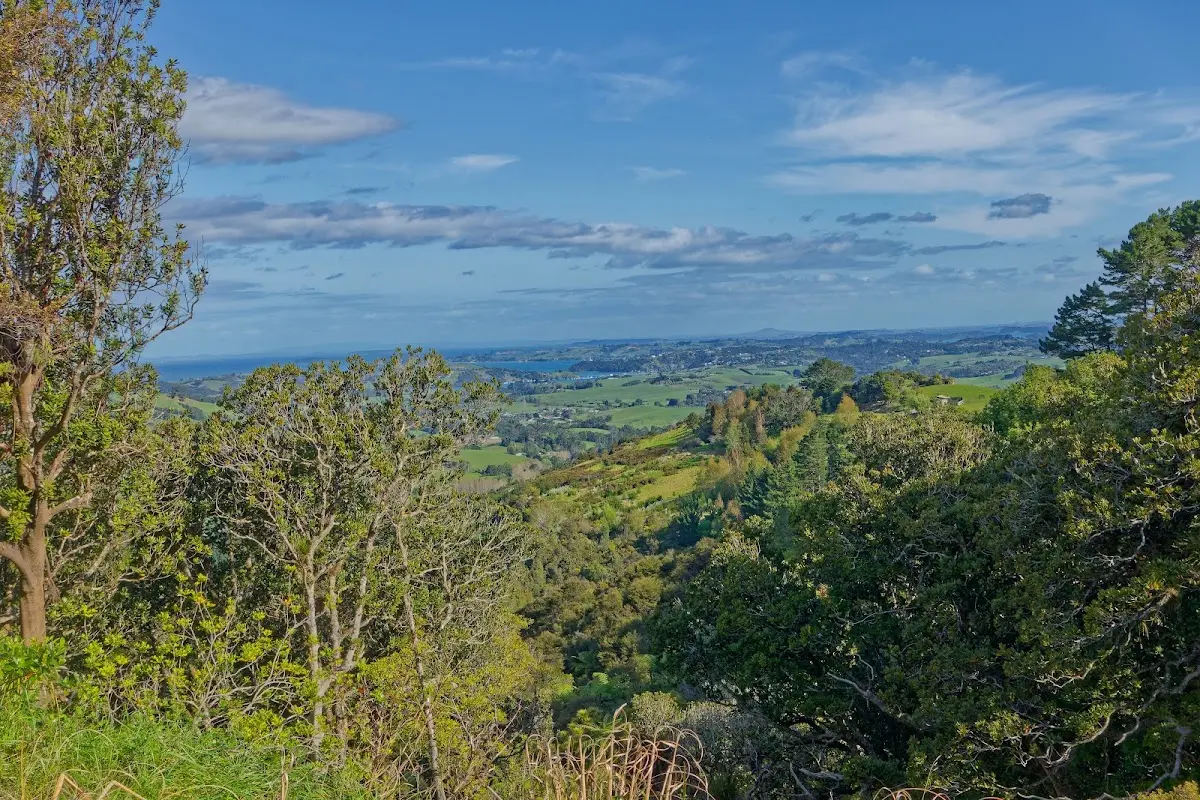
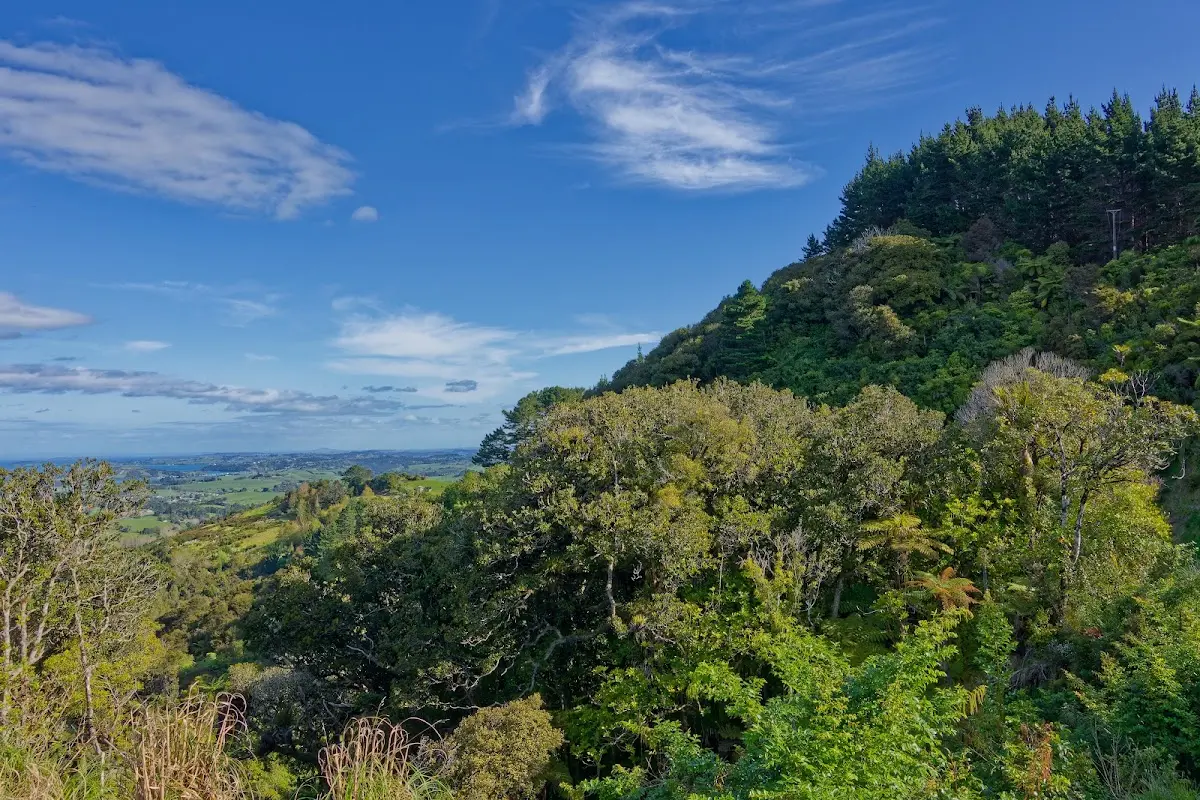
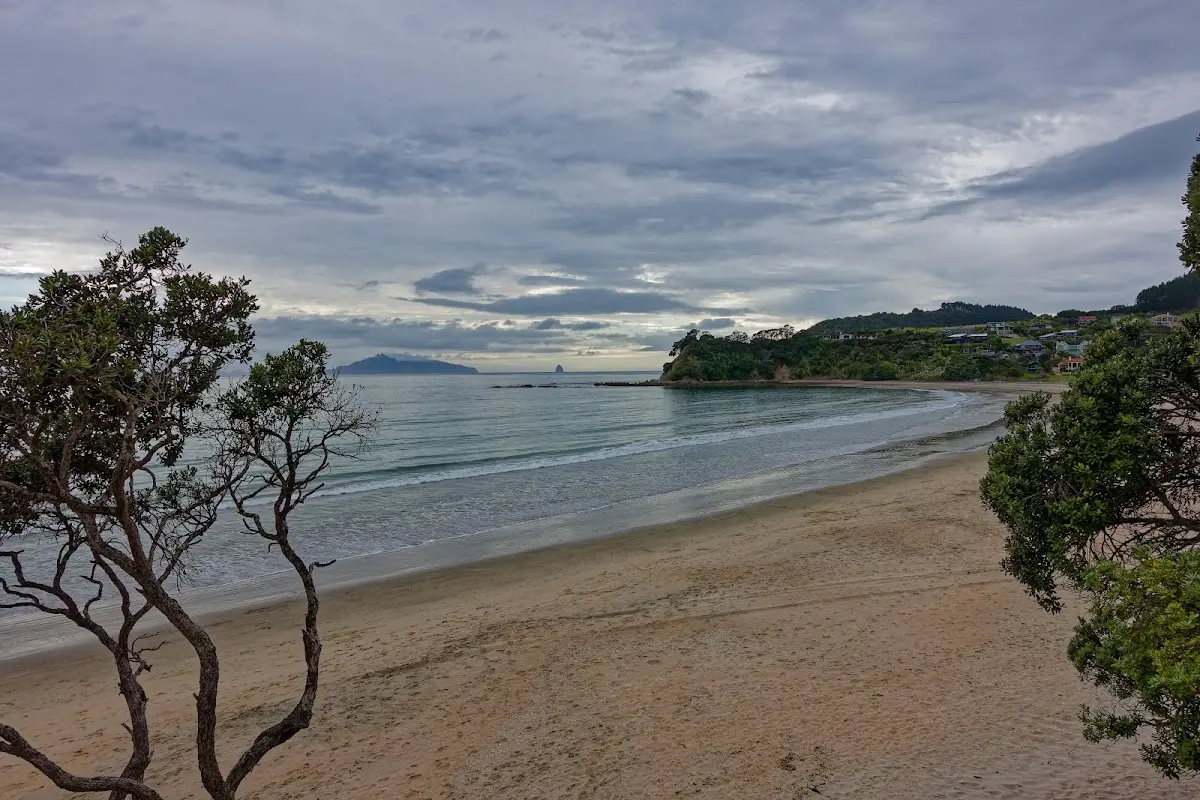
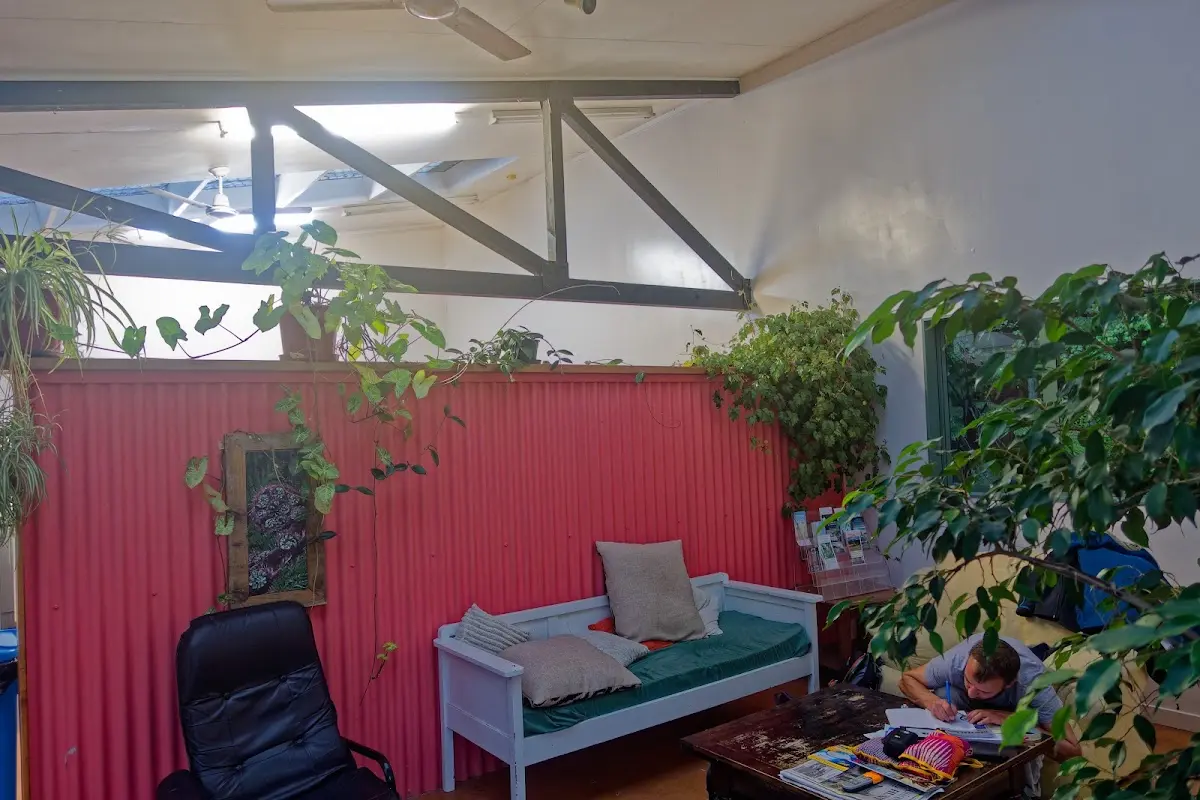
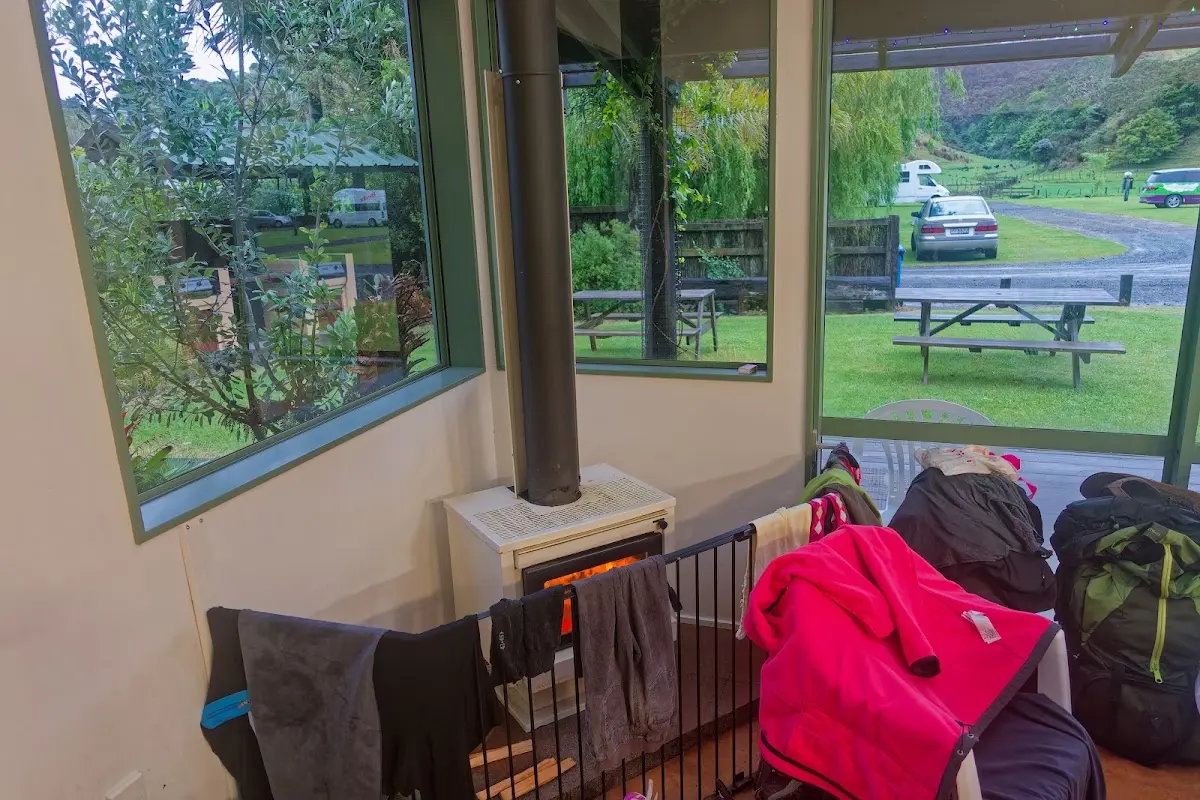
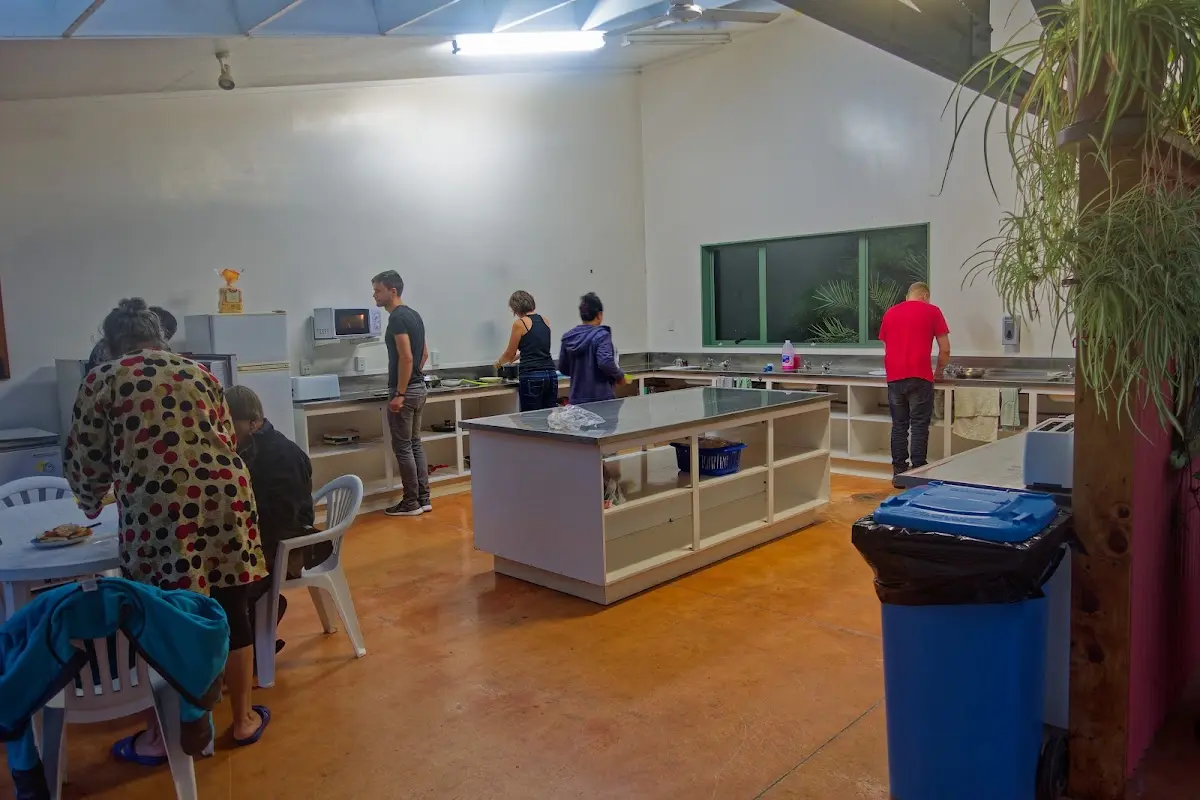
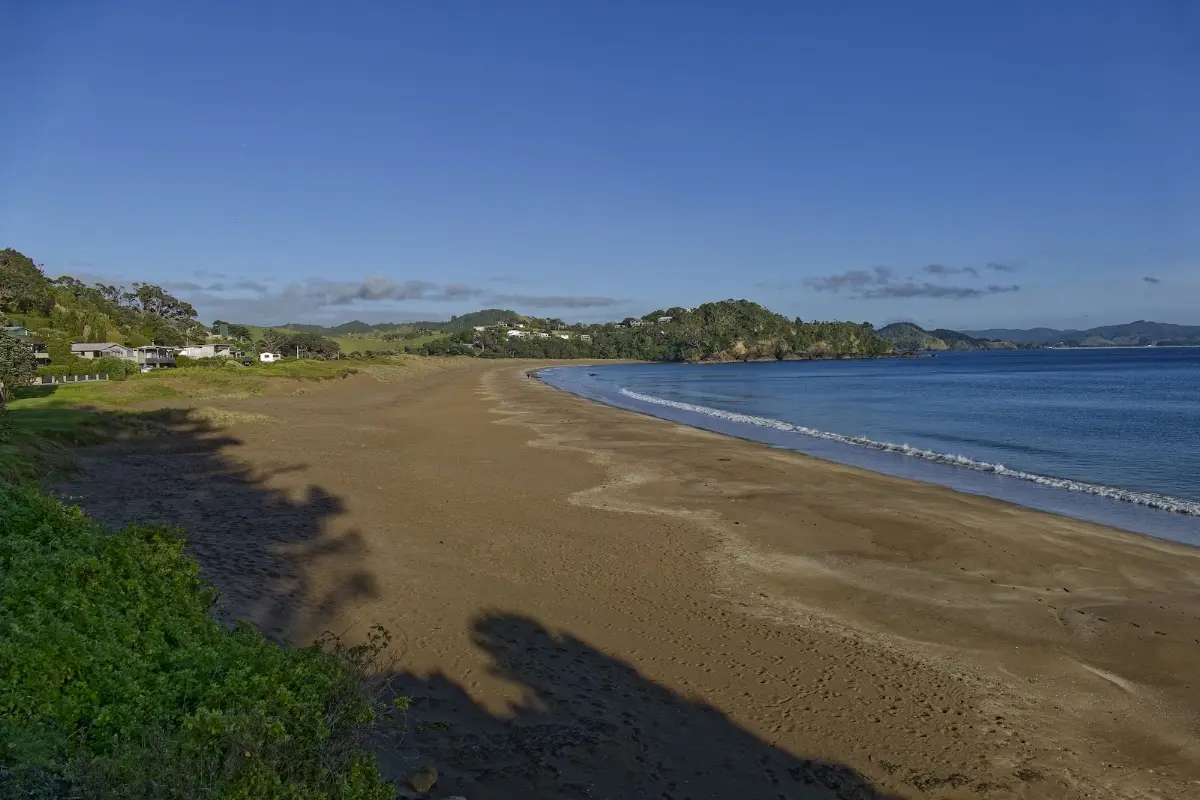
Cloudy, with lots of hills and beautiful views of beaches along the way. Coffee and a muffin in the morning, then 40 km on toward Whangārei. After that the rain started. I stopped for another coffee in the hope of waiting it out, but the rain stayed with me, so I continued to a campground in Tutukaka. There was a nice fireplace in the kitchen and lots of tourists for company. Tea, what else? Another 100 km today, only 5 hours 12 minutes on the bike, with an average of 18.85 km/h.
Whangārei
Whangārei, the northernmost city in New Zealand, is the largest settlement in the Northland region, with a population of approximately 56,800 as of 2024. The city's name has various interpretations, with Māori traditions linking it to stories of the sisters Reitū and Reipae, and meanings such as "lying in wait to ambush" or "to gather." Historically, Whangārei Harbour was a significant landing point for migratory waka and a crucial trade location for Māori, connecting various iwi across the region. The area saw European settlement in the mid-19th century, driven by the kauri gum trade and later developments in coal and limestone industries.
In the 20th century, Whangārei evolved into a service center for Northland, with the establishment of the Marsden Point oil refinery and timber processing industries. The city experienced significant growth, becoming a city in 1964. A unique addition to Whangārei's cultural landscape is the Hundertwasser Art Centre with Wairau Māori Art Gallery, which opened in 2022. This center, inspired by the Austrian artist Friedensreich Hundertwasser, is an unusual and vibrant architectural landmark in New Zealand, reflecting the city's commitment to art and culture.
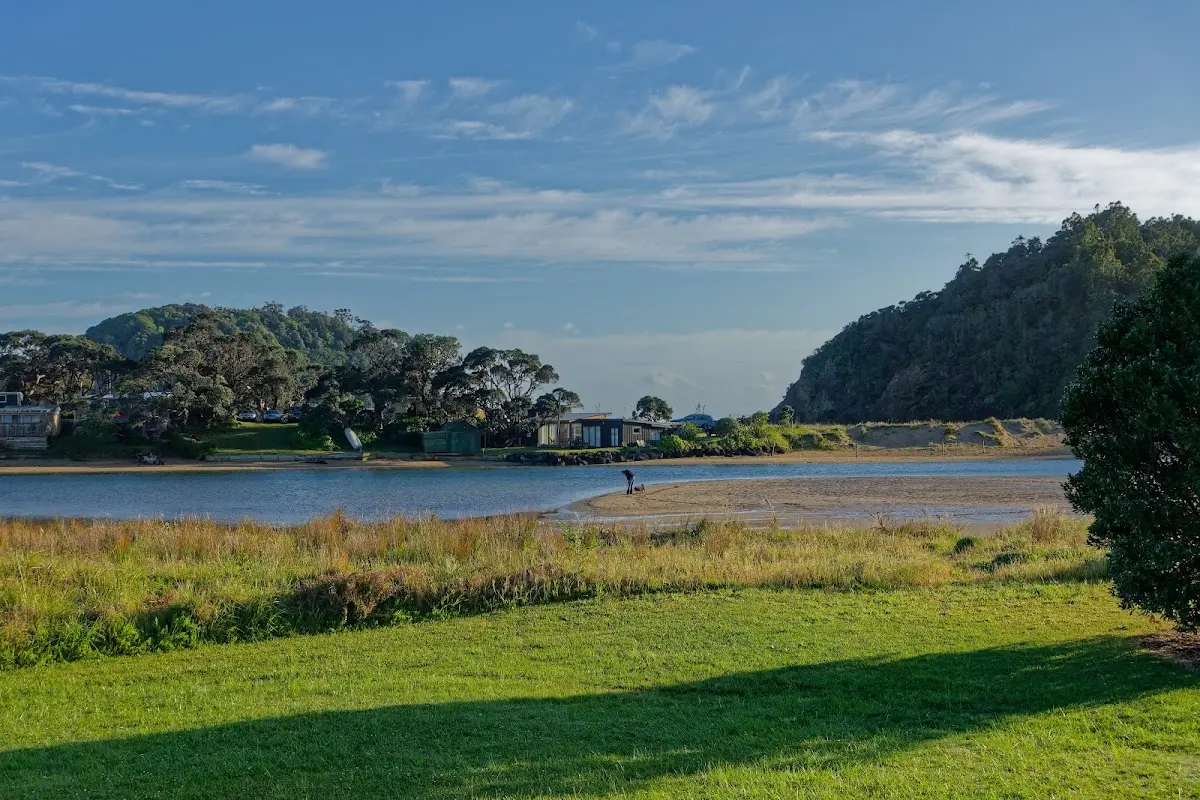
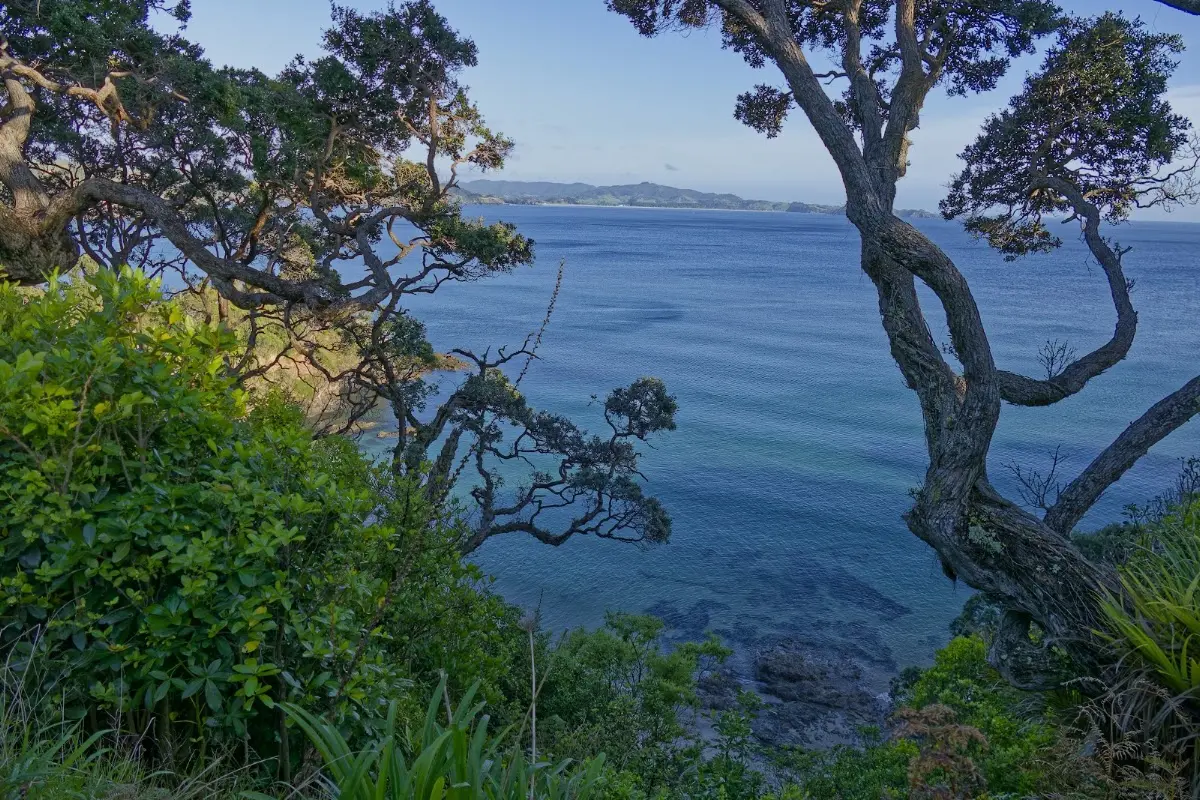
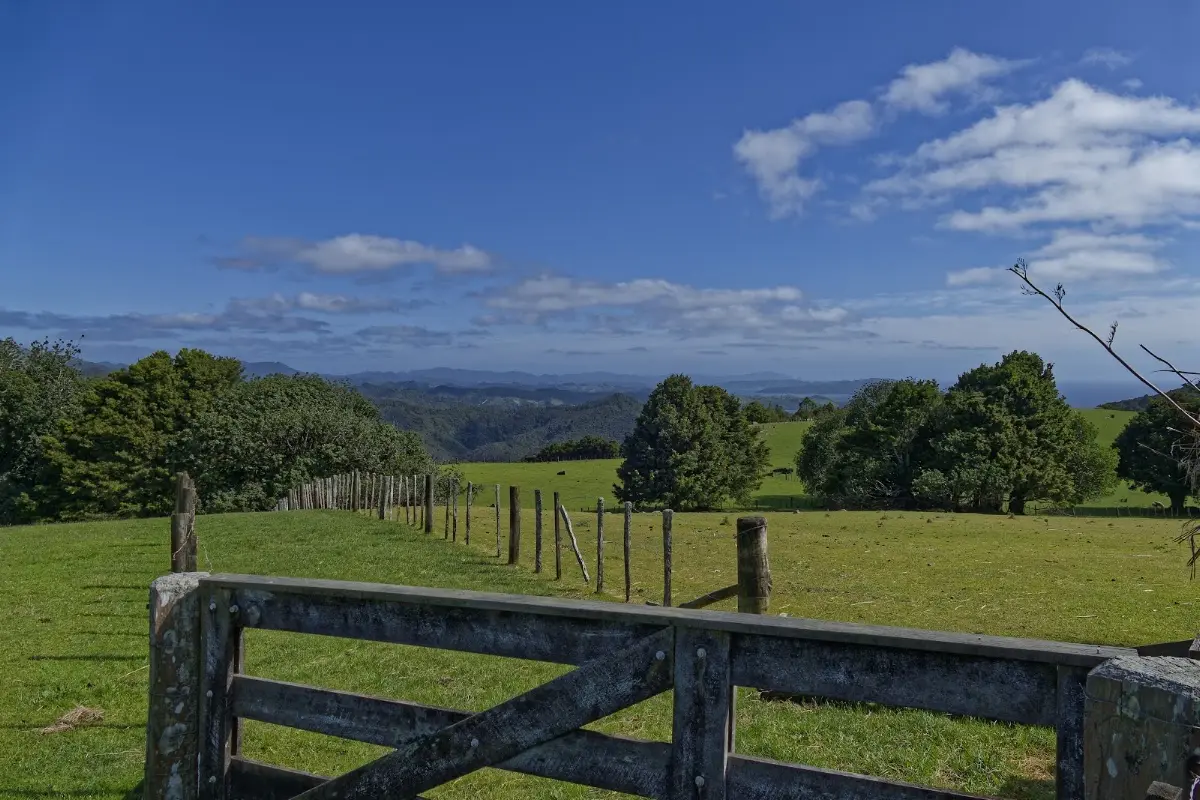
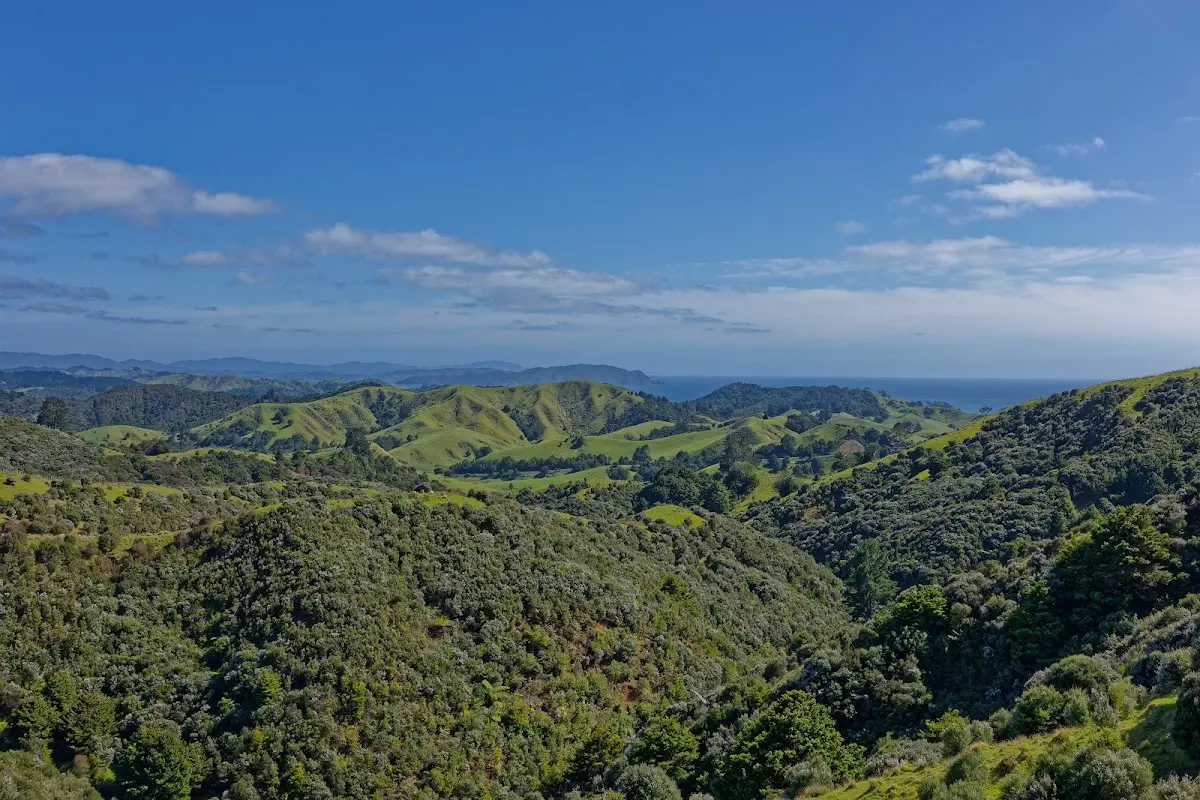
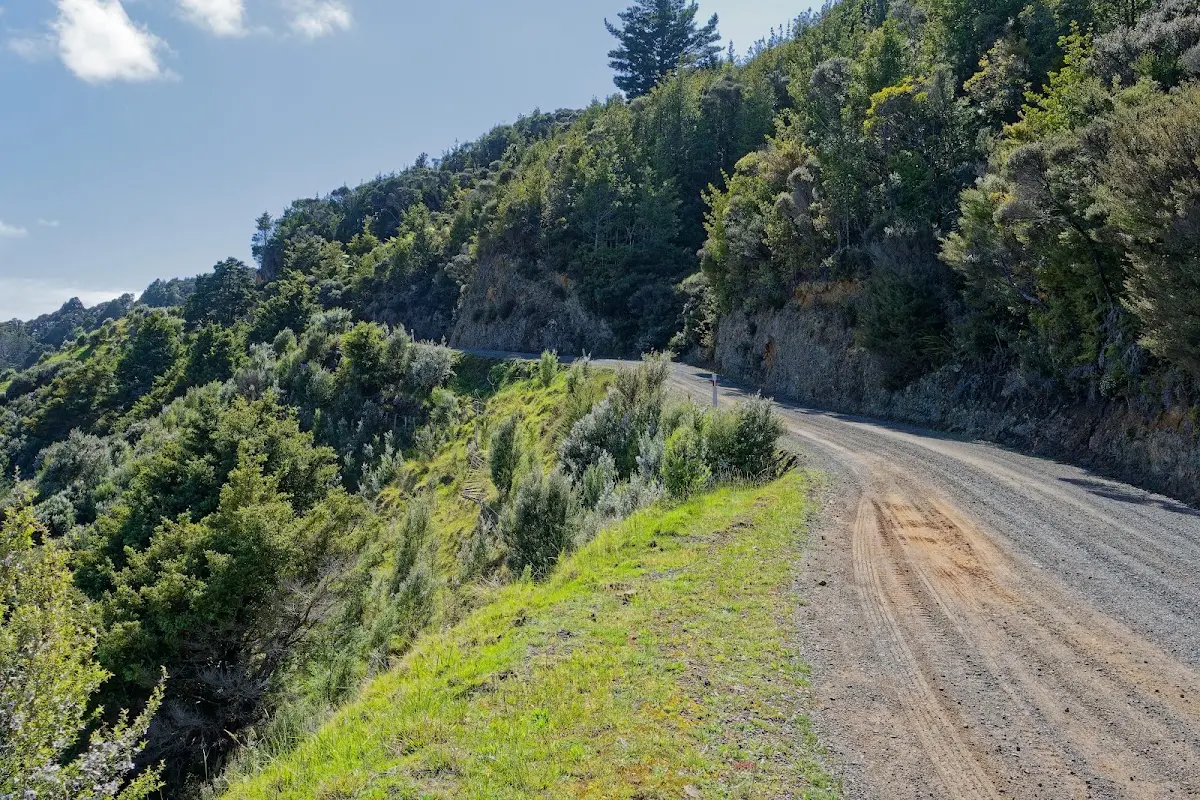
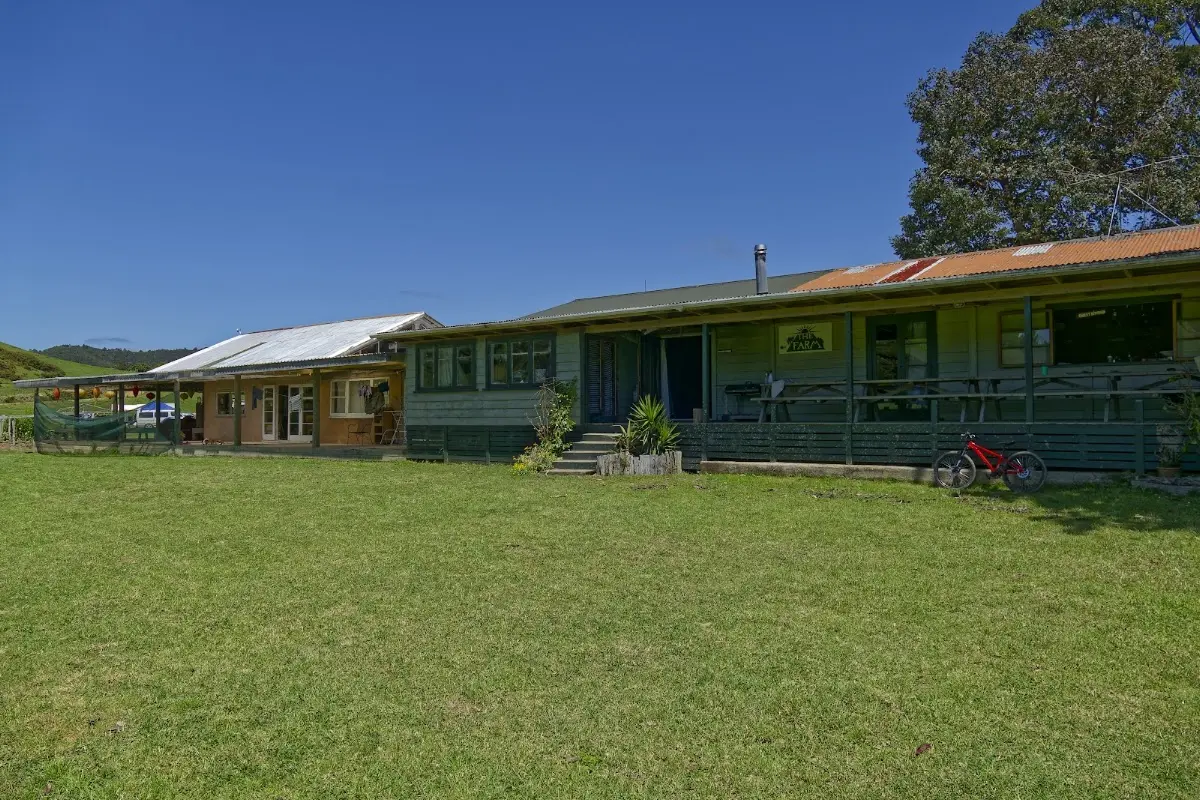
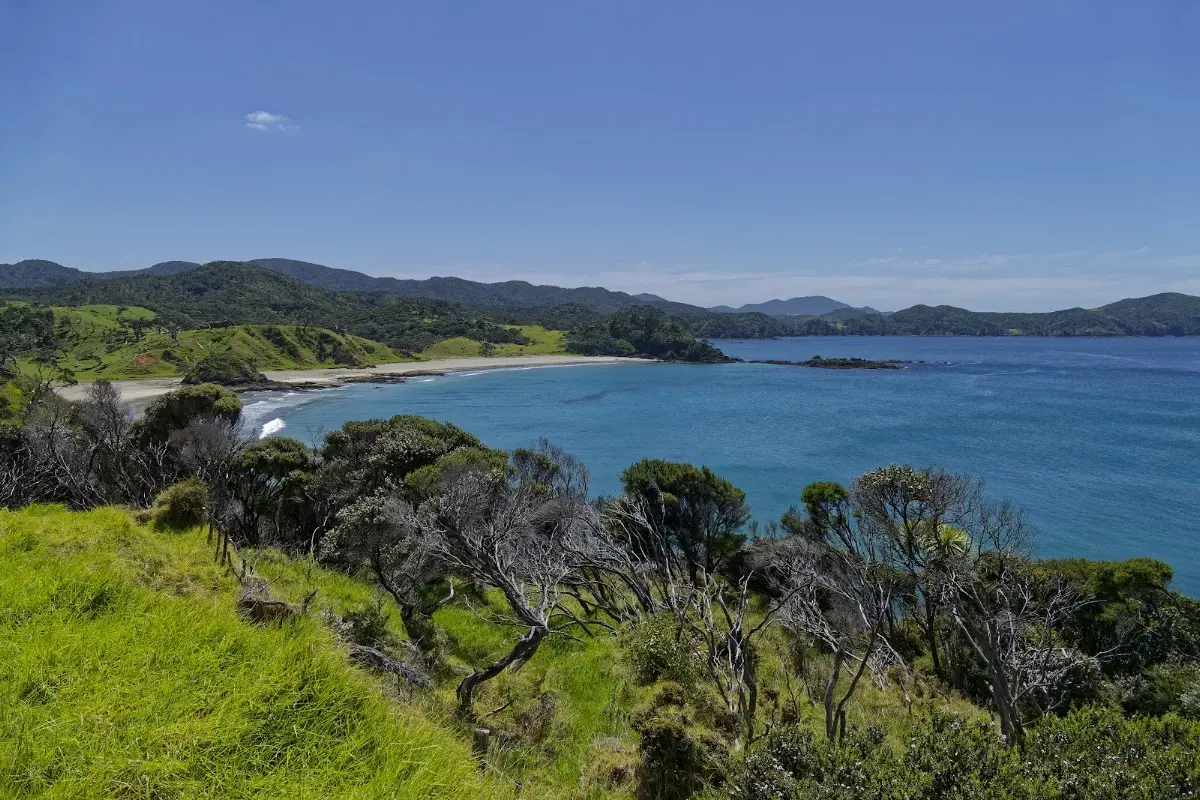
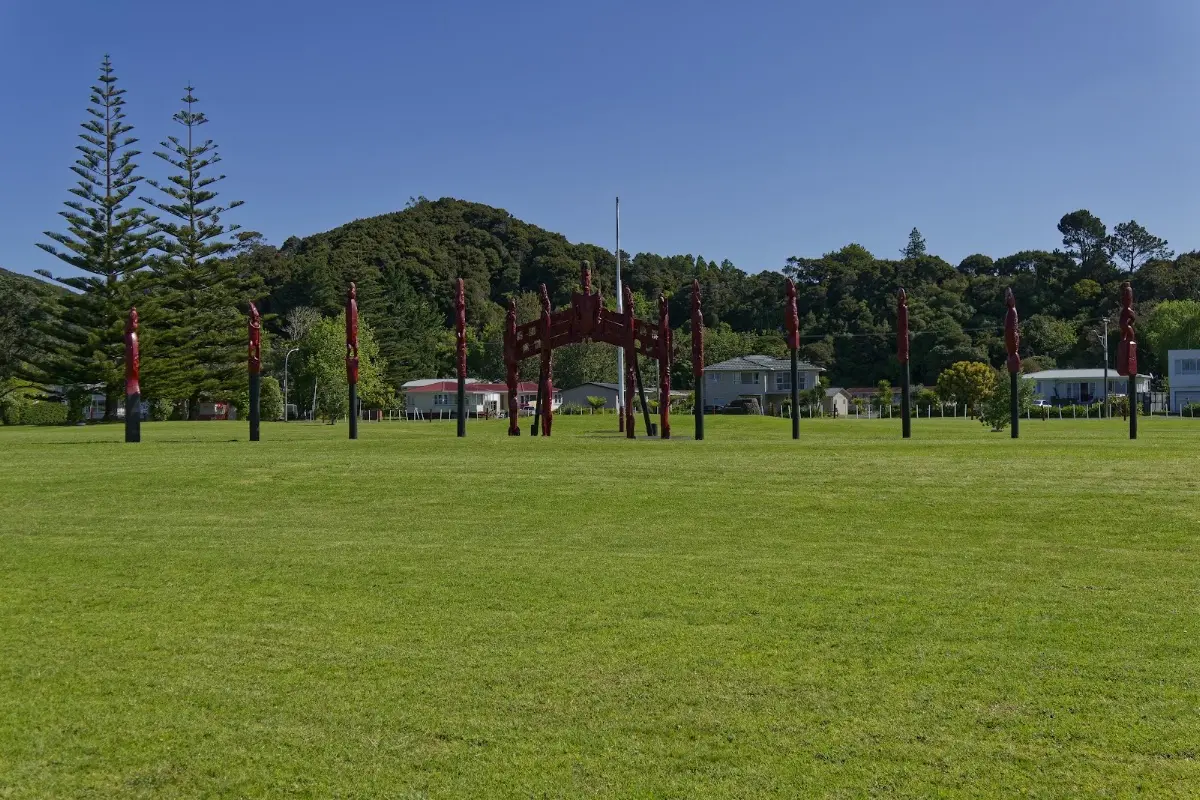
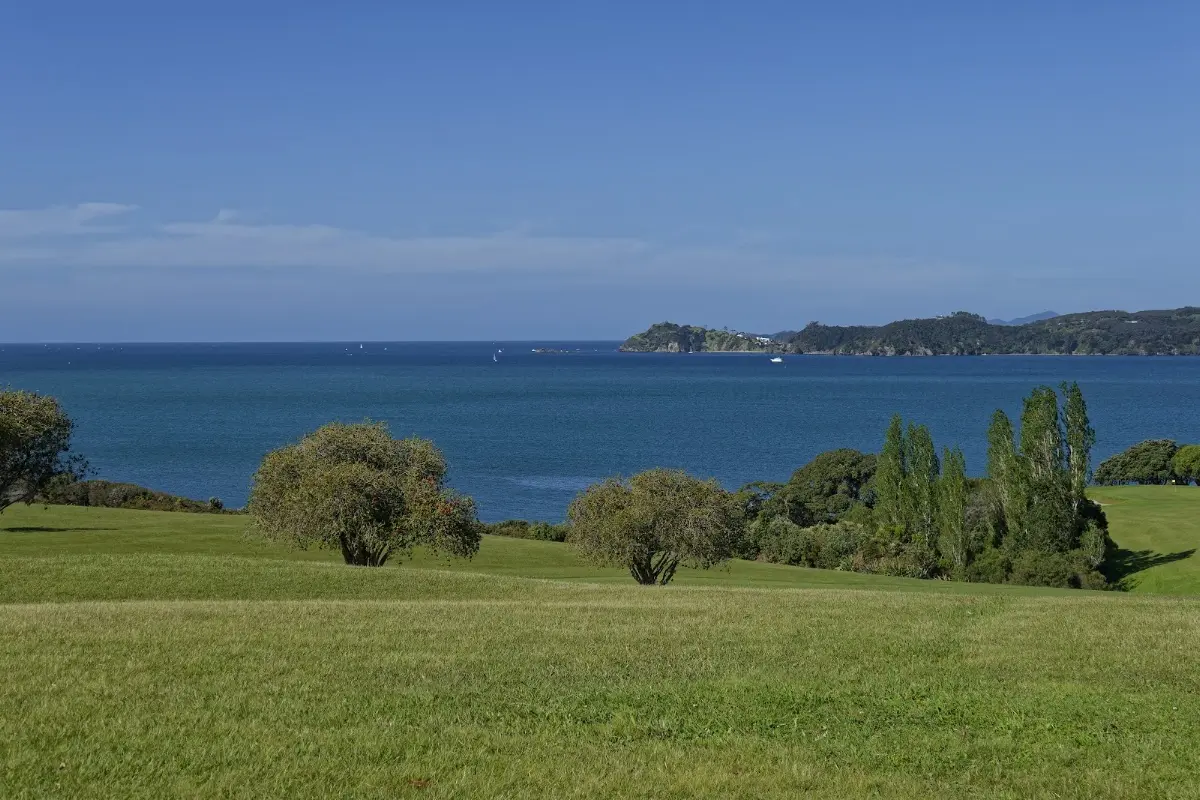
From Tutukaka I followed the coast, with some quite steep stretches in between, much of it unpaved. With all the luggage, it was not pure fun. I stopped at the Waitangi Treaty Grounds for a few photos and then continued on to Kerikeri. There was also a 20 km stretch through the forest. I still hadn’t done much walking yet and already felt pretty exhausted from the cycling alone. Today: 148.7 km in 9 hours, average speed 14.95 km/h. Best weather so far — shorts and sunscreen were necessary. Kerikeri was not especially cosy: a huge Chinese group and otherwise mostly young Germans. I bought some lamb and tried to fry it on my stove, but it burned. I probably won’t buy meat again unless there is a barbecue at the campsite. It took five minutes to clean the pot.
Paihia
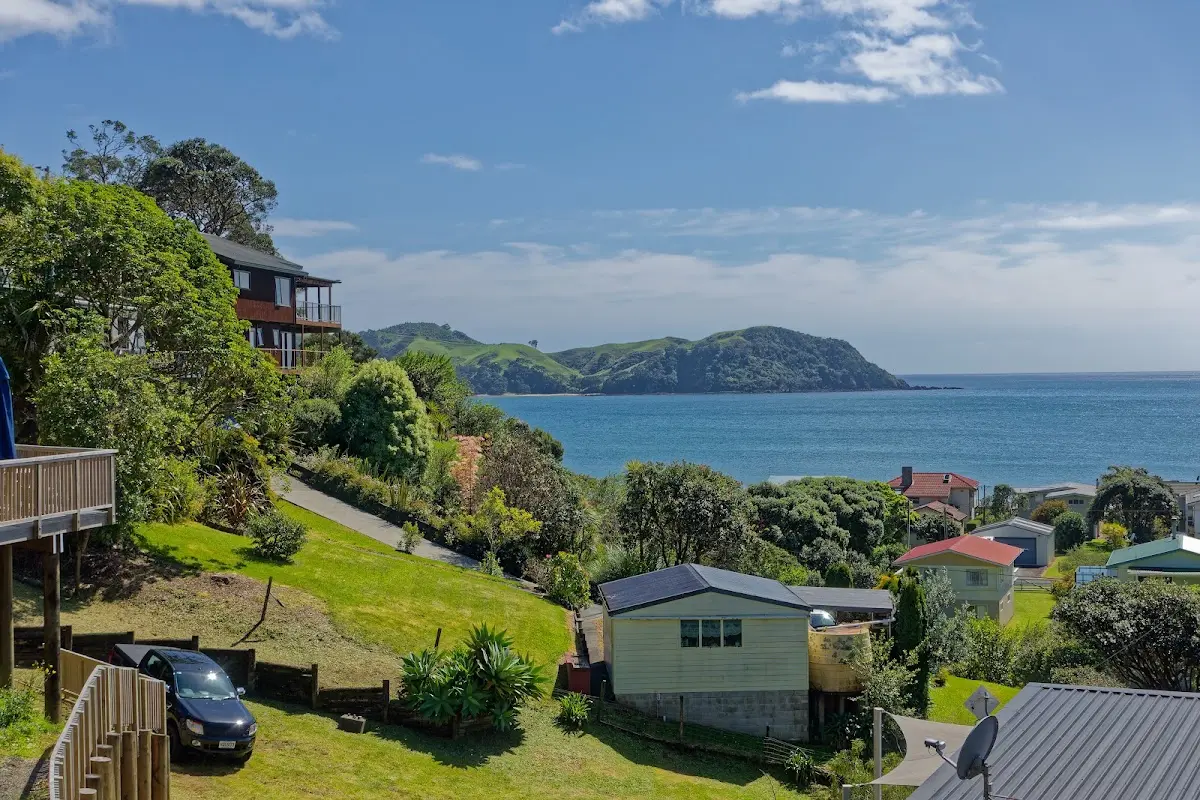
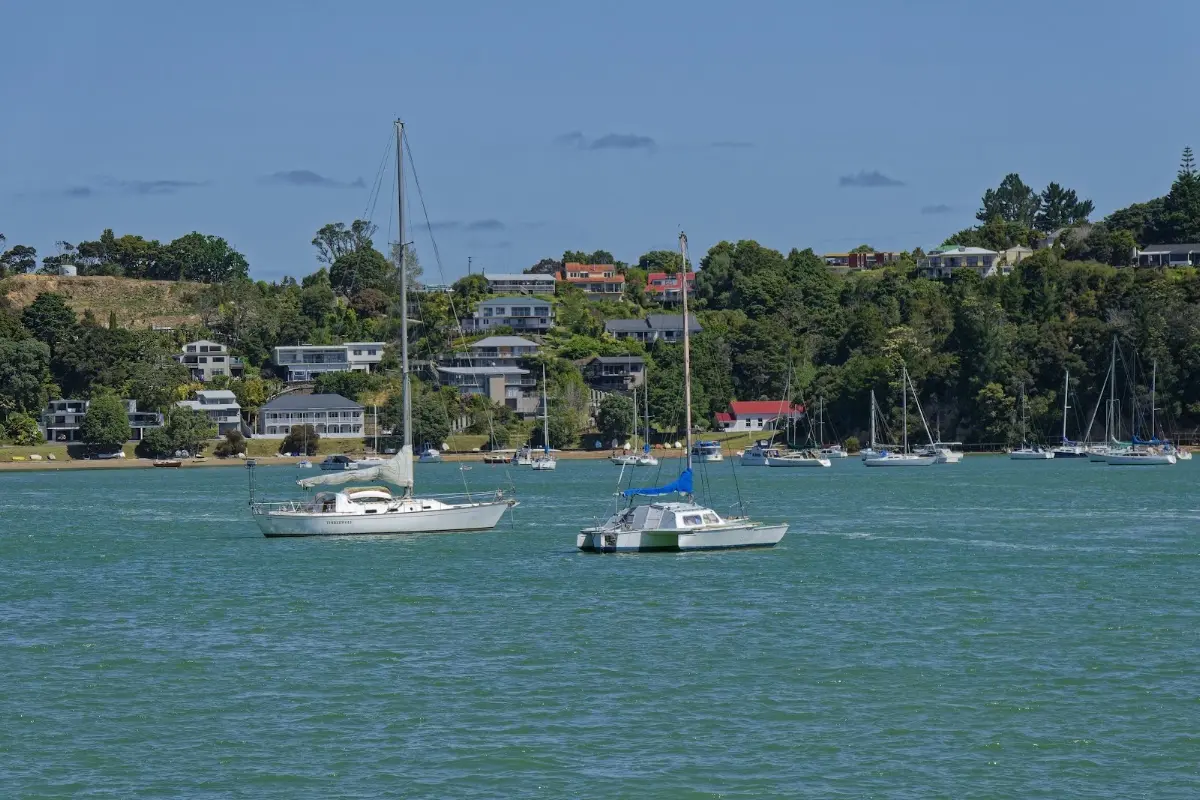
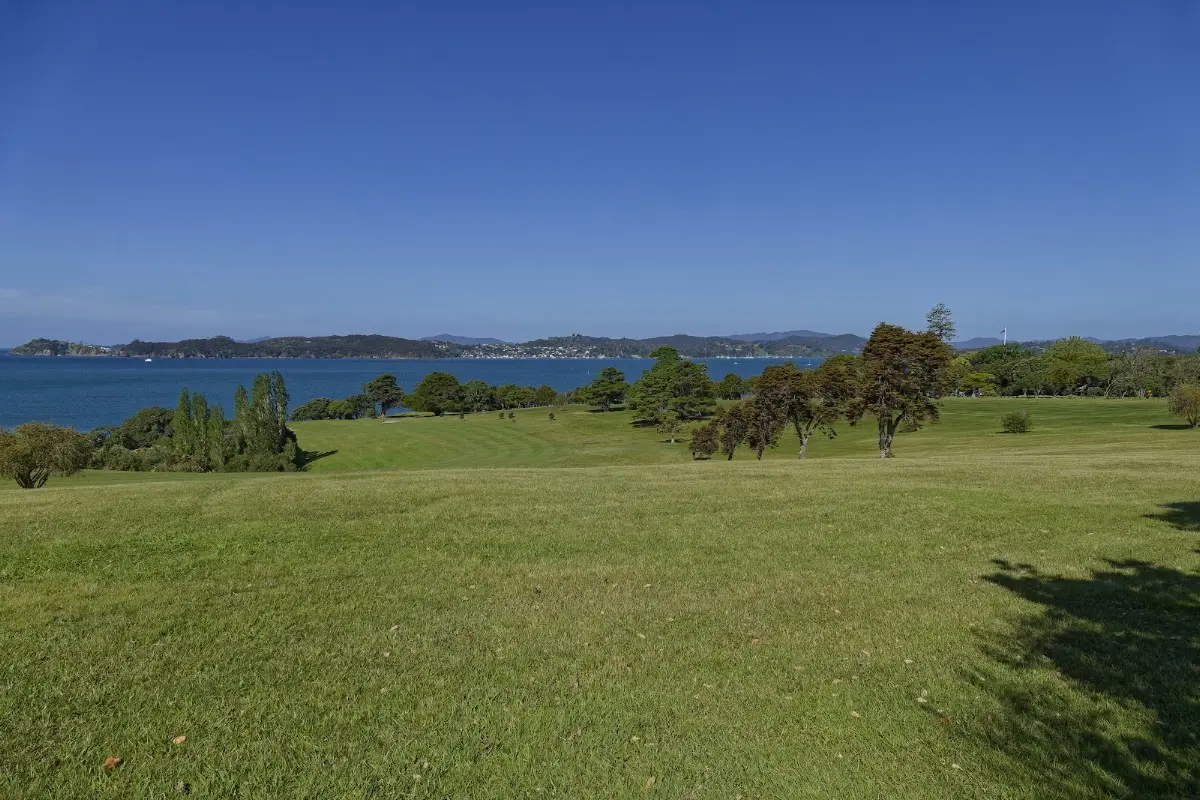
Paihia, the main tourist town in New Zealand's Bay of Islands, is located 60 kilometers north of Whangārei and is close to the historic towns of Russell and Kerikeri. Established as a mission station by Henry Williams in 1823, Paihia became a significant site for early European settlement, hosting New Zealand's first church and printing press. The town witnessed the first recorded cricket match in New Zealand, observed by Charles Darwin in 1835. Although the mission closed in 1850, leading to a decline, Paihia revived as a tourist destination in the 1930s with the construction of a road to Puketona. The town is also near the historic Waitangi settlement, adding to its cultural significance.
Waitangi
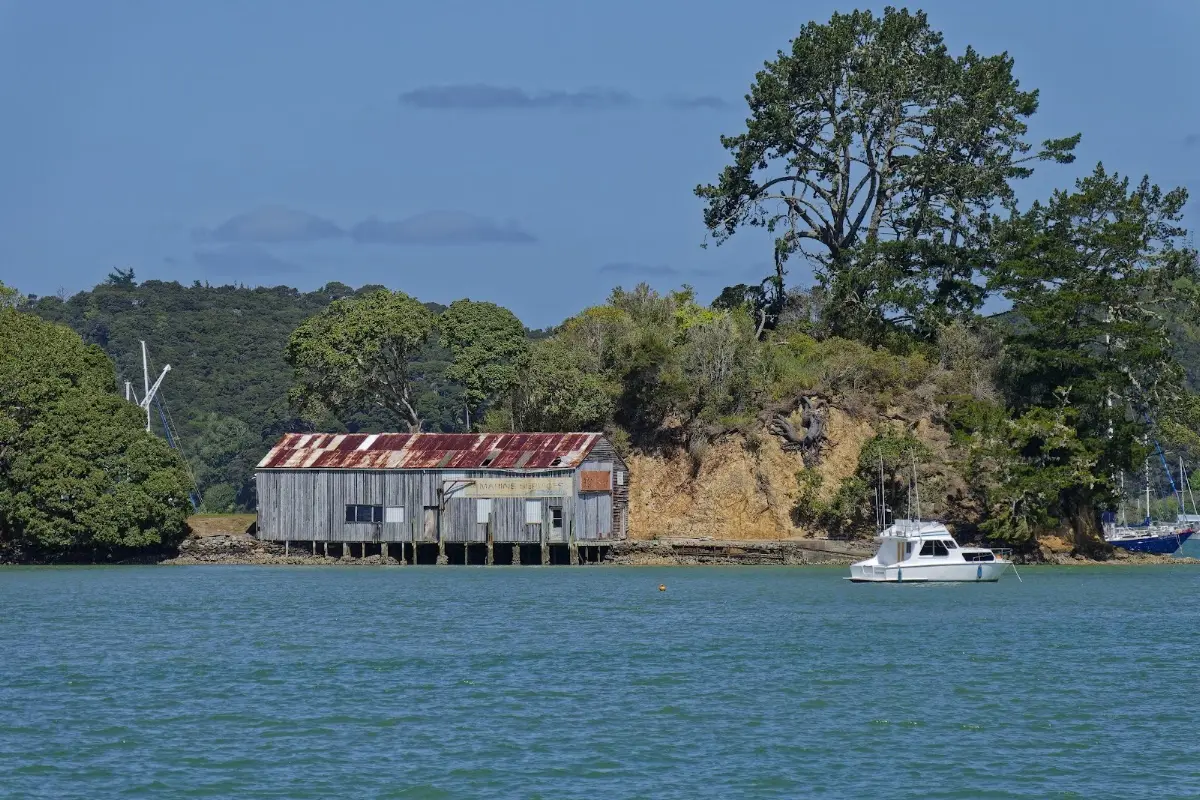
Waitangi, located on the north side of the Waitangi River in New Zealand's Bay of Islands, is a site of immense historical significance. It is famously known as the location where the Treaty of Waitangi was first signed on February 6, 1840, marking the beginning of British governance in New Zealand. This treaty followed the Declaration of Independence of New Zealand, signed five years earlier in 1835. The name "Waitangi," meaning "noisy waters" in Māori, likely refers to the nearby Haruru Falls.
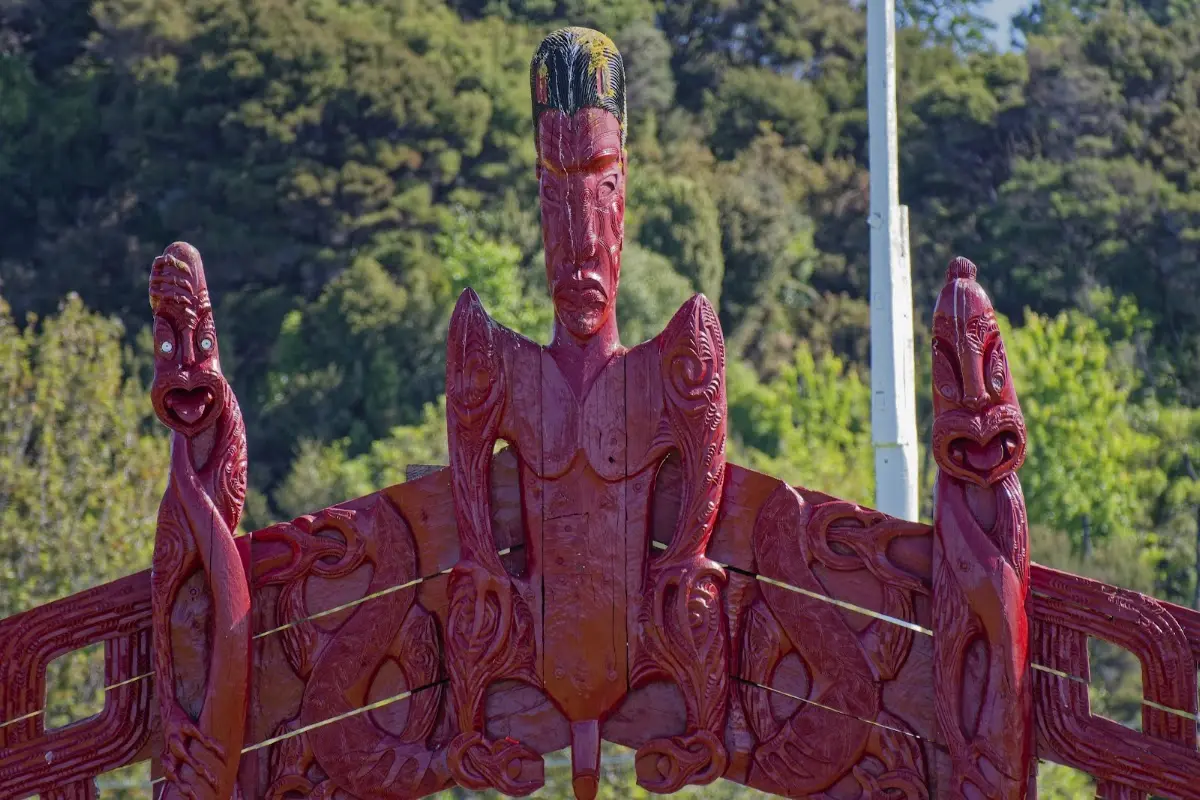
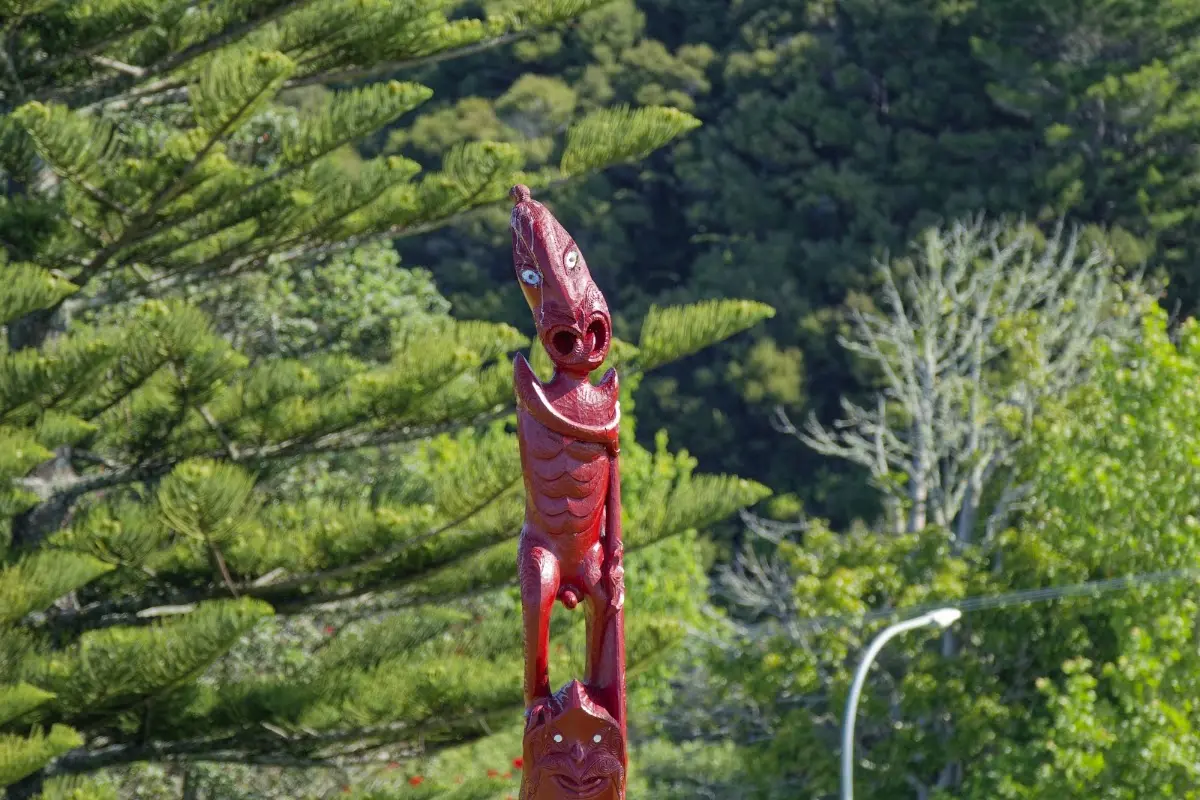
The signing of the Treaty of Waitangi took place on the grounds of James Busby's residence, where a public meeting was held on February 5, 1840. Initially, many Māori chiefs opposed the treaty, but some, including Tāmati Wāka Nene and Eruera Maihi Patuone, supported it. The treaty was signed the following day, although not all chiefs agreed to sign. The Waitangi Treaty Grounds have been open to the public since 1934, featuring the Treaty House and Te Whare Rūnanga, a carved Māori meeting house opened in 1940.
The Treaty House, originally occupied by James Busby, was restored in the 1930s, bringing the treaty into Pākehā attention for the first time since the 19th century. Te Whare Rūnanga serves as a cultural focal point, although it is not a true marae. The grounds also include Te Kōngahu Museum of Waitangi, opened in 2015, and Te Rau Aroha museum, opened in 2020, both of which enhance the site's cultural and historical offerings.
The Waitangi Wharf, located at the river's estuary, serves passenger ferry services to Russell and Paihia. Artist Selwyn Muru incorporated copper from the historic wharf piles into the Waharoa sculpture in Auckland's Aotea Square, highlighting Waitangi's cultural influence beyond its immediate region.
Kerikeri
Kerikeri, the second-largest settlement in Northland, New Zealand, is a key tourist destination known as the "Cradle of the Nation" due to its historical significance as the site of the country's first permanent mission station. Established by missionaries in the early 19th century, Kerikeri is home to some of New Zealand's oldest buildings and was the first place in the country where grape vines and citrus were planted. The town's subtropical climate supports a thriving horticulture industry, and it lies at the western end of the Kerikeri Inlet, where the Kerikeri River meets the Pacific Ocean.
The name "Kerikeri" has various interpretations, including "to keep digging" and "the churning or boiling over of the waters," reflecting the area's natural features. The town's local slogan, "It's So Nice They Named It Twice," highlights its charm and appeal, contributing to its recognition as one of New Zealand's top small towns. Kerikeri's rich history, combined with its scenic beauty and cultural heritage, makes it a popular destination for visitors exploring the Bay of Islands region.
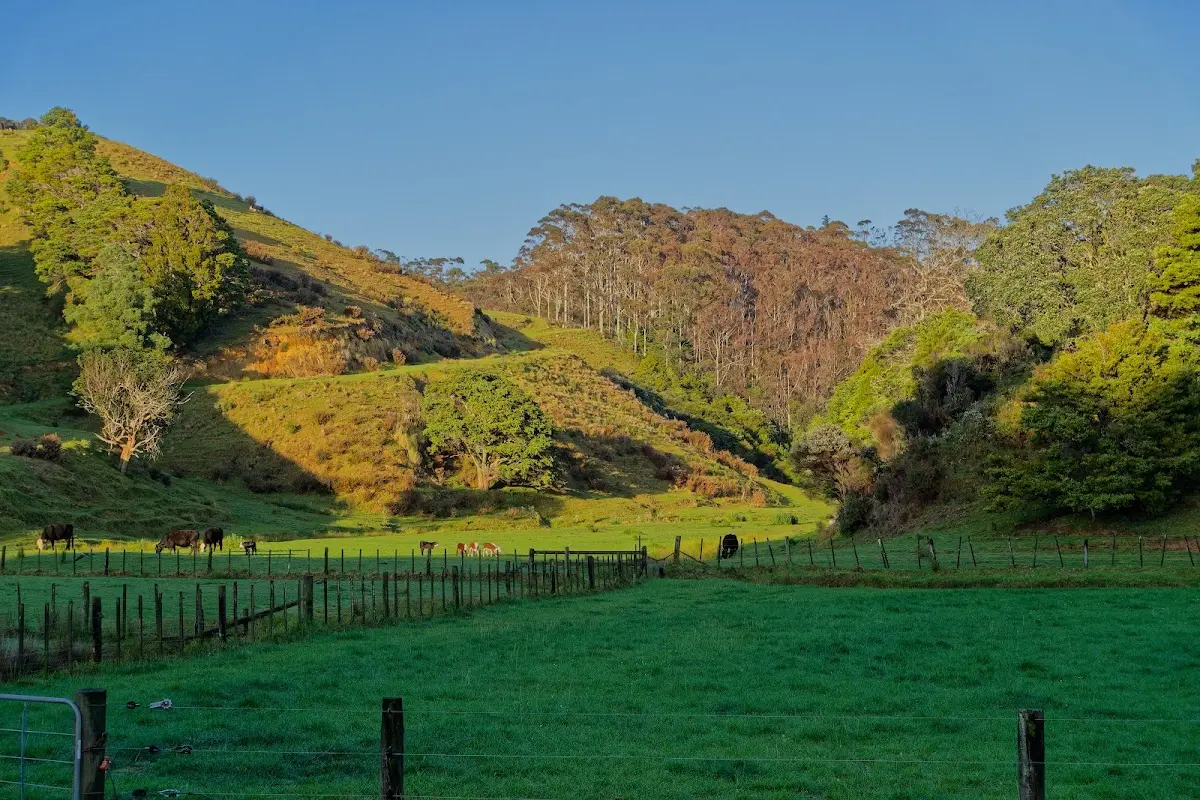
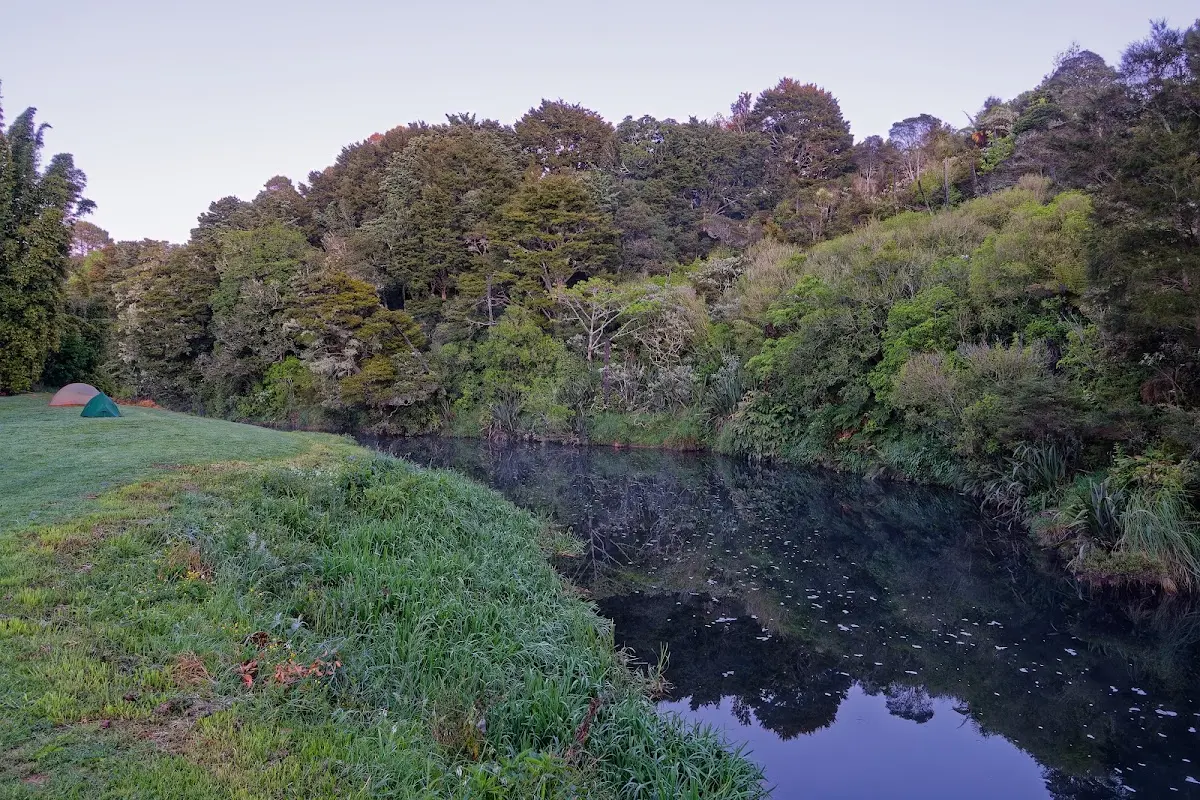
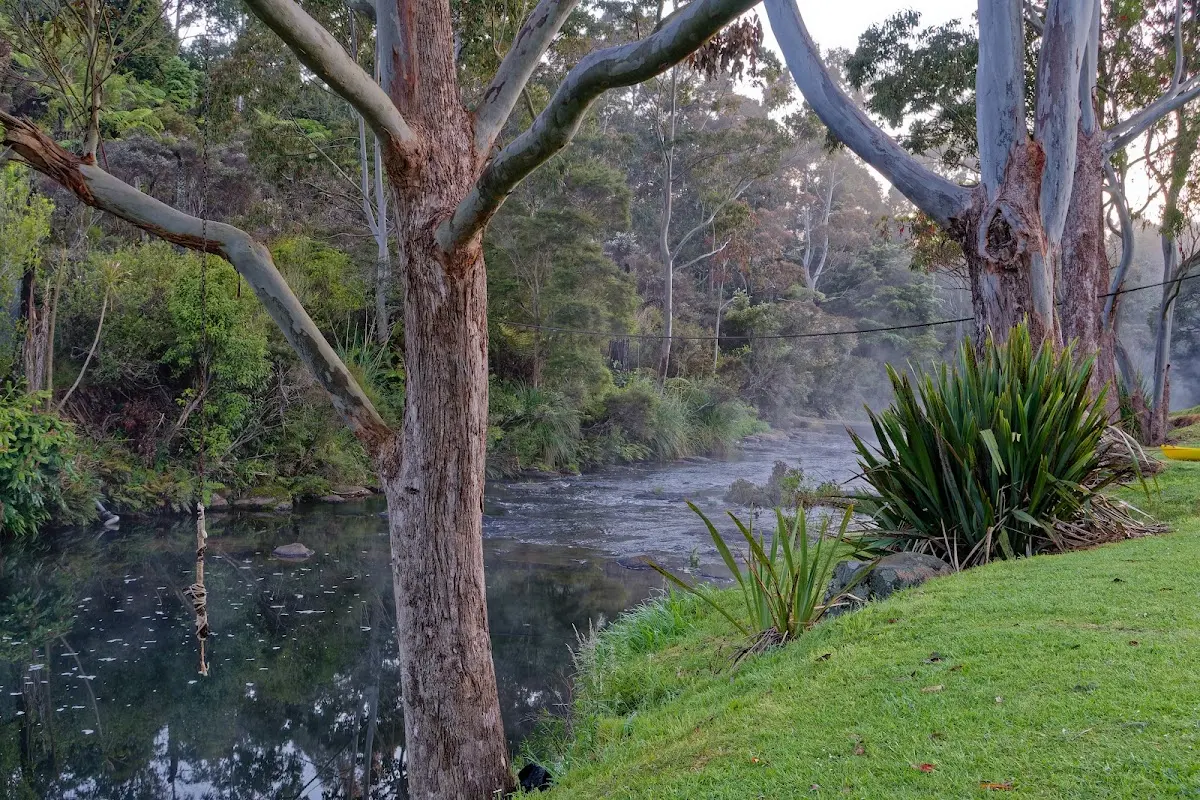
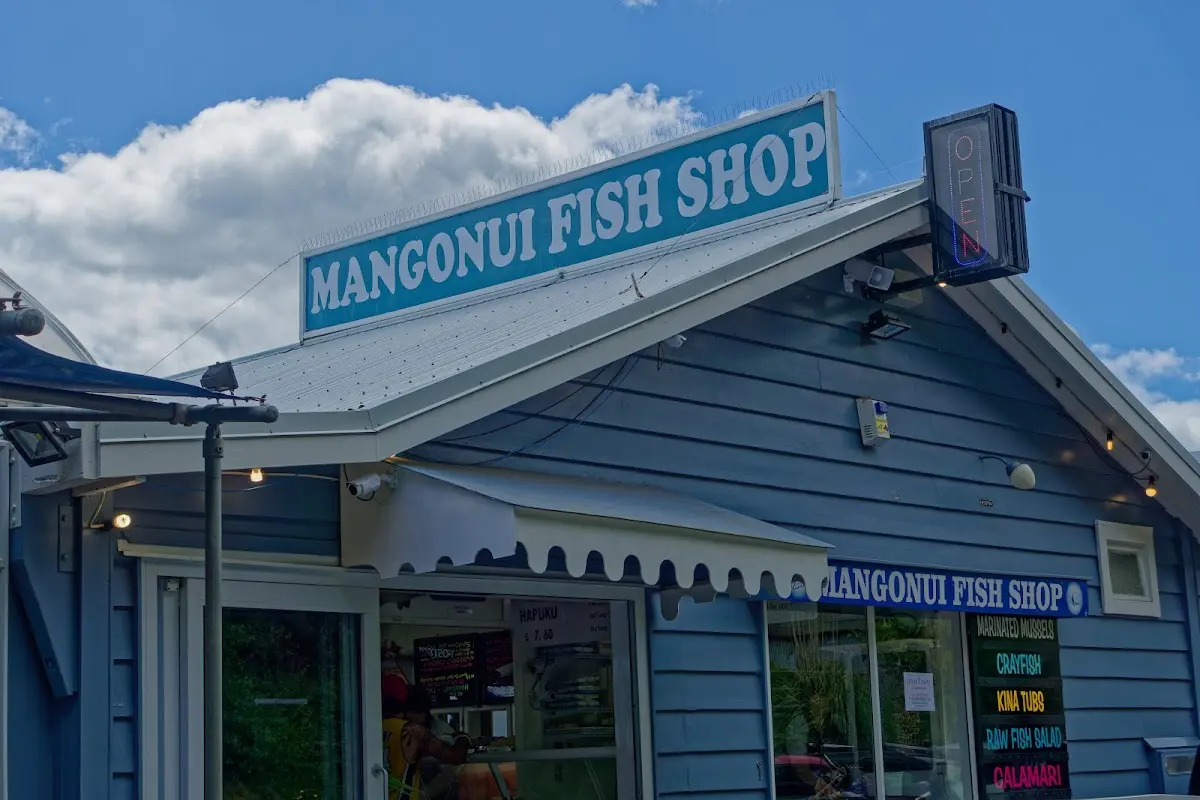
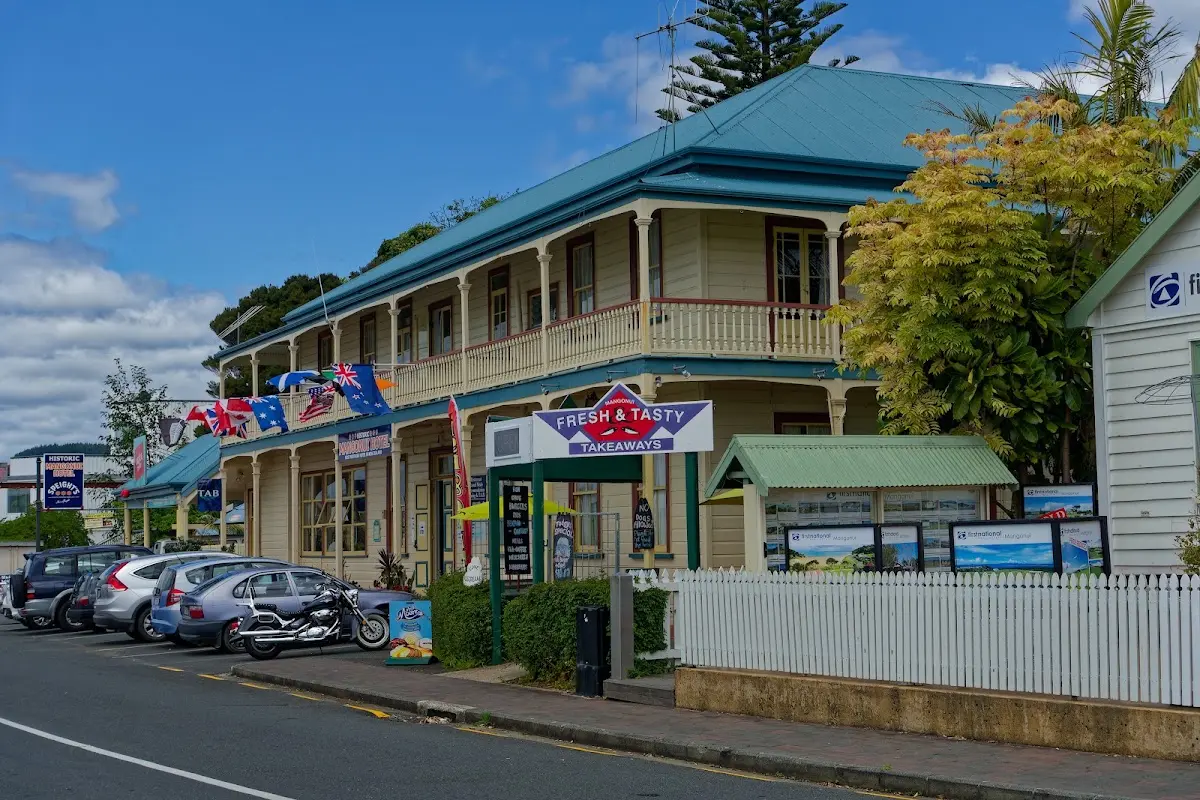
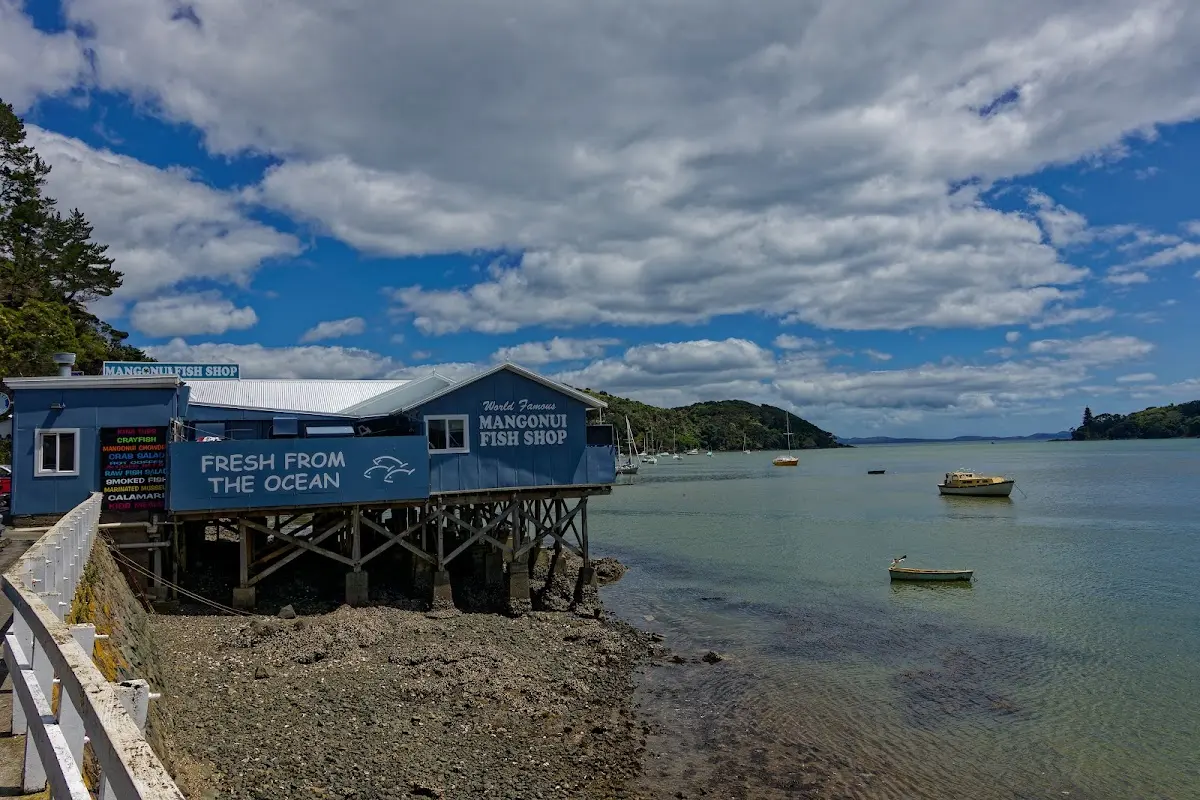
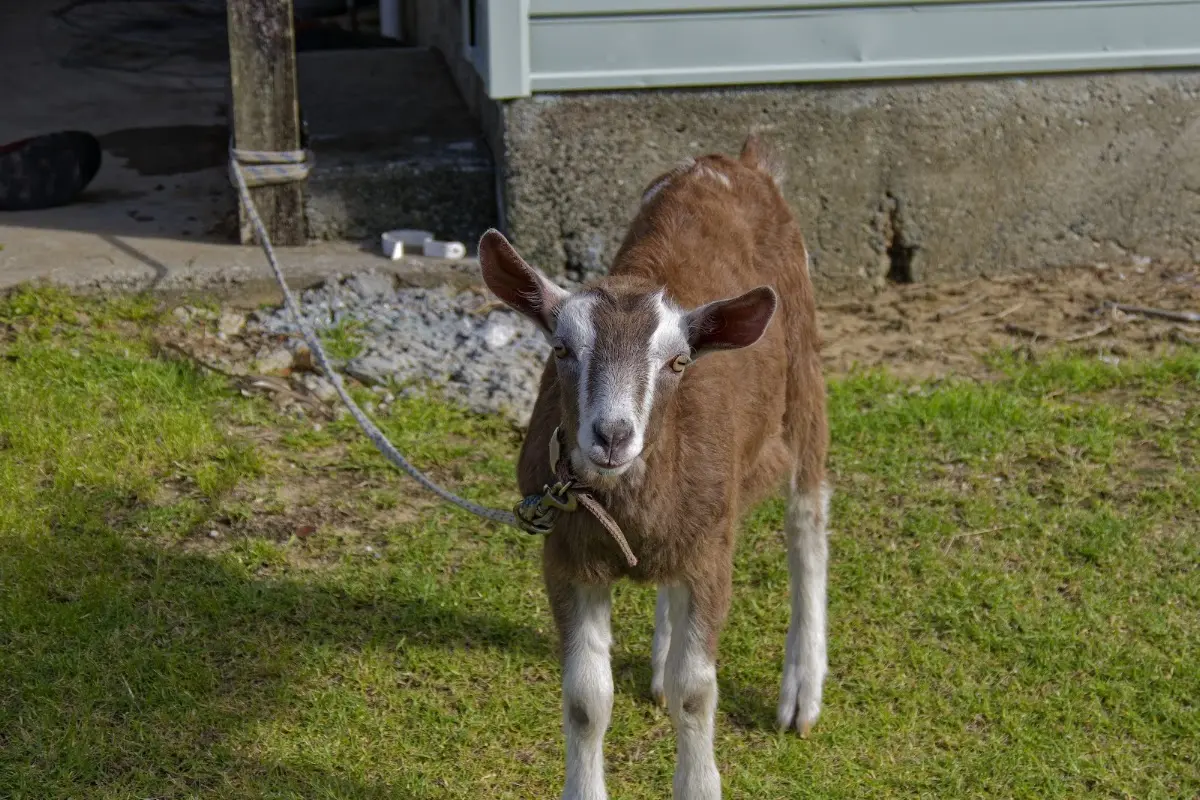
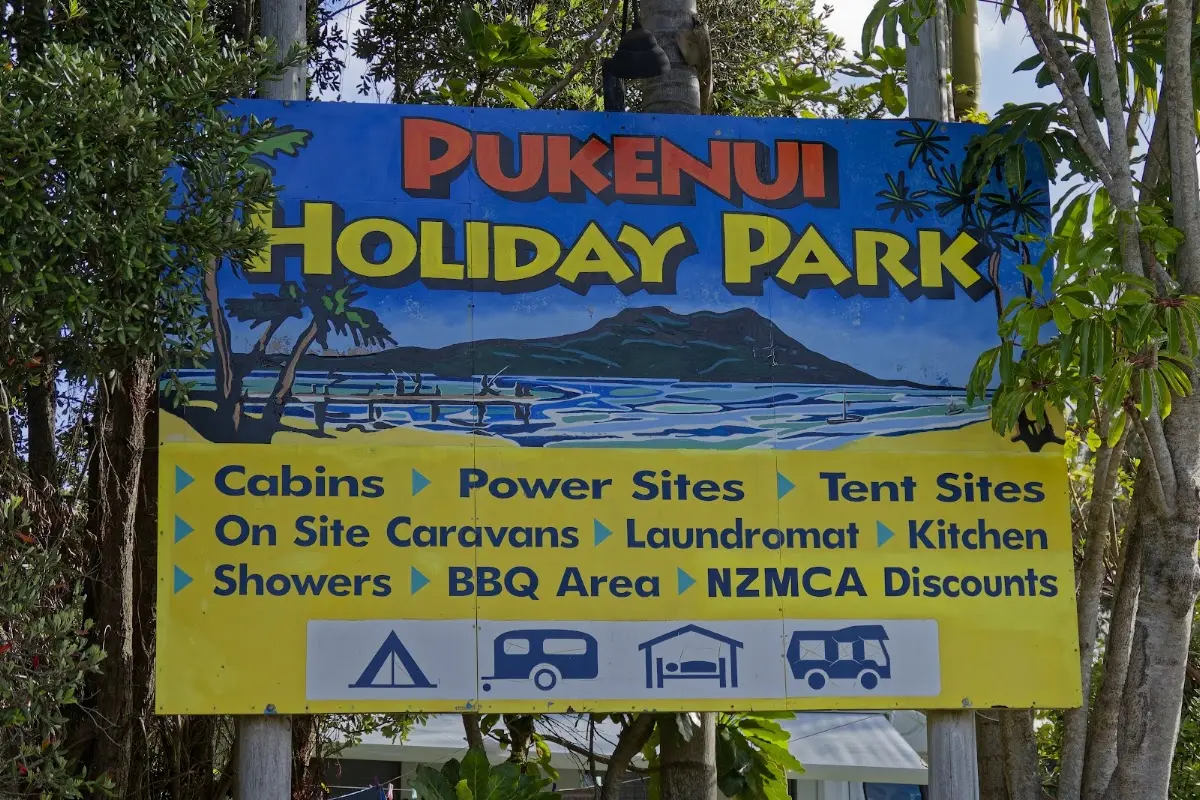
Mangōnui: famous fish and chips right by the harbour. The hills were a bit gentler today, so the kilometres came more easily. I reached Pukenui at 4 p.m., and tomorrow it should be about 70 km to Cape Reinga, depending on the wind. It was a holiday, and the wind was strong today. The coastline was less spectacular than before, with more farmland, and traffic got lighter farther north. The campsite was a small and pleasant farm with sheep and chickens, only four tents in all. Last night’s campsite had been bigger and beside a river. Today: 130.8 km in 7 hours, average speed 19 km/h. I should look up more at home about the gum diggers of Northland and the immigrants from Dalmatia. There is a lot of fishing up here — and a lot of fish and chips.
Mangōnui
Mangōnui, located on the west side of Mangōnui Harbour in Northland, New Zealand, is a historic settlement that developed as a service hub for whalers in the early 19th century. It later expanded into a trading port with kauri sawmills and farming, becoming the main center for the Far North by the 1860s. However, as Kaitaia rose in prominence for the kauri and kauri gum industries, Mangōnui's significance waned, with government offices moving to Kaitaia in 1918 and the local hospital closing in 1934. Despite the decline in its port activities, Mangōnui remains a fishing and farming support center and a popular tourist destination. The Taemāro Marae in Mangōnui serves as a meeting place for local hapū, reflecting the area's cultural heritage.
Kauri gum and gum diggers
Kauri gum, a resin from the kauri trees (Agathis australis), played a significant role in New Zealand's industrial history. The gum forms when resin leaks from the trees and hardens upon exposure to air, eventually fossilizing. Māori, who called it kapia, used the gum for various purposes, including as a chewing gum, fire-starter, and pigment for tattooing. The gum was also crafted into jewelry and decorative items, sometimes containing insects and plant material like amber.
Commercially, kauri gum was highly valued for its use in varnish and was exported to London and America from the mid-1840s. By the 1890s, it was a crucial component in oil varnishes, with 70% of all oil varnishes made in England using kauri gum. Although its market declined with the advent of synthetic alternatives in the 1930s, it remained in demand for niche uses like jewelry and high-grade varnish for violins. Kauri gum was Auckland's main export in the late 19th century, with a peak export of 11,116 tons in 1899.
The gum varied in color and size, with the most prized being pale gold, hard, and translucent. It was primarily found in Northland, Coromandel, and Auckland, where kauri forests once thrived. Initially, gum was easily accessible on the ground, but as surface supplies dwindled, people began digging for it, often in swamps and hillsides. This led to the emergence of gum-diggers, who worked in challenging conditions to extract the resin.
Gum-digging became a major source of income for settlers in Northland, attracting a diverse workforce, including Māori, European settlers, and Dalmatians. The work was hard and poorly paid, but it provided a livelihood for many. By the 1890s, 20,000 people were engaged in gum-digging, with 7,000 working full-time. The industry was regulated by the Kauri Gum Industry Act of 1898, which reserved gum-grounds for British subjects.
Gum-diggers sold their finds to local buyers, who transported the gum to Auckland for export. Major export firms in Auckland employed workers to grade and prepare the gum for shipment. The gum was primarily exported to America and London, with smaller amounts sent to other countries. Despite its decline, the legacy of kauri gum remains an integral part of New Zealand's cultural and economic history.