Ireland - A Ferry Tale
Mon Jun 1 - from Dublin to Llechrwd
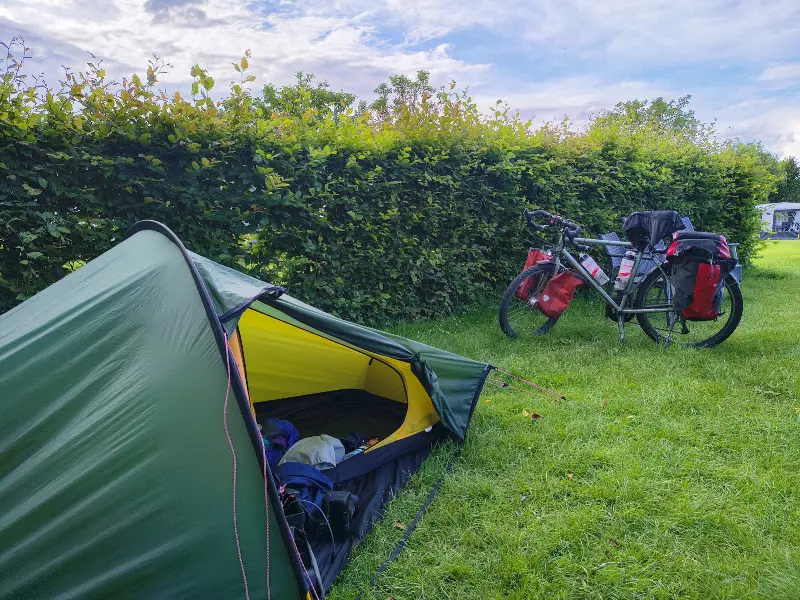
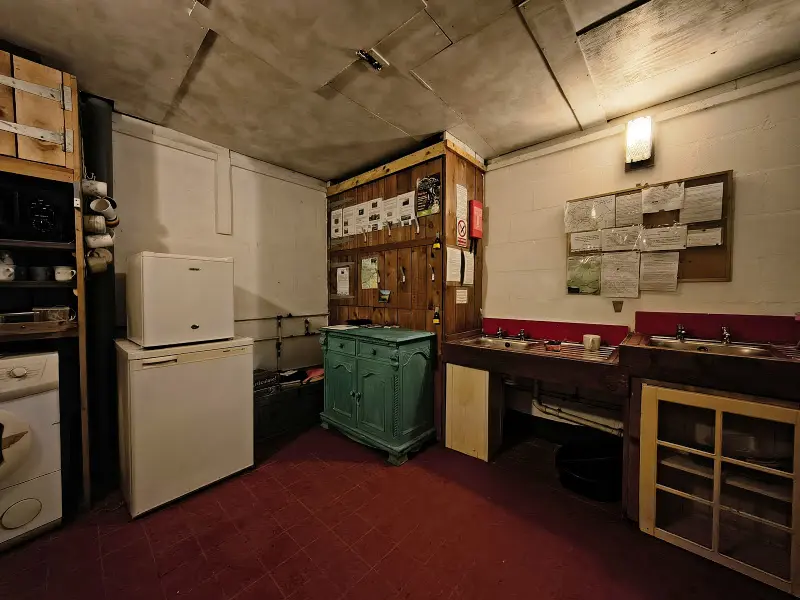
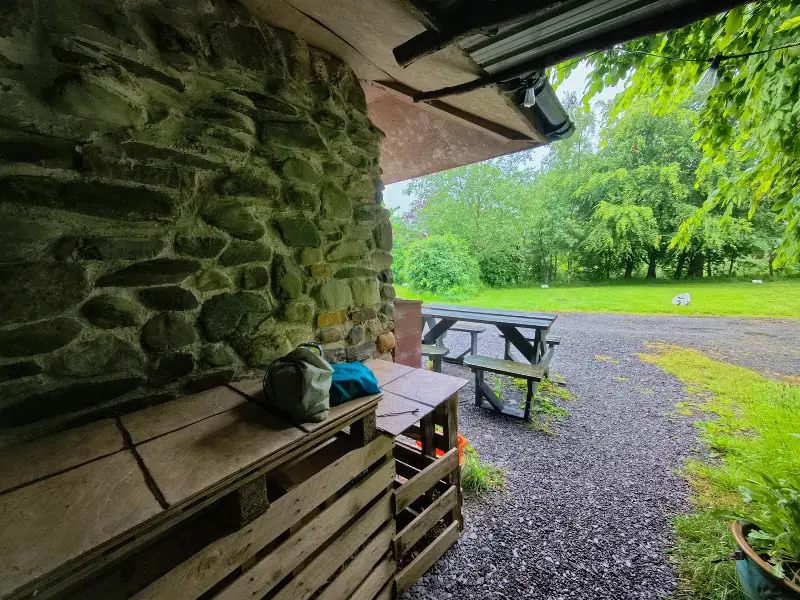
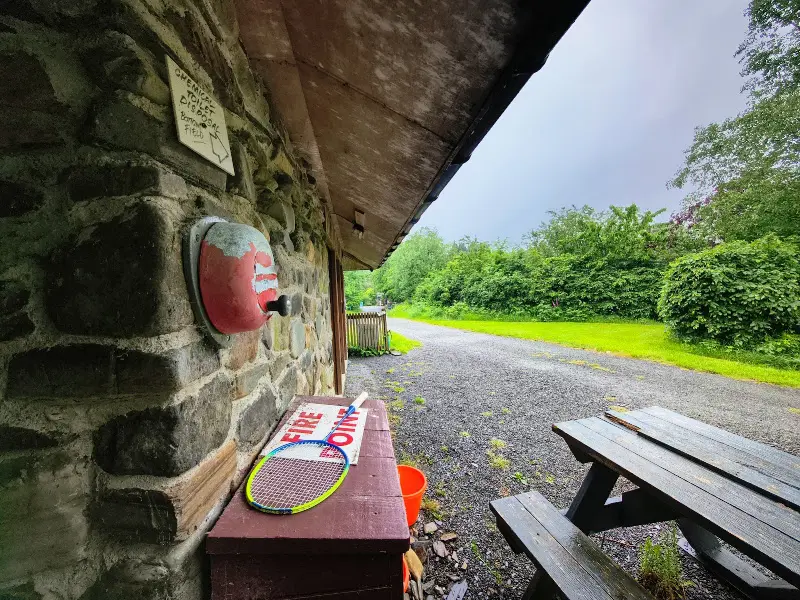
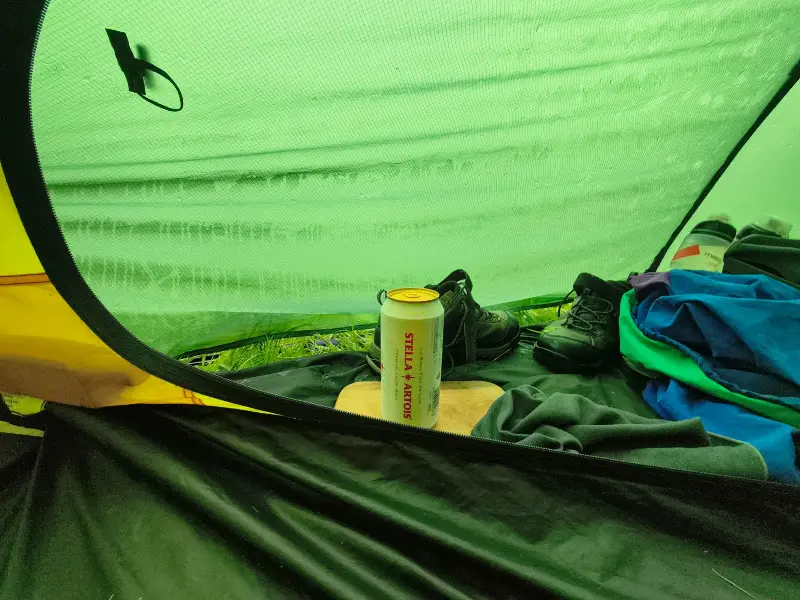
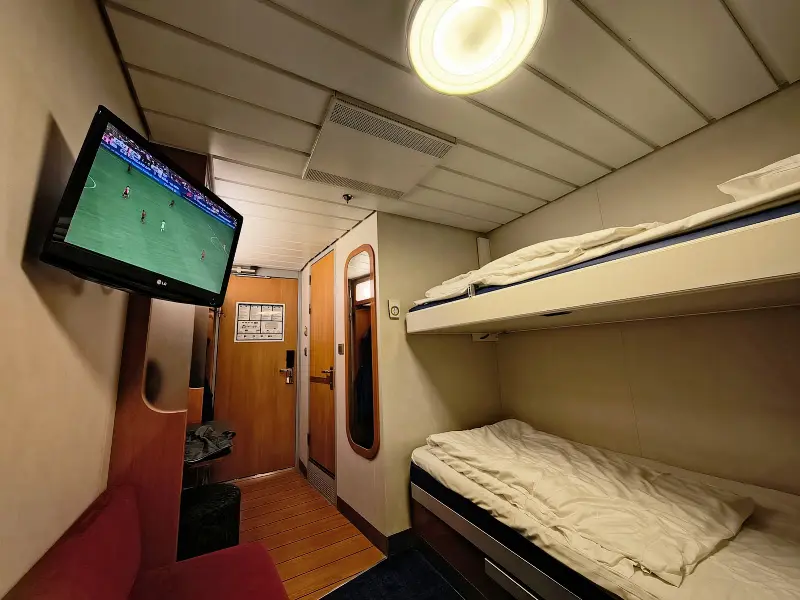
Wales. I got a bit of sleep on the ferry — two of the three and a half hours, I guess. Disembarking and everything else took until 3 a.m. Then two more hours getting changed back into my cycling outfit, though most of the time I was listening to Prof. van Dusen — two of his early cases in New York. At 5 a.m. I started cycling. I took it slowly and was surprised by the number of steep hills I had to climb. Thirty minutes after I started, the rain began and never really stopped. No pictures today. The landscape later on was impressive, but the fog did not reveal too much. I arrived at a small campsite on a farm around lunchtime to catch up on some sleep. The tent was pitched during a period of less rain. After a shower, the forecast was heavy drops for the next three hours. I did not even have to buy that beer — some campers gave it to me voluntarily.
Wales
Wales is one of the four countries of the United Kingdom, lying to the west of England and bordered by the Irish Sea, the Bristol Channel and the Celtic Sea. It is a land of mountains, uplands, valleys and a long, indented coastline. Much of its landscape is rural and exposed, with three national parks: Eryri / Snowdonia in the north, Bannau Brycheiniog / the Brecon Beacons in the south, and the Pembrokeshire Coast in the west. For a cyclist arriving by ferry at Holyhead, Wales can make an immediate impression: steep roads, stone walls, sheep pastures, sea views, rain, wind and mountains often arrive before much sleep has been recovered from the crossing.
Wales has a distinct history, language and culture. The Welsh language, Cymraeg, is one of the oldest living languages in Europe and remains an important part of national identity, especially in the north and west. Many places now use both Welsh and English names officially, and Welsh is visible on road signs, public buildings and in education. The country has a strong tradition of poetry, music, choral singing, rugby, mining communities and local identities shaped by valley, coast and mountain.
Historically, Wales was made up of several native kingdoms before coming under increasing Norman and English pressure from the 11th century onwards. Edward I’s conquest in the late 13th century brought Wales under English control, symbolised by the great ring of castles such as Caernarfon, Conwy, Harlech and Beaumaris. The Laws in Wales Acts of the 16th century formally incorporated Wales into the Kingdom of England’s legal and administrative system. Despite this political integration, Welsh culture and language survived strongly, especially in rural and mountainous areas.
Wales has a special position within the United Kingdom. It is not an independent state, but it is more than just a region of England. Since devolution at the end of the 20th century, Wales has had its own parliament, the Senedd, and a Welsh Government based in Cardiff. The Senedd has powers over areas such as health, education, transport, housing, local government, agriculture, the environment and aspects of culture and language policy. Other matters, including defence, foreign policy, immigration and much taxation, remain controlled by the UK Parliament and government in Westminster.
This creates a layered political identity. People in Wales are citizens of the United Kingdom, but Wales also has its own national institutions, symbols and public life. The Welsh flag with the red dragon, the celebration of St David’s Day, the national anthem Hen Wlad Fy Nhadau, and the official status of the Welsh language all express a distinct Welsh identity inside the UK. In recent decades, devolution has strengthened this sense of separate political life, even while Wales remains closely connected economically, legally and historically with England and the wider United Kingdom.
Tue Jun 2 - from Llechrwd to England
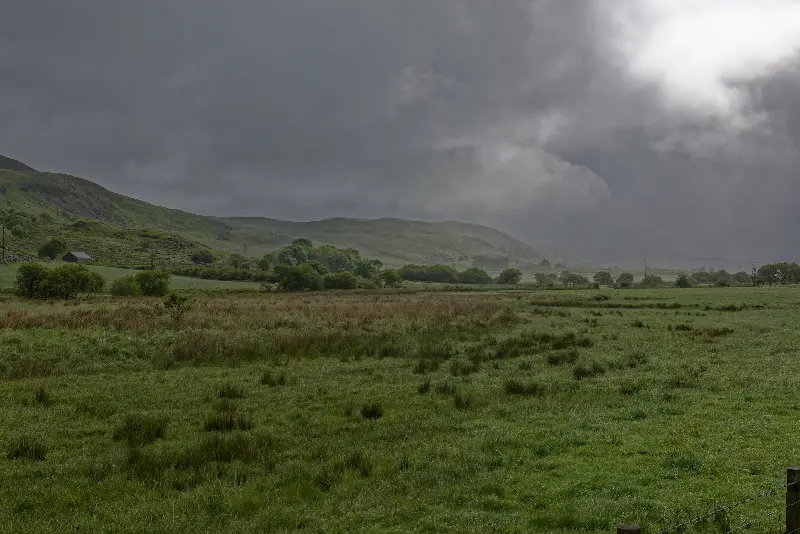
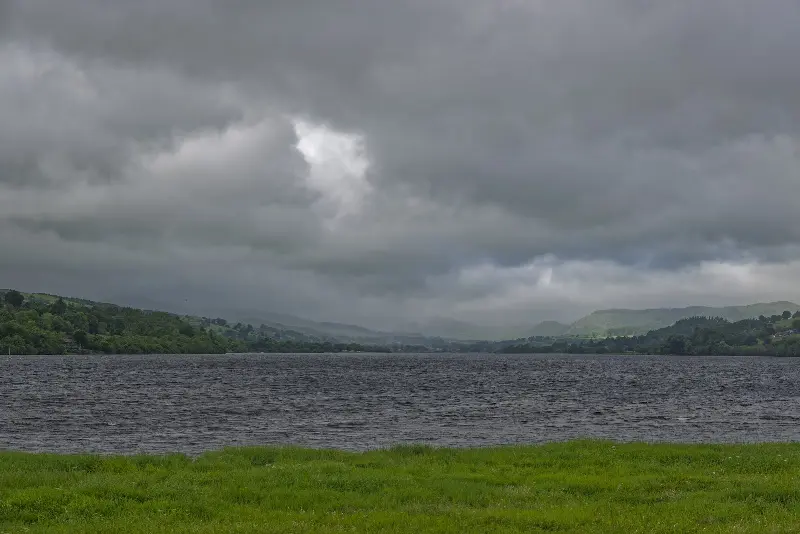
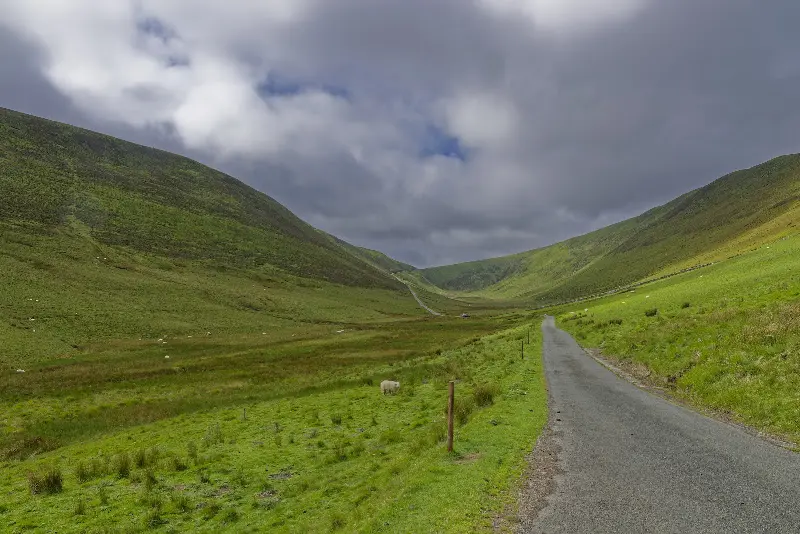
The day started with rain, but I picked a 15-minute window with less rain to pack my stuff. Many steep hills today in Wales, including some major ones. The weather cleared up — I never thought it would — at about 1 p.m. In the evening I left Wales for a campsite uphill. A few pictures from today; in the morning it was difficult, but the landscape would have been great.
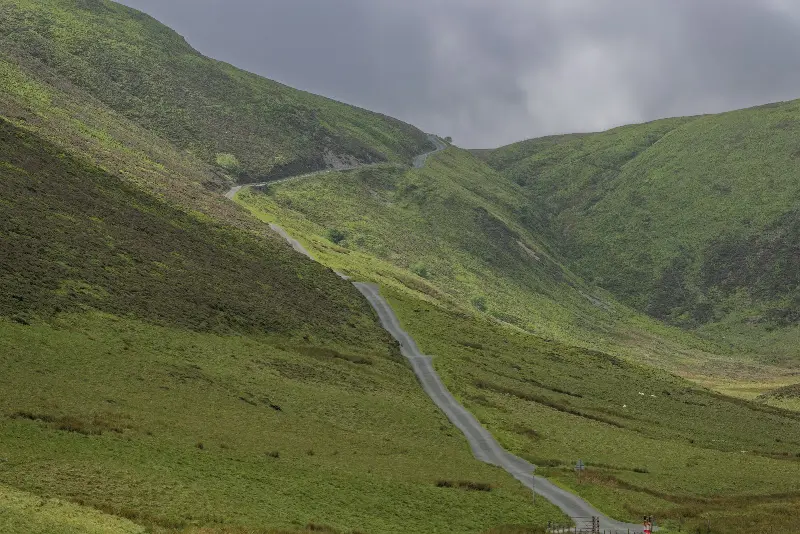
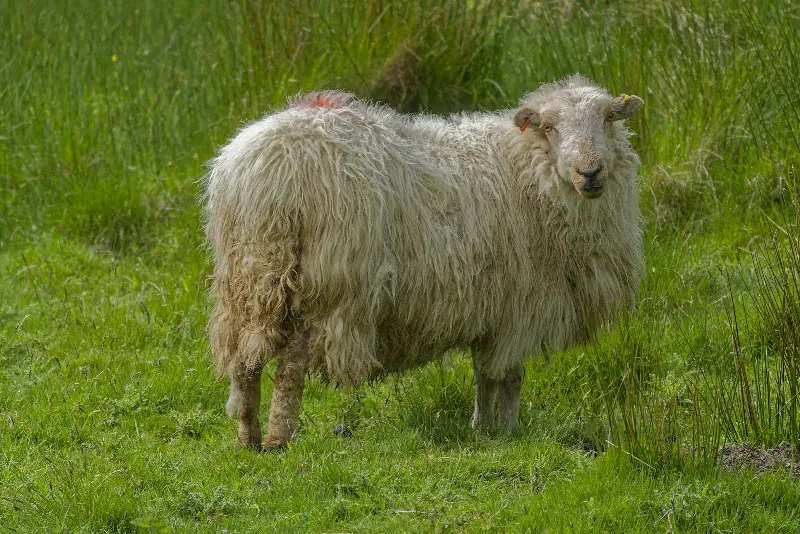
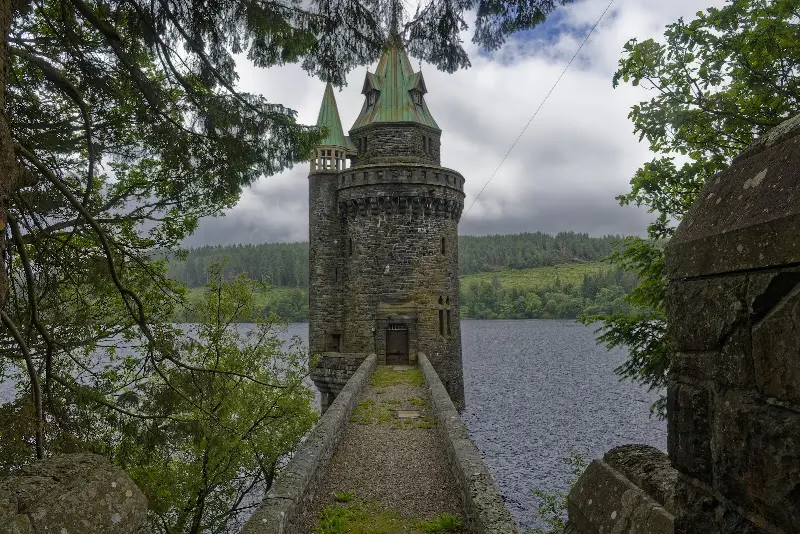
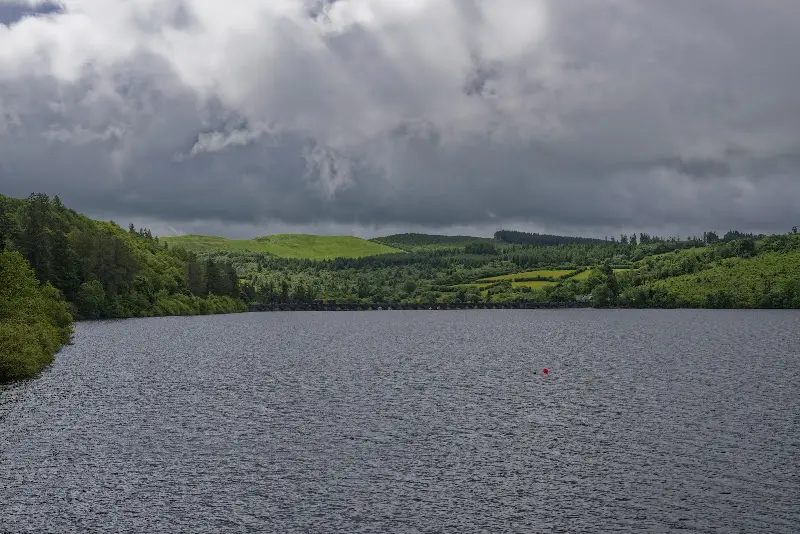
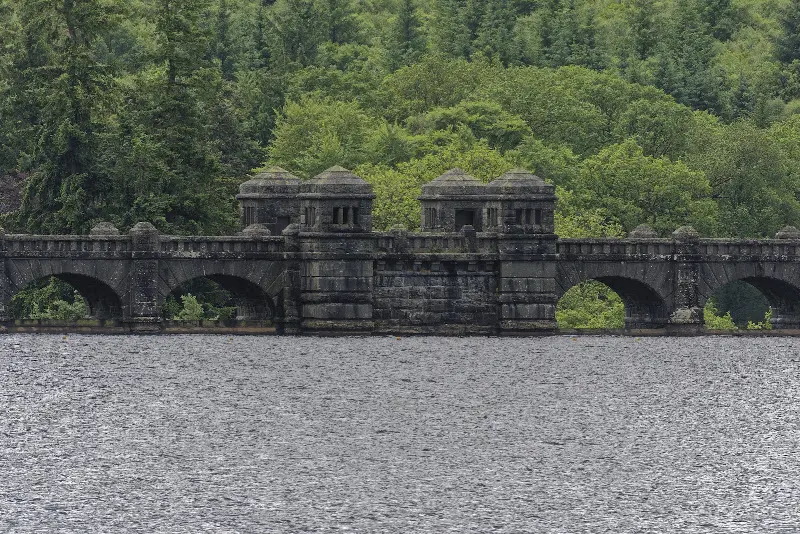
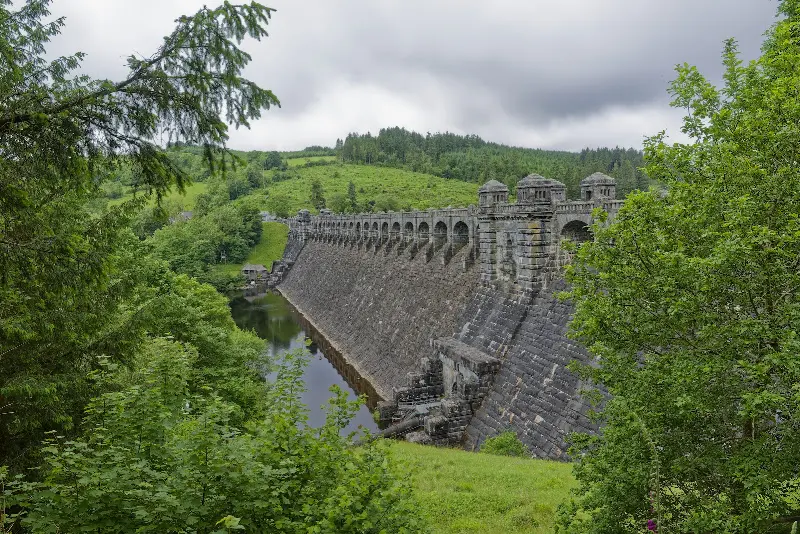
From Cwm Cynfal to Bala, Lake Vyrnwy and Llanfyllin
This stage crossed a very Welsh mixture of upland roads, lakes and valleys, beginning around Cwm Cynfal, near Ffestiniog. The name cwm means valley in Welsh, and Cwm Cynfal is part of the rugged landscape of southern Eryri / Snowdonia, where rivers, wooded ravines, waterfalls and steep hills shape the terrain. Viewpoints in this area look out over a landscape that can change quickly with the weather: green slopes, dark cloud, mist, stone walls and sudden openings towards the wider mountains.
Further east lies Bala, or Y Bala, a small town in Gwynedd at the northern end of Llyn Tegid. The lake is the largest natural lake in Wales, about 6 km long, and is strongly associated with Welsh language and culture; Bala is one of the areas where Welsh remains widely spoken in everyday life. Llyn Tegid is also linked to legend, including stories of the drowned kingdom of Tegid Foel beneath the lake. Today it is used for sailing, kayaking and walking, but for a cyclist it is also a striking landmark after the hillier roads of Snowdonia.
Lake Vyrnwy, further south-east in Powys, is very different in origin. Unlike Llyn Tegid, it is not a natural lake but a Victorian reservoir, created in the 1880s to supply water to Liverpool. The project flooded the old village of Llanwddyn, whose inhabitants were moved to a newly built settlement nearby. The great stone dam, completed in the late 19th century, was an impressive engineering achievement of its time, and the Gothic-style water tower rising from the reservoir has become one of the most recognizable images of Lake Vyrnwy.
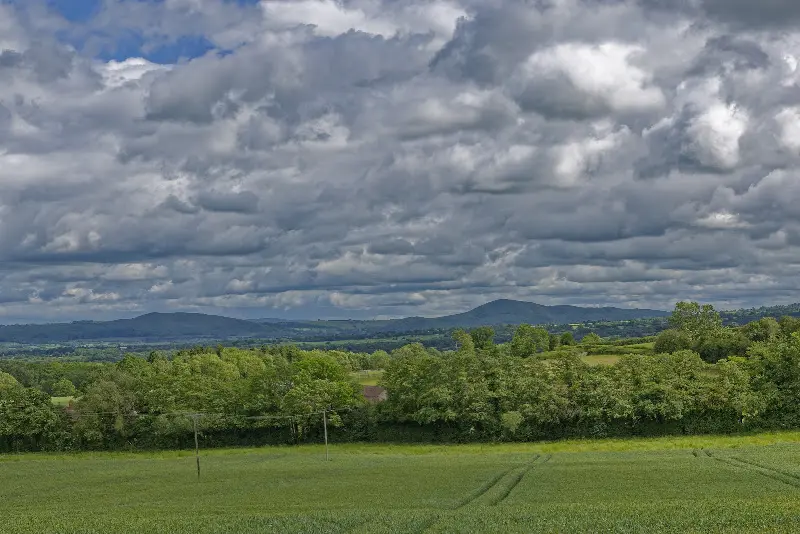
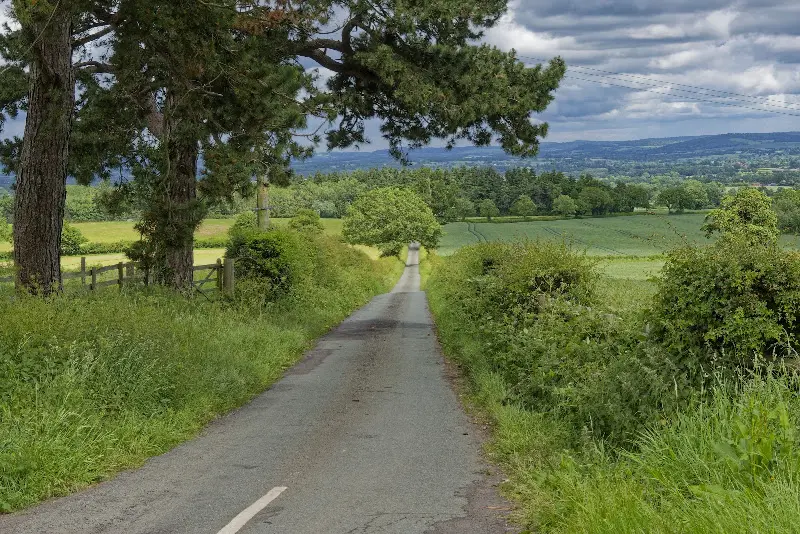
The road then leads towards Llanfyllin, a small market town in north Powys, close to the English borderlands. Its name means “church of St Myllin,” and the town developed as a local centre for the surrounding farming area. Llanfyllin is also known for its large former workhouse, built in the 19th century and now preserved as a community and heritage site. After the open mountains and engineered drama of Lake Vyrnwy, Llanfyllin marks a transition into the quieter border country of eastern Wales, with smaller valleys, farms and old market towns.
Wed Jun 3 - from England to Cotswold
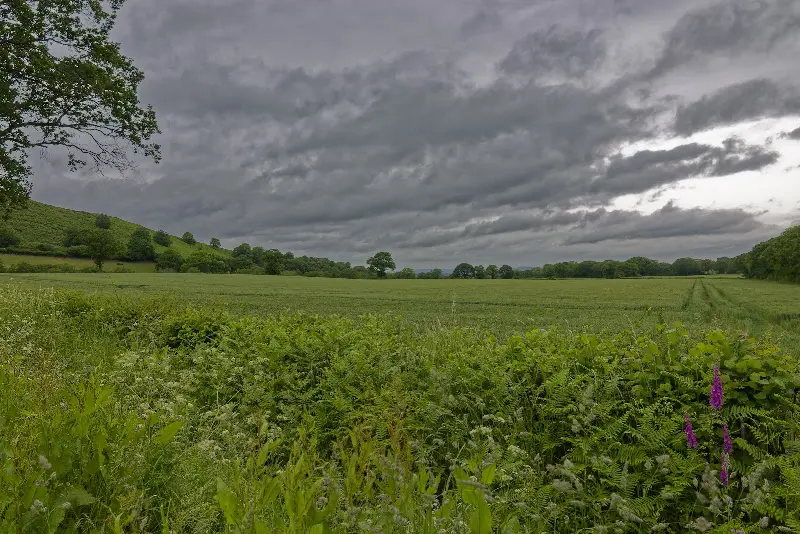
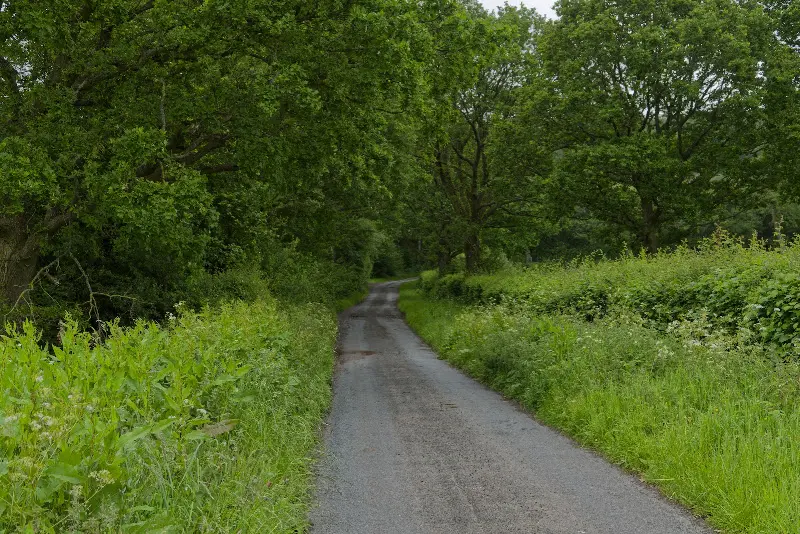
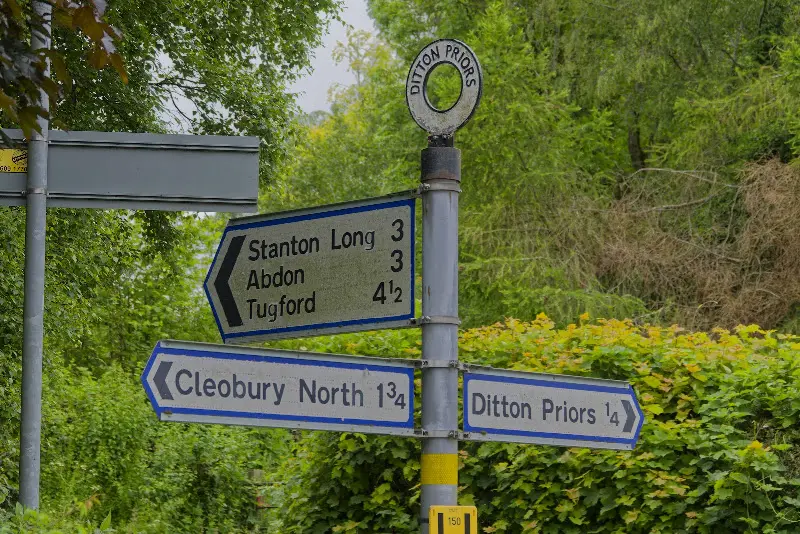
Quite a bit of rain during the day again. I entered the Cotswolds — Miss Marple’s England. It was very rural for most of the day, and the roads were often single-lane with passing places. Not much traffic, but still risky. I saw two accidents today on such roads. Another time, a group of about twelve Porsche drivers seemed to be holding a race.
The Cotswolds
The Cotswolds are a range of gentle limestone hills in south-central England, stretching across parts of Gloucestershire, Oxfordshire, Warwickshire, Wiltshire and Worcestershire. The area is known for rolling countryside, dry-stone walls, small valleys, market towns and villages built from warm, honey-coloured Cotswold stone. Much of the region is protected as a National Landscape, formerly known as an Area of Outstanding Natural Beauty, and it is often seen as one of the classic images of rural England.
The landscape owes much of its character to the underlying Jurassic limestone. This stone was used for houses, churches, walls and barns, giving Cotswold villages their distinctive colour and unity. The high ground forms a broad escarpment, with views west towards the Severn Valley, while the eastern side falls more gently towards Oxfordshire and the Thames basin. For a cyclist, the Cotswolds can be deceptive: the hills are not high, but the roads often climb and dip repeatedly, sometimes on narrow lanes with hedges and limited visibility.
Historically, the Cotswolds became wealthy through the medieval wool trade. The local “Cotswold Lion” sheep produced high-quality wool, and prosperous merchants built fine churches, manor houses and market halls in towns such as Chipping Campden, Stow-on-the-Wold, Burford, Tetbury and Cirencester. Many of these places still preserve their historic street plans and stone architecture. The region’s churches are sometimes called “wool churches” because they were funded by profits from the wool industry.
Today the Cotswolds are both a lived-in rural region and a major tourist destination. Visitors come for village walks, gardens, pubs, antique shops and the sense of old England preserved in stone. Yet behind the postcard image there are working farms, busy roads, commuter villages and modern pressures on housing and tourism. On a wet cycling day, the Cotswolds may feel less like a gentle television landscape and more like a maze of narrow lanes, steep little climbs, blind bends and stone villages appearing out of the rain.
Pershore Abbey
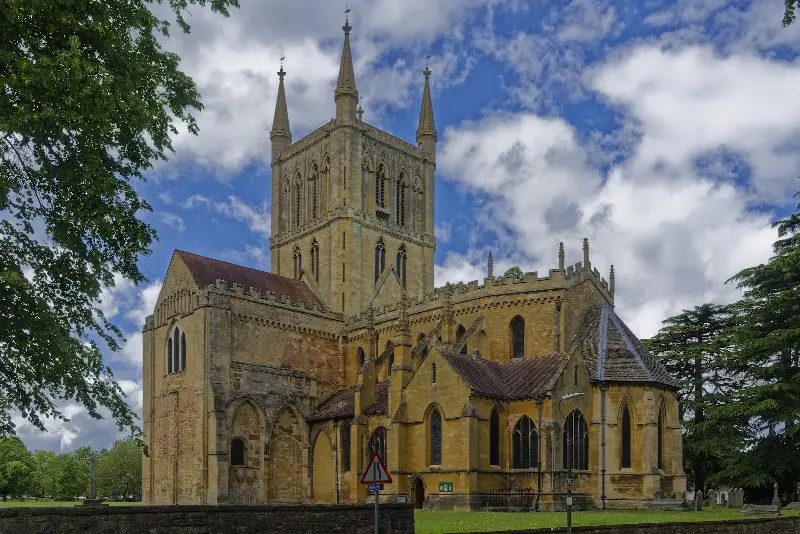
Pershore Abbey, now the Anglican Church of the Holy Cross, is a former Benedictine abbey in the town of Pershore, Worcestershire. Its origins go back to the Anglo-Saxon period, probably to a minster foundation of the 7th century, though the early history is difficult to reconstruct because later fires destroyed much of the abbey’s archive. In the 10th century Pershore was re-established as part of the Benedictine reform movement under King Edgar and Bishop Oswald of Worcester. The monastery suffered from political upheaval, loss of lands and a major fire around 1002, but was restored with the support of powerful patrons, including the nobleman Odda of Deerhurst in the 11th century.
The surviving church gives only a partial impression of the original abbey, which was much larger before the Reformation. After the Dissolution of the Monasteries in 1539–1540, large parts of the building were demolished, but the tower, choir and south transept were preserved for use as the parish church. Much of the present structure dates from the great rebuilding that began around 1100, with later medieval additions and Victorian restoration by George Gilbert Scott in the 19th century. The tall central tower and spacious choir remain the most impressive features, making Pershore Abbey one of the notable surviving monastic churches of the English Midlands.
Thu Jun 4 - from Cotswold via Oxford to Bletchley
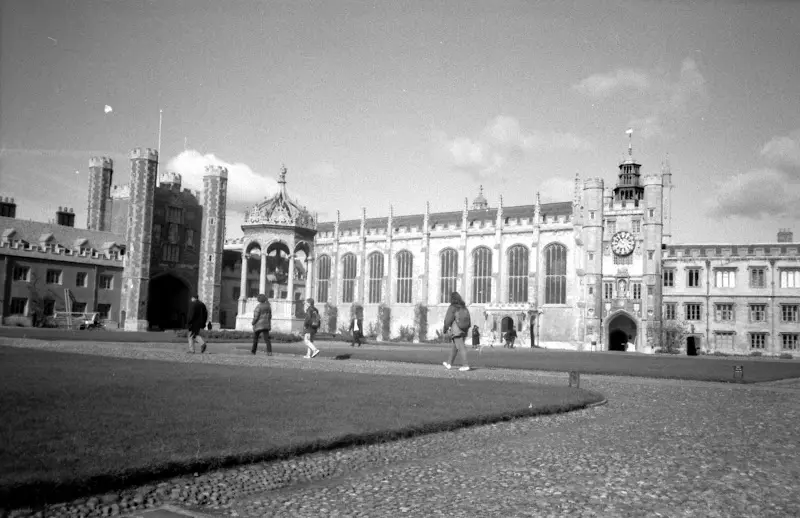
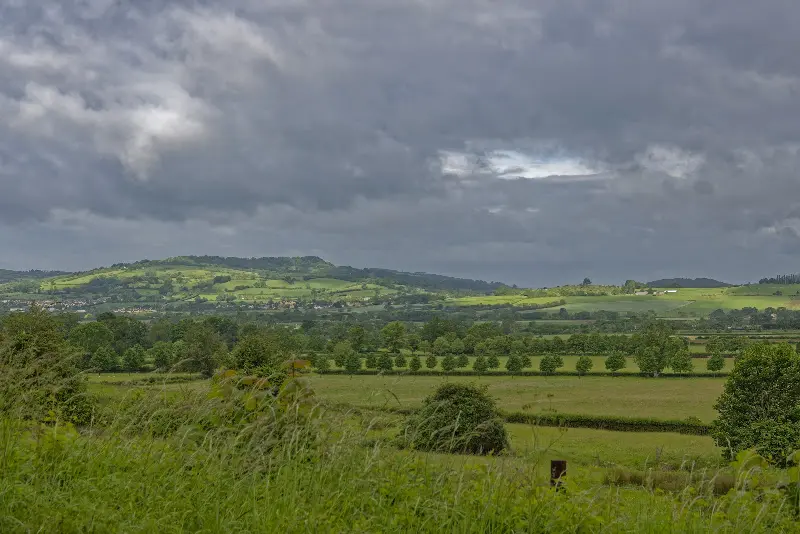
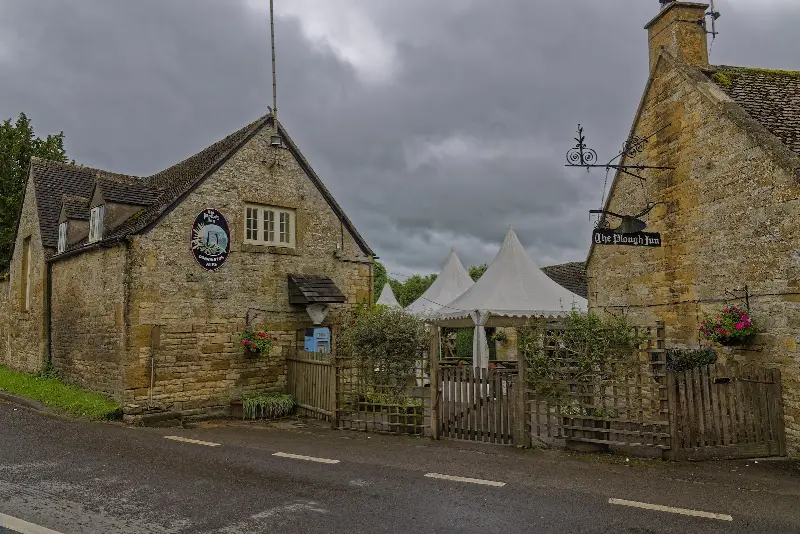
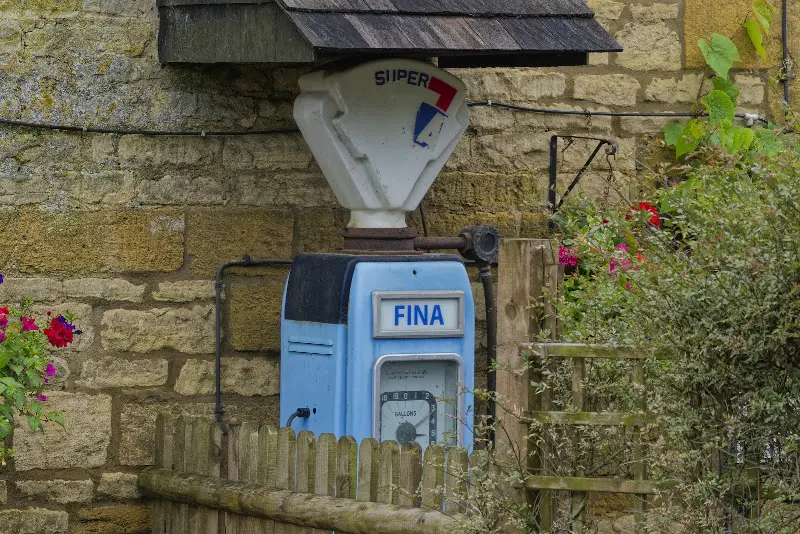
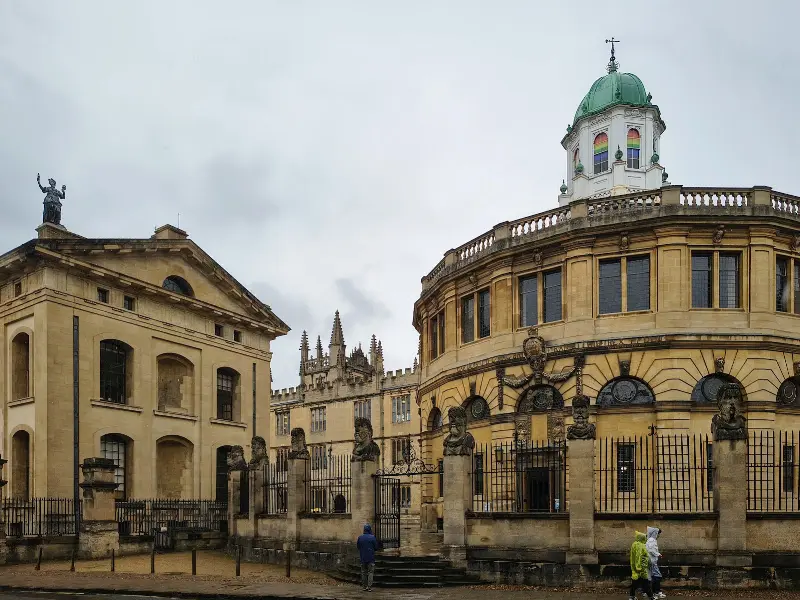
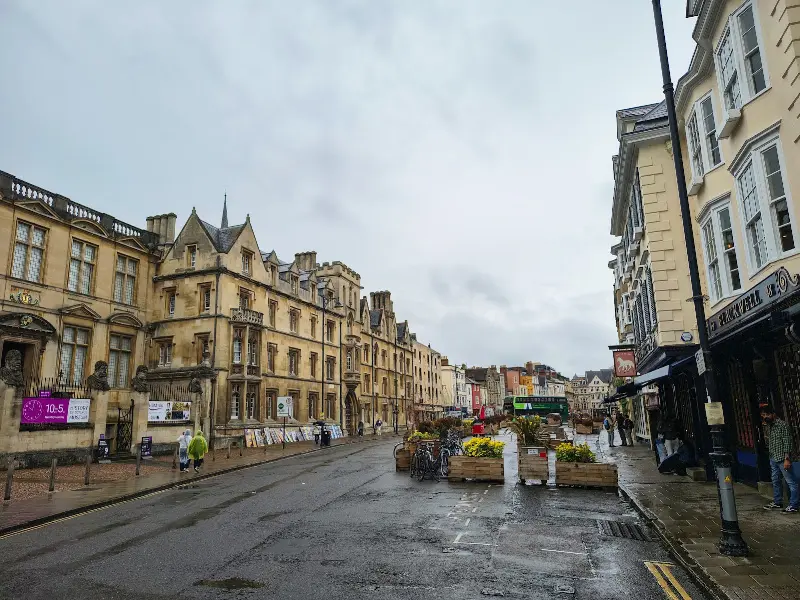
Early start again. The little shop around the corner was open at 6:30 a.m. Many supermarkets open at 9, so I had — rare on this trip — a start with coffee. Oxford in heavy rain. I just used my smartphone for a snapshot, then continued another 60 km to Bletchley, home of the codebreakers and Enigma.
Oxford
Oxford is one of England’s most famous historic cities, situated on the rivers Thames, locally known as the Isis, and Cherwell. It is the county town of Oxfordshire and is best known as the home of the University of Oxford, the oldest university in the English-speaking world. Teaching existed in the city by the late 11th or early 12th century, and the university developed over the medieval period into a federation of self-governing colleges, halls and academic institutions. This long academic history has shaped the city’s architecture, economy and identity.
The historic centre of Oxford is marked by its colleges, libraries, churches, quadrangles and towers, built in a mixture of medieval, Renaissance, classical and Gothic Revival styles. The poet Matthew Arnold famously called the city “the city of dreaming spires,” a phrase that still captures the view of its skyline from the surrounding meadows. Important landmarks include the Bodleian Library, Radcliffe Camera, Sheldonian Theatre, University Church of St Mary the Virgin, Christ Church, Magdalen College, All Souls College and the Bridge of Sighs. Many of these buildings are closely linked to the ceremonial and intellectual life of the university.
Oxford has also been an important place in English religious, political and literary history. During the English Civil War it served as the Royalist capital after King Charles I left London. In the 19th century the Oxford Movement began here, influencing Anglican theology and church life. The city has been associated with writers and thinkers such as Lewis Carroll, J. R. R. Tolkien, C. S. Lewis, Oscar Wilde, Dorothy L. Sayers, W. H. Auden and many others. Its colleges and streets have also provided settings for novels, films and television.
Today Oxford is both a university city and a busy modern urban centre. Alongside its academic institutions it has hospitals, research centres, publishing, technology and tourism. The city also has a strong cycling culture, partly because of its student population and compact centre, though traffic, buses and narrow streets can make cycling through it less peaceful than the postcard image suggests. For a traveller arriving in heavy rain, the famous spires may appear only briefly between showers, but Oxford still remains one of the classic historic stops on a route across southern England.
Bletchley and codebreaking
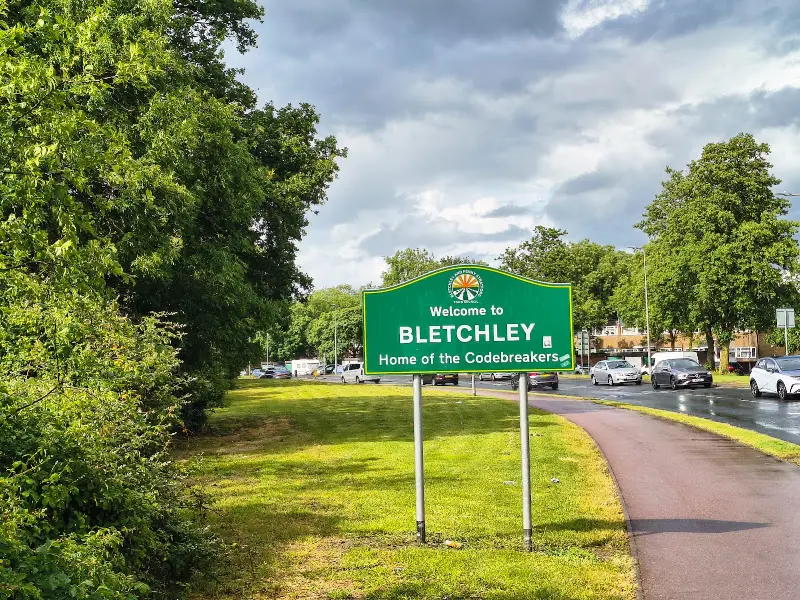
Bletchley is a town in Buckinghamshire, now part of Milton Keynes, but it is known internationally because of Bletchley Park. The estate became the central site of British codebreaking during the Second World War, when the Government Code and Cypher School moved there in 1939. Its location was practical: close to railway links between London, Oxford and Cambridge, but away from the capital and less exposed to bombing. From this rather ordinary country-house estate, one of the most important intelligence operations of the war was organised.
The best-known work at Bletchley Park concerned the breaking of German Enigma-encrypted messages. Enigma machines were used by the German armed forces to encipher military communications, and their settings changed regularly, making the task extremely difficult. British codebreakers, building on earlier Polish breakthroughs, developed mathematical, linguistic and mechanical methods to read large quantities of encrypted traffic. The electromechanical “Bombe” machines, improved under the direction of Alan Turing and Gordon Welchman, helped test possible Enigma settings at speed.
Bletchley Park was not only about Enigma. It also attacked other cipher systems, including the German Lorenz cipher, used for high-level communications between Hitler and senior commanders. Work on Lorenz led to the development of Colossus, one of the world’s first electronic digital programmable computers, designed by Tommy Flowers and used at Bletchley from 1944. The intelligence produced there was known as “Ultra” and was distributed under strict secrecy to Allied commanders. It contributed to major areas of the war, including the Battle of the Atlantic, the North African campaign, D-Day planning and the wider strategic picture in Europe.
Thousands of people worked at Bletchley Park, including mathematicians, linguists, classicists, chess players, engineers, clerks, members of the Women’s Royal Naval Service and many others. Their work remained secret for decades after the war, and many received little public recognition during their lifetimes. Today Bletchley Park is a museum and heritage site, preserving the huts, machines and stories of the codebreakers. It is both a place of wartime history and a key landmark in the development of modern computing and information technology.
Fri Jun 5 - from Bletchley via Cambridge to a RCA Rally
Dry start this morning and only a few drops during the day. At lunchtime I was in Cambridge, revisiting places. Not many pictures taken. Another 50 km brought me close to Bury St Edmunds, to a farm with camping. Quite busy tonight because of an RCA — Retired Caravanners Association — rally. It reminds me of Landshut in the 1980s: Bloody Angels, and there is even a bingo board.
Woburn Abbey and Deer Park
Woburn Abbey is a great country house in Bedfordshire and the historic seat of the Russell family, the Dukes of Bedford. Despite its name, it is no longer an abbey in the religious sense. The estate began as a Cistercian monastery founded in 1145, but the monastic community was dissolved under Henry VIII in 1538. In 1547 the property was granted to John Russell, later Earl of Bedford, and from then on Woburn became one of the principal aristocratic estates in England. Parts of the old monastic site were incorporated into later buildings, while the name “Abbey” remained.
The present house is largely the result of major rebuilding campaigns from the 17th and 18th centuries. Francis Russell, 4th Earl of Bedford, began transforming the former abbey into a family seat in the early 1600s, and further work followed in the 18th century under architects including Henry Flitcroft, John Sanderson and Henry Holland. Woburn became known for its grand interiors, art collections and landscaped park. In 1786 John Adams and Thomas Jefferson, both later presidents of the United States, visited Woburn during their tour of English country houses.
During the Second World War, Woburn Abbey had a very different role: from 1941 it was used by the Political Warfare Executive, a secret British organisation involved in propaganda and psychological warfare. After the war the house faced serious structural problems, including dry rot, and large parts of the building were demolished. Heavy death duties also threatened the future of the estate. In 1955 the 13th Duke of Bedford opened Woburn Abbey to the public, an early and influential example of an aristocratic house turning itself into a visitor attraction in order to survive.
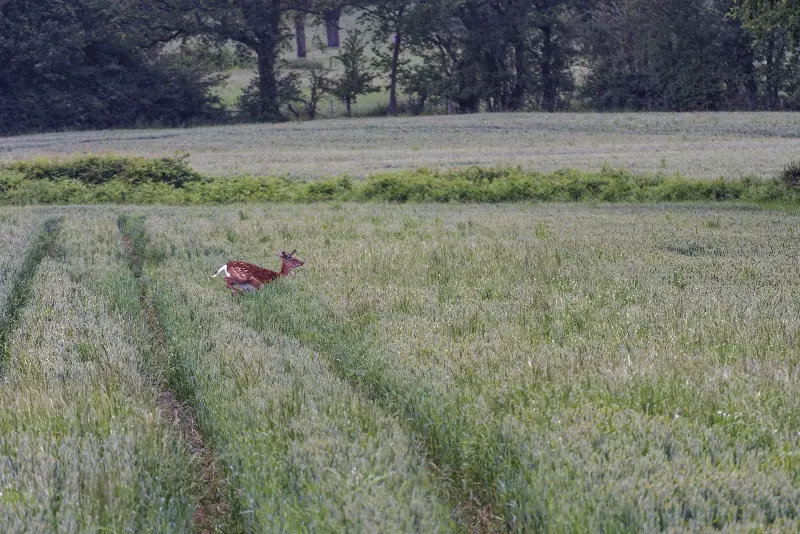
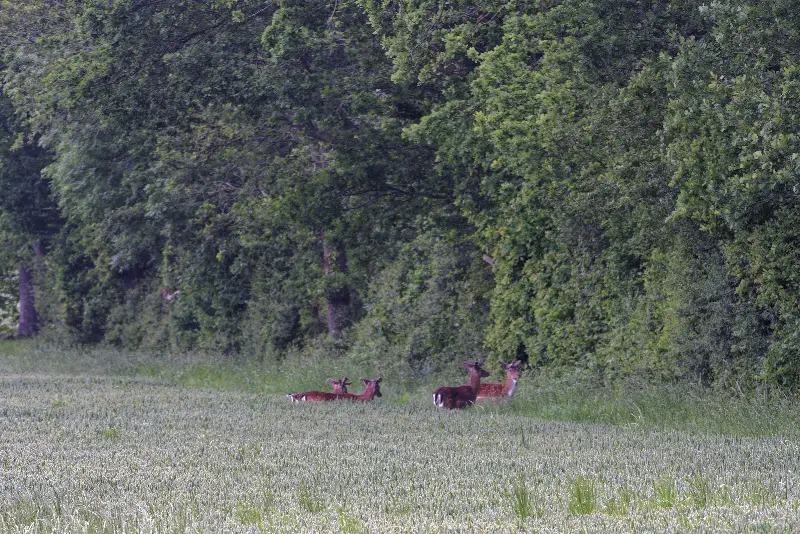
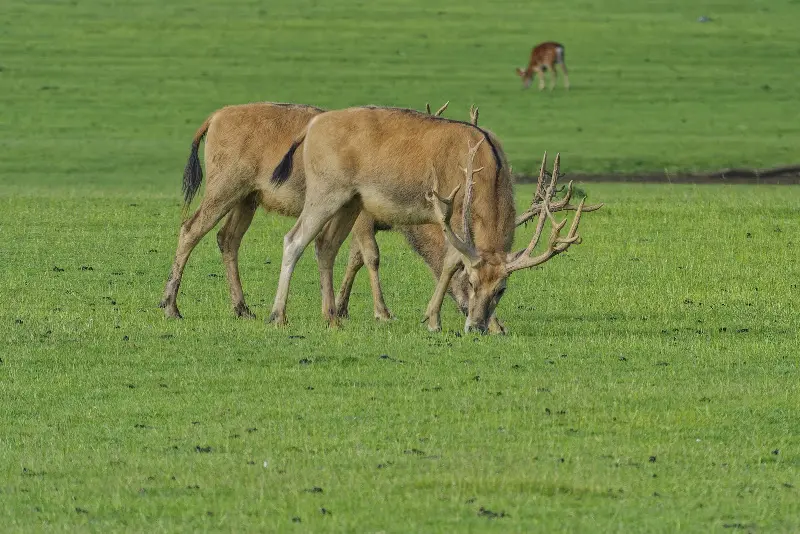
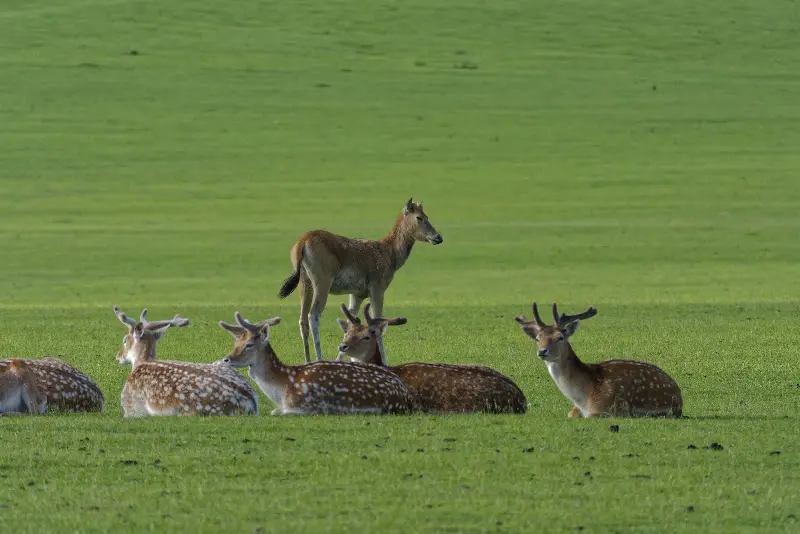
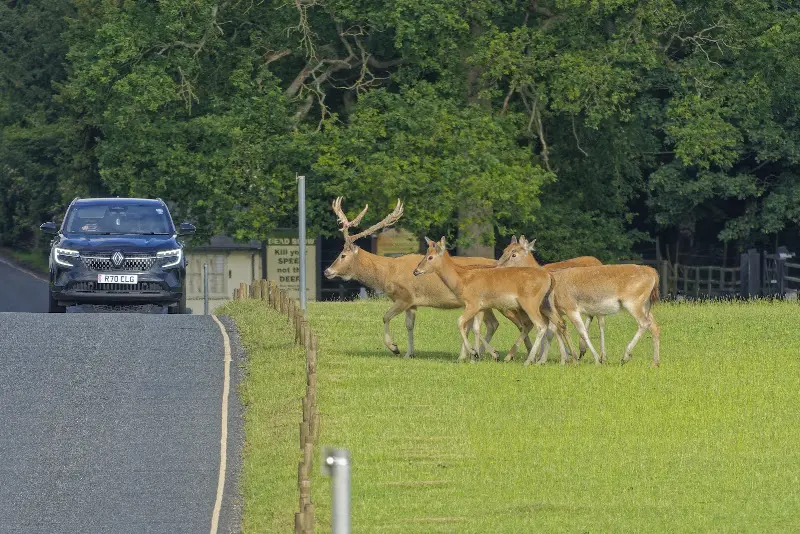
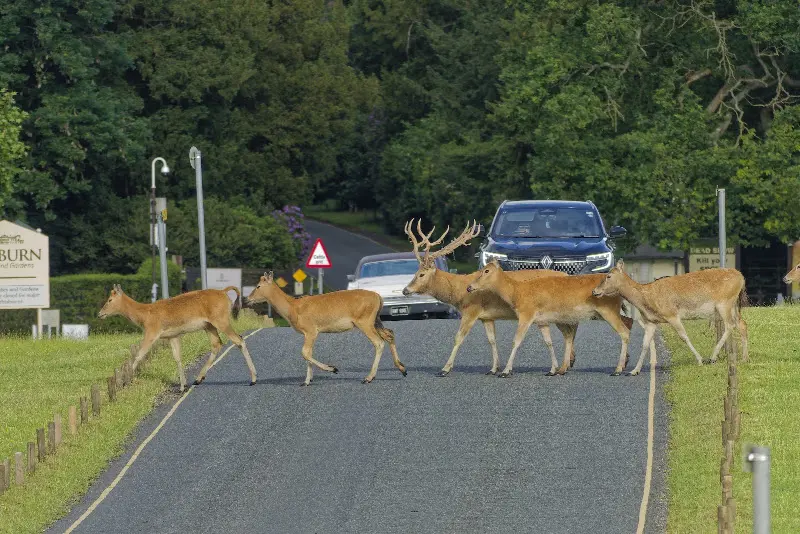
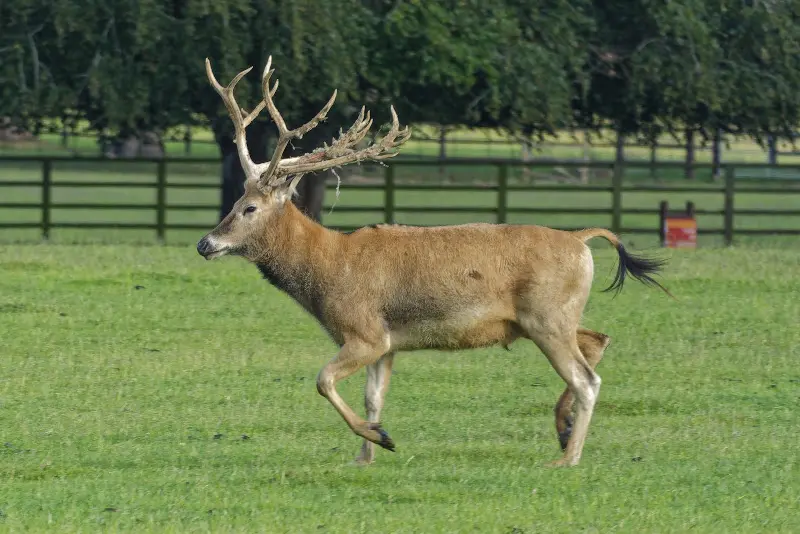
The surrounding deer park is one of Woburn’s most distinctive features. The landscape was shaped in part by Humphry Repton, the famous 18th-century landscape designer, and it became known for its large herds of deer. Woburn has played an important role in deer conservation, especially for Père David’s deer, a species native to China that became extinct in the wild but survived in captivity partly through the herd kept at Woburn. The estate is also associated with Woburn Safari Park, opened in 1970, which added a very different kind of animal landscape to the historic park. Together, the abbey, deer park and wider estate show how an English aristocratic seat has adapted from monastery to country house, wartime headquarters and modern visitor attraction.
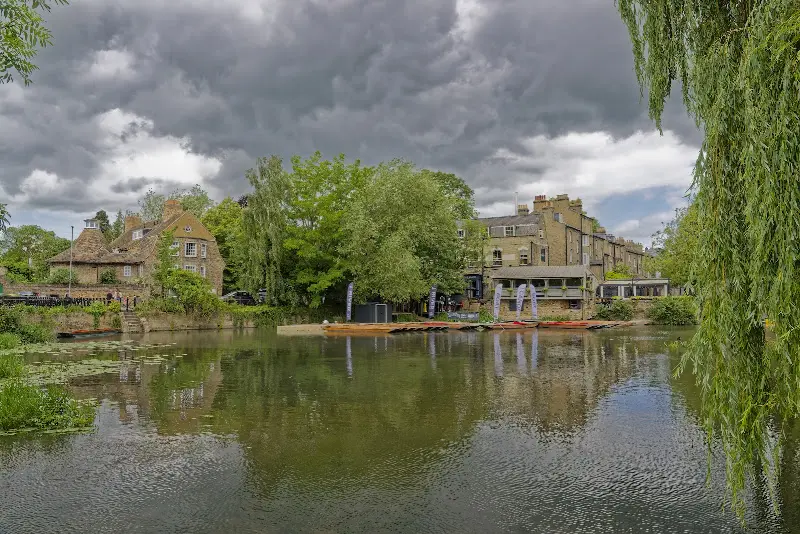
Cambridge
Cambridge is one of England’s most famous university cities, situated on the River Cam in eastern England. It is best known as the home of the University of Cambridge, founded in the early 13th century and now one of the world’s leading academic institutions. The university developed as a federation of colleges, each with its own buildings, courts, chapels and traditions. Like Oxford, Cambridge is a city where the university is not separate from the urban fabric, but woven directly into its streets, gardens, bridges and riverside spaces.
The historic centre is dominated by college architecture, especially along the area known as “The Backs,” where several colleges open onto lawns and gardens beside the River Cam. King’s College Chapel is the most famous landmark, a masterpiece of late Gothic architecture with its vast fan vaulting and stained glass. Other important colleges include Trinity, St John’s, Clare, Gonville and Caius, Queens’ and Corpus Christi. The Mathematical Bridge at Queens’ College, the Bridge of Sighs at St John’s and the Wren Library at Trinity are among the city’s well-known sights.
Cambridge has played a major role in the history of science, mathematics and ideas. Figures associated with the university include Isaac Newton, Charles Darwin, James Clerk Maxwell, Ernest Rutherford, Alan Turing, Francis Crick, James Watson, Rosalind Franklin, Stephen Hawking and many others. The Cavendish Laboratory became one of the great centres of modern physics, with discoveries linked to the electron, the atom, nuclear structure and molecular biology. This scientific tradition gives Cambridge an identity that is not only medieval and picturesque, but also strongly connected with modern research and technology.
Today Cambridge is both a historic university city and a major centre for science, medicine and high technology. The so-called “Cambridge cluster” or “Silicon Fen” includes many companies in software, biotechnology, electronics and research-based industries. At the same time, the city remains famous for punting on the Cam, bicycles, bookshops, chapels, college courts and crowded tourist streets. For a cyclist, Cambridge is one of the more natural English cities to enter by bike: flat, compact and full of bicycles, even if the mixture of students, tourists, buses and narrow streets still demands attention.
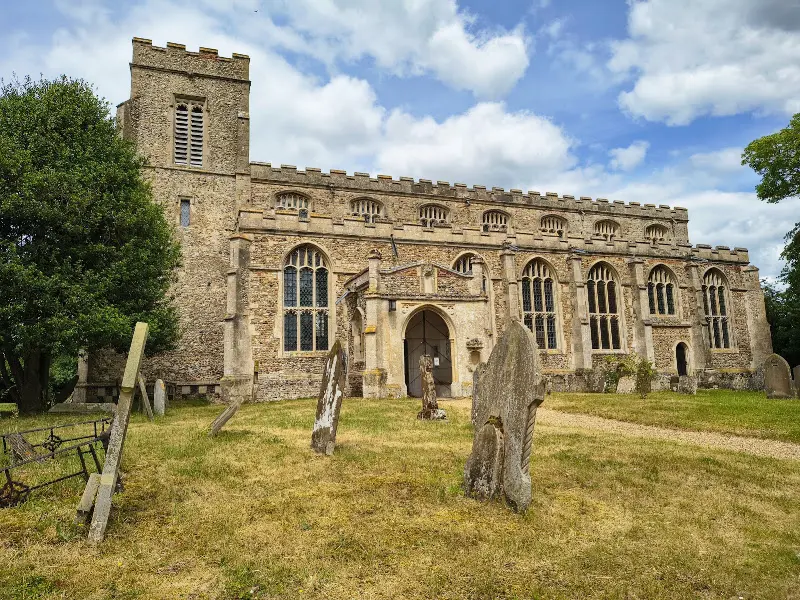
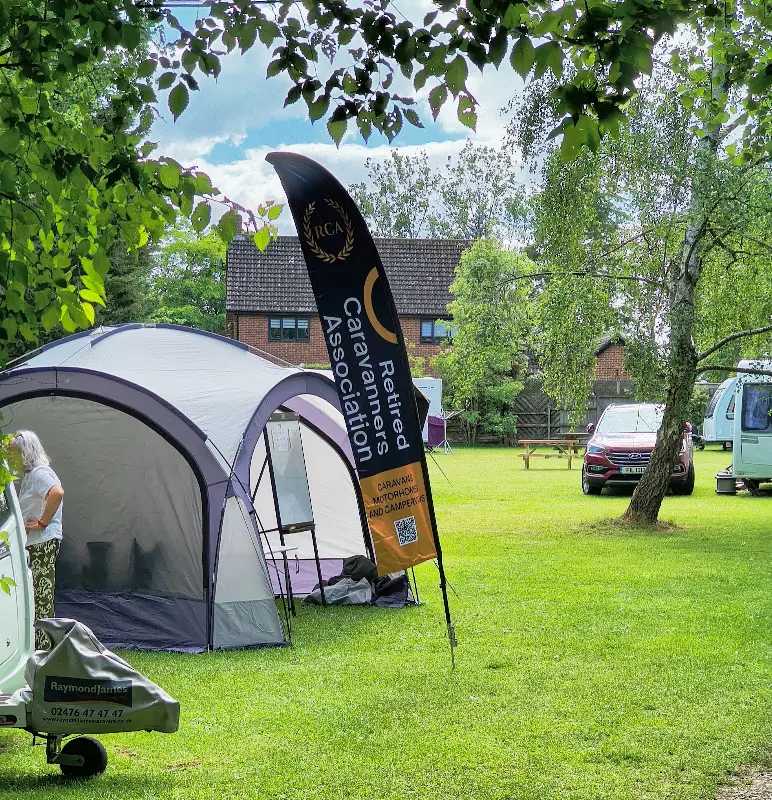
Sat Jun 6 - from RCA rally to Harwich, last day on the isles
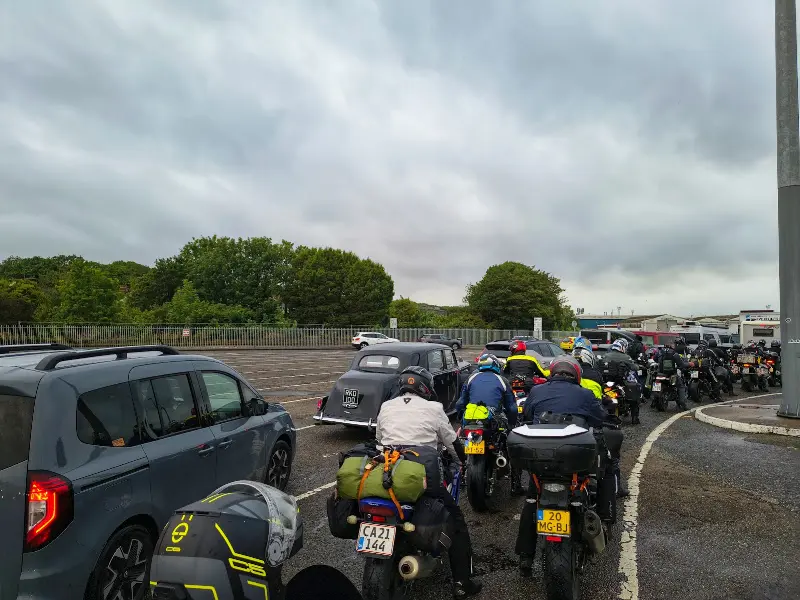
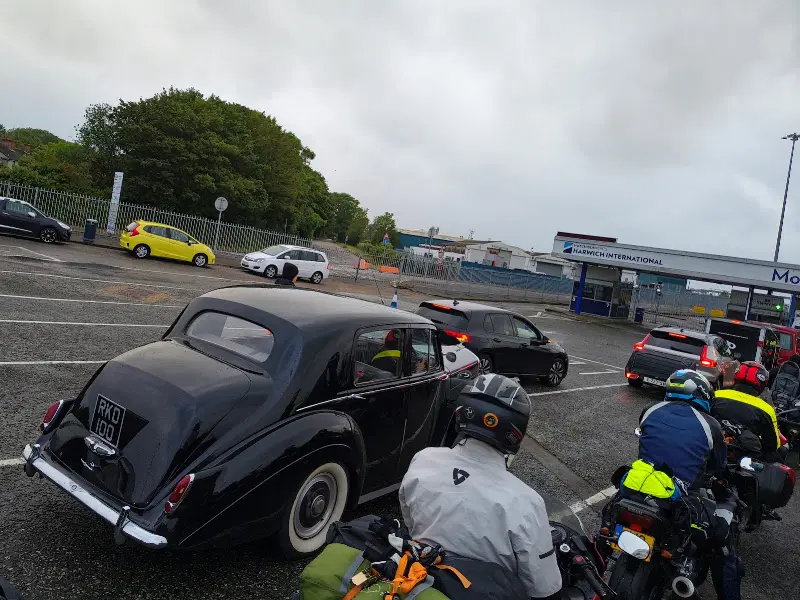
The dry 15 minutes came a bit later today, so I had to wait and prepare everything inside the outer tent until 7:45. The rain had begun last night at about 2 a.m. Wet and cold, but only about 70 km. I stopped during heavy rain in Dedham and had a kind of English breakfast — the first on this trip. At about 11 a.m. I reached Harwich. The ferry leaves at 10 p.m.
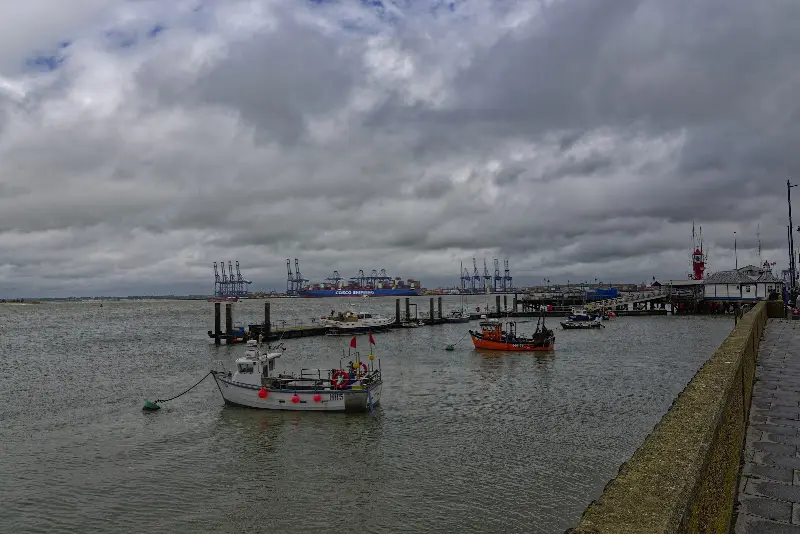
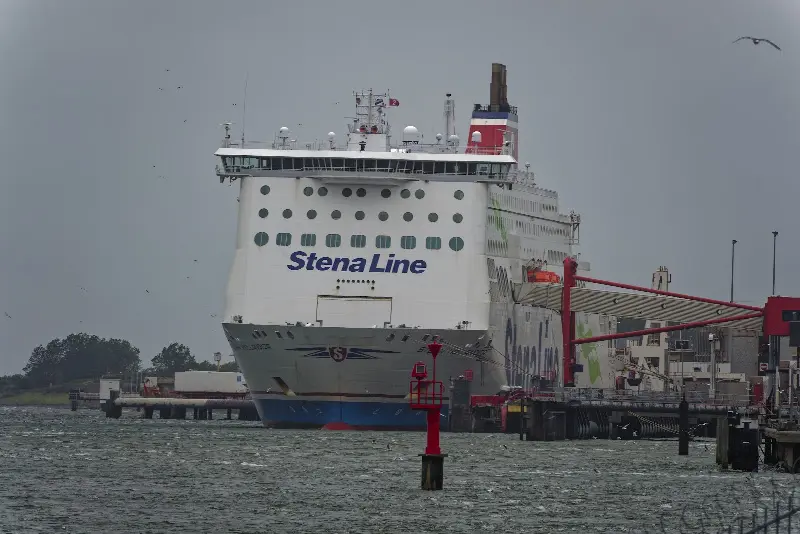
Harwich
Harwich is a historic port town in Essex, on the east coast of England, where the estuaries of the rivers Stour and Orwell meet the North Sea. Its position made it an important maritime settlement for centuries, especially for trade, naval activity, fishing and ferry connections to the continent. The old town still has a strong seafaring character, with narrow streets, harbour buildings, lighthouses and views across the water towards Felixstowe and the busy container port on the opposite side. Harwich has long been a practical departure point for travellers crossing the North Sea, including the ferry route to Hoek van Holland.
The town’s maritime history includes shipbuilding and naval associations. Harwich was developed as a naval base in the 17th century and played roles in later conflicts because of its strategic position at the mouth of major estuaries. It is also linked with the Mayflower: the ship’s master, Christopher Jones, lived in Harwich, and the town forms part of the wider story of the English Separatists who sailed to North America in 1620. Trinity House, responsible for lighthouses and navigational safety, also has historic connections with the area.
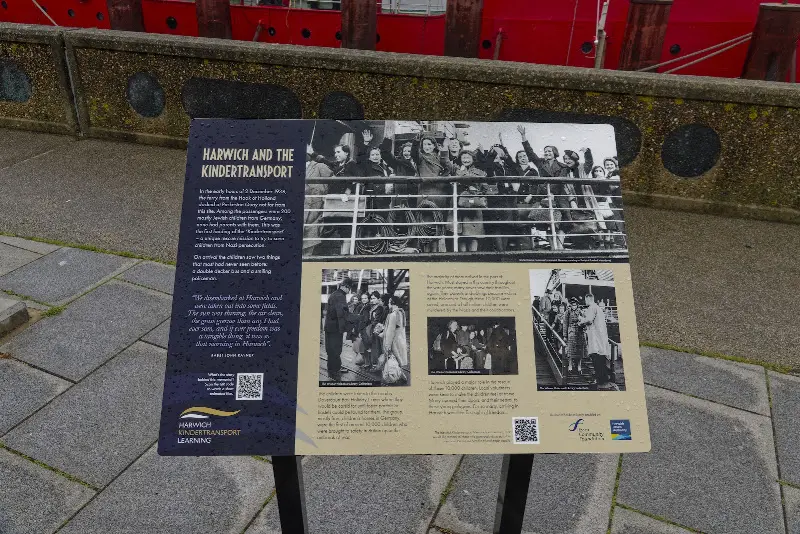
Harwich has a particularly moving place in the history of the Kindertransport. Between late 1938 and the outbreak of war in 1939, almost 10,000 mostly Jewish children and other children endangered by Nazi persecution were brought to Britain. Harwich was the main arrival port for these rescue transports. The first group, about 200 children from a Jewish orphanage in Berlin damaged during the November pogroms, arrived on 2 December 1938. The children travelled by train through Germany and the Netherlands and then crossed the North Sea by ferry, including on ships such as the Prague, before reaching safety in England.
Many of the children were first taken to Dovercourt Holiday Camp, only a few kilometres from Harwich, where around 2,000 stayed temporarily before being placed with foster families, hostels or schools across Britain. Today this history is remembered at the quayside by the Safe Haven – Harwich Kindertransport Memorial, a bronze sculpture by Ian Wolter showing five arriving children with their luggage. Information boards nearby explain the importance of the port in the rescue operation. For a traveller waiting for a ferry, Harwich is therefore not only a departure point, but also a place where the history of flight, rescue and arrival is very present.
Sun Jun 7 - from Hoek van Holland to Brug4
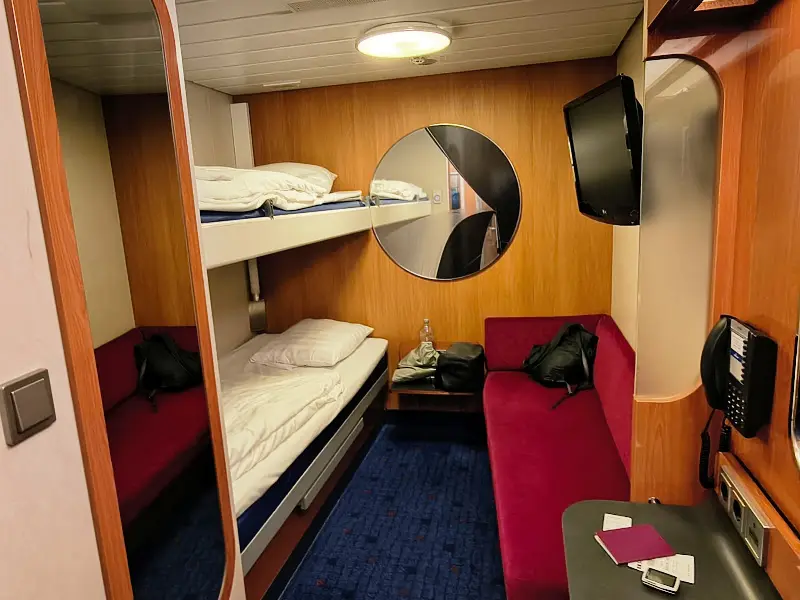
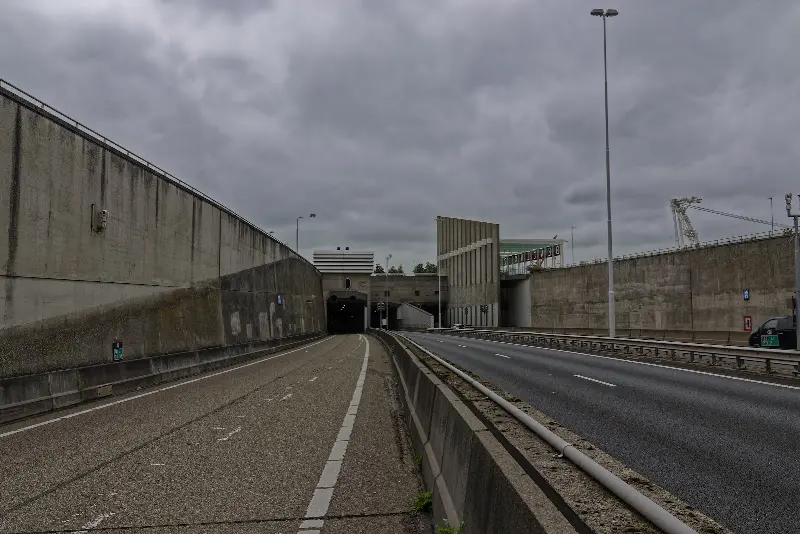
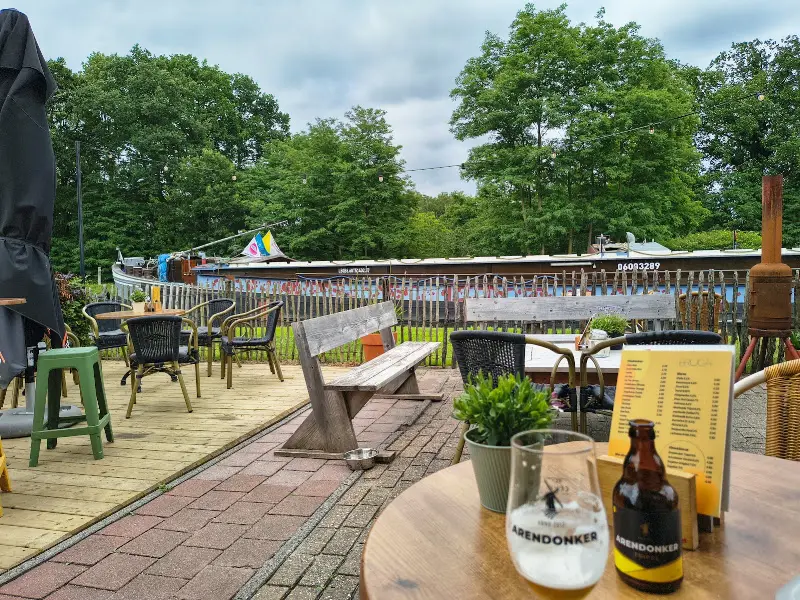
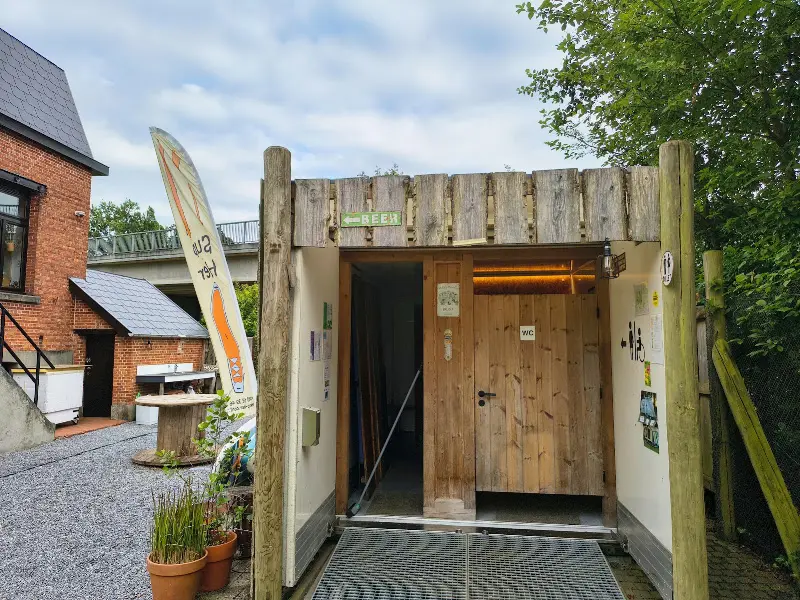
The Netherlands are already past. The ferry was on time, then it took a few hours to leave all the harbour and industrial areas behind — impressive — and to use a few tunnels below the sea or rivers. All the time, apart from cars, they have built a second traffic system for bicycles. After about 140 km — very flat for a change, but windy — I reached Belgium, at Brug4. After pitching my tent and having a shower, I tried an Arendonker Tripel here.
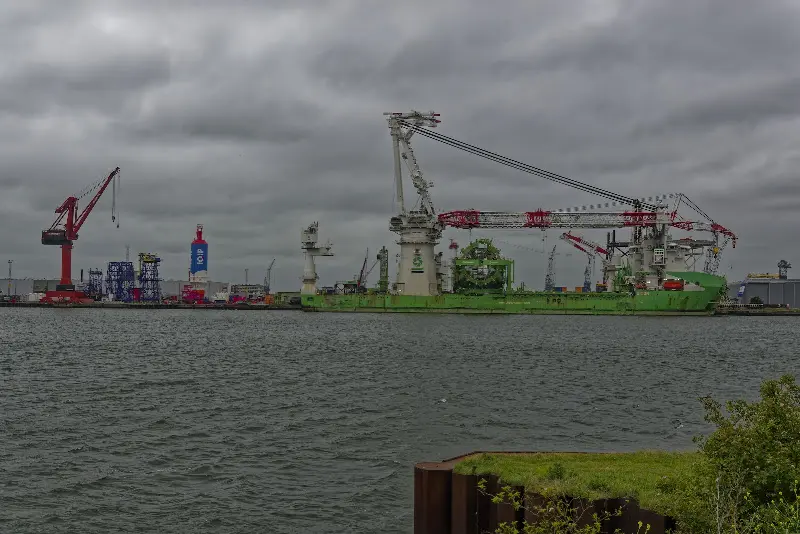
Rotterdam
Rotterdam is the second-largest city in the Netherlands and one of Europe’s most important port and industrial centres. It lies in South Holland, on the Nieuwe Maas, one of the distributaries of the Rhine-Meuse-Scheldt delta, and is closely connected to the North Sea through the Nieuwe Waterweg and the port areas stretching westwards towards Hoek van Holland. For a cyclist arriving by ferry from Harwich, the first impression is often not a picturesque Dutch old town, but a vast maritime and industrial landscape of docks, refineries, container terminals, bridges, canals, wind turbines and service roads.
The Port of Rotterdam is the largest seaport in Europe and for many decades was the busiest port in the world. Its scale is difficult to grasp from a map alone: the harbour and industrial zones extend for more than 40 kilometres from the city towards the North Sea, including areas such as Europoort and Maasvlakte. Oil, chemicals, containers, bulk cargo, logistics and energy infrastructure all meet here, making Rotterdam a central gateway for European trade. At the same time, the Dutch cycling network runs through and around this industrial world with remarkable consistency, often separated from car and lorry traffic even in areas dominated by heavy transport.
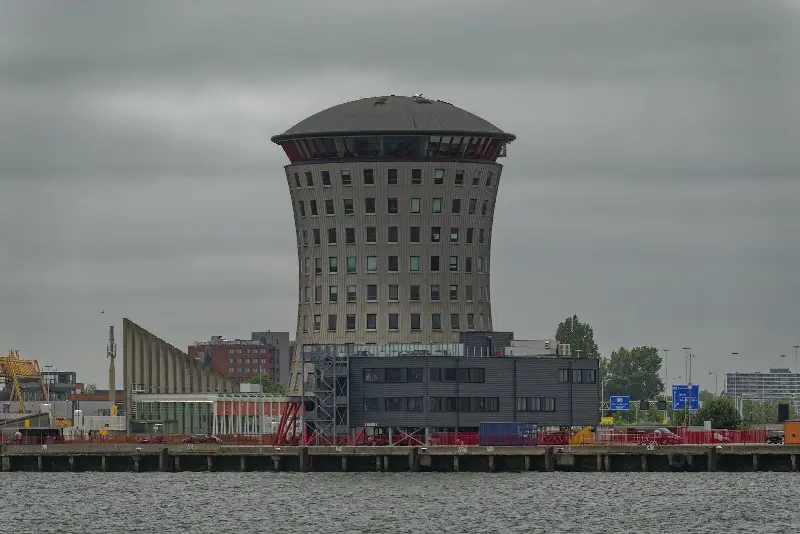
The city itself has a very different architectural character from Amsterdam or many older Dutch towns. Rotterdam was heavily bombed by the German air force in May 1940, destroying much of the historic centre. After the war, the city chose not simply to reconstruct the old streets, but to rebuild in a modern style. As a result, Rotterdam became known for experimental architecture, high-rise buildings, wide streets and contemporary urban planning. Landmarks include the Erasmus Bridge, the Cube Houses, the Markthal, Rotterdam Centraal station, De Rotterdam and the Euromast.
Rotterdam has also become one of the Netherlands’ most diverse and dynamic cities. Its port brought international trade, migration and working-class communities, while later regeneration created new cultural districts, museums, restaurants and waterfront developments. The city is home to institutions such as the Museum Boijmans Van Beuningen, Kunsthal Rotterdam and the Maritime Museum. For a touring cyclist, Rotterdam and its harbour region offer a striking contrast: not the romantic Netherlands of canals and gabled houses, but the engineered, global, industrial Netherlands — immense, efficient, windy, and still surprisingly navigable by bicycle.
Baarle-Hertog and Baarle-Nassau
Baarle is one of the strangest border villages in Europe. It is not simply divided between Belgium and the Netherlands; instead it is a patchwork of enclaves and exclaves. The Belgian municipality of Baarle-Hertog consists of a number of Belgian pieces of territory lying inside the Netherlands, while the Dutch municipality of Baarle-Nassau surrounds and, in some cases, reappears inside those Belgian enclaves. The result is a border that runs through streets, gardens, shops and even individual buildings.
This unusual situation goes back to medieval land divisions between the Dukes of Brabant and the Lords of Breda, later connected with the House of Nassau. In 1198, parts of the land were granted away while other parts remained under different lordship, creating a complicated pattern of ownership that survived into the modern state borders between Belgium and the Netherlands. The boundary was finally fixed in detail only in 1995, but the medieval logic is still visible in the modern map.
In the village itself the border is marked on the pavement with white crosses and national letters, often turning ordinary streets into a geographical puzzle. Some houses and shops stand partly in Belgium and partly in the Netherlands. For such buildings, the “front door rule” usually applies: the official address is determined by the country in which the front door is located. House number plates often carry a Belgian or Dutch flag to make the situation clearer. There is even a house whose front door lies directly on the border and therefore has both Belgian and Dutch numbers.
Baarle also has two municipal administrations, two mayors and two sets of local rules, though many services are coordinated in practice. In earlier times, differences between Belgian and Dutch laws encouraged smuggling, especially of goods such as butter after the Second World War. Today, within the European Union and the Schengen Area, the border is much less restrictive, but the village still keeps its curious character. For a cyclist, Baarle is a rare place where crossing an international border can happen several times in a few hundred metres without leaving the same street.
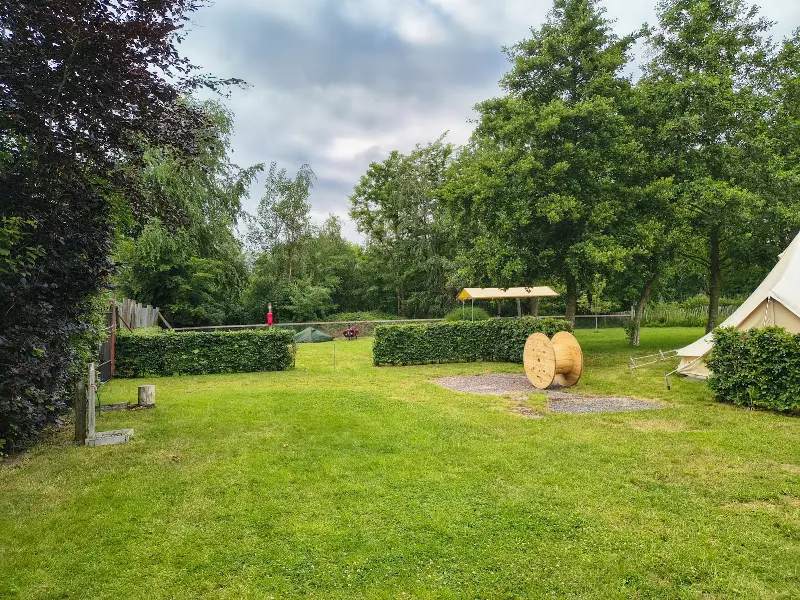
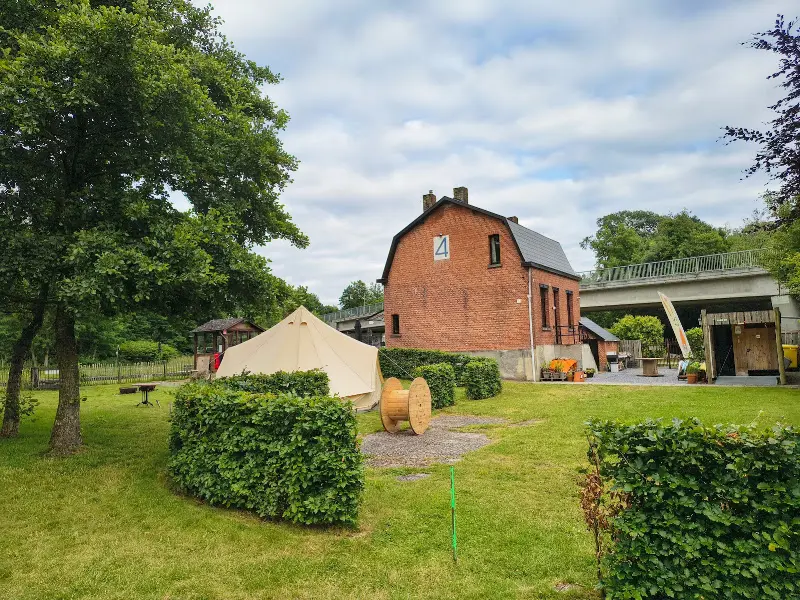
Mon Jun 8 - from Brug4 to Aachen
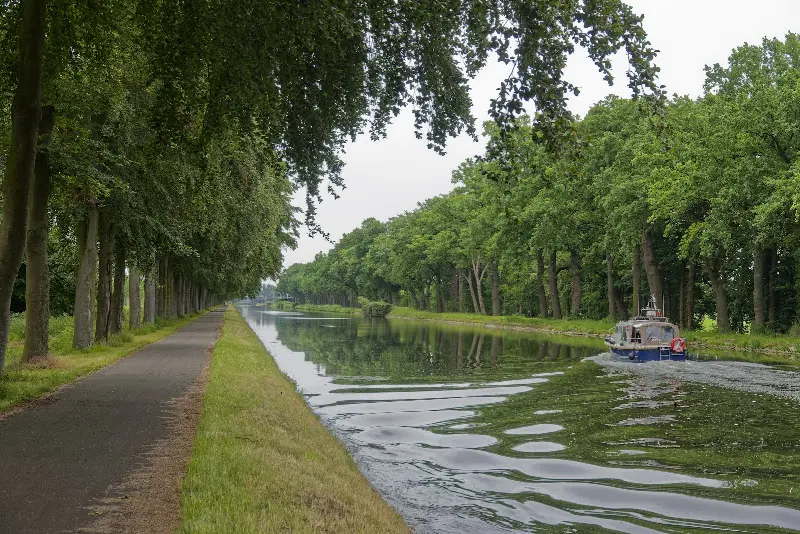
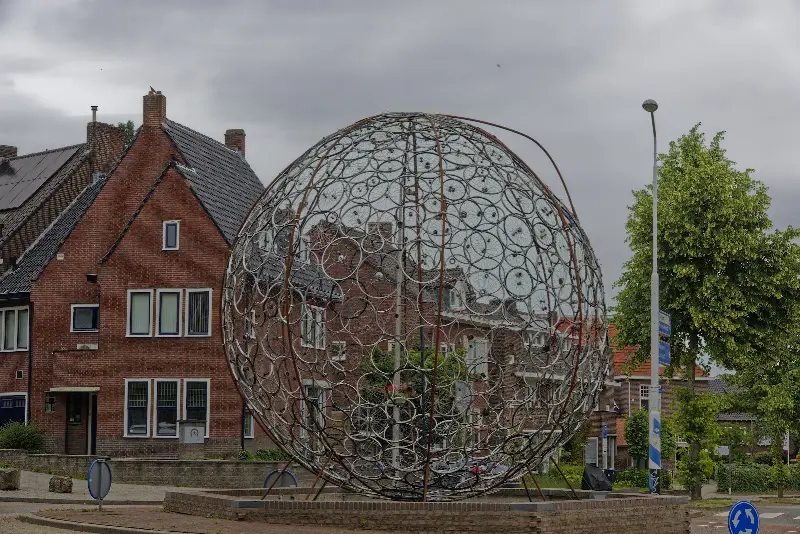
At times a bit boring: very straight, very flat cycle tracks along waterways. Mostly cloudy, no rain. I spent a short time in a suburb of Aachen, but then went back a few kilometres south to a campsite. Aachen and the area east of it lack opportunities for cyclists with tents.
Heerlen
Heerlen is a city in the south-east of the Netherlands, in the province of Limburg, close to the German border and north of Aachen. It forms part of Parkstad Limburg, a wider urban region that also includes towns such as Kerkrade and Brunssum. Although modern Heerlen is often associated with coal mining and 20th-century urban development, its history goes much further back. Archaeological finds show prehistoric settlement in the area, and in Roman times Heerlen was known as Coriovallum, a settlement at the crossing of important roads linking places such as Cologne, Boulogne, Xanten, Aachen and Trier.
The most important Roman remains in Heerlen are the baths discovered in the city centre in 1940. They are among the best-preserved Roman bathhouse remains in the Netherlands and are now protected inside the Thermenmuseum. After the Roman period, Heerlen developed only slowly as a rural settlement. It appears in written sources in the 11th century, and in the Middle Ages it became the centre of the Land van Herle. Buildings such as the St Pancratius Church and the Schelmentoren recall this older medieval phase, although much of the city’s present appearance is modern.
Heerlen changed dramatically in the late 19th and early 20th centuries with the rise of coal mining. Coal was found in the area in the 1870s, and after the Dutch state became involved in mining from 1901, several large mines developed around Heerlen and the surrounding region. The city’s population grew rapidly as workers arrived, and Heerlen became the centre of the Dutch coal industry. This industrial period shaped the city’s economy, society and architecture, but it also led to the demolition of many older buildings in the centre.
The closure of the mines between 1965 and 1975 was a major shock. Tens of thousands of jobs disappeared in the Limburg mining region, and Heerlen had to reinvent itself after losing the industry that had defined it for decades. Many mining structures were demolished, and spoil heaps were transformed into green hills in a process often described as “from black to green.” One of the few surviving mining buildings, shaft building II of the Oranje-Nassau I mine, now houses the Dutch Mining Museum. Heerlen is also known for the work of architect Frits Peutz, especially the modernist Glaspaleis, a striking glass department-store building from the 1930s and one of the city’s architectural landmarks.